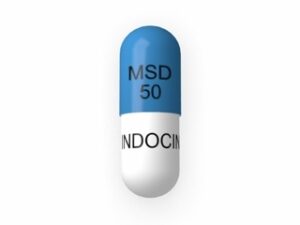
Indocin (Indomethacin) — Patient Information (Australia)
Indocin is a brand of indomethacin, a non-steroidal anti-inflammatory drug (NSAID). It is used to reduce pain, inflammation, and swelling caused by a variety of musculoskeletal conditions and certain inflammatory disorders.
This guide is written to help you understand what Indocin does, how it works in the body, how it is commonly taken, and what to watch for. Always follow the instructions provided by your healthcare professional and read the product label carefully.
Basic Product Information
| Feature | Details |
|---|---|
| Medicine name | Indocin (indomethacin) |
| Medicine type | NSAID (anti-inflammatory pain relief) |
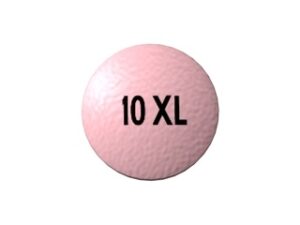
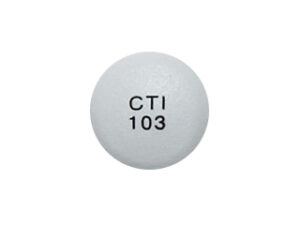
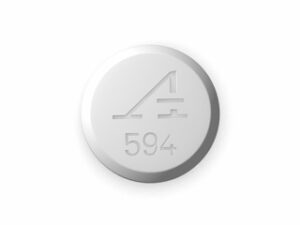
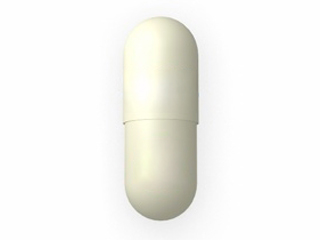
| Common forms | Capsules and/or sustained-release formulations (availability can vary) |
| What it helps | Pain and inflammation (e.g., gout flares, arthritis-related pain) |
| Availability in Australia | May be available via prescription channels; availability can vary by brand/form |
Note: Formulations and strengths differ. The exact dosing schedule depends on the product you receive and your condition.
How Indocin Works (Mechanism of Action)
Indomethacin works by reducing the body’s production of chemicals called prostaglandins. Prostaglandins are involved in:
- Inflammation (swelling and irritation)
- Pain signalling
- Fever
- Protective functions in the stomach and kidneys
Specifically, indomethacin inhibits enzymes known as COX-1 and COX-2 (cyclooxygenase enzymes). This lowers prostaglandin levels, leading to improved symptoms.
Important: Because prostaglandins also help protect the stomach lining and support kidney function, NSAIDs can increase the risk of stomach ulcers/bleeding and kidney strain, especially with higher doses or longer use.
Pharmacokinetics (How the Body Handles Indomethacin)
“Pharmacokinetics” describes what happens to the medicine after you take it.
- Absorption: Indomethacin is absorbed through the gastrointestinal tract. Food may slow absorption, but may reduce stomach irritation.
- Distribution: It binds extensively to plasma proteins and distributes to tissues where inflammation occurs.
- Metabolism: The liver metabolises indomethacin, converting it into other compounds.
- Elimination: Metabolites are excreted mainly via the kidneys (urine).
- Duration: Effects can last several hours; sustained-release products last longer. Your specific formulation determines timing.
Your prescriber may adjust the dose based on factors such as kidney function, age, other medicines, and the severity of symptoms.
Typical Use and Indications
Indocin is used for conditions where reducing inflammation and pain is important. Common indications (uses) may include:
- Acute gout attacks and gout-related inflammation
- Inflammatory arthritis where an NSAID is appropriate
- Shoulder pain and other painful inflammatory conditions (depending on clinical assessment)
- Other musculoskeletal inflammatory disorders as determined by a healthcare professional
Not for every type of pain: Indomethacin is usually reserved for specific conditions because it may have a higher risk of side effects compared with some other NSAIDs.
When It Starts Working (Timing and Duration)
Many people notice symptom relief within hours after taking indomethacin, with peak effects often occurring sooner with immediate-release forms. Sustained-release products may take slightly longer to reach peak effect but can provide steadier symptom control.
Practical timing tips:
- Take it at the same times each day if you have an ongoing schedule.
- If your dose is prescribed multiple times daily, follow the exact interval your pharmacist or prescriber advises.
- If you miss a dose, take it when you remember unless it is close to the next dose. Do not double up.
Dosing (General Information)
Dosing depends on the condition being treated, your age, kidney function, tolerance, and whether the product is immediate-release or sustained-release.
General principles:
- Use the lowest effective dose for the shortest time needed to control symptoms.
- Starting doses may be lower in older adults or people at higher risk of side effects.
- Your clinician may adjust based on response and side effects.
Because products and strengths differ, always check your label or the instructions provided with your specific indomethacin formulation.
Food Interactions and Taking With Meals
Food can affect how quickly indomethacin begins working and how well it is tolerated.
- Taking with food may help reduce stomach upset and indigestion.
- If you are prone to heartburn or gastritis, taking indomethacin after a meal is often better tolerated.
- Follow the instructions on the medication label (some people are advised to take it with meals or immediately after food).
Hydration: Staying well hydrated is important, especially if you have reduced kidney function or are taking other medicines that affect the kidneys.
Alcohol and Medicine Interactions
Alcohol
Combining NSAIDs like indomethacin with alcohol can increase the risk of:
- Stomach irritation
- Gastric bleeding
- Ulcer complications
Recommendation: Limit or avoid alcohol while taking indomethacin, particularly if you have a history of ulcers or gastrointestinal bleeding.
Other Medicines (Common Interactions)
Indomethacin can interact with many medicines. The most important interactions involve increased bleeding risk, kidney effects, and blood pressure control.
Tell your healthcare professional and pharmacist about all medicines you use, including over-the-counter products. Common interaction categories include:
- Other NSAIDs (e.g., ibuprofen, naproxen): increases risk of stomach and kidney side effects.
- Aspirin (in pain doses): increases bleeding and ulcer risk. Low-dose aspirin may be used for specific heart protection under medical supervision; do not change without advice.
- Anticoagulants (e.g., warfarin): increases bleeding risk.
- Antiplatelet medicines (e.g., clopidogrel): may increase bleeding risk.
- Selective serotonin reuptake inhibitors (SSRIs) or other antidepressants affecting serotonin (e.g., sertraline, fluoxetine): can increase gastrointestinal bleeding risk.
- Corticosteroids (e.g., prednisolone): increases risk of ulcers/bleeding.
- Diuretics (e.g., hydrochlorothiazide, furosemide): NSAIDs can reduce diuretic effect.
- ACE inhibitors and ARBs (e.g., enalapril, lisinopril; losartan, valsartan): can raise risk of kidney problems when combined with NSAIDs (especially with dehydration).
- Lithium: NSAIDs may increase lithium levels, leading to toxicity.
- Methotrexate: interactions can increase methotrexate toxicity.
- Cyclosporine/tacrolimus: may increase kidney risk.
- Digoxin: NSAIDs can sometimes increase digoxin effect/levels.
- Diabetes medicines: NSAIDs can affect blood glucose control in some people.
“Sick day” caution: If you become dehydrated (vomiting, diarrhoea, poor intake), you may be at higher risk of kidney strain when taking NSAIDs. Seek medical advice if you feel unwell.
Safety Profile (Who Should Be Extra Careful)
Indomethacin can be effective, but it has a safety profile typical of NSAIDs, including potential gastrointestinal, kidney, and cardiovascular risks. Your risk level depends on dose, duration, and personal factors.
Common Side Effects
- Stomach pain, heartburn, indigestion
- Nausea
- Dizziness or headache
- Fluid retention (swelling)
Serious Warnings (Seek Urgent Medical Help)
Stop and seek urgent medical advice if you experience:
- Signs of gastrointestinal bleeding: black/tarry stools, vomiting blood, or blood in vomit
- Severe stomach pain or persistent vomiting
- Allergic reactions: facial/lip swelling, wheezing, rash, trouble breathing
- Signs of kidney problems: reduced urination, unusual swelling, persistent fatigue
- Chest pain, shortness of breath, weakness (possible cardiovascular events)
- Severe skin reactions (rare): blistering rash, peeling skin, fever with rash
Higher Risk Situations
You should discuss NSAID suitability carefully if you have any of the following:
- History of ulcers or gastrointestinal bleeding
- Existing kidney disease or dehydration
- History of heart disease, stroke, or uncontrolled high blood pressure
- Asthma that worsens with NSAIDs
- Concurrent use of medicines that increase bleeding risk (e.g., anticoagulants, corticosteroids, SSRIs)
- Older age or frailty
- During pregnancy, especially later stages (NSAIDs can be harmful)
Practical Use Tips (How to Get the Best and Safest Results)
- Take as directed: Follow the label and your healthcare professional’s instructions.
- Use the lowest effective dose: If you improve, discuss whether you can reduce the dose or stop.
- Take with food: This can reduce stomach irritation.
- Avoid double NSAIDs: Do not take ibuprofen, naproxen, or similar NSAIDs at the same time.
- Stay hydrated: Particularly if you are older or have kidney issues.
- Monitor symptoms: If pain or inflammation does not improve, or you worsen, seek medical advice.
- Be careful with over-the-counter products: Many cold/flu products contain NSAIDs—check labels.
- Keep an eye on stomach symptoms: New heartburn, indigestion, or abdominal pain should be taken seriously.
Driving and operating machinery: Some people feel dizzy. If you feel unsteady, avoid driving or operating machines.
Alternative Options
Depending on your condition, there may be other treatment options that may be more suitable or better tolerated. Options can include:
- Other NSAIDs (e.g., ibuprofen or naproxen) — may have different risk profiles
- Paracetamol (acetaminophen) for pain relief (does not treat inflammation)
- Topical anti-inflammatory treatments (e.g., topical NSAIDs) for some localised aches
- Physiotherapy and exercise therapy for joint and tendon conditions
- Gout-specific treatments for flares and prevention, depending on your history (e.g., urate-lowering strategies and flare therapies)
- Heat/cold therapy and supportive measures
If you are considering alternatives due to side effects or interactions, ask a pharmacist or clinician what is appropriate for your health history.
Market and Legal Context for Australia
In Australia, the dispensing and supply of medicines is regulated under state and federal health frameworks. How a medicine is accessed (for example, whether it is available only via prescription channels or through particular supply categories) depends on the product and its formulation strength.
For online pharmacy ordering, reputable services require appropriate patient checks and compliance with Australian regulations, including identity verification, eligibility, and clinical safety screening. Always use a licensed Australian pharmacy and ensure you receive the correct product for your needs.
Always verify: the brand, strength, dosage form, and instructions on the label before taking a medicine.
Recent Guidance and Ongoing Risk Awareness
Across recent years, Australian and international medicine safety guidance has continued to emphasise the same key principles for NSAIDs:
- Use the lowest effective dose for the shortest possible duration.
- Assess gastrointestinal and cardiovascular risks before starting or continuing NSAIDs.
- Avoid unnecessary long-term NSAID use and review regularly if ongoing treatment is required.
- Consider gastro-protection for higher-risk patients when appropriate (based on clinical judgment).
Because patient risk differs, the best approach is to discuss your personal risk factors with a pharmacist or clinician.
Delivery and Availability
Availability of Indocin (indomethacin) can vary by product type and strength. If you order through an online pharmacy, delivery time depends on stock levels, dispensing processes, and your location within Australia.
- Processing times: can vary from same-day dispatch to a few business days depending on approvals and stock.
- Delivery options: standard and express shipping may be offered.
- Packaging: medicines should be delivered in original packaging with clear labels and instructions.
Tip: Keep your medicines in a cool, dry place, and store them away from children.
FAQ — Indocin (Indomethacin)
1) What is Indocin used for?
Indocin (indomethacin) is used to reduce pain and inflammation for certain conditions, such as acute gout attacks and some inflammatory musculoskeletal disorders. Your healthcare professional will decide if it is suitable for your situation.
2) How quickly will Indocin work?
Many people notice improvement within a few hours. The exact timing depends on whether you are taking an immediate-release or sustained-release formulation and whether you take it with food.
3) Should I take Indocin with food?
Often, yes. Taking it after meals or with food can reduce stomach irritation. Follow your specific label instructions.
4) Can I drink alcohol while taking Indocin?
It’s generally best to limit or avoid alcohol because it can increase the risk of stomach irritation and bleeding when combined with NSAIDs.
5) What should I avoid taking with Indocin?
Avoid other NSAIDs at the same time unless instructed. Also be cautious with medicines that increase bleeding risk (such as anticoagulants), corticosteroids, certain antidepressants, and some blood pressure or kidney-related medicines—your pharmacist can advise on interactions.
6) What are the warning signs of stomach bleeding?
Look out for black/tarry stools, vomiting blood, or blood in vomit, along with severe or persistent abdominal pain. These require urgent medical attention.
7) What if I miss a dose?
Take the missed dose when you remember unless it is close to the time of your next dose. Do not take double doses.
8) Can Indocin affect my kidneys?
Yes. NSAIDs can reduce kidney blood flow, particularly in people who are dehydrated, older, or already have kidney issues. Seek advice if you notice reduced urination, swelling, or you become unwell with vomiting or diarrhoea.
9) Is Indocin suitable for everyone?
No. People with certain conditions—such as a history of ulcers/bleeding, significant kidney disease, NSAID-sensitive asthma, or some cardiovascular conditions—may need to avoid indomethacin or use it only with close monitoring.
10) Are there safer alternatives?
Alternatives may include other NSAIDs, paracetamol, topical therapies, and condition-specific treatments. The best option depends on your diagnosis and risk factors.
Important: This information is general and may not cover every individual situation. If you have questions about suitability, dosing, or interactions, speak to a pharmacist or healthcare professional.