
Arcoxia (Etoricoxib) — Patient Information (Australia)
Arcoxia is a brand of etoricoxib, a medicine from the group known as COX-2 selective non-steroidal anti-inflammatory drugs (NSAIDs). It is used to help reduce pain and inflammation in a range of conditions, particularly where joint and musculoskeletal symptoms are involved.
This guide is written in clear, patient-friendly language to help you understand how Arcoxia works, when it’s typically taken, and what to consider for safety, interactions, and practical use. If you have questions about your particular situation, speak with a healthcare professional.
Basic product information
| Item | Details |
|---|---|
| Medicine | Arcoxia (etoricoxib) |
| Drug class | COX-2 selective NSAID |
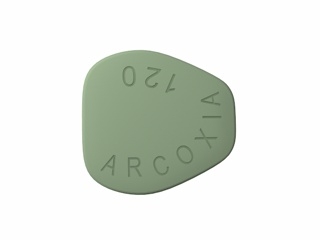
| Common strengths | Often available as 30 mg, 60 mg, 90 mg, and 120 mg tablets (strengths vary by brand listing) |
| Typical dosing frequency | Usually once daily |
| Main benefits | Reduces pain and inflammation; helps relieve swelling and stiffness in certain joint conditions |
How Arcoxia works (mechanism of action)
Inflammation and pain often involve chemicals called prostaglandins. These are produced by enzymes known as COX-1 and COX-2 (cyclooxygenases).
Etoricoxib selectively inhibits COX-2, which leads to a reduction in prostaglandin production associated with inflammation and pain. Because it is more COX-2 selective than some older NSAIDs, it may have a different gastrointestinal side effect pattern; however, it still carries important risks—including cardiovascular, kidney, and stomach/bowel risks in some people.
Pharmacokinetics (how the body handles etoricoxib)
Pharmacokinetics describes absorption, distribution, metabolism, and elimination.
- Absorption: After oral dosing, etoricoxib is absorbed and reaches peak blood levels relatively quickly (often within a few hours).
- Food effects: Food can influence how quickly etoricoxib is absorbed, but not necessarily the overall amount absorbed.
- Distribution: It distributes throughout the body and binds to plasma proteins.
- Metabolism: Etoricoxib is primarily metabolised in the liver via drug-metabolising pathways.
- Elimination: It is cleared largely through metabolism and subsequent elimination of metabolites.
- Half-life: The medicine generally has a long enough duration of action to support once-daily dosing in many indications.
Key point: Your prescriber may base dose and timing on your condition, age, other medical problems (such as kidney or heart disease), and the need for symptom relief.
What Arcoxia is used for (typical use and indications)
Arcoxia is used to relieve pain and inflammation in a number of musculoskeletal and arthritic conditions. Common indications may include:
- Osteoarthritis (degenerative joint disease)
- Rheumatoid arthritis (inflammatory joint disease)
- Gout flares (acute pain due to uric acid crystals)
- Ankylosing spondylitis (inflammatory back/joint condition)
- Acute pain conditions where an anti-inflammatory effect is beneficial (varies by local product guidance and listing)
Important: Arcoxia is designed to treat symptoms (pain, swelling, inflammation). It does not cure the underlying condition.
When and how to take Arcoxia (timing and practical guidance)
Typical timing
Arcoxia is usually taken once daily. Many people find it helpful to take it around the same time each day to maintain consistent effects.
With or without food
Etoricoxib can generally be taken with or without food. However, the type of food you eat and the timing can affect how quickly it starts working.
- If you need faster relief for pain, taking it on an empty stomach may reduce the time to peak levels for some people.
- For many patients, taking it after food is still effective and can be more comfortable for the stomach.
How long to use
- For flare-ups (e.g., gout), it is typically used for a short period under clinician guidance.
- For chronic inflammatory conditions (e.g., arthritis), it may be used as part of ongoing management.
Seek medical advice if pain is not improving as expected, is worsening, or if you need it for longer than recommended.
Food interactions
Etoricoxib’s absorption may change with food. In general:
- Normal meals: Often do not significantly change the total absorption, but may affect speed of absorption.
- High-fat meals: May slow the onset of effect in some cases due to delayed gastric emptying.
Practical tip: If you’re using Arcoxia for symptom control and notice your pain relief feels slower after meals, consider taking it at a consistent time relative to your meals (for example, consistently with breakfast or consistently on an empty stomach), and discuss any concerns with a healthcare professional.
Alcohol and medicine interactions
Alcohol
Alcohol can increase the risk of stomach irritation/bleeding and may also affect the liver. Combining alcohol with NSAIDs can increase risk, particularly with heavy or frequent alcohol intake.
- Moderation is important.
- Avoid binge drinking.
- If you have a history of stomach ulcers, gastrointestinal bleeding, liver disease, or regular heavy alcohol use, discuss NSAID use with a clinician.
Other medicines that may interact
Arcoxia can interact with other medicines, which may increase side effects or reduce effectiveness. It is especially important to review your medication list if you take:
- Other NSAIDs (e.g., ibuprofen, naproxen, diclofenac): generally avoid combining unless specifically advised.
- Aspirin: low-dose aspirin for heart protection may be used in some patients, but combining can raise bleeding risk; medical advice is essential.
- Anticoagulants (e.g., warfarin) and antiplatelets (e.g., clopidogrel): increased bleeding risk.
- ACE inhibitors or angiotensin receptor blockers (ARBs) (e.g., perindopril, ramipril, losartan, valsartan): may increase risk to kidneys, particularly with dehydration or diuretics.
- Diuretics (water tablets): can increase risk of kidney problems and electrolyte imbalance.
- Selective serotonin reuptake inhibitors (SSRIs) or serotonin-norepinephrine reuptake inhibitors (SNRIs): may raise gastrointestinal bleeding risk.
- Lithium: may increase lithium levels (toxicity risk).
- Methotrexate: NSAIDs can affect methotrexate levels; timing and dose adjustments may be required.
- Digoxin: possible effects on digoxin levels or kidney function.
- Cyclosporine or tacrolimus: may increase kidney risk.
- Some liver-metabolised medicines: metabolism may be affected depending on your regimen.
Always check your full list of medicines and supplements with a healthcare professional or pharmacist, especially before starting Arcoxia.
Recommended dosing (general guidance)
Dosing depends on the condition being treated, your risk factors (heart disease, kidney disease, age, history of ulcers/bleeding), and the duration of treatment.
In many settings, dosing for etoricoxib is typically described as:
- Osteoarthritis: commonly 30 mg once daily (some patients may require higher doses under guidance)
- Rheumatoid arthritis: commonly 60 mg once daily
- Ankylosing spondylitis: commonly 60 mg once daily (sometimes 90 mg depending on severity and guidance)
- Acute gout flare: commonly 120 mg once daily for a limited period
Important safety principle: Use the lowest effective dose for the shortest duration needed to manage symptoms. Higher doses and longer use increase risks.
Do not exceed the prescribed maximum. If you miss a dose, take it when you remember unless it’s close to the time of your next dose—do not double up.
Safety profile: who should be cautious
Like other NSAIDs, Arcoxia can cause side effects. Some can be serious, particularly in people with pre-existing risk factors. The following sections highlight key concerns to help you recognise problems early.
Heart and blood vessel (cardiovascular) risk
COX-2 selective NSAIDs have been associated with an increased risk of cardiovascular events in some patients, particularly at higher doses or with long-term use.
- Seek urgent medical help if you develop symptoms such as chest pain, shortness of breath, weakness on one side, or trouble speaking.
- If you have a history of cardiovascular disease (or significant risk factors), your clinician may choose an alternative or use careful monitoring.
Kidney effects
NSAIDs can affect kidney function, especially in people who are dehydrated or who have kidney disease, heart failure, or are taking certain medicines (e.g., diuretics, ACE inhibitors/ARBs).
- Watch for reduced urination, swelling in legs/ankles, unusual fatigue, or sudden weight changes.
- Stay hydrated unless you’ve been told to restrict fluids.
Gastrointestinal (GI) risk
Although etoricoxib is COX-2 selective, GI side effects can still occur. Risk can be higher with:
- History of stomach ulcers or bleeding
- Older age
- Higher doses or longer treatment
- Concomitant medicines that increase bleeding risk (e.g., anticoagulants, SSRIs)
Get urgent care if you have black/tarry stools, vomiting blood, or severe stomach pain.
Liver risk
Rarely, NSAIDs may affect the liver. Seek medical advice promptly if you develop yellowing of the skin/eyes (jaundice), dark urine, or severe unexplained nausea.
Allergic reactions and skin reactions
Some people may develop allergic reactions. Stop use and seek medical attention if you experience:
- Swelling of the face, lips, tongue, or throat
- Difficulty breathing or wheezing
- Severe rash, blistering skin, or peeling
Common side effects
- Headache
- Indigestion or stomach discomfort
- Dizziness
- Fluid retention or swelling (in some people)
- Blood pressure may rise in some individuals
Note: This is not a complete list of side effects. Refer to the product information leaflet for full details.
Practical use tips (getting the best benefit safely)
- Check your risk factors: If you have heart disease, stroke history, high blood pressure, kidney problems, or past ulcers, discuss NSAID options before starting.
- Use the lowest effective dose: Many patients do not need the highest dose.
- Set a routine: Once-daily dosing works best when taken at a consistent time.
- Avoid stacking NSAIDs: Do not combine Arcoxia with ibuprofen, naproxen, or diclofenac unless instructed.
- Stay hydrated: Particularly during hot weather or if you have diarrhoea/vomiting.
- Monitor blood pressure: NSAIDs can raise blood pressure—especially if you already have hypertension.
- Be cautious with supplements: Some supplements (e.g., fish oil in high doses) may influence bleeding risk in certain patients—ask a pharmacist.
Alternative options for pain and inflammation
Depending on your condition and risk profile, a clinician may consider other options. Alternatives can include:
- Other NSAIDs (non-selective or different COX-2 profiles)
- Acetaminophen/paracetamol for pain relief (note: not anti-inflammatory)
- Topical NSAIDs (e.g., gels/creams) for some joint pains, which may lower systemic exposure
- Non-drug approaches: physiotherapy, exercise programmes, heat/cold therapy, weight management, and activity modification
- Disease-modifying therapies for inflammatory arthritis (e.g., medications targeting rheumatoid arthritis mechanisms—these are different from NSAIDs)
Gout-specific care: For gout, treatment may also include flare-specific and prevention-focused medications, along with dietary and lifestyle strategies. Choice depends on your uric acid levels and medical history.
Market and legal context in Australia
In Australia, medicine supply and classification are managed through regulatory systems and dispensing requirements. Availability and how a medicine is supplied can depend on:
- Product listing and pharmacy supply rules
- Strength and formulation
- Clinical appropriateness
Online pharmacies in Australia generally follow relevant Australian laws and pharmacy standards, including verification of medication eligibility, patient safety checks, and appropriate communication with healthcare professionals when needed.
Always rely on the advice provided with your specific product and your healthcare team, particularly for dosing and duration.
Recent guidance and safety reminders
Ongoing pharmacovigilance and clinical communication continue to emphasise core safety principles for COX-2 selective NSAIDs, including:
- Use the lowest effective dose and shortest duration consistent with achieving symptom relief.
- Be particularly cautious in individuals with cardiovascular risk, kidney impairment, or a history of GI bleeding.
- Reassess the need for continued NSAID therapy if symptoms persist or if new side effects develop.
If you have been taking Arcoxia for an extended period, periodic clinical review may be recommended to ensure benefits outweigh risks.
Delivery and availability (online pharmacy)
Availability can vary by stock levels and tablet strength. When ordering online:
- Check the listed strength and quantity in your cart.
- Verify your delivery address and preferred contact details for updates.
- Track your order if the service offers tracking.
- Storage: Store tablets as directed on the packaging (typically at room temperature, away from moisture and heat).
Delivery timelines and service areas depend on the specific online pharmacy provider and logistics partner. Always review the store’s shipping information at checkout.
FAQ — Arcoxia (Etoricoxib)
1) Is Arcoxia the same as ibuprofen?
No. Arcoxia (etoricoxib) is a COX-2 selective NSAID, whereas ibuprofen is generally less selective. They have different dosing patterns and risk profiles. Your best option depends on your medical history and the condition being treated.
2) How fast does Arcoxia start working?
Many people notice pain relief within hours. The exact timing varies by dose, food intake, and individual factors. If you need more rapid relief, ask a pharmacist whether taking it with/without food is better for your situation.
3) Can I take Arcoxia with food?
Yes, it can usually be taken with or without food. Food may affect the speed of absorption, so if your pain relief feels delayed, consider keeping your dosing time consistent relative to meals.
4) Can I drink alcohol while taking Arcoxia?
It’s best to keep alcohol to a minimum. Alcohol can increase the risk of stomach irritation/bleeding and may affect the liver. If you drink regularly or have liver or stomach problems, discuss NSAID use with a healthcare professional.
5) What should I avoid taking with Arcoxia?
Avoid combining with other NSAIDs (such as ibuprofen, naproxen, or diclofenac) unless specifically advised. Be cautious with anticoagulants, antiplatelets, SSRIs/SNRIs, corticosteroids, lithium, and medicines that affect kidney function.
6) What if I miss a dose?
Take it when you remember unless it’s close to the next dose. Do not take a double dose to make up for a missed tablet. If you’re unsure, ask a pharmacist.
7) Are there warning signs that mean I should stop and get help?
Yes. Seek urgent medical attention for symptoms such as chest pain, sudden shortness of breath, weakness on one side, black/tarry stools, vomiting blood, severe stomach pain, facial/throat swelling, severe rash, or signs of liver problems (yellow skin/eyes).
8) Is Arcoxia safe for long-term use?
Long-term use may be appropriate for some conditions under clinical supervision, but it increases risk. The general approach is to use the lowest effective dose for the shortest duration and to review treatment regularly.
9) Can I use topical treatments instead?
For some joint pains, topical NSAIDs may offer symptom relief with less systemic exposure. Whether they’re suitable depends on your condition, the affected area, and your overall health.
10) When should I seek advice?
Get medical advice if pain is not controlled, side effects occur, you develop new symptoms (especially those suggesting heart, kidney, liver, or GI problems), or you’re unsure about interactions with your current medicines.
Summary
Arcoxia (etoricoxib) is a COX-2 selective NSAID used to treat pain and inflammation in conditions such as osteoarthritis, rheumatoid arthritis, ankylosing spondylitis, and gout flares. It is commonly taken once daily, with the option to take it with or without food. As with all NSAIDs, careful attention to safety is important—especially regarding cardiovascular risk, kidney function, stomach/bowel effects, and potential interactions with other medicines and alcohol.
If you’d like, tell me the strength you plan to consider (e.g., 60 mg or 90 mg) and your condition (e.g., osteoarthritis or gout flare), and I can help you review typical timing, common interaction checks, and practical tips to discuss with your pharmacist or healthcare professional.