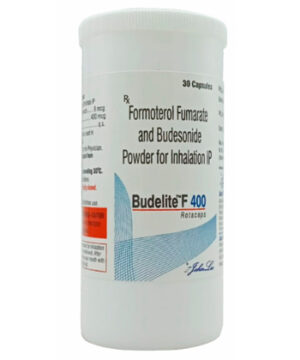

Budesonide Inhaler (Budesonide) – Patient Information (Australia)
Budesonide inhaler is a corticosteroid medicine used to help control inflammation in the airways. It is commonly used for asthma and may also be used for other airway conditions as advised by a clinician. Regular use is important because it works gradually to reduce airway inflammation and help prevent symptoms.
This guide explains how budesonide inhalers work, how to use them safely and effectively, what to expect, and key interaction and safety information for people in Australia.
Quick overview
- Medicine name: Budesonide (inhaled corticosteroid)
- What it’s for: Reducing airway inflammation to prevent asthma symptoms and flare-ups
- How it works: Anti-inflammatory action within the lungs
- Onset: Improvement may begin within days; full benefits often take 1–2 weeks (or longer for some people)
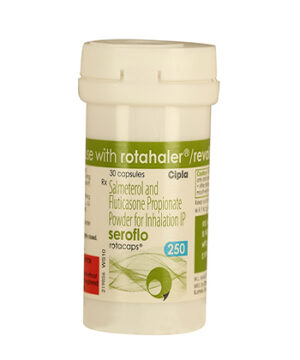
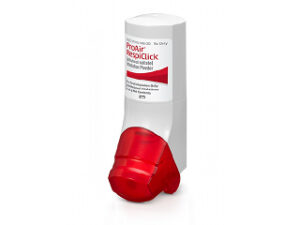
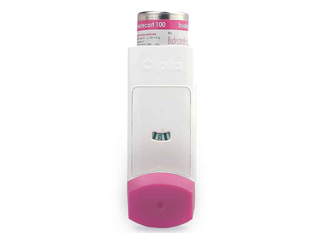
- Common device types: Metered-dose inhaler (MDI) or dry powder inhaler (DPI), depending on brand
- Key tip: Rinse your mouth and spit after each dose to reduce oral thrush risk
Basic product information
Budesonide is an inhaled corticosteroid (ICS). Because it is delivered directly to the lungs, it helps reduce inflammation in the airways with less whole-body steroid exposure than tablets. Budesonide inhalers come in different strengths and inhaler types. Your exact dosing and device instructions depend on the specific product you use.
Common brand/product formats in Australia
Budesonide is available in several inhaled formulations in Australia, including:
- Metered-dose inhalers (MDI) (often with a spacer for better delivery)
- Dry powder inhalers (DPI) (device-specific technique required)
Always check the label and the Consumer Medicine Information (CMI) for your specific product to confirm the strength (e.g., micrograms per puff) and directions for use.
How budesonide inhalers work (mechanism of action)
Budesonide belongs to the family of corticosteroids. When inhaled, it binds to glucocorticoid receptors in airway cells and helps regulate gene activity that controls inflammation.
In practice, budesonide:
- reduces inflammatory chemicals in the airways
- decreases swelling and mucus production
- helps improve airway responsiveness
- reduces the frequency and severity of asthma symptoms and flare-ups
Importantly, budesonide is not a “reliever” medicine for sudden breathing difficulties. For acute symptoms, a reliever inhaler (often a short-acting bronchodilator) is typically used as directed.
Pharmacokinetics (how the body handles the medicine)
After inhalation, budesonide acts mainly in the lungs. A portion is deposited in the airways; some may be swallowed.
- Absorption: Systemic absorption occurs both from inhaled delivery and from swallowed portion.
- Distribution: Budesonide is distributed throughout the body, but inhaled dosing aims to keep systemic exposure low.
- Metabolism: Budesonide is extensively metabolised, primarily in the liver, into inactive metabolites.
- Elimination: Metabolites are eliminated mainly through the kidneys (urine).
Because budesonide is metabolised in the liver, certain medicines that affect liver enzymes can influence steroid levels (see interactions below).
Typical uses and indications
Budesonide inhalers are used to treat conditions where airway inflammation plays a key role. The most common use is asthma.
Asthma
- Maintenance control of asthma symptoms
- Prevention of asthma flare-ups (exacerbations)
- Improvement in lung function over time
Other airway conditions
Depending on the product and clinical advice, inhaled budesonide may be used for other chronic inflammatory airway conditions. Your healthcare professional can confirm whether it is appropriate for your specific diagnosis.
Note: If you have symptoms that worsen suddenly, or if you are using a reliever inhaler frequently, seek medical advice promptly.
Dosing (general guidance)
Dosing varies based on:
- the severity of your asthma (or other condition)
- your age
- the specific inhaler strength and device type
- how well your symptoms are controlled
Because there are multiple strengths and inhaler types, it is essential to follow the dose on your product label and the instructions provided by your pharmacist or prescriber.
Common dosing approaches (illustrative)
Many budesonide inhalers are used as a daily maintenance treatment, sometimes with different dosing schedules depending on control needs.
- Regular daily use: Often 1–2 times daily for maintenance control (exact schedule depends on product and plan).
- Step-up/step-down: If symptoms are not controlled, clinicians may increase the inhaled corticosteroid dose. If stable for a period, they may reduce the dose.
If you miss a dose, use it when you remember unless it is close to the time for your next dose. Do not take extra doses to compensate without advice.
Timing: when to take budesonide inhaler
- Consistency matters: Take your dose at the same times each day.
- Best time of day: Choose a time you can reliably remember (e.g., morning and evening).
- Start-up period: You may not notice immediate relief. Benefits usually build gradually.
- Plan for flares: If symptoms increase, follow your personal asthma action plan if you have one.
If you are also using other inhalers (e.g., a reliever or another controller), your pharmacist can help you understand the correct order of use if relevant to your regimen.
Practical use tips (how to use your inhaler effectively)
Correct inhaler technique improves how much medicine reaches your lungs and can improve results. Technique errors are common, even among experienced users.
General inhaler technique tips
- Read the device instructions: MDI and DPI devices use different techniques.
- Check your dose counter/indicator: Confirm you have enough doses.
- Coordinate actuation and inhalation (for MDI): Press and breathe in slowly and deeply as instructed for your device.
- Fast, deep inhalation (for DPI): Many DPIs require a forceful breath to draw powder into the lungs.
- Hold your breath (if advised): Often 5–10 seconds, if comfortable.
- Use a spacer if recommended: Spacers can improve delivery and reduce throat exposure, especially for MDIs.
Rinse after each dose
After using your budesonide inhaler, rinse your mouth with water and spit (do not swallow the rinse). This helps reduce the risk of mouth and throat fungal infections (oral thrush) and hoarseness.
Cleaning and storage
- Store at room temperature away from heat and moisture unless the CMI says otherwise.
- Follow the device cleaning instructions exactly (some devices should not be washed).
- Keep the mouthpiece clean and dry.
Food interactions
Because budesonide is inhaled, food interactions are usually minimal. However, general precautions include:
- Do not eat immediately after inhalation: If you rinse and spit, wait briefly before eating to reduce residual medication effects in the mouth.
- Maintain consistent routine: If you take budesonide with a structured inhalation schedule, keep timing consistent with meals as it helps adherence.
If your product is swallowed as part of a small amount of inhaled dose, it is still typically not affected significantly by food.
Alcohol and medicine interactions
Alcohol
Moderate alcohol use is not generally expected to directly interact with inhaled budesonide. However, if you have severe asthma or flare-ups, alcohol may worsen symptoms for some people through effects on breathing or by triggering reflux.
Seek medical advice if you notice alcohol makes your breathing worse or if you have other conditions affecting steroid metabolism.
Other medicines (important interactions)
Budesonide is metabolised by liver enzymes. Some medicines can increase or decrease budesonide levels.
| Medicine / factor | Potential effect | What to do |
|---|---|---|
| Strong CYP3A4 inhibitors (e.g., some antifungals or antivirals) | May increase budesonide exposure | Discuss with your pharmacist/doctor; dose adjustments or monitoring may be needed |
| Enzyme inducers (some anti-epileptics, rifampicin) | May reduce budesonide exposure | Monitor asthma control; your regimen may need review |
| Other inhaled or oral corticosteroids | Additive steroid effects | Inform your healthcare professional; do not increase steroid use without advice |
| Medicines that affect immunity | May influence infection risk | Report recurrent infections or symptoms of thrush promptly |
Always check for potential interactions when starting or stopping any medicines, including over-the-counter products and herbal supplements. Your pharmacist can help you do a quick interaction check.
Safety profile and side effects
Inhaled budesonide is generally well tolerated when used correctly. Most side effects are local (in the mouth and throat). Systemic effects are much less common at typical inhaled doses, but risk increases with higher doses and long-term use.
Common side effects
- Hoarseness or voice changes
- Sore throat or irritation
- Oral thrush (candidiasis)—white patches in the mouth, soreness, or taste changes
How to reduce common side effects
- Use the correct inhaler technique
- Use a spacer if you use an MDI (as advised)
- Rinse and spit after each dose
- Ensure good oral hygiene
Less common but important risks
- Systemic corticosteroid effects: Uncommon but may occur with higher doses or prolonged use (e.g., bruising, cataracts, effects on growth in children)
- Adrenal suppression: Rare at inhaled doses, but risk may increase with high doses and/or additional steroid use
- Eye effects: Long-term steroid use may increase the risk of cataracts or glaucoma—report any vision changes
- Infections: Increased susceptibility to infections may occur with corticosteroids
When to seek medical advice promptly
- Symptoms of thrush that do not improve or are recurrent
- Sudden worsening of breathing or frequent need for reliever inhaler
- Signs of a severe allergic reaction (e.g., swelling of face/lips, hives, difficulty breathing)
- Vision changes, severe headaches, or unusual fatigue
Missed doses, dose changes, and long-term use
- If you miss a dose: Use it when you remember unless it is near the next dose. Do not double up.
- Do not stop suddenly: If you stop inhaled corticosteroids abruptly, asthma control may worsen. Discuss changes with your healthcare professional.
- Ongoing review: Asthma medicines are commonly adjusted based on symptoms and lung function over time.
If you have stable asthma for months, clinicians may review whether your dose can be reduced (“step-down”) to the lowest effective dose.
Recent guidance and best-practice considerations (Australia)
In Australia, asthma management commonly follows national guidance emphasising:
- Using inhaled corticosteroids as controller therapy to reduce inflammation
- Checking inhaler technique regularly and correcting errors
- Creating and using an asthma action plan for flare-ups
- Monitoring symptoms and control (including nighttime symptoms and reliever use)
- Reviewing adherence if control is poor
While individual plans vary, the common message is to use budesonide consistently as directed and to seek review if symptoms are not controlled despite correct use.
Delivery, administration, and availability in Australia
Delivery options
Online pharmacies in Australia typically provide home delivery across most regions. Availability and delivery times depend on the specific pharmacy, the item’s stock status, and local delivery services.
What to expect when ordering
- Product strength and device type may vary by brand
- You may be asked to confirm the exact item (including inhaler type)
- Delivery may be scheduled as standard or express depending on region
In-store/online availability
Budesonide inhalers may be stocked regularly due to their common use in asthma care. If a specific strength or device type is unavailable, your pharmacist may suggest a suitable alternative.
Alternative options
If budesonide is not suitable, is unavailable, or does not adequately control symptoms, there are other inhaled anti-inflammatory and asthma controller options. Alternatives depend on your diagnosis and asthma severity.
Common alternatives
- Other inhaled corticosteroids: e.g., fluticasone, beclomethasone (varies by product and device)
- Combination inhalers: an inhaled corticosteroid plus a long-acting bronchodilator (controller therapy)
- Leukotriene receptor antagonists: tablets for some asthma patterns (not an inhaler)
- Biologic medicines: for selected patients with severe asthma (specialist-led)
A pharmacist can help compare options and consider device preference, technique, and past response.
Market and legal context for Australia
In Australia, inhaled corticosteroids are regulated medicines supplied through licensed channels. Availability may depend on pharmacy stock and product listing status. Online pharmacies typically comply with Australian pharmacy and medicines laws, including identity and medicine-supply requirements where applicable.
Packaging and product labels include dosing instructions and safety warnings. For accurate information, always refer to the Consumer Medicine Information for your exact budesonide inhaler.
FAQ
1) How long does it take for budesonide inhaler to work?
Some people notice improvement within days, but the full benefit often takes 1–2 weeks (sometimes longer). It works by reducing inflammation, so it is not a fast “reliever.”
2) Is budesonide inhaler safe for long-term use?
For many people with asthma, inhaled corticosteroids are a cornerstone of long-term control and are generally considered safe when used at the lowest effective dose. Long-term monitoring may be recommended, especially in children or if doses are high.
3) What if my asthma gets worse while using budesonide?
If your symptoms worsen or you need your reliever more often, follow your asthma action plan if you have one and seek medical review. This may involve checking inhaler technique, adherence, triggers, and whether your controller regimen needs adjustment.
4) Can I use budesonide inhaler with a spacer?
A spacer is often recommended for certain metered-dose inhalers to improve delivery and reduce throat side effects. Whether a spacer is appropriate depends on your device type and instructions—check your product information or ask your pharmacist.
5) Do I need to rinse my mouth after using budesonide?
Yes. Rinse with water and spit after each dose to reduce the risk of oral thrush and hoarseness.
6) Can I drink alcohol while using budesonide?
Alcohol does not usually directly interact with inhaled budesonide. However, if alcohol worsens your breathing or triggers reflux, it may make asthma symptoms harder to control.
7) Are there any foods or drinks I should avoid?
Food interactions are generally minimal with inhaled budesonide. The main practical tip is to rinse and spit after using the inhaler and avoid eating immediately if your mouth feels irritated.
8) What side effects should I watch for?
Common effects include hoarseness or throat irritation and oral thrush. Seek advice if thrush occurs, symptoms persist, or breathing becomes significantly worse.
9) What medicines can interact with budesonide?
Some medicines that affect liver enzymes (e.g., strong CYP3A4 inhibitors) can increase budesonide levels, potentially increasing steroid effects. Tell your pharmacist about all medicines you take, including herbal products.
10) How do I know my inhaler technique is correct?
Technique checks can be done with your pharmacist or healthcare professional. If your symptoms are not improving, review technique immediately—small errors can substantially reduce the dose reaching the lungs.
Important: This information is intended as general education. Always follow the instructions provided with your specific inhaler product and seek professional advice if you have questions about your condition or treatment.