Salbutamol (Albuterol) — Patient Guide (Australia)
Salbutamol (also known as albuterol) is a widely used “reliever” medicine for conditions where your airways tighten and become difficult to breathe. In Australia, salbutamol is commonly found in inhaled forms such as metered dose inhalers (puffers) and nebuliser solutions. It works quickly to ease breathlessness, wheeze, and chest tightness.
This guide explains what salbutamol does, how it behaves in the body, when to use it, and practical safety tips. It also covers interactions, alternatives, and relevant Australian market context to help you make informed decisions.
Basic product information
- Generic name: Salbutamol
- Common name (US): Albuterol
- Medicinal class: Short-acting beta2-adrenoceptor agonist (SABA)
- Common forms:
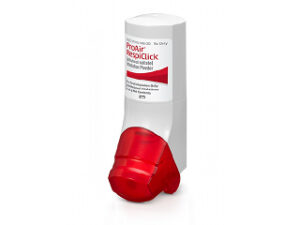
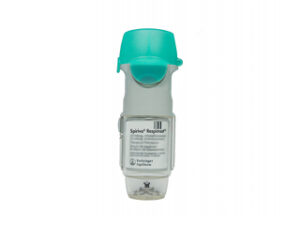
- Inhalers (metered dose inhalers, often with spacer)
- Nebuliser solutions (in some settings)
- Typical strengths: Depend on product and device (example: inhalers often contain 100 micrograms per actuation)
- Manufacturer brands: Multiple brands exist; your pharmacist can confirm the exact product you have
Always check the label on your specific product for the exact strength and dosing instructions. Different devices may deliver different amounts per puff or dose.
How salbutamol works (mechanism of action)
Salbutamol targets beta2 receptors in the smooth muscle of the airways. When inhaled, it helps to:
- Relax bronchial smooth muscle, which can rapidly widen the airways
- Reduce airway resistance and improve airflow
- Relieve symptoms such as wheeze, coughing, and shortness of breath
Salbutamol is designed for rapid symptom relief. It is not the same as anti-inflammatory controller medicines (such as inhaled corticosteroids), which treat ongoing airway inflammation.
Pharmacokinetics: what happens in the body
“Pharmacokinetics” describes how the medicine is absorbed, distributed, metabolised, and eliminated. With inhaled salbutamol, most of the effect comes from medicine deposited in the lungs, with some swallowed into the stomach depending on inhalation technique.
Absorption and distribution
- Inhaled dose: A portion reaches the lower airways (depending on device, technique, and whether a spacer is used). The remainder may deposit in the mouth/throat.
- Swallowed portion: Some of the medication from an inhaler can be swallowed and absorbed from the gastrointestinal tract.
Metabolism
- Salbutamol is mainly metabolised in the body, producing metabolites (commonly including inactive forms).
- If taken by mouth (for example, swallowed after inhaler use), metabolism still occurs through normal body pathways.
Elimination
- Most metabolites and a small amount of the unchanged drug are eliminated primarily through the kidneys.
- The medicine’s clinical effect tends to wear off within a few hours, which is why it is used “as needed.”
Individual response varies. If symptoms persist or worsen, it may indicate the need for a different treatment plan.
Typical use and when it helps
Salbutamol is used to relieve acute bronchospasm—the tightening of airways that makes breathing difficult. It is commonly used for flare-ups of conditions such as:
- Asthma (symptom relief during attacks or worsening symptoms)
- Chronic obstructive pulmonary disease (COPD) (relief of sudden breathlessness/wheeze)
- Bronchospasm due to other triggers (for example, exercise-induced symptoms, viral infections, or allergies)
Timing: how quickly it works
- Onset: Often within minutes after inhalation.
- Peak effect: Commonly occurs within about 30 minutes (varies by device and technique).
- Duration: Often around 4–6 hours for many people.
If you find you need salbutamol more often than usual, it can mean your underlying condition is not well controlled. In that case, speak with a healthcare professional to review your overall management plan.
Indications: what salbutamol is indicated for
Indications can vary by product type, but commonly include:
- Relief of symptoms of reversible airway obstruction, particularly in asthma and in COPD where reversible components are present.
- Prevention of bronchospasm triggered by exercise or known exposures (when specifically advised).
- Acute episodes of wheeze and breathlessness where rapid bronchodilation is needed.
Salbutamol is a reliever. If you have asthma, it should usually be used alongside a suitable controller medicine if symptoms are frequent or inflammation is ongoing.
Dosing: general guidance (follow your product label)
Dosing depends on your age, the form (inhaler vs nebuliser solution), and the severity of symptoms. Use only the dose and frequency recommended for your specific product and personal plan.
Common inhaler dosing patterns (general)
- Adults and adolescents: Often 1–2 puffs as needed for symptoms, with spacing between puffs as per product instructions.
- Children: Dose varies by age and product; use the paediatric directions on the label.
Exercise-induced bronchospasm
- Some people are advised to take salbutamol before exercise. Timing varies, but many plans use a dose shortly before activity to reduce symptoms.
Nebuliser dosing (general)
Nebuliser dosing is typically weight- or age-adjusted and product-specific, and should be guided by the directions provided for your nebuliser solution and treatment plan.
When to seek urgent help
If you are using salbutamol frequently and symptoms are not improving, or you have severe breathlessness, blue lips, inability to speak in full sentences, or you feel drowsy/confused, seek urgent medical attention.
Safety profile: common side effects and serious warnings
Like all medicines, salbutamol can cause side effects. Many are mild and related to its beta-adrenergic effects. Most people tolerate it well when used correctly for short-term symptom relief.
Common side effects
- Tremor (shaky hands)
- Palpitations (awareness of heartbeat)
- Headache
- Light-headedness
- Muscle cramps (in some people)
- Throat irritation or cough (more likely if inhalation technique is suboptimal)
Less common but important risks
- Low potassium (hypokalaemia): Higher doses can lower blood potassium, which may contribute to weakness or heart rhythm issues in susceptible individuals.
- Heart rhythm changes: Rarely, rapid or irregular heartbeats can occur.
- Worsening symptoms (paradoxical bronchospasm): Very rare; if wheeze worsens immediately after a dose, stop and seek advice.
- Allergic reactions: Seek urgent help if you develop swelling, rash, or difficulty breathing beyond your usual pattern.
Who should be extra cautious
- People with heart disease or significant arrhythmia history
- People with hyperthyroidism
- People prone to low potassium or using medicines that lower potassium
- People with diabetes (high doses may affect blood sugar in some individuals)
If you experience troubling palpitations, chest pain, severe tremor, or worsening breathing, stop use and seek urgent medical advice. For persistent symptoms, a reassessment of your asthma/COPD plan is important.
Practical use tips (inhaler technique that improves results)
Correct technique can make a significant difference—often more than changing the dose. If you use a metered dose inhaler, using a spacer is commonly recommended, especially for children, older adults, or anyone struggling with coordination.
General inhaler steps
- Shake the inhaler (if required by the device instructions).
- Exhale gently away from the mouth.
- Place the mouthpiece securely or seal lips around it.
- Start inhaling slowly, then press the canister to release the dose.
- Continue to breathe in slowly and deeply.
- Hold your breath for about 5–10 seconds (or as comfortably as possible).
- If a second puff is needed, wait the time specified on your label/device and repeat.
After using your inhaler
- If you also use an inhaled corticosteroid, rinse your mouth after steroid use (salbutamol alone is not typically associated with the same issue, but following clinic/pharmacy instructions is best).
- Keep track of your symptoms and how often you use your reliever.
Nebuliser tips (if applicable)
- Use the correct tubing and mask/mouthpiece for your device.
- Keep the medication in the container specified; avoid contamination.
- Ensure the nebuliser is functioning and cleaned as recommended.
Food interactions
Salbutamol inhaled therapy is generally not significantly affected by food. However, if part of your inhaler dose is swallowed, normal stomach and intestinal absorption can influence how much enters the bloodstream. In practice, most people do not need to change meal timing.
- Typical advice: Take your inhaled medicine as directed regardless of meals.
- Stomach upset: If you notice nausea or irritation after inhaler use, ensure you are using correct technique and consider a spacer.
Alcohol interactions
Alcohol is not known to have a direct “chemical” interaction with salbutamol in most people. However, alcohol can worsen breathlessness, sleep quality, and dehydration, which may indirectly affect asthma/COPD control.
- Practical guidance: Limit alcohol if it triggers or worsens your respiratory symptoms.
- Be cautious: If you feel more breathless, dizzy, or have palpitations after drinking alcohol, avoid further alcohol and seek advice if symptoms are severe.
Medicine interactions (important)
Interactions can depend on your personal medicines and health conditions. Below are the key interaction categories commonly considered with salbutamol. If you are unsure, ask your pharmacist to check your specific medication list.
Medicines that can affect heart rhythm or potassium
- Diuretics (water tablets): Can lower potassium; combined use with high-dose salbutamol may increase risk of low potassium.
- Other “sympathomimetic” medicines: May add to stimulant effects (e.g., jitteriness, palpitations).
Beta blockers
- Non-selective beta blockers (some blood pressure/heart medicines) can reduce bronchodilation effectiveness. If you use a beta blocker, it’s important to review with a healthcare professional.
Medicines that can increase heart rate
- Some drugs that speed the heart may increase the likelihood of palpitations or tachycardia when combined with salbutamol.
Diabetes medicines
- High doses of beta2 agonists may temporarily raise blood sugar in some people, potentially affecting insulin or other diabetes medicines.
Always review “as-needed” lists
Many people also use other inhalers, nasal sprays, or combination cold/flu products. Since some products contain stimulants or compounds affecting heart rate, it helps to have a pharmacist review your full list.
Recent guidance and staying up to date
Australian asthma and COPD management guidance emphasises:
- Assessing control regularly (including reliever use frequency).
- Using controller treatment when needed, particularly in asthma, rather than relying on reliever-only treatment.
- Checking inhaler technique and device fit (including spacer use).
- Recognising escalation signs early (e.g., increased reliever use, night symptoms, reduced exercise tolerance).
If your symptoms are worsening or you need salbutamol more than usual, it may indicate that your underlying airway inflammation is not adequately controlled. Consider discussing a review with your healthcare professional.
Delivery and availability in Australia
Salbutamol products are commonly available through Australian pharmacies and, through online pharmacies, may be delivered to your address. Availability can vary based on stock, product type, and device requirements.
- Delivery areas: Depends on the online pharmacy’s coverage and courier services.
- Stock status: Inhalers and nebuliser solutions can sell quickly during periods of high respiratory illness.
- Packaging: Keep the product in its original packaging to protect from heat and moisture.
When ordering online, confirm:
- the strength and form (inhaler vs nebuliser),
- the device type (and whether a spacer is compatible/appropriate),
- the expiry date, and
- how to store the medicine (as listed on the label).
Market and legal context for Australia (overview)
In Australia, medicines are regulated under the Australian health and medicines framework. Products containing salbutamol are subject to controls based on their formulation, strength, and intended use.
- Pharmacy supply: Many asthma and reliever medications are supplied through pharmacy channels.
- Product labelling: Australian labels typically include clear directions for use, warnings, and age-specific dosing.
- Safety monitoring: Pharmacists may ask screening questions to support safe use, particularly if you have heart problems, use other medicines, or have frequent reliever use.
Requirements can differ across product types and strength. Your pharmacist or the product label will provide the most accurate information for the specific salbutamol item you’re considering.
Alternative options (reliever and controller approaches)
If salbutamol isn’t suitable or you need different symptom control, there may be alternatives depending on your condition (asthma vs COPD), your age, and your medical history.
Other relievers (bronchodilators)
- Other short-acting bronchodilators: Some people may use different inhaled reliever medicines based on their clinician’s advice.
- Combination inhalers: In some situations, different reliever approaches may be appropriate.
Controller medicines (especially for asthma)
- Inhaled corticosteroids (ICS): Reduce inflammation and lower the risk of flare-ups.
- ICS/LABA combinations: For some people, combination controller treatment may improve symptom stability.
- Other add-on therapies: Depending on severity and specialist assessment, options may include other anti-inflammatory strategies.
Your best alternative depends on the reason you use salbutamol (how often you have symptoms, triggers, and response to current treatment). If symptoms are frequent, controller review is often more effective than increasing reliever use.
Practical use checklist (quick guide)
- Use salbutamol exactly as directed for symptoms or prevention plans.
- Consider using a spacer with an inhaler if recommended or if technique is difficult.
- Track: symptom frequency, night-time symptoms, and how many times you need your reliever.
- If your reliever use is increasing, seek a review—this can signal worsening control.
- If you experience severe side effects (chest pain, significant palpitations, severe dizziness), seek urgent medical advice.
FAQ: Frequently asked questions
1) Is salbutamol the same as albuterol?
Yes. Salbutamol is the generic name used internationally, and albuterol is the name commonly used in some countries (such as the United States). The medicine itself is the same active substance.
2) How many puffs can I take?
The safe number of puffs depends on your product, age, and your personal action plan. Check the dosing instructions on the label or your provided directions. If you find you need more than usual or it’s not helping, get medical advice promptly.
3) Why do I sometimes feel shaky after my inhaler?
Tremor is a common side effect of beta2 agonists. It can be more noticeable with higher doses. Correct inhaler technique and using the prescribed dose can help.
4) Does salbutamol treat the underlying cause of asthma?
Salbutamol mainly relieves symptoms by widening the airways quickly. It does not treat airway inflammation the way controller medicines (such as inhaled corticosteroids) do.
5) Can I use salbutamol every day?
Some people use reliever medicine occasionally, but daily reliance may indicate asthma or COPD is not optimally controlled. If you are needing salbutamol frequently, speak with a healthcare professional for a review of your overall treatment plan.
6) Does food affect salbutamol?
Food is not usually a major factor for inhaled salbutamol. If some medicine is swallowed, it still generally doesn’t require meal timing changes.
7) Can I drink alcohol while using salbutamol?
Alcohol does not have a known direct interaction in most cases, but it may worsen breathing symptoms or increase dizziness/palpitations. Use caution and seek advice if you notice worsening symptoms after drinking.
8) What should I do if my inhaler doesn’t work?
If your inhaler seems ineffective, it may be due to technique, an empty or malfunctioning device, incorrect diagnosis, or worsening airway inflammation. Check technique and spacer use if applicable, and seek medical advice if symptoms are persistent or severe.
9) What about using more salbutamol when symptoms worsen?
It’s appropriate to follow your action plan and reliever instructions for flare-ups. If you require rapidly increasing doses, or symptoms don’t improve, urgent medical assessment may be necessary.
10) Are there long-term risks with salbutamol?
Salbutamol is generally safe when used as a reliever as directed. The bigger concern is often not the medicine itself, but over-reliance that may indicate poorly controlled asthma/COPD.
Summary
Salbutamol (Albuterol) is a quick-acting reliever that helps open airways by relaxing bronchial smooth muscle. It works within minutes and is commonly used for asthma and COPD symptom relief and, in some cases, prevention of exercise-induced symptoms. Like all medicines, it has potential side effects—commonly tremor and palpitations—and it may interact with certain medicines that affect heart rhythm or potassium. Using correct inhaler technique (often with a spacer) improves results.
If you are using salbutamol more often than usual, waking at night with symptoms, or experiencing increasing breathlessness, consider seeking a review to ensure your underlying condition is well controlled.