Spiriva (Tiotropium Bromide) – Patient-Friendly Guide (Australia)
Spiriva contains tiotropium bromide, a medicine used to help manage chronic breathing problems such as COPD (chronic obstructive pulmonary disease) and asthma in certain patients. It belongs to a group of medicines called antimuscarinics (also known as anticholinergics). Spiriva works by relaxing the airways and making it easier to breathe.
This guide is designed to help you understand how Spiriva works, how it’s typically used, and what to watch for. It’s written for patients and carers in Australia, but individual treatment plans may differ.
Key Information at a Glance
- Active ingredient: Tiotropium bromide
- Medicine class: Long-acting antimuscarinic (LAMA)
- Common conditions treated: COPD; sometimes asthma in add-on therapy
- Typical dosing frequency: Usually once daily (depending on the device/brand form)
- Main benefit: Helps keep airways open and reduces breathlessness
- Not for immediate relief: Not intended to stop sudden breathlessness during an acute attack
What Is Spiriva?
Spiriva is an inhaled medicine delivered directly to the lungs using a specific inhaler device. Tiotropium bromide helps prevent airway tightening by blocking muscarinic receptors (particularly the M3 receptors) in airway smooth muscle.
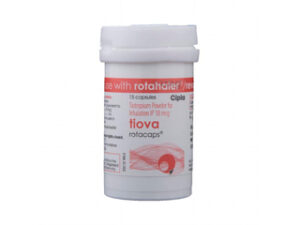
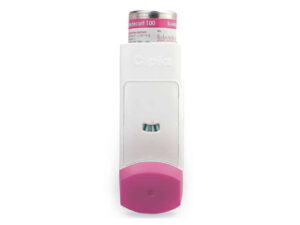
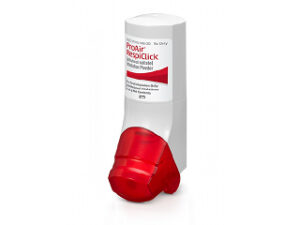
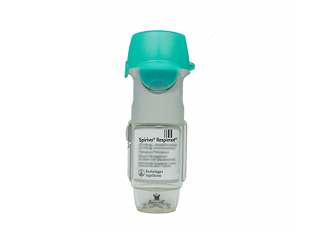
Important note: Spiriva comes in different inhaler types (for example, HandiHaler and Respimat are common device platforms). Your dosing instructions depend on the product and inhaler you have been prescribed.
How Spiriva Works (Mechanism of Action)
Airways in COPD and some asthma types can narrow due to muscle constriction and mucus. Tiotropium bromide blocks the effects of acetylcholine, a natural chemical that can cause airway narrowing.
- Muscarinic receptor blockade: Tiotropium is a long-acting antimuscarinic that reduces bronchoconstriction.
- Bronchodilation: By relaxing airway muscles, it improves airflow.
- Long duration of action: It binds to receptors and stays active for many hours, supporting once-daily use.
This action helps improve breathing, reduce symptoms, and in COPD may reduce the risk of some exacerbations (flare-ups), depending on the overall treatment plan.
Pharmacokinetics (How the Body Processes Tiotropium)
Pharmacokinetics describes how the body absorbs, distributes, metabolises, and eliminates a drug.
- Absorption: Tiotropium is inhaled; the medicine reaches the lungs and some portion may enter the bloodstream.
- Distribution: It distributes mainly into tissues, with clinically relevant binding to muscarinic receptors in the airways.
- Metabolism: Tiotropium is not extensively metabolised; a large fraction is eliminated largely unchanged.
- Elimination: The medicine is primarily excreted via the kidneys.
Kidney function matters: Because tiotropium is mainly cleared by the kidneys, people with reduced kidney function may require careful monitoring and dose/device appropriateness based on their clinician’s advice.
Typical Use in Australia
1) COPD (Chronic Obstructive Pulmonary Disease)
Spiriva is widely used as a maintenance treatment for COPD. It helps improve lung function and symptoms over time.
2) Asthma (Selected patients, add-on therapy)
In some asthma patients, tiotropium may be used alongside other inhalers to help control symptoms. Whether it’s appropriate for you depends on asthma severity and your current regimen.
Not for sudden relief: Spiriva is a long-acting controller. It is not intended to relieve sudden episodes of wheeze/breathlessness. Your plan should include a separate rescue medicine (commonly a short-acting reliever) for flare-ups.
Indications (When Spiriva Is Used)
In Australia, tiotropium inhalers are indicated for:
- COPD: Maintenance treatment to improve airflow and symptoms.
- Asthma: As an add-on option in appropriate patients where treatment goals are not fully met with standard therapies.
Always follow the indication and treatment plan provided with your specific product and device.
Dosing and Timing
Common dosing approach: Spiriva is usually taken . The exact dose strength and inhalation technique depend on the product type (e.g., Respimat vs HandiHaler).
General timing tips:
- Same time each day can help you remember.
- If you miss a dose, take it when you remember if it is not close to the next scheduled dose.
- Do not double up to compensate—check your product instructions or ask your pharmacist for specific advice.
Inhalation technique is critical: Even the right medicine won’t work well if it’s inhaled incorrectly. Read your inhaler’s instructions carefully and consider asking a pharmacist or nurse to observe your technique.
How to Use Spiriva in Practice (Practical Tips)
The correct steps depend on the device you have. Below are general, patient-friendly reminders. For exact step-by-step instructions, refer to the consumer medicine information included with your product.
- Prepare: Keep your inhaler clean and dry. Prepare the device as directed.
- Breathe out fully: Before inhaling the dose, breathe out away from the mouthpiece.
- Seal your lips: Form a good seal around the mouthpiece.
- Inhale firmly and steadily: This helps deliver medicine into the lungs.
- Hold your breath: Hold for as long as comfortable to allow deposition in the airways.
- Exhale slowly afterwards.
After use: If your device instructions or your overall treatment plan require it, rinse your mouth after inhaled steroids. Spiriva itself typically does not require mouth rinsing, but combining inhalers may.
Check your technique regularly: Many treatment failures are due to poor inhaler technique or inconsistent use.
Food Interactions
Food interactions: Because Spiriva is inhaled and acts locally in the lungs, significant food–drug interactions are not generally expected. You can usually take Spiriva with or without food.
Practical note: If you experience nausea or discomfort after inhaling, it may help to take Spiriva when you are not immediately after a heavy meal. Discuss any persistent issues with your healthcare professional.
Alcohol Interactions
Alcohol: There are no well-established direct alcohol–tiotropium interactions. However, alcohol can worsen breathing for some people (for example by affecting sleep, dehydration, or medication routines).
Guidance: If you choose to drink alcohol, keep within your clinician’s advice and monitor for increased breathlessness or dizziness.
Medicine Interactions (Other Medicines)
Always tell your pharmacist or doctor about all medicines you use, including medicines bought over the counter and herbal products.
Key interaction considerations:
- Other anticholinergic medicines: Using multiple anticholinergic agents may increase the chance of anticholinergic side effects (such as dry mouth, constipation, or urinary retention). Examples can include some medicines for overactive bladder or certain antihistamines.
- Asthma/COPD combination therapy: Spiriva is often used alongside inhaled corticosteroids and/or long-acting beta agonists (LABAs). These combinations are common and can be appropriate, but the overall regimen should be reviewed.
- Medicines affecting the kidneys: Since tiotropium is mainly cleared by the kidneys, severe kidney impairment and other kidney-impacting therapies may require monitoring.
If you start, stop, or change any medicine, ask your pharmacist whether any new interactions are relevant to your situation.
Safety Profile: What to Expect and What to Watch For
Like all medicines, Spiriva can cause side effects. Many people tolerate it well, especially when used correctly.
Common side effects
- Dry mouth
- Throat irritation or mild cough
- Constipation or changes in bowel habit
- Headache
- Dizziness (less commonly)
Less common but important effects
- Urinary retention (difficulty passing urine), especially in people with prostate enlargement or bladder outflow obstruction
- Worsening glaucoma symptoms in susceptible individuals if medicine accidentally gets into the eyes
- Allergic reactions such as rash, swelling, or breathing difficulty (seek urgent help if severe)
Seek urgent medical help if you experience
- Severe allergic symptoms (swelling of face/lips, wheezing, trouble breathing)
- Eye pain, blurred vision, halos around lights (possible acute angle-closure glaucoma)
- Sudden worsening of breathlessness not relieved by your reliever medicine
Eye safety: Inhaled medicines can sometimes accidentally get into the eyes. Protect your eyes during inhalation and seek medical advice if eye symptoms occur.
Warnings and Precautions
- Not for acute attacks: Spiriva is a maintenance therapy. Use your reliever for sudden symptoms.
- Kidney impairment: Because tiotropium is cleared by the kidneys, your clinician may monitor you more closely or ensure the product/device is appropriate.
- Urinary problems: Use caution if you have difficulty urinating, enlarged prostate, or bladder blockage risk.
- Glaucoma: Inform your clinician if you have glaucoma (especially narrow-angle glaucoma).
- Inhaler technique: Poor technique may increase side effects like throat irritation and reduce effectiveness.
When Spiriva May Not Suit Everyone
Spiriva may not be appropriate for some people. Examples include:
- History of hypersensitivity to tiotropium or ingredients in the product
- Certain eye or urinary conditions that require special caution (your clinician will assess risk)
If you have complex medical conditions, it’s especially important to discuss the choice of device and treatment plan.
How to Get the Best Results
Consistency matters
Spiriva works as a daily controller. Even if you feel well, continuing as directed can help maintain symptom control.
Use the right device correctly
- Check the inhaler type you have.
- Practice with the first doses if needed.
- Have your technique reviewed periodically.
Track symptom changes
Consider keeping a simple diary of:
- Breathlessness (how often and how severe)
- How often you use your reliever
- Any side effects
Bring this information to follow-up appointments to help optimise treatment.
Missed Dose Guidance
If you miss a dose, follow the general approach below:
- Take it as soon as you remember unless it is close to the time of your next dose.
- Do not double the dose to make up for the missed one.
Because inhaler types may have different instructions, check the specific consumer information for your product or ask your pharmacist for personalised advice.
Alternative Options (Other Treatments for COPD/Asthma)
Depending on your diagnosis, severity, and response to therapy, your clinician may consider alternatives. These can include:
Other long-acting bronchodilators
- Other LAMAs: Long-acting antimuscarinics similar in purpose
- LABAs: Long-acting beta agonists
- LAMA/LABA combinations: Using two bronchodilators together in one inhaler
Anti-inflammatory therapies
- Inhaled corticosteroids (ICS): Particularly relevant in asthma and in selected COPD patients at higher risk of exacerbations
- ICS/LABA combinations and other add-on approaches
In severe COPD or specific asthma phenotypes, additional medicines may be considered. Your clinician can help choose the most suitable option based on your symptoms, lung function, exacerbation history, and side-effect profile.
Market and Legal Context in Australia
In Australia, medicines are regulated through the Therapeutic Goods Administration (TGA). Information provided on labels and consumer medicine resources helps ensure safe use.
Availability of Spiriva may vary by:
- the specific inhaler product and strength
- stock levels and supply arrangements
- changes in prescribing and reimbursement practices
Always purchase medicines from reputable Australian suppliers and check that your product packaging matches the intended inhaler type and strength.
Recent Guidance and Ongoing Monitoring
Clinical guidance for COPD and asthma treatment evolves over time based on new evidence. In recent years, emphasis has continued on:
- Choosing appropriate inhaler therapy based on symptoms and exacerbation risk
- Improving inhaler technique to maximise benefits
- Regular review of symptoms and medicine effectiveness
- Optimising combination therapy when monotherapy is insufficient
If your symptoms are not controlled, or if you’re experiencing frequent flare-ups, it’s important to review your whole regimen with a healthcare professional rather than adjusting doses yourself.
Delivery, Availability, and Packaging (Online Pharmacy)
Spiriva may be supplied in multiple pack configurations depending on the inhaler type. When ordering online:
- Confirm the exact product name and device (for example, Respimat vs HandiHaler) to match your current treatment plan.
- Check the quantity and expiry date shown on the packaging.
- Keep medicines in a cool, dry place and follow storage instructions on the label.
Typical delivery: Delivery times vary by location and courier arrangements. Your order confirmation should provide estimated dispatch and delivery timeframes.
Storage & care: Inhalers should be stored as directed. Do not expose to excessive heat or moisture.
Frequently Asked Questions (FAQ)
Is Spiriva the same for everyone?
No. Spiriva is available in different inhaler devices and strengths. Your correct dose and technique depend on the specific Spiriva product you have.
How long does Spiriva take to work?
Some people notice improved breathing soon after starting, but controller medicines are intended for ongoing daily use. The full benefit may build over days to weeks, depending on the condition and severity.
Can Spiriva be used during an asthma attack or sudden breathlessness?
Spiriva is a long-acting controller and is not intended for sudden relief. Use your prescribed reliever medicine for acute symptoms and seek medical care if symptoms worsen or don’t improve.
What should I do if I get dry mouth?
Dry mouth is a common antimuscarinic effect. Sip water, maintain good oral hygiene, and discuss persistent or severe dryness with your pharmacist or clinician. If you also develop urinary difficulties, constipation that becomes severe, or other concerning symptoms, seek medical advice.
Can I take Spiriva with other inhalers?
Many patients use Spiriva alongside other inhalers such as inhaled corticosteroids and/or LABAs. Combination regimens are common, but it’s important to ensure your full plan is coordinated and that each device is used correctly.
Does food affect Spiriva?
Significant food interactions are generally not expected because Spiriva is inhaled. You can usually take it with or without food.
Can I drink alcohol while using Spiriva?
There are no widely recognised direct interactions. However, alcohol can worsen breathing for some people and may affect how well you manage symptoms. Use moderation and follow personalised medical advice.
What if I accidentally get the medicine in my eyes?
If your eyes feel painful or you notice blurred vision or halos around lights, seek urgent medical advice. Eye symptoms after inhalation may indicate glaucoma-related concerns.
Who should be extra careful with Spiriva?
People with kidney impairment, glaucoma, urinary retention, or prostate/bladder outlet issues should be monitored closely. Inform your pharmacist or clinician about your history before starting or continuing treatment.
Are there alternatives if Spiriva doesn’t suit me?
Yes. Alternatives may include other LAMAs, LABAs, combination inhalers, or different anti-inflammatory strategies depending on whether you have COPD or asthma and your response to treatment. Your clinician can help tailor the safest option.
Summary
Spiriva (tiotropium bromide) is a long-acting inhaled antimuscarinic used as a maintenance treatment to help manage COPD and, for some patients, asthma. It works by blocking muscarinic receptors to relax airway muscles, improving airflow and reducing symptoms over time.
To get the best results, use it once daily (or as directed for your specific product), maintain correct inhaler technique, and keep your overall COPD/asthma plan updated. If you experience side effects such as dry mouth or throat irritation, they are usually manageable—but seek prompt advice if you notice severe allergic symptoms, eye pain/vision changes, or significant urinary difficulties.
For personalised guidance, speak with a pharmacist or healthcare professional—especially if you have kidney disease, glaucoma, urinary symptoms, or you are taking other medications.