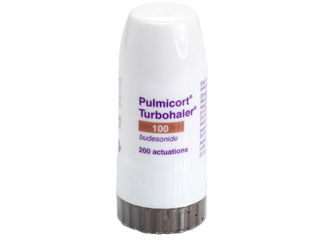
Pulmicort (Budesonide) — Patient Information (Australia)
Pulmicort is a medicine that contains budesonide, a corticosteroid (a steroid medicine) used to reduce inflammation in the airways. It is commonly prescribed for conditions such as asthma and croup, and it can also be used for some non-infectious breathing problems where airway inflammation is the main issue.
This guide is written to be easy to understand. It explains what Pulmicort does, how it works in the body, how to use it properly, and what to expect. It also includes practical safety information and frequently asked questions for customers in Australia.
1. Basic product information
- Active ingredient: Budesonide
- Brand name: Pulmicort
- Medicine type: Inhaled corticosteroid (commonly as inhaler or nebuliser suspension/solution depending on the product)
- Therapeutic class: Anti-inflammatory (steroid) for airway diseases
- What it targets: Inflammation in the airways
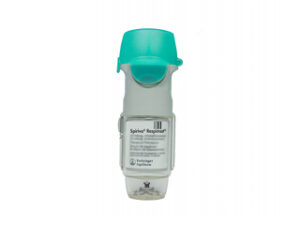
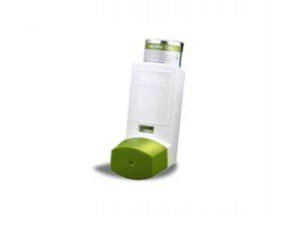
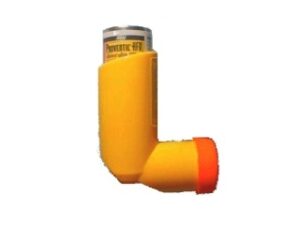
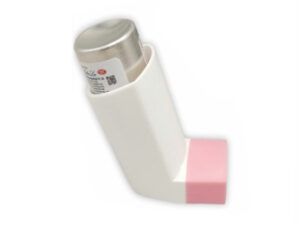
Pulmicort products may come in different forms (for example, inhalers or nebuliser solutions/suspensions). The exact strength and dosing schedule can vary by product and age group, so always follow the specific instructions supplied with your particular pack.
2. How Pulmicort works (mechanism of action)
Budesonide belongs to the class of medicines known as corticosteroids. In the airways, it helps to:
- Reduce inflammatory chemicals and swelling
- Decrease airway hyper-responsiveness (the tendency for airways to tighten more easily)
- Improve control of symptoms such as wheeze, breathlessness, chest tightness, and coughing
- Lower the risk of flare-ups when used regularly as advised
Unlike “rescue” inhalers (often bronchodilators), Pulmicort primarily treats the underlying inflammation. This means it is not usually intended for rapid relief of sudden breathing difficulties; instead, it helps prevent symptoms from returning.
3. Pharmacokinetics (how the medicine moves through the body)
Pharmacokinetics describes what the body does to the medicine. Key points for budesonide include:
- Absorption: After inhalation, budesonide is deposited in the lungs. A portion may be swallowed and absorbed through the gut.
- Distribution: Budesonide acts mainly in the airways, where it exerts its anti-inflammatory effect.
- Metabolism: Budesonide is extensively metabolised in the liver, mainly by the CYP3A4 enzyme.
- Elimination: Metabolites are largely cleared by the kidneys.
In practical terms, this metabolism means drug interactions can occur with medicines that strongly affect CYP3A4 (more on this below).
4. Typical uses in Australia
Pulmicort/budesonide is used to treat inflammatory breathing conditions. Common reasons include:
- Asthma: To control symptoms and reduce the frequency of flare-ups (as part of a regular treatment plan).
- Croup (laryngotracheobronchitis): In some settings, budesonide nebulised therapy may be used to reduce airway swelling.
- Other inflammatory airway conditions as determined by a clinician based on individual assessment and available formulations.
The exact suitability depends on age, diagnosis, and the specific product form (inhaler vs nebuliser).
5. Indications (when Pulmicort is used)
Indications describe the approved or commonly recognised conditions for a medicine’s use. For budesonide-containing products, indications in respiratory care typically include:
- Asthma (maintenance/control therapy): Helps reduce airway inflammation over time.
- Croup (in certain cases): Helps reduce upper airway swelling and improve breathing.
- Other non-infectious airway inflammation: Use varies by local product approval and clinical judgement.
Always check the package information and your product label for the specific indication for your exact formulation.
6. Timing: when to take Pulmicort and how soon it works
Pulmicort is intended for regular use to control airway inflammation. Timing depends on your prescribed regimen and the form of Pulmicort you use.
How quickly will it work?
- Some improvement may be noticed within days.
- Full benefits often take longer (commonly 1–2 weeks), especially for prevention of flare-ups.
Typical schedule tips
- Take it at the same times each day to maintain consistent levels.
- If you are on morning and evening dosing, try to keep gaps similar each day.
- Do not stop suddenly without advice, especially if you are using it to maintain asthma control.
If you are unsure about when to start, whether to use it during an exacerbation, or how to adjust dosing, review the product instructions and your asthma action plan.
7. Dosing: important guidance for customers
Budesonide dosing must be tailored to the person, the condition being treated, and the specific product strength. This section offers general educational guidance only—always follow the dosing instructions on your pack and the direction provided with your treatment plan.
General dosing principles
- Lowest effective dose: Many patients use the lowest dose that maintains control.
- Age and severity matter: Children and adults usually require different dosing ranges.
- Form matters: Nebuliser suspensions/solutions and inhalers cannot be assumed to be equivalent milligram-for-milligram.
- Not for sudden relief: If symptoms come on suddenly, you may need a different “reliever” medicine as part of an asthma plan.
Missed dose
- Take it as soon as you remember if it’s close to the scheduled time.
- If it’s almost time for the next dose, skip the missed dose and continue as normal.
- Do not double up.
8. Food interactions: can you take Pulmicort with meals?
For most people using inhaled budesonide, food interactions are not a major concern because the medicine is delivered mainly to the airways. However, some inhaled doses may be swallowed, and the general approach is:
- With or without food: Typically acceptable.
- Reduce mouth irritation: Rinse your mouth and spit after use (especially after inhaled forms). This helps prevent local side effects such as oral thrush.
If you have specific dietary needs or take multiple medicines, check the product leaflet for any special advice for your formulation.
9. Alcohol and medicine interactions
Alcohol
There is no universal “hard rule” that alcohol must be avoided with budesonide. However:
- Moderation is sensible, especially if alcohol triggers reflux, breathlessness, or asthma symptoms for you.
- Alcohol may worsen sleep and overall respiratory health in some people, potentially affecting symptom control.
Interactions with other medicines
Budesonide is metabolised in the liver (primarily via CYP3A4). Medicines that strongly inhibit or induce CYP3A4 can change budesonide levels.
- CYP3A4 inhibitors (can increase budesonide exposure): examples may include some antifungals and antibiotics.
- CYP3A4 inducers (can reduce budesonide exposure): examples include certain anti-seizure medicines and some herbal products.
Not all interactions will apply to every patient. If you take any regular medicines—including tablets for infections, antifungals, epilepsy, or HIV therapy—check interaction information with your pharmacist or prescriber.
Other relevant medicines
- Reliever inhalers: Pulmicort is a controller/anti-inflammatory medicine; relievers typically act differently. Many patients use both as part of an asthma plan.
- Other steroid medicines: Avoid duplication unless specifically directed. Using multiple steroid sources can increase side-effect risk.
- Systemic steroid use: If you also take oral steroids occasionally, your overall steroid exposure may be higher.
10. Safety profile: what to watch for
Like all medicines, budesonide can cause side effects. Most people tolerate inhaled corticosteroids well when used at the correct dose. Common effects are typically local (in the mouth/throat) rather than systemic.
Common side effects
- Hoarseness/voice changes
- Sore throat or throat irritation
- Oral thrush (fungal infection in the mouth), particularly if you don’t rinse after use
- Cough after inhalation in some patients
Less common but important effects
- Reduced growth velocity in children (may occur with long-term use of inhaled corticosteroids; growth should be monitored).
- Adrenal suppression (rare at typical inhaled doses, but risk can increase with higher doses and prolonged use).
- Systemic steroid effects (such as skin thinning, bruising, or bone effects) are uncommon with appropriate dosing, but become more likely with higher doses or multiple steroid sources.
When to seek urgent help
Seek urgent medical care if you experience signs of a serious allergic reaction or severe breathing problems.
- Swelling of face/lips/tongue, hives, difficulty breathing
- Severe wheezing or breathlessness not responding to your usual reliever medicine
Practical tips to reduce side effects
- Rinse and spit after inhaled doses (unless your specific product instructions say otherwise).
- Use a spacer if recommended for your inhaler type (often improves delivery and reduces throat deposition).
- Use correct technique to ensure the medicine reaches the lungs.
11. Practical use tips (how to use Pulmicort correctly)
Correct inhalation technique is crucial for effectiveness and to reduce local side effects. Technique differs depending on the product type.
General steps that apply to many inhaled forms
- Check the product (strength, form, expiry date, and dose counter if applicable).
- Prepare your device as instructed (priming, shaking, or connecting tubing depending on product).
- Breathe out gently away from the device before inhaling.
- Inhale at the right speed and timing for the device.
- Hold your breath briefly if advised, allowing particles to deposit in the airways.
- Rinse mouth and spit after each dose (inhalers, especially).
If using a nebuliser
- Use only the correct budesonide nebuliser preparation.
- Assemble and clean the nebuliser according to manufacturer instructions.
- Keep the nebuliser parts clean and dry between uses to reduce infection risk.
Cleaning and hygiene
Poor device hygiene can contribute to infections or reduce performance. Follow the cleaning schedule in the patient guide for your specific device.
12. Alternative options (if Pulmicort is not suitable)
Treatment plans for asthma and other inflammatory airway conditions may include different medicine categories. Alternatives may be considered based on symptoms, severity, age, device preference, and side-effect tolerance.
Common alternatives for asthma control
- Other inhaled corticosteroids (different active ingredients, similar anti-inflammatory action)
- Combination inhalers that include an inhaled corticosteroid plus a long-acting bronchodilator
- Non-steroid controller options in selected patients (depending on diagnosis and guideline recommendations)
What to consider when switching
- Compare the dose strength and the device type (equivalence is not always straightforward).
- Ensure a step-up/step-down plan for asthma control if changing medicines.
- Monitor symptom control after the switch and follow an action plan.
Discuss changes with a pharmacist or clinician to choose the safest and most effective option for you.
13. Market and legal context in Australia
In Australia, medicines are regulated under the Therapeutic Goods Administration (TGA). Access to medicines may vary by:
- Whether the product is listed as prescription or non-prescription depending on formulation and strength
- Age restrictions or device requirements
- Safety monitoring requirements for certain medicines
Pulmicort/budesonide products are commonly available through Australian pharmacies and may be supplied under different arrangements depending on the exact product and packaging. Customers should check the listing on the product page and any accompanying information for purchasing eligibility and delivery details.
Recent guidance (high-level)
Asthma management in Australia is often aligned with contemporary evidence-based guidance, which emphasises:
- Using inhaled corticosteroids as the foundation of controller therapy
- Adherence and correct inhaler technique as key to good outcomes
- Personalised stepwise treatment (adjusting dose based on control)
For croup, clinical practice guidelines generally focus on reducing airway swelling and monitoring severity. Follow local clinician advice for the right treatment pathway.
14. Delivery and availability (online pharmacy)
Availability of Pulmicort products can vary by formulation and strength (inhaler vs nebuliser). When ordering online, you may see options such as:
- Different brand packs and strengths
- Different device compatibility (if applicable)
- Different pack sizes
For delivery in Australia, standard processes typically include:
- Shipping to your location within Australia
- Secure packaging
- Delivery timeframes depending on courier service and region
Always review the product page for: strength, dosage form, pack size, and any storage instructions.
15. Storage instructions
- Store at the recommended temperature on the pack.
- Keep out of reach of children.
- Check expiry date before use.
- Do not use if the pack is damaged or beyond expiry.
16. FAQ about Pulmicort (Budesonide)
1) Is Pulmicort the same as a “reliever” inhaler?
No. Pulmicort (budesonide) is an anti-inflammatory controller. Reliever medicines (often bronchodilators) work differently and are used for fast symptom relief as part of an asthma plan.
2) How long does it take for Pulmicort to work?
Some improvement may occur within a few days, but full benefit often takes about 1–2 weeks with regular use, depending on your condition and dose.
3) Can I stop Pulmicort once I feel better?
Do not stop suddenly unless advised. Many people need regular controller treatment to keep symptoms and flare-ups under control. Your clinician may adjust the dose based on your progress.
4) What should I do if I get thrush or hoarseness?
Oral thrush and hoarseness can happen. Rinsing and spitting after use can help prevent these effects. If symptoms occur, speak with a pharmacist or clinician for advice and possible treatment.
5) Do I need to avoid food or drinks?
Food interactions are usually not a major issue for inhaled budesonide. However, rinsing your mouth after inhalation is important. There is no absolute need to avoid alcohol, but moderation is recommended.
6) Can I use Pulmicort with other medicines?
Many people use budesonide with other asthma medicines. However, drug interactions can occur, especially with medicines that affect liver enzymes (such as CYP3A4). Tell your pharmacist about all medicines you take.
7) Is Pulmicort safe for children?
Inhaled budesonide is used in children for asthma and related conditions. Growth should be monitored with long-term therapy. Use in children should always follow the specific dosing guidance for age and formulation.
8) What if I miss a dose?
Take it when you remember if it’s close to the scheduled time. If it’s nearly time for the next dose, skip the missed dose. Do not double.
9) How should I clean my nebuliser/inhaler devices?
Cleaning instructions depend on the device. Follow the manufacturer’s directions and keep components hygienic to reduce the risk of infection and to ensure correct delivery.
10) When should I seek urgent care?
Seek urgent help if you have severe breathing trouble, signs of allergy (such as swelling of the face/lips/tongue), or wheezing that does not improve with your usual reliever medicine.
17. Quick reference table (at-a-glance)
| Topic | What to know about Pulmicort (Budesonide) |
|---|---|
| What it does | Reduces inflammation in the airways to improve asthma/croup-related breathing symptoms over time. |
| When it works | May start helping within days; full benefit often takes 1–2 weeks of regular use. |
| How to use | Use correct technique for your inhaler/nebuliser. Rinse and spit after inhaled doses. |
| Food interactions | Usually minimal. Rinsing after inhalation is recommended to reduce throat/mouth side effects. |
| Alcohol | No absolute prohibition, but moderation is sensible and alcohol may worsen symptoms for some people. |
| Medicine interactions | Budesonide is metabolised by CYP3A4; some medicines can increase or decrease its effect. |
| Common side effects | Hoarseness, sore throat, oral thrush. Good mouth rinsing and technique help reduce risk. |
| Important precautions | Children: monitor growth. Use the lowest effective dose and avoid duplicating steroid products. |
| Who it’s for | People with airway inflammation conditions such as asthma; sometimes croup in appropriate formulations. |
Reminder: If your breathing worsens quickly, you develop severe side effects, or you have concerns about how to use your specific Pulmicort product, contact a pharmacist or healthcare professional. Proper device technique and consistent use are often the biggest factors in achieving good control.