Seroflo Inhaler (Fluticasone + Salmeterol) — Patient Information (Australia)
Seroflo Inhaler contains two medicines: fluticasone and salmeterol. It is used to help control long-term breathing conditions such as asthma and chronic obstructive pulmonary disease (COPD) in appropriate people. Seroflo works by reducing airway inflammation and keeping airways open to improve breathing and reduce flare-ups.
This page explains how Seroflo works, when it is typically used, how to use it correctly, common safety considerations, and practical tips. If you have any questions, talk to your doctor or pharmacist.
Quick Facts
- Brand/Medicine: Seroflo Inhaler
- Active ingredients: Fluticasone (inhaled corticosteroid) + Salmeterol (long-acting beta2-agonist)
- Type: Preventer/controller inhaler (maintenance therapy)
- Common uses: Asthma; COPD (depending on product and prescriber direction)
- How it helps: Reduces inflammation + relaxes airway muscles for long-lasting bronchodilation
Basic Product Information
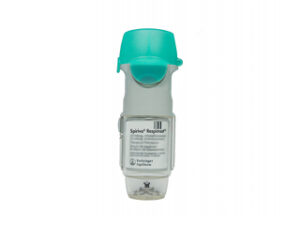
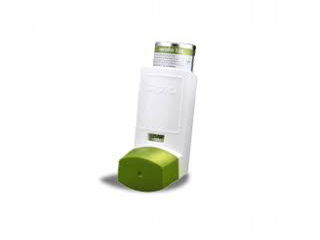
What Seroflo is: A metered-dose inhaler (MDI) that delivers medicine directly into the lungs.
Seroflo contains:
- Fluticasone: an inhaled corticosteroid that lowers inflammation in the airways.
- Salmeterol: a long-acting bronchodilator that relaxes airway smooth muscle (a long-acting beta2-agonist, or LABA).
Important note: In many asthma action plans, inhalers containing LABAs (like salmeterol) are used as part of ongoing control therapy and should not replace your fast-acting reliever (often a short-acting bronchodilator) during an acute attack.
Mechanism of Action (How It Works)
Fluticasone: reducing airway inflammation
Fluticasone is an inhaled corticosteroid. Once delivered to the airways, it helps:
- Decrease inflammatory cell activity
- Reduce swelling and mucus production
- Lower airway hyper-responsiveness
Salmeterol: keeping airways open
Salmeterol stimulates beta2 receptors in bronchial smooth muscle. This causes relaxation of the airway muscles and improves airflow. Because it is “long-acting,” the effect can last for around 12 hours in many people when used as directed.
Together, the two medicines help control symptoms, reduce flare-ups, and improve lung function over time.
Pharmacokinetics (Absorption, Distribution, Metabolism, Excretion)
Understanding how the body handles inhaled medicines can help you appreciate why technique matters and why regular use is important.
Absorption
- Inhaled delivery: A portion of the dose reaches the lungs; some may deposit in the mouth/throat and be swallowed.
- Lung absorption: Medicine absorbed through lung tissue acts locally in the airways and systemically to a lesser extent.
Distribution
- Both components may enter the bloodstream in small amounts after inhalation.
- Because the medicines are designed for inhaled use, most benefit is achieved in the lungs.
Metabolism
- Fluticasone is primarily metabolised in the liver (notably via CYP3A4 pathways).
- Salmeterol is also metabolised mainly by liver enzymes.
Excretion
- Metabolites are eliminated mainly through bile and/or faeces (with some renal contribution depending on the metabolite).
Clinical implication: Drug interactions that affect CYP3A4 can increase systemic exposure and the risk of side effects. This is especially relevant for potent enzyme inhibitors (see “Alcohol and medicine interactions”).
Typical Use (What Seroflo Is Used For)
Seroflo is commonly used as long-term control therapy for airway disease. The exact indication depends on the formulation and the individual’s condition.
Asthma
- To help control persistent asthma symptoms
- To reduce the risk of asthma flare-ups when an inhaled corticosteroid plus a long-acting bronchodilator is appropriate
COPD
- For some people with COPD (particularly where an inhaled steroid + LABA combination is recommended)
- To improve symptoms and reduce exacerbations when clinically indicated
Your doctor may also advise additional inhalers depending on your symptoms (for example, a reliever inhaler for quick symptom relief).
When and How to Take It (Timing and Dosing)
Seroflo is generally used regularly, even when you feel well, to maintain control. Do not stop suddenly without advice, especially in asthma.
Typical dosing schedule
Many Seroflo regimens are two times daily (morning and evening), approximately 12 hours apart. Always follow the dosing instructions provided for your specific product strength and your personal asthma/COPD plan.
On the day you start
- Use at the times you’ve been instructed.
- If symptoms improve after starting, continue the medicine as directed to maintain control.
- Some benefits (especially symptom relief) may be noticed sooner, but full effects on inflammation may take longer.
If you miss a dose
- Use it when you remember if it is not too close to the next dose.
- If it’s almost time for the next dose, skip the missed dose and continue with your usual schedule.
- Do not take extra puffs to make up for a missed dose unless your clinician advises this.
Dosing strength considerations
Seroflo is available in different strengths (fluticasone/salmeterol). The dose you receive should match your clinical needs. Higher strengths can increase the risk of steroid-related side effects, so use the lowest effective dose for control when appropriate.
Food Interactions
Seroflo is inhaled, and food usually has little direct impact on how it works. However, good inhaler technique is essential regardless of meals.
- No common specific food restrictions are required for Seroflo.
- If you find reflux or nausea worsens after inhaler use, speak to your pharmacist or doctor for individual advice.
Alcohol and Medicine Interactions
Alcohol
Moderate alcohol intake is not typically known to directly interact with Seroflo. However, alcohol can worsen breathing in some people (for example, by increasing airway irritation or affecting sleep), which may indirectly affect asthma or COPD control. If alcohol triggers symptoms, reduce or avoid it.
Medicine interactions (important)
Some medicines can affect the way fluticasone and salmeterol are metabolised, or can increase side effects. Tell your doctor/pharmacist about all medicines you take, including over-the-counter products and herbal medicines.
Key interaction categories
- Strong CYP3A4 inhibitors (may increase fluticasone levels): examples can include certain antifungals and some antibiotics (for example, ketoconazole/itraconazole, and some macrolides). This can raise the risk of systemic corticosteroid effects.
- Other beta-agonist medicines: combining multiple long-acting or fast-acting bronchodilators may increase beta-agonist side effects (e.g., tremor or palpitations).
- Beta-blockers (including some eye drops): can reduce the effect of salmeterol and may worsen breathing in some asthma patients. Cardioselective beta-blockers may be used in certain circumstances under medical supervision.
- Diuretics (“water tablets”) and medicines that affect potassium: if you use a diuretic, there may be a greater risk of low potassium (more relevant with higher beta-agonist effect).
- Other inhaled steroids or LABAs: avoid unintended double-dosing by checking that you’re not using two similar “controller” inhalers at the same time unless instructed.
Signs of needing urgent medical review
Seek urgent advice if you experience severe worsening breathlessness, chest tightness that doesn’t improve with your reliever, or symptoms of serious allergic reaction (swelling of face/lips, hives, trouble breathing).
Safety Profile (Common and Serious Side Effects)
Like all medicines, Seroflo may cause side effects. Many are manageable and can be reduced by using correct inhaler technique and rinsing your mouth after doses.
Common side effects
- Throat irritation or hoarseness
- Oral thrush (white patches in mouth) — risk is reduced by rinsing/gargling after use
- Headache
- Muscle cramps or mild tremor (more related to the bronchodilator component)
- Palpitations (awareness of heartbeat), especially soon after dosing
Less common but important risks
- Systemic corticosteroid effects (from fluticasone), especially at higher doses or with long-term use: possible effects include reduced bone density, cataracts, glaucoma, growth effects in children, or adrenal suppression (rare but important).
- Infections (inhaled steroids may slightly increase risk of some infections such as thrush).
- Electrolyte changes: low potassium can occur rarely, especially with additional medications that lower potassium.
- Worsening breathing in rare cases due to poor inhaler technique or incorrect use.
When to seek help urgently
- Severe asthma/COPD symptoms that are rapidly worsening
- Chest pain, fainting, or severe palpitations
- Swelling of face/lips, hives, or trouble breathing (possible allergic reaction)
- Signs of thrush that don’t improve or spread
Practical Use Tips (How to Get the Best Results)
Rinse and spit (very important)
After each dose, rinse your mouth and gargle with water and then spit it out. This reduces the chance of thrush and throat irritation.
Use correct inhaler technique
Technique affects how much medicine reaches your lungs. If you are unsure, ask a pharmacist to check your technique. Inhalers should be used exactly as instructed on your product label and by your healthcare professional.
- Shake the inhaler (if required for your specific Seroflo device).
- Exhale gently away from the mouthpiece.
- Seal your lips around the mouthpiece.
- Press and inhale slowly and deeply at the same time (for MDIs).
- Hold your breath for a few seconds if possible.
- Wait between puffs as directed.
Consider a spacer (if recommended)
Some people benefit from using a spacer with an MDI to improve delivery to the lungs and reduce throat deposition. Ask your pharmacist whether a spacer is appropriate for you (especially for children and anyone who struggles with coordination).
Don’t stop early if you feel better
Seroflo is intended for long-term control. Feeling better does not mean the condition has gone away. Stopping suddenly can increase the risk of flare-ups in asthma.
Keep track of your inhaler use
- If you need your reliever more often than usual, it may indicate poor control.
- Contact your doctor/pharmacist if symptoms are increasing or if you’re using your reliever frequently.
Alternative Options (Other Medicines and Strategies)
Depending on your diagnosis, severity, and response to treatment, clinicians may consider alternative inhalers or combination regimens. Alternatives can include:
Different controller inhaler types
- Inhaled corticosteroid (ICS) alone (for some asthma patients with less severe disease)
- ICS/LABA combinations other than Seroflo (different LABAs and ICS strengths)
- Triple therapy in COPD/asthma in select patients (ICS + LABA + LAMA), depending on guideline recommendations
Reliever medicines
Many action plans use a short-acting bronchodilator (reliever) for sudden symptoms. The exact choice varies by condition and plan.
Non-medicine approaches
- Smoking cessation (if relevant)
- Trigger avoidance (allergens, irritants)
- Vaccinations (such as influenza and pneumococcal where advised)
- Pulmonary rehabilitation for COPD (where appropriate)
Your healthcare professional can help you find the most suitable option for your specific needs.
Market and Legal Context for Australia
In Australia, inhaler medicines like Seroflo are regulated under the national medicines framework. Product availability, wording on labels, and instructions for use are governed by Australian regulatory requirements.
Inhaled controller medicines are typically supplied through pharmacy channels as authorised by Australian law. Your local product packaging and consumer medicines information (CMI) provide specific instructions for the exact Seroflo strength and device you receive.
Guideline-driven care
Asthma and COPD management in Australia generally follows clinical guidance that emphasises:
- Using the right inhaler for the right patient
- Regular review of symptom control
- Correct inhaler technique
- Step-up or step-down therapy based on control
Recent guidance (general overview)
Australian asthma and COPD guidance continues to stress the importance of: preventer adherence, inhaler technique, and personalised action plans. For asthma, clinicians often review control regularly and aim for the lowest effective controller dose. For COPD, treatment is selected based on symptom burden and exacerbation history.
If you haven’t had a review in a while, consider booking one to ensure your inhaler choice and dosing still match your current condition.
Delivery and Availability (Online Pharmacy)
Seroflo Inhaler availability can vary by manufacturer stock and formulation strength. Online pharmacies in Australia typically provide:
- Clear product listings (including strength details where applicable)
- Secure ordering and confirmation processes
- Home delivery to eligible areas (delivery times vary by courier and location)
For the best experience, confirm the exact Seroflo strength and device type you require before purchase, and ensure the product name matches what your clinician previously recommended.
Dosing Table (Typical Use Patterns)
Because Seroflo comes in different strengths and your individual plan may differ, the table below shows common scheduling patterns rather than exact personalised dosing. Always follow the directions provided with your product.
| Condition | Typical role | Common schedule (general) | Key patient reminders |
|---|---|---|---|
| Asthma | Controller / preventer | Often twice daily (about 12 hours apart) | Keep taking even when well; use reliever for sudden symptoms; rinse/gargle after use |
| COPD | Controller (in selected patients) | Often twice daily (about 12 hours apart) | Monitor for infection/thrush; ensure correct technique; review inhaler plan regularly |
FAQ
1) Is Seroflo a reliever inhaler?
No. Seroflo is a controller/preventer inhaler containing fluticasone and salmeterol. It is intended for long-term control. For sudden breathlessness, you will usually use a separate reliever inhaler as directed in your action plan.
2) How long does Seroflo take to work?
Some people notice symptom improvement within days, but controlling airway inflammation is gradual. Full benefit may take longer. If you do not feel better or symptoms are worsening, speak to your pharmacist or doctor.
3) What should I do if I still get symptoms?
First, follow your asthma/COPD action plan and use your reliever if symptoms occur. If you are needing reliever more frequently than usual, you may need review of your control and inhaler technique.
4) Can I use Seroflo with a spacer?
Some patients benefit from a spacer, especially children or anyone who has trouble coordinating actuation and inhalation. Ask your pharmacist whether a spacer is appropriate for your specific Seroflo inhaler.
5) Why do I need to rinse my mouth?
Rinsing and spitting after inhaled steroid use reduces the risk of oral thrush and throat irritation by removing medicine deposited in the mouth and throat.
6) Are there foods or drinks I should avoid?
Usually, no specific foods are required to be avoided. If alcohol or certain foods trigger your symptoms, this may be individual. Maintain overall good hydration and follow your personal health plan.
7) Can I take Seroflo and still drink alcohol?
Moderate alcohol is not generally known to directly interact with Seroflo, but alcohol may worsen breathing or sleep quality in some people. If you notice that alcohol triggers symptoms, consider reducing or avoiding it and discuss with your clinician.
8) What medicines commonly interact with Seroflo?
Interactions can occur with medicines that affect liver enzymes (CYP3A4) or with other bronchodilators, beta-blockers, and potassium-lowering medicines. Tell your pharmacist about all medicines, including antifungals and some antibiotics, so they can check for interaction risks.
9) What happens if I accidentally take too much?
Taking more than prescribed can increase side effects such as tremor, palpitations, headache, and possible steroid-related effects. If you think you have taken too much, contact your doctor, pharmacist, or Poisons Information for advice (Australia: 13 11 26).
10) How should I store Seroflo?
Store at room temperature away from direct heat and sunlight. Keep the inhaler in a dry place and follow the storage instructions on the packaging. Do not puncture the canister.
Summary
Seroflo Inhaler (fluticasone + salmeterol) is a long-term controller medicine that helps control asthma and selected COPD cases by: reducing inflammation (fluticasone) and keeping airways open for longer periods (salmeterol).
- Use it regularly as directed (often twice daily).
- Rinse and spit after each dose to reduce thrush risk.
- Check inhaler technique regularly for best effect.
- Keep your action plan and reliever inhaler available for sudden symptoms.
- Discuss medicine interactions with your pharmacist, especially if you take other medicines that affect liver enzymes.
Always refer to the specific consumer medicine information (CMI) that comes with your product for device-specific instructions and complete safety details.