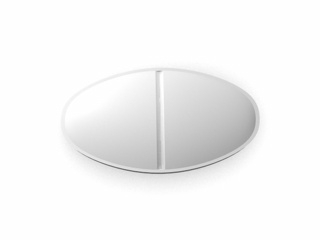
Uniphyl Cr (Theophylline) – Patient Guide (Australia)
Uniphyl Cr contains theophylline, a medicine used to help improve breathing in certain lung conditions. It is a controlled-release (“Cr”) formulation designed to release medicine gradually over time.
This page explains what Uniphyl Cr is, how it works, typical uses, how to take it, key safety information, and what to watch for when combining it with other substances. It also includes practical tips and frequently asked questions for people in Australia.
Basic product information
- Medicine: Theophylline
- Brand: Uniphyl Cr
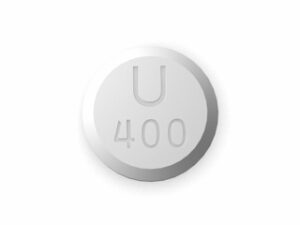
- Form: Controlled-release tablets/capsules (Cr)
- How it’s used: Long-term maintenance therapy for selected respiratory conditions
- Therapeutic area: Bronchodilator / anti-asthma medication class
- Commonly taken: Usually once or twice daily depending on the specific product strength and your prescriber’s directions
Exact tablet strengths, administration instructions, and dosing schedules vary. Always follow the directions provided with your medicine or by your healthcare professional.
How Uniphyl Cr works (mechanism of action)
Theophylline belongs to a class of medicines that help open airways and reduce breathing symptoms. It primarily acts as:
- A bronchodilator: relaxes smooth muscle in the airways, making it easier for air to move in and out.
- A phosphodiesterase inhibitor (PDE inhibitor): increases levels of cyclic AMP within airway cells, which contributes to bronchodilation.
- Anti-inflammatory/modulating effects: may help reduce airway inflammation-related processes in some people.
The “controlled-release” design helps maintain steadier theophylline levels, which can improve symptom control and reduce peaks and troughs.
Pharmacokinetics (how the body handles the medicine)
Pharmacokinetics describes what happens after you take a dose: absorption, distribution, metabolism, and excretion. Theophylline has features that make individual response and interactions important.
Absorption
- Controlled-release formulations are designed to release theophylline slowly over time.
- Absorption can vary between individuals and can be influenced by factors such as smoking status, liver function, and other medicines.
Distribution
- Theophylline is distributed throughout the body and its effect depends on achieving an appropriate concentration range in the blood.
- Because the effective range and the toxic range can be close, monitoring may be recommended in some situations.
Metabolism
- Theophylline is mainly metabolised in the liver.
- Many medicines can affect liver enzymes and therefore change theophylline levels (sometimes raising them and increasing risk).
Elimination
- Theophylline is cleared from the body over time (primarily via metabolism).
- Elimination may be slower in certain people (for example, in liver impairment or with some interacting medicines).
Important: Theophylline is a medicine where dose adjustments and level monitoring are sometimes needed to balance benefit and safety.
Typical use in Australia (indications)
Uniphyl Cr is used to help control symptoms of certain chronic respiratory conditions. Typical indications include:
- Asthma: as an add-on maintenance medicine in selected patients whose symptoms are not adequately controlled with standard therapy.
- Chronic obstructive pulmonary disease (COPD): to improve airflow and relieve symptoms in some people with COPD.
Uniphyl Cr is usually considered for long-term symptom control rather than immediate relief of sudden breathlessness.
When it takes effect (timing of doses)
Because Uniphyl Cr is a controlled-release formulation, it is intended to provide more gradual, longer-lasting effects. Many people notice improvement over several days of consistent use, especially for maintenance symptom control.
- Take at the same times each day to help maintain steady levels.
- Do not use it for quick relief of sudden attacks of breathlessness—use your usual “reliever” medicine as directed by your care plan.
If you miss a dose, do not double up. Take the next dose at your usual time, unless your healthcare professional has advised otherwise.
Food interactions (what to eat and drink)
Food can influence how quickly and how completely theophylline is absorbed. In practice, the main safety concern is unpredictable blood levels.
General guidance:
- Aim for consistent timing of doses with meals.
- If your doctor has advised taking it with food or on an empty stomach, follow that advice.
- Be cautious with large changes in your diet, especially if you also take other interacting medicines.
Coffee and tea: Theophylline is chemically related to caffeine. Be mindful of heavy caffeine intake, as it can worsen side effects like jitteriness, nausea, or palpitations in some people.
Alcohol and medicine interactions
Alcohol
Alcohol can affect theophylline metabolism and may worsen side effects such as nausea, stomach irritation, and dizziness. If you drink alcohol, discuss a safe level with your healthcare professional.
- Avoid heavy or binge drinking while taking theophylline.
- If you notice increased side effects after alcohol, contact your healthcare professional.
Medicine interactions (very important)
Theophylline levels can rise or fall depending on other medicines, particularly those that affect liver enzymes. This can change the risk of side effects and may require dose adjustments or closer monitoring.
Examples of medicines that may interact include:
- Antibiotics (some macrolides, quinolones) – can increase theophylline levels.
- Antifungal medicines – can increase levels.
- Other asthma/COPD medicines – combined bronchodilator effects may increase heart-related side effects in some people.
- Certain seizure medications – may reduce theophylline levels.
- Medicines for reflux and other conditions – some can affect metabolism.
- Flu vaccination-related treatments and other short-term medicines – ask your pharmacist or prescriber before starting new products.
Always inform healthcare professionals about:
- All prescription medicines
- Over-the-counter medicines (including cold/flu products)
- Herbal supplements (for example, St John’s wort)
- Caffeine intake
- Smoking status
Smoking and vaping: Cigarette smoking can increase the breakdown of theophylline, potentially lowering levels. Stopping smoking may lead to higher theophylline levels. Any change should be discussed with your healthcare professional.
Dosing guidance (how to take Uniphyl Cr)
Dosing depends on factors such as age, response, lung condition severity, liver function, smoking status, interacting medicines, and sometimes blood level monitoring.
Key dosing principles:
- Follow your directions exactly. Controlled-release formulations should not be altered.
- Do not crush, split, or chew controlled-release tablets unless specifically instructed for that product.
- Keep a consistent schedule (for example, morning/evening times) to maintain steady levels.
- Your doctor may start at a lower dose and adjust gradually if needed.
Missed dose: If you miss a dose, take it when you remember unless it’s near the time for the next dose. Do not take extra tablets to make up for a missed dose.
Overdose risk: Theophylline can cause serious side effects if too much accumulates. Seek urgent help if you suspect overdose (see “Safety profile” below).
Safety profile (side effects and when to get help)
Uniphyl Cr (theophylline) can cause side effects, especially if blood levels become too high. Many side effects are dose-related. Your healthcare professional may discuss monitoring in certain circumstances.
Common side effects
- Nausea or vomiting
- Stomach discomfort, heartburn
- Headache
- Trouble sleeping (insomnia)
- Feeling restless, tremor, or jitteriness
- Increased urination
Serious side effects (seek urgent medical advice)
Contact urgent medical services or seek immediate care if you experience symptoms that could indicate high theophylline levels or heart rhythm problems, such as:
- Severe or persistent vomiting
- Fast or irregular heartbeat, palpitations with dizziness
- Seizures or fainting
- Severe agitation or confusion
- Shortness of breath worsening suddenly
Who should take extra caution?
- People with liver disease
- Older adults (may be more sensitive)
- People who drink alcohol regularly
- People with heart rhythm disorders or uncontrolled cardiac disease
- People who smoke or have recently stopped smoking
- People taking interacting medicines (especially certain antibiotics/antifungals/seizure medicines)
If you become unwell (for example, fever, severe gastro illness) or start new medications, notify your healthcare professional promptly.
Practical use tips for better results
- Use a pill organiser and set reminders to reduce the chance of missed or double doses.
- Be consistent with meals. Avoid major changes in meal timing if your symptoms or side effects change.
- Limit caffeine (coffee, energy drinks, strong tea) if you experience jitteriness or palpitations.
- Keep a medication list (including supplements) and show it to your pharmacist or doctor when you are prescribed new medicines.
- Don’t change smoking abruptly without discussing it—smoking status can alter theophylline levels.
- Watch your symptoms. If asthma/COPD symptoms worsen or you need reliever medicine more often, seek medical advice.
If your clinician has ordered blood tests (for example, theophylline blood levels), attend them as scheduled. Testing helps confirm dosing is within a safe and effective range.
Alternative options (if Uniphyl Cr is not suitable)
Treatment for asthma and COPD is individual. Alternatives depend on your diagnosis, severity, current medicines, and whether you have side effects or interactions with theophylline.
Possible alternatives may include:
- Inhaled therapies such as inhaled corticosteroids (ICS), long-acting beta agonists (LABA), and other bronchodilators.
- Leukotriene receptor antagonists for some asthma patients.
- Other oral bronchodilators in selected cases.
- Non-pharmacological management such as vaccination, pulmonary rehabilitation (for COPD), trigger management, and breathing techniques.
If you’re considering switching, do not stop theophylline suddenly without advice—maintenance therapy often needs a planned change.
Market and legal context in Australia (overview)
In Australia, medicines are regulated through the Therapeutic Goods Administration (TGA). The availability, prescribing status, and dispensing requirements depend on the specific product formulation and strength.
For Uniphyl Cr, supply is typically governed by Australian medicines scheduling and clinical guidelines. Always ensure you purchase from reputable Australian pharmacies and follow the instructions provided with your medication.
Clinical guidelines: Asthma and COPD management guidelines generally prioritise inhaled controller therapies and reliever strategies. Theophylline may be considered in selected patients, particularly where symptoms persist despite standard treatment or where it fits a clinician’s plan.
Recent guidance (general trend): Over time, many clinical pathways have emphasised safer long-term options (often inhaled) due to theophylline’s narrow safety margin and interaction profile. Where theophylline is used, clinicians commonly consider risk factors and may recommend blood level monitoring in higher-risk situations.
Delivery and availability (online pharmacy)
Availability can vary by region and supplier. When ordering online in Australia, ensure you select:
- Your correct medicine and strength (as listed on the product page)
- The correct formulation (controlled-release “Cr”)
- Accurate delivery address and contact details
Delivery times: Delivery estimates differ between metro and regional areas. Orders are typically dispatched after verification and processing steps.
Storage: Store your medicine in a cool, dry place, protected from moisture and away from heat sources. Keep out of reach of children. Follow the label for specific storage instructions.
If you need the medicine urgently, contact customer support for the most accurate dispatch and delivery information.
Summary table: key patient points
| Topic | What to know |
|---|---|
| What it is | Uniphyl Cr contains theophylline, a controlled-release bronchodilator. |
| What it helps with | Long-term symptom control in selected asthma and COPD patients. |
| How it works | Relaxes airway smooth muscle and can reduce airway processes via PDE inhibition. |
| How to take it | Take at the same times each day; do not crush/chew controlled-release tablets. |
| Food | Maintain consistent meal timing; changes can affect absorption and levels. |
| Alcohol | May increase side effects; avoid heavy drinking and discuss safe use. |
| Drug interactions | Many medicines can raise or lower theophylline levels—check before starting new products. |
| Safety warning | Seek urgent help for signs of high levels (e.g., severe vomiting, seizures, irregular heartbeat). |
FAQ
1) Is Uniphyl Cr a “reliever” or a “preventer”?
Uniphyl Cr is generally used for maintenance (preventive long-term control) rather than immediate relief during sudden breathing attacks. If you have a reliever inhaler, use it as your asthma/COPD action plan advises.
2) How long does it take to work?
Some improvement may be noticed within days, but controlled-release maintenance benefits typically build with consistent daily use. If you do not feel better or symptoms worsen, contact your healthcare professional.
3) Can I stop Uniphyl Cr if I feel well?
Do not stop suddenly unless advised. Maintenance therapy helps keep symptoms under control, and stopping may cause symptoms to return.
4) What should I do if I miss a dose?
Take the next dose at your usual time. Do not double up to compensate for a missed dose.
5) Can I take Uniphyl Cr with coffee or energy drinks?
Moderate caffeine may be tolerated, but higher intake can worsen side effects such as jitteriness, insomnia, nausea, or palpitations. If you notice these symptoms, reduce caffeine and discuss with your pharmacist.
6) Are there medicines I should avoid?
Several medicines can affect theophylline levels. Examples include some antibiotics, antifungals, seizure medicines, and herbal products. Always check with your pharmacist before starting any new medicine, including over-the-counter products.
7) Why is monitoring mentioned for theophylline?
Theophylline’s effective range and toxic range can be close, and levels may change due to interactions, liver function, smoking status, or illness. Blood level monitoring helps confirm the dose is safe and effective for you.
8) What symptoms could mean my dose is too high?
Possible warning signs include persistent vomiting, severe headache, tremor, marked restlessness, fast or irregular heartbeat, confusion, and in severe cases seizures or fainting. Seek urgent medical assistance if these occur.
9) Is Uniphyl Cr suitable for everyone?
Not necessarily. People with certain heart conditions, liver impairment, or who take interacting medicines may need extra caution or alternative treatment. Discuss your medical history with a healthcare professional before using the medicine.
10) How should I store Uniphyl Cr?
Store at room temperature in a cool, dry place, away from moisture and heat. Keep out of reach of children. Follow the label instructions for your specific product.
Need help choosing or understanding Uniphyl Cr? If you have questions about how to take it safely, interactions with your current medicines, or whether it fits your condition, contact a pharmacist or healthcare professional.