

Telmisartan: Uses, How It Works, Dosing & Safety (Australia)
Telmisartan is a widely used medicine belonging to the angiotensin receptor blocker (ARB) class. It helps control blood pressure and can also reduce the risk of cardiovascular events in certain people. This guide explains what telmisartan is, how it works, how it behaves in the body, how to take it safely, and what to consider regarding food, alcohol, and other medicines.
Note: Information below is intended to help you understand the medicine. Always follow the instructions provided by your healthcare professional and read the product label carefully.
Basic product information
| Item | Details |
|---|---|
| Generic name | Telmisartan |
| Medicine class | Angiotensin II receptor blocker (ARB) |
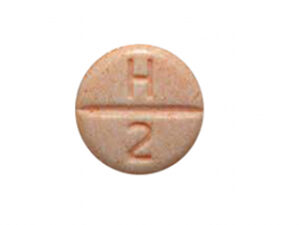
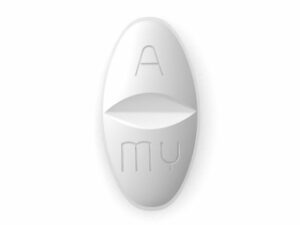
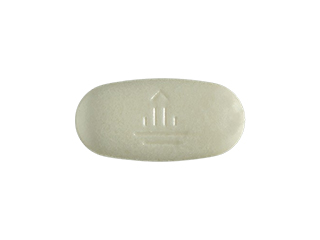
| Common strengths | Often available as tablets (commonly 20 mg, 40 mg, 80 mg—brands may vary) |
| Typical route | Oral (tablets) |
| Main uses | High blood pressure (hypertension); cardiovascular risk reduction in appropriate patients |
| Key interactions to consider | Potassium supplements, potassium-sparing diuretics, ACE inhibitors/other RAAS medicines, NSAIDs (in some circumstances) |
What telmisartan is and what it’s used for
Telmisartan works by blocking the effects of angiotensin II, a substance in the body that causes blood vessels to tighten and raises blood pressure. By relaxing blood vessels and reducing strain on the heart, telmisartan supports healthier circulation.
Typical indications (why it may be used)
- Hypertension (high blood pressure): Helps reduce blood pressure to lower the risk of stroke, heart disease, and kidney complications.
- Cardiovascular risk reduction: In some adults who cannot take ACE inhibitors, or who have cardiovascular disease risk profiles, telmisartan may be used to reduce the risk of cardiovascular events (your clinician will decide if this applies to you).
How telmisartan works (mechanism of action)
Telmisartan is an angiotensin II receptor blocker. Angiotensin II normally binds to the AT1 receptor on blood vessels and other tissues, leading to:
- Vasoconstriction (narrowing of blood vessels)
- Higher blood pressure
- Hormonal effects that can increase fluid and sodium retention
Telmisartan blocks the AT1 receptor, which helps:
- Keep blood vessels more relaxed (lowering blood pressure)
- Reduce overall strain on the heart
- Support long-term cardiovascular health in appropriate patients
Pharmacokinetics: how telmisartan behaves in the body
Understanding how telmisartan is absorbed and processed can help you take it consistently and know what to expect.
- Absorption: Telmisartan is absorbed after oral dosing. Peak blood levels are typically reached within a few hours.
- Distribution: It is highly bound to plasma proteins (meaning it travels in the bloodstream largely attached to proteins).
- Metabolism: It is mainly metabolised in the liver (the main metabolic pathway involves conjugation).
- Elimination: Telmisartan and its metabolites are eliminated mainly via the bile into the gut, with smaller amounts via urine.
- Half-life: It has a relatively long duration of action, which helps support once-daily dosing for blood pressure control.
Practical takeaway: Because it works over a prolonged period, telmisartan is commonly taken once daily. Blood pressure benefits build gradually, with maximal effect often appearing over several weeks.
Timing: when to take telmisartan
Telmisartan can usually be taken once daily.
- Choose a consistent time: Many people take it in the morning or evening—pick a time you can maintain daily.
- Try to stay consistent: If you switch times, do so gradually (or continue as directed) to avoid noticeable fluctuations.
- If you miss a dose: Take it when you remember on the same day. If it’s close to your next dose, skip the missed dose and resume your regular schedule. Do not take a double dose to make up for a missed tablet.
Food interactions and absorption
Telmisartan can generally be taken with or without food.
- Effect on absorption: Food may slightly affect how quickly telmisartan is absorbed, but it typically does not reduce its overall effectiveness enough to require strict timing with meals.
Practical tip: If you notice stomach discomfort when taking it on an empty stomach, try taking it after a light meal. Consistency is more important than exact timing.
Alcohol interactions: what to know
Alcohol can lower blood pressure and may also worsen dizziness or light-headedness—especially when you start telmisartan or increase the dose.
- Increased dizziness risk: Combining telmisartan with alcohol may make you feel faint, particularly when standing up.
- Hydration considerations: Heavy alcohol intake can affect fluid balance and may impact kidney function in susceptible individuals.
Practical takeaway: If you drink alcohol, consider limiting intake and rising slowly from sitting/lying positions. Seek medical advice if you experience persistent dizziness, fainting, or symptoms of low blood pressure.
Medicine interactions: important combinations
Telmisartan can interact with other medicines, particularly those that affect kidney function, potassium levels, or the RAAS (renin–angiotensin–aldosterone system).
Common interaction categories
- Other RAAS medicines: Examples include ACE inhibitors (like enalapril, lisinopril) and other ARBs. Combining RAAS agents increases the risk of kidney problems and high potassium.
- Potassium-related medicines: Potassium supplements, salt substitutes containing potassium, and potassium-sparing diuretics (e.g., spironolactone, eplerenone, amiloride). This may raise potassium levels.
- NSAIDs: Non-steroidal anti-inflammatory drugs (e.g., ibuprofen, naproxen, diclofenac). In some people (especially older adults, dehydration, or existing kidney issues), using NSAIDs with ARBs may increase kidney strain and affect potassium.
- Diuretics (“water tablets”): Some diuretics can contribute to dehydration or lower blood pressure too much, especially at initiation. Your clinician may monitor electrolytes and kidney function.
- Lithium: Telmisartan may affect lithium levels, which can become dangerous. Monitoring is required if this combination is used.
- Digoxin: Telmisartan may increase digoxin levels in some cases. Monitoring may be needed.
How to reduce interaction risk
- Tell your pharmacist/doctor about all medicines and supplements you use, including over-the-counter products.
- Be cautious with “natural” potassium-containing supplements or salt substitutes.
- If you’re starting new medicines, ask whether you should arrange blood tests for kidney function and electrolytes.
Dosing: typical dose ranges and how they’re adjusted
Dosing depends on the condition being treated, your response, and your overall health (including kidney function and electrolyte levels).
Typical adult dosing guidance (general information)
- Hypertension: Often begins at a lower daily dose, then adjusted based on blood pressure response.
- Cardiovascular risk reduction: Usually uses a fixed daily dose strategy based on clinical criteria.
Important: Your prescriber may select a starting dose and titration schedule tailored to you. Do not change your dose without medical guidance.
Missed dose
- If you miss a dose, take it as soon as you remember unless it is nearly time for your next dose.
- Do not take two doses at once.
What to monitor during dose changes
- Blood pressure (especially during the first days to weeks after starting or increasing)
- Kidney function (blood creatinine/eGFR)
- Potassium level
Practical use tips for best results
- Use a blood pressure monitor: Home readings help you and your clinician assess how well treatment is working.
- Track symptoms: Note dizziness, headaches, swelling, or fatigue—especially after the first few doses or a dose adjustment.
- Stay hydrated appropriately: Avoid dehydration (particularly during hot weather or illness) unless your clinician has advised fluid restriction.
- Be consistent with salt intake: Very high salt intake can make blood pressure harder to control.
- Don’t stop suddenly: Telmisartan should be taken regularly. Stopping can lead to worsening blood pressure control.
Safety profile: side effects and when to seek help
Many people tolerate telmisartan well. However, like all medicines, it can cause side effects.
Common or mild side effects
- Dizziness or light-headedness
- Fatigue
- Headache
- Occasional stomach discomfort or diarrhoea
Less common but important effects
- High potassium (hyperkalaemia): More likely if you take potassium supplements or have kidney impairment.
- Kidney function changes: Can occur in susceptible individuals, particularly after starting or increasing dose.
- Low blood pressure: Especially after the first dose, with dehydration, or with interacting medicines.
Seek urgent medical help if you experience
- Signs of an allergic reaction (e.g., swelling of face/lips, difficulty breathing, hives)
- Fainting or severe dizziness
- Chest pain or symptoms of stroke (sudden weakness, facial droop, speech difficulty)
- Severe weakness, unusual heart rhythm symptoms (palpitations) that may relate to electrolyte issues
Monitoring note: If you have kidney disease, diabetes, or are taking medicines that affect potassium, blood tests may be recommended.
Special populations and key cautions
- Kidney impairment: Clinicians may start at a lower dose and monitor kidney function and potassium.
- Dehydration or low blood volume: Starting telmisartan may cause more dizziness/low blood pressure if you are dehydrated.
- Older adults: Monitoring is often important because blood pressure drops may be more noticeable.
- Diabetes or cardiovascular disease: Dose adjustments and monitoring may be needed to maintain kidney and electrolyte safety.
Alternative options (other medicines you may discuss)
If telmisartan isn’t suitable due to side effects, interactions, or treatment goals, your clinician may consider alternatives, depending on your condition.
Other classes often used for blood pressure
- ACE inhibitors (e.g., ramipril, perindopril)
- Other ARBs (e.g., losartan, valsartan)
- Calcium channel blockers (e.g., amlodipine)
- Thiazide-like diuretics (e.g., indapamide)
- Beta-blockers (in selected patients)
The best alternative depends on your medical history, kidney function, potassium levels, and overall cardiovascular risk. Do not switch without clinician guidance.
Market and legal context in Australia
In Australia, telmisartan is made available through regulated pharmaceutical channels. ARBs are prescription medicines in general, and supply is subject to Australian regulatory requirements (including advice and appropriate patient information). Online pharmacy services typically follow Australian health and privacy rules, including identity verification and medication supply standards.
What this means for you: When ordering, you may be asked to confirm your details, review product information, and ensure the medicine is suitable for your situation. This helps support safe and effective use.
Recent guidance and best-practice considerations
Recommendations for hypertension care and RAAS medicines (like telmisartan) may evolve based on ongoing evidence and public health guidance. In clinical practice, common best-practice themes include:
- Blood pressure targets: Goals may vary depending on age, comorbidities, and overall cardiovascular risk.
- Monitoring after initiation: Kidney function and potassium are often checked in higher-risk patients.
- Avoiding unnecessary dual RAAS therapy: Using an ARB together with an ACE inhibitor is generally avoided unless specifically indicated and monitored closely.
- Emphasis on adherence: Consistent daily dosing improves long-term outcomes.
Your healthcare professional can confirm the most up-to-date approach for your circumstances.
Delivery and availability (Australia)
Telmisartan is commonly available in Australia as tablets in various strengths depending on brand and supplier. Availability can vary by strength and packaging.
- Ordering: Online pharmacy services typically display the available strengths and pack sizes.
- Delivery: Delivery options may include standard and express services depending on your location.
- Packaging: Medicines should arrive in protective packaging with clear label instructions and expiry details.
If a specific strength is temporarily out of stock, online pharmacies may offer alternatives (such as other strengths) only if permitted and appropriate under their supply process.
Frequently Asked Questions (FAQ)
1) What is telmisartan used for?
Telmisartan is used to treat high blood pressure (hypertension). In some adults, it may also be used to lower the risk of cardiovascular events depending on individual risk factors.
2) How fast does telmisartan work?
Blood pressure may start improving within days, but the full effect often takes several weeks. Continue taking it consistently even if you feel well.
3) Can I take telmisartan with food?
Yes. Telmisartan is generally taken with or without food. Consistency in how you take it is usually more important than timing with meals.
4) Should I drink alcohol while taking telmisartan?
If you drink alcohol, do so cautiously. Alcohol can increase the risk of dizziness or low blood pressure. If you feel light-headed, avoid alcohol or discuss safe limits with your pharmacist or clinician.
5) What side effects are common?
Dizziness, fatigue, and headache can occur. If side effects are severe, persistent, or you feel faint, seek medical advice.
6) Will telmisartan raise potassium?
It can in some people. Your clinician may monitor potassium—especially if you have kidney problems or take potassium supplements, potassium-sparing diuretics, or other interacting medicines.
7) Can I take ibuprofen or other painkillers?
NSAIDs like ibuprofen can interact in certain circumstances. Occasional use may be fine for some people, but if you use NSAIDs regularly or have kidney issues, ask your pharmacist for guidance. Monitoring may be recommended.
8) What should I do if I miss a dose?
Take it when you remember unless it’s nearly time for the next dose. Do not take a double dose.
9) Is telmisartan suitable if I have kidney disease?
It may be used in some patients with kidney disease, but clinicians often monitor kidney function and potassium closely. Dose adjustments may be required.
10) What if my blood pressure becomes too low?
If you experience ongoing dizziness, fainting, unusual weakness, or very low readings, contact your healthcare professional promptly. Do not stop or change the dose without medical advice.
Summary
Telmisartan is an ARB medicine commonly used in Australia to treat hypertension and, for some patients, reduce cardiovascular risk. It works by blocking angiotensin II at AT1 receptors, helping relax blood vessels and lower blood pressure. It is generally taken once daily and can be taken with or without food. As with all blood pressure medicines, safety depends on appropriate dosing, monitoring (particularly kidney function and potassium), and avoiding certain interactions—especially with potassium-related medicines and other RAAS agents.
If you have questions about telmisartan availability, timing, or interactions with your current medicines, your pharmacist can help you make sure it fits safely into your routine.