
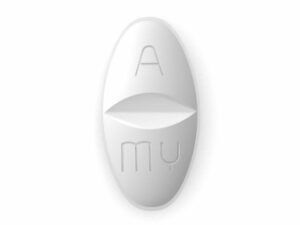
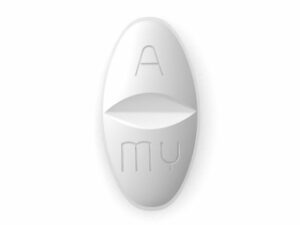
Lisinopril (Hydrochlorothiazide) – Patient Guide (Australia)
Lisinopril (Hydrochlorothiazide) is a combination medicine used to help manage high blood pressure and certain related conditions. It brings together two well-known medicines with complementary effects: lisinopril, an ACE inhibitor, and hydrochlorothiazide, a thiazide-like diuretic (often described as a “water tablet”).
This guide is designed to be patient-friendly and focuses on how the medicine works, how it’s usually taken, what to expect, and the key safety information you should know while using it in Australia.
1) Basic product information
- Active ingredients: Lisinopril + Hydrochlorothiazide
- Common uses: High blood pressure (hypertension); sometimes heart-related conditions depending on clinical assessment
- How it works: Lowers blood pressure and helps the body remove excess salt and water
- Available forms: Tablets in fixed combinations (strengths vary by product)
- Brand and strengths: Various brands exist; exact strengths should match the label you receive
Important: Always follow the dosing instructions on your medicine label and the advice provided by your doctor or pharmacist.
2) What it’s used for (indications)
Lisinopril (Hydrochlorothiazide) is commonly used for:
- Hypertension (high blood pressure): Especially when a single medicine isn’t enough to reach your target blood pressure.
- Cardiovascular risk management: In selected patients, clinicians may use ACE inhibitor–diuretic combinations to help reduce overall cardiovascular strain.
Not every patient is suitable for combination therapy. Your healthcare professional will consider your kidney function, potassium level, blood pressure goals, and other medicines before recommending it.
3) How it works (mechanism of action)
This combination lowers blood pressure through two complementary pathways:
A) Lisinopril (ACE inhibitor)
- Lisinopril blocks the enzyme angiotensin-converting enzyme (ACE).
- This leads to less angiotensin II (a substance that narrows blood vessels).
- As a result, blood vessels relax and widen, helping reduce blood pressure.
- ACE inhibition can also increase bradykinin, which contributes to blood vessel widening (and is also associated with some side effects such as a dry cough in some people).
B) Hydrochlorothiazide (thiazide diuretic)
- Hydrochlorothiazide helps your kidneys remove sodium and water into the urine.
- This reduces fluid volume and contributes to lower blood pressure.
- Over time, thiazides can also improve blood vessel responsiveness, further supporting blood pressure control.
Together: Many patients achieve better blood pressure control with a combination than with either component alone.
4) Pharmacokinetics (how the body handles it)
Pharmacokinetics describes absorption, distribution, metabolism, and elimination.
Lisinopril
- Absorption: Generally absorbed from the gastrointestinal tract after oral dosing.
- Onset: Blood pressure effects may be seen within hours, with maximum effects often developing over several days.
- Elimination: Primarily excreted by the kidneys.
- Half-life: Lisinopril has an elimination half-life that supports once-daily dosing in many regimens.
Hydrochlorothiazide
- Absorption: Absorbed after oral administration.
- Onset: Diuretic and blood-pressure effects may occur within hours.
- Elimination: Excreted largely unchanged via the kidneys.
- Half-life: Supports once-daily or similar dosing patterns for many patients.
Kidney function matters: Because both components depend on renal excretion, dose adjustment and closer monitoring may be needed for people with reduced kidney function.
5) Timing: when to take it and how to build a routine
Many patients take lisinopril (hydrochlorothiazide) once daily. The best timing depends on your situation and how you respond to the diuretic effect.
- Morning dosing is often preferred: Because hydrochlorothiazide can increase urination, taking it earlier in the day may reduce nighttime trips to the toilet.
- Try to take it at the same time each day: This helps maintain steady blood levels and blood pressure control.
- With or without food: Most people can take it consistently either way. If your stomach is sensitive, you may prefer taking it with food, but follow your pharmacist’s advice.
If you miss a dose: Take it as soon as you remember on the same day. If it is near the time of the next dose, skip the missed dose and continue your regular schedule. Do not take double doses.
6) Food interactions and lifestyle considerations
Food generally has limited direct interaction with lisinopril/hydrochlorothiazide, and it can often be taken with or without food. However, consistent habits are helpful.
Key lifestyle notes:
- Salt intake: A diet high in salt can make blood pressure harder to control. Consider reducing salty processed foods.
- Stay hydrated: Adequate fluid intake helps reduce risk of dizziness or kidney stress, especially when starting therapy.
- Potassium-rich foods: Lisinopril may increase potassium in some patients, while hydrochlorothiazide may decrease potassium. The net effect varies, so avoid major dietary changes without advice.
7) Alcohol and medicine interactions
Alcohol
- Be cautious: Alcohol can further lower blood pressure and may increase dizziness, faintness, or falls—especially when you first start the medicine or after a dose increase.
- Practical advice: If you drink, keep it moderate and pay attention to how you feel (especially when standing up).
Common medicine interactions (tell your pharmacist/doctor)
Interactions can affect blood pressure, kidney function, potassium levels, or the risk of side effects. Tell your clinician about all medicines you take, including over-the-counter products.
- Potassium supplements or salt substitutes (potassium-containing): May increase potassium levels, particularly with ACE inhibitors.
- Diuretics and “water tablets”: Combined diuretic effects may increase dehydration risk.
- Non-steroidal anti-inflammatory drugs (NSAIDs) such as ibuprofen or diclofenac (including frequent use):
- Can reduce blood pressure effects and may strain kidneys, especially when combined with ACE inhibitors and diuretics (“triple whammy”).
- Other blood pressure medicines: May add to blood pressure lowering; your dose may need adjustment.
- Lithium: ACE inhibitors can raise lithium levels—monitoring is usually required.
- Diabetes medicines (e.g., insulin, sulfonylureas): Blood sugar levels may change; monitor as advised.
- Gout medicines such as allopurinol: dose adjustments may be needed due to interaction risks.
- Immune-suppressing medicines or certain chemotherapy agents: may increase infection-related risks.
Herbal and “natural” products: Some may affect blood pressure, kidney function, or potassium balance. Examples include products that contain licorice or high-potassium ingredients. Always discuss supplements with your pharmacist.
8) Dosing: typical approach and how dose changes occur
Dosing is individual. Your dose depends on your blood pressure, kidney function, electrolyte levels (especially potassium), and how you respond to therapy.
| Patient situation | Typical dosing approach (general) | What to monitor |
|---|---|---|
| Starting or restarting therapy | Often begins with a low-to-moderate strength once daily, then adjusted | Blood pressure, dizziness, kidney function (creatinine/eGFR), potassium |
| Need for improved blood pressure control | Dose may be increased gradually or adjusted by your clinician | Electrolytes (sodium, potassium), symptoms (light-headedness), kidney function |
| Reduced kidney function | May require lower doses and closer monitoring | Kidney function and potassium closely |
| History of dehydration or low blood pressure | May require careful start and slower adjustments | Orthostatic symptoms (dizziness on standing), hydration status |
Do not adjust your dose without medical advice. If you have side effects or your blood pressure is too low, your clinician may change the strength or dosing schedule.
9) Safety profile: common effects, serious warnings, and when to seek help
Common side effects
Side effects vary between individuals. Many people tolerate the medicine well, especially after the initial adjustment period.
- Dizziness or light-headedness (often when standing up)
- Headache
- Dry cough (more associated with ACE inhibitors like lisinopril)
- Increased urination in the day after starting (from hydrochlorothiazide)
- Fatigue
Electrolyte and kidney-related changes
- High potassium (hyperkalaemia): possible with ACE inhibitors.
- Low potassium (hypokalaemia): possible with hydrochlorothiazide.
- Low sodium (hyponatraemia): can occur with thiazide diuretics.
- Changes in kidney function: especially in dehydration, kidney disease, or with interacting medicines.
Your doctor or pharmacist may check blood tests after starting or changing dose.
Serious but uncommon risks (seek urgent medical help)
Contact a healthcare professional urgently or call emergency services if you develop:
- Swelling of the face, lips, tongue, or throat (angioedema)
- Difficulty breathing or swallowing
- Fainting or severe dizziness
- Chest pain or severe shortness of breath
- Very little urine or signs of severe dehydration
- Yellowing of skin/eyes, severe abdominal pain, or persistent severe nausea (rare)
Special caution: pregnancy
ACE inhibitors and some diuretic combinations are not suitable during pregnancy. If pregnancy is possible, discuss contraception and early pregnancy planning with your clinician. If you become pregnant while taking this medicine, seek prompt medical advice.
Driving and operating machinery
If you feel dizzy or light-headed, avoid driving or operating machinery until you know how the medicine affects you.
10) Practical use tips for better results
- Check your blood pressure: If you have a home monitor, track readings as recommended. Keep a note of symptoms like dizziness.
- Stand up slowly: Particularly during the first days or after dose changes.
- Maintain routine hydration: Avoid excessive dehydration, especially in hot weather or during diarrhoea/vomiting.
- Don’t stop suddenly: If you feel unwell, contact your clinician rather than stopping abruptly.
- Blood tests: Attend scheduled tests for kidney function and electrolytes (common after initiation and after dose changes).
- Watch for persistent cough: A dry cough can occur with ACE inhibitors. If bothersome, discuss options with your pharmacist.
- Medication list: Carry a list of your medicines (including over-the-counter products) for quick reference.
11) Alternative treatment options
If lisinopril (hydrochlorothiazide) isn’t suitable or isn’t achieving your goals, there are several alternative approaches. Your clinician may consider:
Alternative combinations
- Other ACE inhibitor combinations with different diuretics
- ARB (angiotensin receptor blocker) plus diuretic combinations (for patients who develop an ACE inhibitor cough)
Single medicine options
- ACE inhibitor alone (e.g., lisinopril by itself)
- Diuretic alone (e.g., hydrochlorothiazide alone or alternative diuretics)
Other classes of blood pressure medicines
- Calcium channel blockers
- Beta-blockers (selected patients)
- Other diuretics (in specific scenarios)
- Central acting agents or alpha blockers (less commonly, individual cases)
Your clinician will choose the most appropriate option based on your blood pressure targets, kidney function, heart history, and side-effect risk.
12) Market and legal context in Australia (overview)
In Australia, blood pressure medicines including ACE inhibitors and diuretics are supplied under the national medicines regulatory framework administered by the TGA (Therapeutic Goods Administration). Availability and prescribing requirements can vary depending on product strength and local rules.
Combination products such as lisinopril with hydrochlorothiazide are commonly used in routine hypertension care. Supply may be via community pharmacy, with branded and generic options available.
Availability and substitution: Pharmacists may dispense a bioequivalent alternative where permitted and appropriate. Always confirm that the strength matches what you need.
13) Recent guidance and monitoring (practical summary)
Hypertension care is guided by Australian clinical practice and ongoing updates from relevant bodies. While details may vary, key themes consistently include:
- Regular blood pressure monitoring (home and/or clinic readings)
- Electrolyte and kidney function checks for medicines affecting the renin–angiotensin system and diuretic balance
- Managing side effects early (e.g., persistent cough, dizziness, dehydration)
- Reviewing interacting medicines such as NSAIDs
- Lifestyle measures alongside medication (salt reduction, healthy weight, physical activity, smoking cessation, moderation of alcohol)
If you are starting therapy, your clinician may request blood tests within the first few weeks to ensure electrolytes and kidney function remain stable.
14) Delivery and availability (what to expect when buying online in Australia)
Online pharmacies in Australia commonly provide:
- Pack sizes and strengths: depending on availability; ensure you select the correct strength matching your instructions.
- Secure delivery: orders are dispatched with tracking where offered.
- Customer support: help with product selection, dosing questions, and delivery scheduling.
- Substitution policies: where allowed, you may be offered an alternative brand with the same ingredients and strength.
Delivery timeframes: vary by pharmacy location and courier service. Check the website’s estimated dispatch and delivery times for your suburb or postcode.
Stock availability: may change due to manufacturing and supply factors. If your exact product is unavailable, the pharmacy may offer alternatives subject to local dispensing rules and suitability.
15) FAQ
How long does it take to work?
Blood pressure effects can begin within hours, but the fuller benefit may take several days. It’s important not to judge effectiveness after only one dose. If your readings remain high after the initial period, your clinician may review your dose and adherence.
Why do I get dizzy when standing?
Lisinopril and hydrochlorothiazide can lower blood pressure, and during the first days (or after dose changes) your body may take time to adjust. Standing up slowly, staying hydrated, and discussing persistent symptoms with your clinician can help.
Will I need blood tests?
Often yes—especially after starting or increasing the dose—because the medicine can affect kidney function and electrolyte levels (particularly potassium, sodium, and creatinine/eGFR). Your doctor will advise the frequency based on your risk factors.
Can I take ibuprofen or other pain relief?
Occasional use may be fine for many people, but frequent or high-dose NSAID use can increase kidney strain and reduce blood pressure effects when combined with ACE inhibitors and diuretics. Ask your pharmacist what’s safest for you.
What should I do if I miss a dose?
Take it when you remember on the same day. If it’s close to the next scheduled dose, skip the missed dose. Do not double up.
Is a dry cough normal?
A dry, persistent cough can occur with ACE inhibitors like lisinopril. If it’s bothersome or ongoing, contact your clinician. Do not stop medication without advice.
How do I manage frequent urination?
Hydrochlorothiazide may cause increased urination, especially early in treatment. Taking it in the morning can reduce nighttime effects. If it causes severe inconvenience, excessive thirst, or signs of dehydration, speak with your pharmacist or doctor.
Can I drink alcohol?
It’s best to be cautious. Alcohol can increase dizziness and lower blood pressure. If you choose to drink, keep it moderate and avoid drinking in situations where you might feel light-headed.
What signs mean I should seek urgent help?
Seek urgent medical attention if you develop facial/lip/tongue swelling, trouble breathing or swallowing, fainting, severe dizziness, very little urine, or severe allergic-type symptoms.
Are there alternatives if I can’t tolerate this medicine?
Yes. Options may include changing dose, switching to a different combination, or using an alternative medicine class. Your clinician will tailor this to your blood pressure goals, kidney function, and side-effect profile.
16) Key take-home summary
- Lisinopril (ACE inhibitor) relaxes blood vessels by blocking ACE.
- Hydrochlorothiazide helps remove excess salt and water, lowering blood pressure.
- Often taken once daily, usually in the morning to reduce nighttime urination.
- Be mindful of dizziness, dehydration, and possible cough.
- Kidney function and electrolytes may be monitored with blood tests.
- Discuss interacting medicines, especially NSAIDs, supplements containing potassium, and other blood pressure treatments.
If you have questions about your specific strength, how to take it, or what side effects to watch for, speak with your pharmacist or healthcare professional.