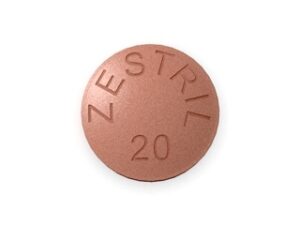

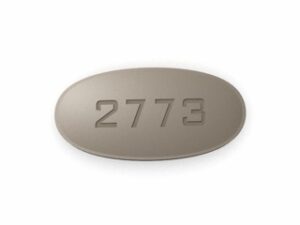

Bystolic (Nebivolol) – Patient Information Guide (Australia)
Bystolic contains nebivolol, a medicine used to manage certain heart and blood pressure conditions. This guide explains how it works, when it’s typically taken, common side effects, and practical tips to help you use it safely and effectively in Australia.
Note: Information here is designed to help you understand the medicine. Always follow the directions on your medicine label and any advice from your healthcare professional.
Quick overview
- Active ingredient: Nebivolol
- Medicinal class: Beta-blocker (selective beta-1 blocker with additional effects on blood vessels)
- Common uses: High blood pressure (hypertension) and chronic heart failure (in selected patients)
- How it’s usually taken: Once daily, at the same time each day
- Key safety point: Do not stop suddenly without medical advice
Basic product information
| Category | Details |
|---|---|
| Brand name | Bystolic |
| Generic name | Nebivolol |
| Type of medicine | Beta-blocker |
| Typical dosing schedule | Once daily |
| Common strengths | Available in tablet strengths depending on local supply |
| How it is supplied | Tablet formulation |
| Storage | Store below 25°C (unless label specifies otherwise), keep in original packaging |
How Bystolic works (mechanism of action)
Nebivolol works in two complementary ways:
- Selective beta-1 blockade: It reduces the effects of adrenaline on the heart, which can lower heart rate and reduce the heart’s workload.
- Improves blood vessel function: Nebivolol also helps increase nitric oxide availability in the bloodstream, which can relax blood vessels. This contributes to lowering blood pressure.
In combination, these actions can help control blood pressure and support heart function in appropriate patients.
Pharmacokinetics (how the body handles nebivolol)
Absorption: Nebivolol is absorbed from the gut after you take it by mouth. Levels in the body increase with dose and are affected by individual metabolism.
Distribution: It distributes throughout the body and is highly protein-bound.
Metabolism: Nebivolol is metabolised in the liver. There are genetic differences between people that can affect how quickly the medicine is processed.
Elimination: Nebivolol and its metabolites are eliminated mainly via the kidneys and to some extent through the bile.
Onset and duration: Many people notice blood pressure improvement within days, with fuller benefits often developing over several weeks as the body adapts.
Typical use and indications
Bystolic (nebivolol) is commonly used in Australia for:
- Hypertension (high blood pressure): Helps lower blood pressure and reduce strain on the heart and blood vessels.
- Chronic heart failure (stable, long-term heart failure): Used as part of a treatment plan to improve outcomes in selected patients. It may be introduced gradually.
It may be considered when a clinician determines a beta-blocker is appropriate based on your heart rate, blood pressure, symptoms, and other medicines.
When and how to take it (timing)
Most people take nebivolol once daily. Choose a routine you can keep consistently.
- Same time each day: This helps maintain steady medicine levels.
- With or without food: Many patients can take nebivolol either way (see food interactions below for details).
- Swallow whole: Don’t crush or chew tablets unless your pharmacist advises it’s safe.
- If you miss a dose: Take it when you remember on the same day. If it’s near the time of the next dose, skip the missed dose and continue your regular schedule. Do not take double doses.
Food interactions
For nebivolol, food is not typically a major barrier for many patients. However, meal timing can affect how quickly some people reach peak levels.
- General guidance: If you feel it’s easier on your stomach, take it with a meal.
- Keep it consistent: Try to take it the same way each day (with or without food) to minimise day-to-day variation.
- Grapefruit: While grapefruit is more widely discussed for some other beta-blockers, discuss with your pharmacist if you regularly consume grapefruit or grapefruit juice, especially if you take other interacting medicines.
If you’re unsure, your pharmacist can advise based on your particular regimen.
Alcohol and medicine interactions
Alcohol
Alcohol can lower blood pressure and may worsen light-headedness or dizziness, especially when you first start nebivolol or after dose changes.
- Practical advice: Consider limiting alcohol, especially in the early treatment period.
- Be careful driving: If you feel dizzy, avoid driving or operating machinery.
Other medicines that may interact
Interactions may affect heart rate, blood pressure, or the way nebivolol is processed by the liver. Tell your pharmacist about all medicines and supplements you use, including over-the-counter products.
Common interaction considerations include:
- Other heart-rate lowering medicines: Such as some calcium channel blockers (e.g., verapamil, diltiazem) or other beta-blockers.
- Antiarrhythmics: Some medicines used for heart rhythm problems may have additive effects on heart rate and conduction.
- Clonidine: Stopping clonidine abruptly or combining regimens may require careful tapering and medical supervision.
- Blood pressure medicines: Combined effects can increase the risk of low blood pressure.
- Diabetes medicines: Beta-blockers can sometimes mask symptoms of low blood sugar (e.g., tremor). Nebivolol is relatively selective, but symptoms like sweating may still be reduced—monitor glucose as directed.
- CYP/P-gp affecting drugs: Medicines that influence liver enzymes or transporters may change nebivolol levels. Examples include some antidepressants, antifungals, and certain antibiotics—your pharmacist can check your specific list.
- Non-steroidal anti-inflammatory drugs (NSAIDs): Regular NSAID use may reduce the blood pressure-lowering effect of some medicines in some patients.
Important: Never start or stop interacting medicines on your own. If you have multiple prescriptions, ask for a medication check (“home medicines review” or similar service) if available.
Dosing (typical approach)
Exact dose varies depending on the condition, age, kidney/liver function, heart rate, and tolerance. Your healthcare professional will determine the most appropriate starting dose and adjustments.
General principles:
- Hypertension: Often starts at a lower dose and may be increased based on response and tolerability.
- Chronic heart failure: Typically introduced gradually with careful monitoring of heart rate, blood pressure, and symptoms.
- Older adults: Dosing may be more cautious, especially if kidney function changes.
- Kidney or liver impairment: Dose adjustments may be needed. Discuss your medical history with your pharmacist.
Because dosing instructions are individual and product strength varies by supply, this page provides general dosing principles only. Always follow your label directions.
How long before it works?
- Blood pressure: Some reduction may be noticed within the first few days, but a more stable effect often develops over 2–4 weeks.
- Heart failure (if prescribed): Improvement and stabilisation are usually gradual, with dose adjustments made over time.
Safety profile and side effects
Like all medicines, nebivolol can cause side effects. Many are mild and improve as your body adjusts, but some require medical attention.
Common side effects
- Slow heart rate (bradycardia)
- Dizziness, especially when standing up
- Tiredness or reduced energy
- Headache
- Low blood pressure symptoms (light-headedness)
- Sometimes cold hands or feet
Less common but important side effects
- Worsening shortness of breath or fluid-related symptoms (especially in heart failure patients)
- Signs of an allergic reaction: swelling of face/lips, rash, difficulty breathing
- Fainting or severe dizziness
When to seek urgent help
Get urgent medical care if you experience:
- Chest pain, severe shortness of breath, or fainting
- Severe dizziness with inability to stand
- Signs of severe allergic reaction (difficulty breathing, swelling of tongue/face)
Special precautions
Discuss with your pharmacist/doctor if you have:
- Asthma or chronic lung disease: Beta-blockers can sometimes affect breathing. Nebivolol is beta-1 selective, but caution is still important.
- Very slow pulse or known heart conduction problems
- Peripheral circulation problems (e.g., Raynaud’s phenomenon)
- Diabetes (monitor glucose and watch for low sugar symptoms)
- Thyroid disorders (beta-blockers may mask some symptoms like fast heart rate)
Do not stop suddenly
Stopping beta-blockers suddenly can cause rebound effects such as fast heart rate, higher blood pressure, and worsening heart symptoms. Your clinician will typically advise gradual reduction if stopping is necessary.
Practical use tips
- Track your pulse: Especially during the first weeks or after dose changes. If your heart rate is consistently very low or you feel unwell, seek advice.
- Stand up slowly: If you feel dizzy, rise slowly from sitting/lying positions.
- Use a reminder: Once-daily dosing is easiest to keep with phone alarms or medication organisers.
- Keep a blood pressure record: Periodic home readings can help your clinician adjust treatment.
- Stay consistent with caffeine/nicotine: These can affect heart rate and blood pressure. Your overall regimen should be stable.
- Review your full medicine list: Especially if you start new prescriptions, antibiotics, antifungals, or antidepressants.
Alternative options (if nebivolol isn’t suitable)
There are several medicines used for hypertension and chronic heart failure. Which alternative is appropriate depends on your diagnosis and medical history.
Possible alternatives for high blood pressure
- Other beta-blockers (choice depends on heart rate, lung health, and interactions)
- ACE inhibitors (e.g., enalapril, lisinopril)
- ARBs (e.g., losartan, telmisartan)
- Calcium channel blockers (e.g., amlodipine)
- Diuretics (e.g., hydrochlorothiazide)
Possible alternatives for chronic heart failure
- Other evidence-based beta-blockers used in heart failure
- ACE inhibitors/ARBs/ARNI, depending on eligibility
- Mineralocorticoid receptor antagonists
- SGLT2 inhibitors (in selected patients)
Your healthcare professional can recommend the best option based on benefits, side effects, and interactions.
Market and legal context for Australia
In Australia, medicines are regulated under the Therapeutic Goods Act and supplied in line with the Australian Register of Therapeutic Goods (ARTG). Access to prescription-only medicines (as applicable) is governed by Australian law, including requirements for appropriate supply and patient counselling.
When buying medicine online, ensure the pharmacy is operating legally and that product authenticity is guaranteed. Reliable pharmacies should provide:
- Clear product details (brand/generic, strength, form)
- Verified medication sourcing and packaging
- Transparent delivery timeframes
- Customer support and pharmacist contact for questions
Always confirm that your medicine supply is valid for use in Australia and matches the intended strength and form.
Recent guidance and monitoring (general)
Clinical guidance for hypertension and heart failure commonly emphasises:
- Individualised dosing and careful monitoring of blood pressure and heart rate
- Gradual initiation of beta-blockers in heart failure
- Monitoring for side effects, including dizziness, slow pulse, and symptoms of worsening heart failure
- Medication reviews to minimise interactions and improve adherence
Because recommendations can be updated as new evidence emerges, it’s a good idea to check with your clinician or pharmacist if you’re managing chronic conditions long-term.
Delivery and availability (online pharmacy)
Availability can vary by pharmacy and supplier timelines. When ordering, you can generally expect:
- Dispatch times: Usually determined by stock status and your location within Australia.
- Delivery options: Standard and express delivery may be available depending on your postcode.
- Packaging: Tablets should arrive in original packaging with appropriate labelling.
- Cold chain: Nebivolol tablets typically do not require refrigeration unless your specific product label states otherwise.
Tip: If you need uninterrupted therapy, order early to allow for processing and transit time—especially if you live far from major distribution centres.
FAQ – Bystolic (Nebivolol)
1) What is Bystolic used for?
Bystolic (nebivolol) is used for hypertension (high blood pressure). It may also be used in stable chronic heart failure as part of a broader treatment plan.
2) How should I take nebivolol?
Most people take it once daily at the same time each day. You can usually take it with or without food, but consistency helps. Swallow tablets whole unless your pharmacist advises otherwise.
3) When will I feel the effect?
Blood pressure may start improving within days, but a stable effect often takes 2–4 weeks. For heart failure, improvement is typically gradual with careful dose titration.
4) Can I drink alcohol while taking Bystolic?
Alcohol may increase the chance of dizziness or low blood pressure. If you choose to drink, keep it moderate and be cautious—especially when starting or after dose changes.
5) What if I miss a dose?
Take it when you remember if it’s the same day. If it’s near the next dose, skip the missed one and continue as usual. Do not take a double dose.
6) What side effects are most common?
Common side effects include tiredness, dizziness, headache, and slow heart rate. Many improve as your body adjusts.
7) Is it safe to stop suddenly?
No. Do not stop nebivolol suddenly without medical advice. Stopping abruptly can worsen heart symptoms and increase the risk of rebound effects.
8) Does nebivolol affect breathing?
Beta-blockers can sometimes affect breathing, particularly in people with asthma or certain lung conditions. Nebivolol is more selective for beta-1 receptors, but discuss your lung history with your pharmacist or doctor.
9) Can nebivolol interact with other medicines?
Yes. Nebivolol can interact with medicines that affect heart rate, blood pressure, diabetes control, and drugs that influence liver metabolism. Tell your pharmacist about all medicines and supplements you take.
10) Who should be extra careful when taking Bystolic?
People who have very slow heart rate, conduction problems, significant kidney or liver impairment, diabetes, asthma, or peripheral circulation issues should be monitored closely and may require dose adjustments.
Summary
Bystolic (nebivolol) is a beta-blocker used in Australia to treat high blood pressure and in selected patients to manage stable chronic heart failure. It helps lower heart rate and relax blood vessels, contributing to improved cardiovascular control.
For best results, take it once daily at a consistent time, be alert to symptoms such as dizziness or slow pulse, and avoid stopping suddenly. If you’re planning changes to other medicines, alcohol intake, or your routine, consult your pharmacist for safe guidance.