
Tamoxifen (for Breast Cancer Treatment and Prevention of Recurrence) — Patient-Friendly Guide (Australia)
Tamoxifen is a widely used medicine for certain hormone-driven breast cancers. It works by blocking oestrogen’s effects in breast tissue and is also used in some settings to reduce the risk of breast cancer returning. This guide is designed to be easy to read and to help you understand how Tamoxifen works, how it’s taken, and what to expect regarding safety and interactions.
Note: Always follow your healthcare professional’s advice. Information in this page is general and may not apply to every person.
Basic product information
| Category | Details |
|---|---|
| Medicine name | Tamoxifen |
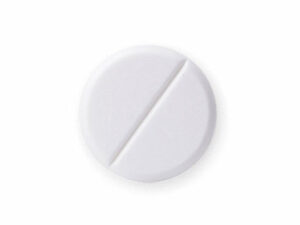
| Common form(s) | Oral tablets (strengths vary by product and brand) |
| Therapeutic class | Selective oestrogen receptor modulator (SERM) |
| Typical dosing schedule | Once daily dosing is common (individual regimens vary) |
| Where it’s used | Breast cancer treatment and risk reduction in selected patients |
How Tamoxifen works (mechanism of action)
Tamoxifen is classified as a selective oestrogen receptor modulator (SERM). In simple terms, it helps “block” the effects of oestrogen in breast tissue.
- Breast tissue: Tamoxifen binds to oestrogen receptors and prevents oestrogen from stimulating cancer cell growth.
- Other tissues: Tamoxifen can behave differently in different parts of the body. For example, it may have partial oestrogen-like effects in some tissues, which is why monitoring and safety considerations are important.
- Metabolism and active forms: The body converts tamoxifen into metabolites that contribute to its effects. The most clinically important metabolite is endoxifen.
Tamoxifen is most effective in cancers that are oestrogen receptor positive (ER+) and/or hormone receptor positive, which is why hormone receptor status is an important part of deciding whether Tamoxifen is suitable.
Pharmacokinetics (what the body does to Tamoxifen)
Pharmacokinetics describes how the body absorbs, distributes, metabolises, and eliminates a medicine.
- Absorption: Tamoxifen is taken by mouth and is absorbed from the gastrointestinal tract.
- Metabolism: Tamoxifen is metabolised in the liver, with enzymes contributing to the formation of active metabolites such as endoxifen.
- Half-life: Tamoxifen and its metabolites can persist for a long time. This means levels decline slowly after stopping and can influence how long effects and side effects might continue.
- Distribution & elimination: The drug and metabolites distribute throughout the body and are eventually eliminated mainly via metabolic pathways and excretion.
Because metabolism depends on liver enzyme activity, certain medicines that affect these enzymes can influence how well Tamoxifen works—this is a key interaction topic (see below).
Typical uses
Tamoxifen is used for oestrogen receptor–positive breast cancer and for certain risk-reduction settings depending on individual clinical circumstances.
Common indications include:
- Early (adjuvant) breast cancer: To reduce the risk of recurrence after primary treatment such as surgery (± other therapies).
- Advanced or metastatic breast cancer: Particularly in hormone receptor–positive disease, including when the cancer has spread.
- Ductal carcinoma in situ (DCIS): In selected patients to reduce the risk of developing invasive breast cancer in the affected or contralateral breast.
- Risk reduction (where appropriate): In certain high-risk patients as determined by a specialist team.
Eligibility depends on factors such as hormone receptor status, menopausal status, cancer stage, prior treatments, and your overall health. Your clinician will tailor the plan to you.
How to take Tamoxifen (timing and practical use)
Many people take Tamoxifen once daily. The exact dose and duration depend on your treatment plan.
Timing tips
- Choose a consistent time: Taking it at the same time each day can help you avoid missed doses.
- If nausea occurs: Some people find taking it with food helpful (see the food interaction section below).
- Missed dose: If you forget a dose, take it when you remember unless it’s nearly time for the next dose. Avoid taking double doses. Contact your healthcare team or pharmacist for specific advice.
Practical use tips
- Keep it in its original packaging: Protect from moisture and keep out of reach of children.
- Track side effects: If you experience new or worsening symptoms (especially bleeding, leg swelling, chest pain, breathlessness), seek medical advice promptly.
- Adherence matters: Tamoxifen is often taken for months to years. Even if you feel well, continuing therapy as planned can be important for long-term benefit.
- Regular follow-up: Periodic reviews and recommended screening/monitoring should be maintained.
Dosing overview
Dosage depends on your indication (early breast cancer, metastatic disease, DCIS, risk reduction), your response, and tolerability. Typical regimens are commonly once daily, but the exact dose should be confirmed with your prescriber and the product label.
What dosing usually looks like
- Adult dosing: Commonly 20 mg once daily for many breast cancer indications; however, different regimens exist in certain circumstances.
- Duration: Treatment may be long-term. Duration is decided by your treating specialist based on your risk and overall situation.
- Children/adolescents: Tamoxifen is generally not used for routine paediatric indications.
If you have questions about your exact schedule, speak with your pharmacist. Never adjust the dose without medical guidance.
Food interactions
Tamoxifen can generally be taken with or without food. However, taking it with food may help reduce common stomach-related side effects such as nausea or indigestion.
- General approach: If your stomach feels unsettled, consider taking it with a meal or snack.
- Consistency: Try to keep a consistent approach day-to-day (for example, always take it with breakfast or with dinner).
There are no major “avoid completely” food restrictions for most patients, but your healthcare professional may provide personalised advice based on your regimen and other conditions.
Alcohol interactions
Alcohol is not usually a direct contraindication with Tamoxifen for most people, but caution is recommended.
- Moderation: Keep alcohol intake moderate and consistent.
- Possible effects: Alcohol may worsen certain side effects (such as nausea, dizziness, fatigue) and may affect liver function in higher amounts.
- Liver considerations: Since tamoxifen is metabolised in the liver, people with significant liver disease should follow specialist advice regarding alcohol.
If you’d like, share your typical alcohol intake with your pharmacist to discuss whether changes are advisable for your situation.
Medicine interactions (important)
Some medicines can affect how Tamoxifen is metabolised in the liver, which may change its effectiveness. Interactions are a key reason to do a medication review with your pharmacist.
Notable interaction considerations
-
Medicines that affect CYP2D6: Certain antidepressants and other medicines can inhibit CYP2D6, potentially reducing formation of endoxifen (active metabolite). Examples of CYP2D6 inhibitors commonly discussed include:
- Some antidepressants (for example, fluoxetine, paroxetine)
- Other agents that inhibit CYP2D6 (varies by medicine)
- Hormonal therapies: Using additional hormonal medicines may alter expected effects and side effect profiles. This includes other SERMs and hormone therapies; discuss any current or planned therapy with your specialist team.
- Anticoagulants and blood thinners: Tamoxifen can increase the risk of clotting; the overall risk depends on your personal factors and other medicines. If you take warfarin or other anticoagulants, close monitoring may be needed.
- Breast cancer supportive medicines: Some cancer regimens combine therapies. Your oncology team will design combinations to balance benefits and risks.
What to do before starting Tamoxifen (or when adding new medicines)
- Provide a full list of prescription medicines, over-the-counter products, and supplements.
- Tell your pharmacist about medicines for depression, anxiety, sleep, allergies, pain, and nausea.
- Ask specifically whether any of your medicines could reduce Tamoxifen’s effectiveness.
If you have been prescribed a new medicine while on Tamoxifen, check with your pharmacist rather than starting it immediately on your own.
Safety profile and side effects
Like all medicines, Tamoxifen can cause side effects. Many are mild and manageable, but some require urgent attention.
Common side effects
- Hot flushes
- Nausea or stomach discomfort
- Vaginal dryness or discharge changes
- Menstrual changes (in premenopausal people)
- Fatigue
- Headache
Serious but less common risks
- Blood clots (venous thromboembolism): Tamoxifen is associated with an increased risk of clots such as DVT or pulmonary embolism.
- Stroke (risk may be increased): Stroke risk may be higher in some populations; individual risk factors matter.
- Endometrial (uterine) changes: Tamoxifen can increase the risk of endometrial thickening and, in some cases, endometrial cancer. This is particularly relevant for postmenopausal people.
- Ocular effects: In rare cases, vision changes may occur and require prompt assessment.
- Severe allergic reactions: Rare, but seek emergency care if you develop signs of allergy (e.g., swelling of the face, lips, or throat; difficulty breathing; widespread rash).
Seek urgent medical attention if you experience
- Sudden shortness of breath, chest pain, coughing blood
- One-sided leg swelling, pain, redness, or warmth
- Sudden weakness/numbness, facial drooping, trouble speaking (possible stroke symptoms)
- Unusual vaginal bleeding (especially after menopause), pelvic pain, or persistent changes in bleeding pattern
- Sudden or persistent changes in vision
Safety profile by life stage (what to consider)
Safety considerations vary depending on whether you are premenopausal or postmenopausal, and based on your personal risk factors (such as clotting history, smoking status, immobility, and existing uterine conditions). Your clinician will weigh these factors to determine the best approach.
- Premenopausal people: Tamoxifen may affect menstrual patterns and fertility planning.
- Postmenopausal people: The risk of uterine changes is an important monitoring focus.
Practical use tips to help you stay safe
- Know warning signs: Familiarise yourself with the “seek urgent care” symptoms listed above.
- Manage hot flushes: Dress in layers, use fans, avoid overheating, and discuss medical options if hot flushes are severe.
- Monitor menstrual and vaginal symptoms: Report any abnormal bleeding or persistent discharge changes promptly.
- Stay active when possible: Regular movement can help reduce clot risk (especially during travel or periods of immobility).
- Hydrate and protect skin: Vaginal dryness and skin sensitivity can be improved with appropriate products—ask a pharmacist for options suitable with your situation.
- Keep follow-up appointments: Ongoing review is essential for benefit and safety.
Alternative options (if Tamoxifen isn’t suitable)
Treatment choices depend on the specifics of your cancer and your personal risk profile. Your oncology team may consider other hormone therapies or different strategies.
Common alternatives in hormone receptor–positive breast cancer
- Aromatase inhibitors (AIs): Often used in postmenopausal people and in certain treatment sequences. Examples include anastrozole, letrozole, and exemestane (brand names vary).
- Ovarian suppression (in selected premenopausal patients): Used alongside or instead of other hormone therapies.
- Other SERMs or targeted therapies: Choice depends on subtype, prior treatments, and guidelines.
- Chemotherapy or radiotherapy: May be part of a combined approach for some patients depending on stage and risk.
If you’re experiencing side effects or have concerns, discuss whether switching or adjusting the plan is appropriate for your condition.
Market and legal context for Australia (what you should know)
In Australia, Tamoxifen is an established medicine used under specialist oncology care. Availability and supply may depend on product brand and strength. In most cases, Tamoxifen is dispensed through the pharmacy system as part of cancer treatment plans and is subject to Australian medicines regulation.
- Pharmacist role: Pharmacists help ensure correct use, identify interactions, and support safe ongoing monitoring.
- Quality and supply: Australian pharmacies must supply medicines in accordance with legal requirements, including handling, labelling, and consumer safety standards.
- Clinical oversight: Tamoxifen is typically managed by healthcare professionals as part of an overall care plan for breast cancer.
Recent guidance and monitoring (high-level overview)
Clinical practice is updated regularly as new evidence emerges. Guidance in Australia and internationally generally emphasises:
- Using hormone therapies for hormone receptor–positive disease when appropriate
- Careful review of drug interactions, especially with medicines that affect Tamoxifen metabolism
- Monitoring for clotting and uterine-related symptoms
- Managing long-term side effects to support adherence
Your treating team may adjust the plan based on emerging evidence, your risk profile, and how you tolerate therapy.
Delivery and availability (online pharmacy expectations in Australia)
When ordering online, availability can vary based on current stock, product strength, and dispensing processes. Reputable Australian online pharmacies typically provide:
- Clear product listings: tablet strength, pack size, and manufacturer/brand information
- Realistic delivery timeframes: which may vary by location (metropolitan vs regional)
- Secure packaging and labelling: to maintain medicine integrity and safe handling on arrival
- Tracking and confirmation: in many cases, to help you monitor delivery progress
For the most accurate delivery estimate, check the checkout page of the pharmacy you’re using and confirm that your address is correct.
FAQ about Tamoxifen
1) What is Tamoxifen used for?
Tamoxifen is used for certain types of breast cancer that are hormone receptor positive. It’s commonly used in early-stage treatment to reduce recurrence risk, and in advanced disease. It may also be used in selected risk-reduction settings such as DCIS, depending on individual circumstances.
2) How long will I need to take it?
Many treatment courses are long-term (months to years), depending on the indication and your overall plan. Your clinician will determine duration based on your cancer stage, response, and risk factors.
3) Can I take Tamoxifen with food?
Yes. Tamoxifen can generally be taken with or without food. Taking it with food may help reduce nausea for some people.
4) What should I do if I miss a dose?
If you miss a dose, take it when you remember unless it’s close to the time of the next dose. Don’t take two doses together. If you’re unsure, ask your pharmacist for advice tailored to your schedule.
5) Are there interactions with antidepressants?
Some antidepressants can affect enzymes involved in Tamoxifen metabolism, potentially reducing effectiveness. This includes certain commonly used medicines. Always review your medication list with your pharmacist before starting or changing antidepressants or other medicines.
6) Does alcohol affect Tamoxifen?
Alcohol isn’t usually an absolute contraindication, but moderation is recommended. Alcohol may worsen side effects and—at higher amounts—may affect liver function. If you drink regularly, discuss it with your pharmacist or clinician.
7) What side effects are most common?
Common side effects include hot flushes, nausea, fatigue, headache, and vaginal dryness or discharge changes. Many improve over time.
8) When should I seek urgent help?
Seek urgent medical attention for symptoms that could indicate a blood clot or stroke (such as chest pain, sudden shortness of breath, one-sided leg swelling, sudden weakness, or trouble speaking) or unusual vaginal bleeding/pelvic pain, especially if you’re postmenopausal.
9) Can Tamoxifen cause menstrual changes?
Yes. If you have not reached menopause, Tamoxifen can affect menstrual cycles. If your bleeding is significantly different or concerning, report it promptly to your healthcare team.
10) What are the alternatives if I can’t tolerate Tamoxifen?
Alternatives may include aromatase inhibitors or other hormone-based approaches, depending on your menopausal status and cancer characteristics. Your oncology team can advise the best option for your situation.
11) How can I minimise side effects day-to-day?
Practical measures include taking the tablet consistently (often with food if nausea occurs), staying hydrated, dressing in layers for hot flushes, and attending follow-up visits. If symptoms are bothersome, ask your pharmacist or doctor about symptom-specific support.
12) How should Tamoxifen be stored?
Store tablets at room temperature in a dry place, keep them in their original packaging, and out of reach of children. Follow the storage instructions on the product label.
Important closing note
Tamoxifen can be a valuable medicine for hormone receptor–positive breast cancer and for selected risk-reduction strategies. If you have any questions about side effects, interactions, or how to take your tablets, your pharmacist is a great first point of contact. If you notice symptoms that could indicate a serious condition, seek medical help promptly.