
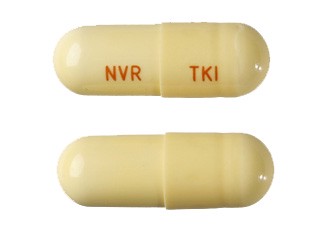

Tasigna (Nilotinib) — Patient-Friendly Guide (Australia)
Tasigna is a prescription medicine used to treat certain blood cancers, particularly chronic myeloid leukaemia (CML) and other specific conditions involving the BCR-ABL protein. In Australia, Tasigna is supplied through approved healthcare pathways and is intended to be used under the direction of a specialist treatment team.
This guide explains how Tasigna works, how it’s taken, common safety considerations, and practical tips for everyday use. It also includes Australia-focused information on availability and guidance.
Basic product information
| Item | Details |
|---|---|
| Medicine name | Tasigna (Nilotinib) |
| Medicine type | Targeted anticancer medicine (BCR-ABL tyrosine kinase inhibitor) |
| Common strengths | Capsules (strengths vary by product presentation) |
| How it’s taken | By mouth, usually twice daily on an empty stomach with strict food timing |
| Who it’s for | People with specific BCR-ABL–positive leukaemias, as determined by your treating doctor |
| Monitoring | Regular blood tests and heart monitoring (e.g., ECG), plus tests for liver function and electrolytes |
How Tasigna works (mechanism of action)
Nilotinib is a tyrosine kinase inhibitor that targets the BCR-ABL tyrosine kinase—an abnormal protein produced in many cases of CML. By blocking this signal, Tasigna helps:
- Reduce cancer cell growth driven by BCR-ABL
- Improve blood and molecular response in eligible patients
- Help control disease progression by reducing active leukaemia cells
Because it is a targeted therapy, Tasigna works differently from chemotherapy. It does not “cure instantly,” but it aims to control the disease and achieve deep, durable responses over time in appropriate patients.
Pharmacokinetics (how the body processes Tasigna)
Pharmacokinetics describes how the body absorbs, distributes, metabolises, and clears a medicine.
- Absorption: Tasigna must be taken with careful timing around meals. Food can significantly increase drug exposure and may raise the risk of side effects.
- Distribution: Nilotinib distributes into body tissues; it is highly protein-bound.
- Metabolism: It is primarily metabolised in the liver (involving enzyme pathways such as CYP3A4).
- Elimination: The medicine and its metabolites are removed mainly via hepatic (bile/fecal) routes.
- Half-life: Effects can last between doses, supporting a typical twice-daily schedule.
Key takeaway: Food interactions matter, and some medicines can change nilotinib levels in the body—so it’s important to review your full medication list with your healthcare team.
Typical use and indications
Tasigna is used for people with BCR-ABL–positive blood cancers. The exact indication depends on disease phase and prior treatment history.
Common indications may include:
- Ph+ chronic myeloid leukaemia (CML) in adult patients, including newly diagnosed or in certain later phases, depending on local prescribing guidance and your treatment history.
- Ph+ CML in accelerated phase or blast phase for specific patient groups (as determined by a specialist).
Important: Only your treating doctor can confirm whether Tasigna is suitable based on your test results, disease stage, prior therapies, and overall health.
How and when to take Tasigna (timing guidance)
Tasigna’s dosing schedule is closely linked to meal timing. This is one of the most important practical aspects of safe use.
General timing rules with meals
- Take Tasigna at least 2 hours after finishing a meal.
- Do not eat for at least 1 hour after taking a dose.
- Avoid grapefruit and Seville oranges (these can increase Tasigna exposure).
- Try to take doses at consistent times each day to maintain steady drug levels.
Missed dose advice (general)
- If you miss a dose, don’t take extra capsules to “catch up.”
- Contact your doctor or pharmacist for personalised advice on when to take the next dose.
What if you can’t swallow capsules? Capsules should generally be swallowed whole. If you have swallowing difficulties, discuss options with your pharmacist—do not alter the capsule contents unless specifically instructed by your healthcare provider.
Dosing overview
Dose strength and schedule vary depending on the indication, your age, disease status, and prior treatments. Your specialist will provide an exact plan.
- In many approved regimens, Tasigna is taken twice daily (morning and evening).
- Dose may be adjusted based on blood counts, side effects, heart monitoring, and lab results (including liver function and electrolytes).
Follow your exact prescribed regimen. Do not increase, decrease, or stop Tasigna without talking to your treating team.
Food interactions (very important)
Nilotinib absorption is affected by food. Food can increase drug exposure and contribute to side effects, including heart rhythm changes.
Follow the meal timing guidance carefully:
- Take doses on an empty stomach per instructions.
- Keep the “no food before/after” window consistent for each dose.
- Avoid large or fatty meals close to dosing times.
Other dietary considerations:
- Grapefruit and Seville orange products should be avoided.
- Discuss supplements and herbal products with your pharmacist (some may affect drug-metabolising enzymes).
Alcohol and medicine interactions
Alcohol
There is no single alcohol rule that fits all patients. However, alcohol may:
- Increase strain on the liver (Tasigna can also affect liver function in some people)
- Worsen fatigue and reduce overall wellbeing
- Increase the chance of missing doses or making timing mistakes
Practical approach: If you choose to drink alcohol, do so sparingly and avoid heavy drinking. Tell your healthcare team if you drink regularly, and ask about safe limits based on your liver tests and other medicines.
Medicine interactions (examples)
Nilotinib is metabolised by liver enzymes and can interact with other medicines that increase or decrease its levels. Some interactions can raise the risk of adverse effects, including QT prolongation (a heart rhythm issue).
Common categories to discuss with your pharmacist:
- Strong enzyme inhibitors (can increase nilotinib levels)
- Enzyme inducers (can reduce nilotinib effectiveness)
- Medicines that affect heart rhythm or can also prolong QT
- Acid-reducing medicines (for some medicines, acid changes may influence absorption—your pharmacist can advise on options)
Always provide a full list of prescribed medicines, over-the-counter products, vitamins, and herbal supplements to your pharmacist. Many “common” products can still interact.
Do not start or stop medicines without asking, including:
- Antibiotics and antifungals
- Anti-seizure medicines
- HIV antivirals
- Heart rhythm medicines
- Herbal products (especially St John’s wort)
Safety profile (what to expect and what to watch for)
Like all medicines, Tasigna can cause side effects. Some are manageable with monitoring or dose adjustments; others may require urgent medical attention.
Common side effects
- Fatigue
- Headache
- Nausea or stomach discomfort
- Constipation or diarrhoea
- Skin rash
- Muscle or joint pain
- Swelling (in some cases)
Important risks (need monitoring)
Some of the most significant concerns include:
- Heart rhythm changes (QT prolongation): Tasigna can affect the electrical activity of the heart. Your care team will likely monitor with ECGs and blood tests.
- Pancreatitis (rare): Tell your doctor promptly if you develop severe upper abdominal pain (often with nausea/vomiting).
- Liver function changes: Regular blood tests help detect issues early.
- Electrolyte changes: Abnormal levels of potassium, magnesium, or calcium can increase heart rhythm risks.
- Blood count changes: Monitoring helps guide supportive care.
- Metabolic changes: Some patients may experience changes in cholesterol or glucose.
Seek urgent medical attention if you have
- Fainting, severe dizziness, or palpitations
- Chest pain or shortness of breath
- Severe or persistent abdominal pain
- Signs of allergy such as swelling of face/lips, difficulty breathing, or widespread rash
Never ignore symptoms suggestive of serious side effects. Contact emergency services if symptoms are severe.
Practical use tips for better day-to-day success
Make meal timing easier
- Use phone reminders for “morning dose” and “no food after” windows.
- Plan breakfast around your morning dose (e.g., take the dose, then eat after the required waiting period).
- Keep a consistent evening routine to avoid accidentally eating too soon after a dose.
Keep a medication record
- Write down the date/time of each dose, especially during the first weeks while your care team is monitoring labs and heart rhythm.
- Record any new symptoms to discuss at follow-up appointments.
Support heart-safety monitoring
- Attend scheduled ECG and blood test appointments.
- Report palpitations, dizziness, or fainting right away.
- Let your clinician know if you have a history of heart rhythm issues or low potassium/magnesium.
Managing nausea or GI upset
- Ask your pharmacist about strategies for managing nausea that do not interfere with meal timing.
- Stay hydrated and discuss persistent vomiting or poor intake.
Travelling and time zones
- Discuss travel plans with your treatment team if you cross time zones or have changes to meal schedules.
- Carry your medicine in original packaging and keep it accessible during travel.
Alternative options (what else may be used)
Tasigna is one of several tyrosine kinase inhibitors (TKIs) used for CML. Treatment selection depends on your disease characteristics and how you respond over time.
Possible alternative TKIs may include:
- Imatinib
- Dasatinib
- Bosutinib
- Ponatinib (often for specific resistant cases)
Some patients switch TKIs due to side effects, interactions, or response goals. If Tasigna isn’t suitable, your specialist will discuss alternatives and the reasoning behind their choice.
Market and legal context for Australia
In Australia, cancer medicines are regulated by the TGA (Therapeutic Goods Administration). Availability in the community typically occurs through approved distribution channels and specialist-led treatment pathways.
Depending on your circumstances, access may involve:
- Specialist prescribing and structured monitoring
- In some cases, Pharmaceutical Benefits Scheme (PBS) arrangements, if criteria are met
- Dispensing through participating pharmacies
Supply and access can vary by region and treatment schedule. Your pharmacist can help confirm options for obtaining your medicine on time.
Recent guidance and monitoring expectations
Clinical practice evolves as new evidence becomes available. Current guidance generally emphasises:
- Strict meal timing for nilotinib
- Cardiac safety monitoring (ECG and electrolyte/lab surveillance)
- Regular molecular monitoring (BCR-ABL monitoring using appropriate tests) to assess response
- Managing drug interactions to reduce risk of excessive exposure or reduced effectiveness
- Individualised dose adjustments based on safety and response targets
Your treating team will tailor monitoring frequency to your situation and local protocols.
Delivery and availability (online pharmacy information)
Online pharmacies in Australia typically provide medicines for eligible patients through secure dispensing processes. Availability depends on stock levels and required packaging.
What you can do to help ensure timely delivery:
- Order early, especially if you need next-day or refrigerated supply (Tasigna is not typically temperature-controlled, but delivery timelines can still vary).
- Confirm your strength and quantity match your treatment plan.
- If you’re changing doses, notify the pharmacy before ordering.
- Ensure you can receive deliveries and have a safe place to collect them.
Dispensing timelines: Processing and delivery times vary by location and stock. Your pharmacy should provide an estimated dispatch/delivery window at checkout.
FAQ
1) What is Tasigna used for?
Tasigna (nilotinib) is used to treat people with BCR-ABL–positive leukaemias, particularly certain forms and phases of chronic myeloid leukaemia (CML), depending on patient history and specialist assessment.
2) How should I take Tasigna with food?
Take Tasigna at least 2 hours after you finish a meal and wait at least 1 hour before eating after each dose. Follow your exact schedule consistently.
3) Can I take Tasigna with grapefruit juice?
No. Grapefruit and Seville orange products should be avoided because they may increase nilotinib exposure and side-effect risk.
4) What heart-related monitoring will I need?
Your doctor may request regular ECGs and blood tests (including electrolytes such as potassium and magnesium) to reduce the risk of rhythm problems.
5) What side effects are most important to report?
Report fainting, severe dizziness, palpitations, chest pain, shortness of breath, or severe persistent abdominal pain promptly. These can indicate serious complications.
6) Can I drink alcohol while on Tasigna?
Occasional small amounts may be acceptable for some people, but alcohol can affect the liver and wellbeing. Ask your doctor/pharmacist about what’s safe for your health situation, especially if you have liver concerns.
7) What if I miss a dose?
Don’t double up. Contact your pharmacist or doctor for tailored advice on when to take your next dose.
8) Are there medicines I must avoid?
Certain medicines can interact with Tasigna, including drugs that affect liver metabolism or heart rhythm. Provide your full medication list to your pharmacist, including over-the-counter products and supplements.
9) How long does treatment usually last?
TKI therapy for CML is often long-term. Some patients may continue for years, with the possibility of change based on response and tolerability. Your specialist will guide you.
10) How do I know if Tasigna is working?
Your team will monitor response using blood tests and molecular testing for BCR-ABL. This helps determine whether the medicine is controlling the disease effectively.
Always follow the advice of your treating healthcare team. If you have questions about your specific dose, interactions, or timing, speak with a pharmacist or oncology specialist.