Bicalutamide (Australia) – Patient-Friendly Medicine Information
Bicalutamide is a medicine used mainly in the treatment of certain stages of prostate cancer. It belongs to a group of medicines called anti-androgens, which work by blocking the effects of testosterone on prostate cancer cells.
This guide is written to be easy to understand and includes practical information about how bicalutamide works, how it’s used, important safety considerations, and what to expect while taking it. It is designed for people purchasing medicines through an online pharmacy in Australia.
Basic product information
| Item | Details |
|---|---|
| Generic name | Bicalutamide |
| Common brand names | May vary by manufacturer (generic is bicalutamide) |
| Medicine type | Anti-androgen (androgen receptor blocker) |
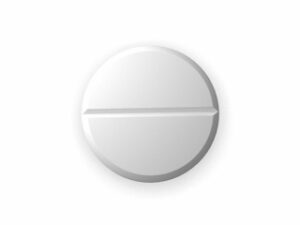
| How it’s taken | Oral tablets (swallowed with water) |
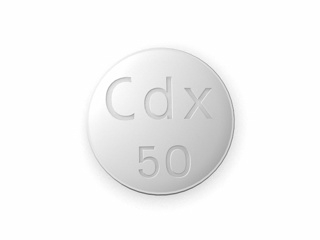
| Typical strengths | Often 50 mg or 150 mg tablets, depending on the regimen |
| Therapeutic area | Prostate cancer |
| ATC/Drug class (general) | L02BB03 (anti-androgens) |
Important: Always use your medicine exactly as directed by your healthcare team. Different regimens exist (monotherapy or combined with other medicines).
How bicalutamide works (mechanism of action)
Bicalutamide works by blocking the androgen (male hormone) receptor in prostate cells. Testosterone and related hormones (“androgens”) can stimulate prostate cancer growth. By preventing androgens from binding to their receptors, bicalutamide helps:
- Reduce cancer cell stimulation from testosterone
- Slow tumour growth or disease progression
- Improve disease control in certain prostate cancer stages
It does not “remove” testosterone from the body; instead, it blocks the hormone’s effect at the cellular level.
Pharmacokinetics (how the body handles bicalutamide)
Understanding pharmacokinetics can help explain why dosing schedules and missed doses matter.
- Absorption: After oral dosing, bicalutamide is absorbed into the bloodstream.
- Distribution: It is widely distributed in the body, including tissues involved in its therapeutic effect.
- Metabolism: Bicalutamide is extensively metabolised in the liver (primarily by CYP-related pathways).
- Elimination: The medicine is cleared over time through metabolic pathways and excretion of metabolites.
- Half-life (key point): Bicalutamide has a long half-life, meaning it remains active in the body for an extended period after dosing.
Practical consequence: Because levels change gradually, taking the medicine at roughly the same time each day supports stable exposure. Missing occasional doses may reduce effectiveness, but stopping suddenly should be discussed with your clinician.
Typical use and indications
Bicalutamide is used in the management of prostate cancer. Depending on the specific diagnosis and stage, it may be used:
- Alone (monotherapy) for certain patients with localised or locally advanced disease
- With other treatments (commonly combined with therapies that reduce androgen production, such as GnRH/LHRH analogues) for more advanced disease
- As part of a broader treatment plan guided by tumour stage, risk category, and patient factors
Note: Your healthcare team will select the most appropriate regimen based on clinical guidelines and your individual situation.
Timing: when to take bicalutamide
Bicalutamide is usually taken . Your specific dose and schedule depend on the chosen regimen.
- Choose a consistent time: Taking it at the same time each day helps you remember and keeps blood levels steadier.
- With or without food: It can generally be taken regardless of meals (see food interactions below).
- Missed dose: If you miss a dose, take it when you remember on the same day. If it’s close to the next scheduled dose, skip the missed dose and return to your normal schedule. Do not double up.
Food interactions
For most people, bicalutamide can be taken with or without food. Food does not generally require special timing adjustments.
That said, individual tolerability varies. If you experience stomach upset, nausea, or indigestion, you may find it easier to take the tablet with a light meal or after food.
General nutrition tips:
- Maintain hydration
- Limit alcohol if you have liver-related concerns or if you notice fatigue worsening
- Inform your clinician if you have digestive problems or unexplained weight loss
Alcohol and medicine interactions
Alcohol
Moderate alcohol use may be acceptable for some people, but caution is advised. Key reasons:
- Liver health: Bicalutamide is processed by the liver. Alcohol can also affect the liver, especially with frequent or heavy use.
- Side effects overlap: Alcohol can worsen dizziness, fatigue, mood changes, and nausea.
Practical advice:
- If you plan to drink alcohol, discuss your situation with your clinician, especially if you have known liver disease or abnormal liver tests.
- Consider limiting alcohol to reduce the risk of liver strain and treatment-related fatigue.
Medicine interactions (important)
Several medicines may interact with bicalutamide. Interactions may involve changes in bicalutamide levels or increased risk of side effects.
Tell your healthcare team and pharmacist about all medicines you take, including:
- Other cancer treatments
- Blood thinners (anticoagulants), such as warfarin
- Medicines for fungal or bacterial infections
- Medicines for epilepsy (anti-seizure medicines)
- Some antidepressants or sleep medicines
- Herbal products and supplements (e.g., St John’s wort)
- Over-the-counter medicines and pain relief products
Particular caution: Because bicalutamide can be involved in liver metabolism pathways, some medicines that strongly affect liver enzymes may alter bicalutamide exposure. Also, if you take warfarin or similar medicines, monitoring may be required.
If you’re unsure about a specific interaction, ask your pharmacist—online pharmacies can often provide interaction checks during dispensing.
Dosing: how much bicalutamide is usually taken
The dose of bicalutamide depends on the indication and regimen. Common approaches include:
- 50 mg once daily in certain combination regimens
- 150 mg once daily for specific monotherapy or prostate cancer settings as used in guidelines and clinical practice
Always follow your prescribed instructions (your exact dose and duration may differ from the typical options above).
How to take:
- Swallow the tablet whole with water.
- Try to take it at the same time each day.
- If you have difficulty swallowing tablets, discuss alternatives with your pharmacist or prescriber—do not crush unless instructed.
Duration of therapy: Bicalutamide is often used for a prolonged period. Regular follow-up and monitoring are important to assess response and side effects.
Safety profile: what to watch for
Like all medicines, bicalutamide can cause side effects. Many people experience mild to moderate effects, but some require prompt medical attention. Your healthcare team may monitor certain blood tests during treatment.
Common side effects
- Hot flushes
- Reduced libido (decreased sexual desire)
- Erectile dysfunction
- Breast tenderness or breast enlargement (gynaecomastia) in some people
- Fatigue or reduced energy
- Nausea or mild gastrointestinal upset
- Dizziness in some patients
Serious but less common risks
- Liver problems: Abnormal liver function tests may occur. Rarely, more serious liver injury can develop.
- Shortness of breath, swelling, or allergic-type reactions: Seek urgent advice if these occur.
- Changes in mood: Some people may experience depression or mood changes—tell your clinician promptly.
When to seek urgent medical help
Contact medical services urgently or seek emergency care if you develop:
- Yellowing of the skin or eyes (jaundice)
- Severe or persistent abdominal pain
- Dark urine or pale stools
- Unexplained severe fatigue with other symptoms
- Signs of a serious allergic reaction (e.g., facial swelling, trouble breathing, widespread rash)
Monitoring (typical)
Because liver metabolism is important for bicalutamide, clinicians may monitor:
- Liver function tests (such as ALT/AST and bilirubin)
- Prostate cancer response using PSA (prostate-specific antigen) and clinical assessment
- General health and medication tolerability
Practical use tips (make treatment easier)
- Use a medication schedule: A daily reminder (phone alarm, pillbox) can reduce missed doses.
- Manage hot flushes: Keep your room cool, wear breathable clothing, and avoid triggers like spicy foods and overheating.
- Support sexual health: If you experience changes in libido or erections, discuss options (including counselling, lifestyle changes, and available treatments) with your healthcare team.
- Protect bone and muscle health: Androgen deprivation effects can contribute to muscle loss over time. Ask about exercise plans, vitamin D/calcium intake, and bone health monitoring.
- Track symptoms: Keep a simple log of side effects and share it at appointments.
- Check before new medicines: If you start antibiotics, antifungals, seizure medicines, or herbal supplements, confirm there are no interaction concerns.
- Don’t stop suddenly: If you feel unwell, contact your clinician before stopping—sometimes side effects can be managed without interruption.
Alternative options
Depending on your cancer stage and risk category, there are several treatment options that may be considered. Alternatives are typically chosen by your oncology team and may include:
- Other androgen deprivation strategies, such as GnRH/LHRH analogues or antagonists
- Different anti-androgens used in prostate cancer (for example, other receptor-targeting therapies)
- Combination regimens (anti-androgen plus hormone therapy)
- Radiation therapy and/or surgery for certain localised scenarios
- Additional systemic therapies for advanced disease, guided by tumour characteristics and response
Because options depend heavily on individual clinical factors, the best alternative is the one that matches your diagnosis and treatment goals.
Market and legal context for Australia
In Australia, prescription medicines are regulated under national and state/territory health frameworks. Medicines used for prostate cancer—including bicalutamide—are typically regulated and supplied in line with Australian rules for cancer medicines and patient safety.
For online pharmacy purchasing, legitimate suppliers follow Australian requirements for:
- Patient identity verification
- Appropriate clinical checks where required
- Safe dispensing and product quality assurance
- Privacy and secure handling of personal information
Always buy from reputable Australian pharmacies that provide genuine product and clear information about storage, expiry, and delivery conditions.
Recent guidance and clinical updates (high-level)
Prostate cancer care evolves as evidence improves. While bicalutamide remains a widely used anti-androgen, clinicians often base decisions on current guidelines that consider:
- Risk category (localised vs locally advanced vs metastatic)
- Overall health and comorbidities
- Goals of treatment (disease control, delaying progression, symptom relief)
- Potential benefits and side effect profiles of different hormone therapies
It’s common for treatment plans to include monitoring of PSA levels and side effects, especially liver function where relevant. Your healthcare team may also adjust therapy timing based on response and tolerance.
Delivery and availability in Australia
Online pharmacies in Australia may offer bicalutamide tablets based on stock availability and product availability from Australian distributors. Delivery options often include standard and express shipping depending on your location.
What to expect when ordering:
- Stock checks: availability can vary by strength and tablet formulation
- Packaging: medicines should arrive in original manufacturer packaging
- Storage: store tablets as directed on the pack (generally at room temperature, protected from moisture and heat)
- Expiry dates: reputable suppliers provide current stock with clear expiry information
Delivery note: If you need the medicine urgently, check estimated delivery times before confirming your order and ensure someone can receive it safely.
Safety information you should know before starting
- Liver health matters: If you have a history of liver disease or previously abnormal liver tests, tell your clinician before starting.
- Medication review is important: Bring a list of all medicines and supplements, including herbal products.
- Cardiovascular considerations: People with existing heart or vascular conditions should be monitored closely, as androgen-related therapies can affect risk factors.
- Pregnancy and contraception: Bicalutamide is intended for people with prostate cancer. It is not for use in women. If there is any chance of exposure during handling, follow pharmacy advice and packaging directions.
FAQ – Bicalutamide
1) What is bicalutamide used for?
Bicalutamide is used mainly to treat prostate cancer. It can be used alone or combined with other hormone-related therapies depending on your cancer stage and treatment plan.
2) How quickly will bicalutamide start working?
Some effects on hormone-driven prostate cancer activity may occur within weeks, but the degree and timing of response vary. PSA monitoring and clinical follow-up help determine how well the treatment is working.
3) Can I take bicalutamide with food?
Yes. Bicalutamide is generally taken with or without food. If you experience nausea, try taking it with a light meal.
4) Can I drink alcohol while taking bicalutamide?
Moderate alcohol may be acceptable for some people, but caution is advised because bicalutamide is processed by the liver and alcohol can also affect liver health. Ask your pharmacist or clinician for personal advice.
5) What side effects are most common?
Common side effects include hot flushes, reduced libido, erectile dysfunction, fatigue, and possible breast tenderness or breast enlargement.
6) Are there any serious warning signs?
Yes. Seek urgent medical advice if you develop symptoms that may indicate liver problems, such as yellowing of the eyes/skin, dark urine, pale stools, or severe abdominal pain.
7) What should I do if I miss a dose?
Take it when you remember on the same day. If it’s close to the next dose, skip the missed dose and continue as normal. Do not double the dose.
8) What medicines should I avoid or be careful with?
Interaction risk exists with some medicines, particularly those that affect liver enzymes or anticoagulants such as warfarin. Always provide your full medication list to your pharmacist for interaction screening.
9) How is bicalutamide monitored during treatment?
Clinicians may monitor liver function tests and track prostate cancer response (often using PSA levels) as well as general side effects and wellbeing.
10) Is bicalutamide the same as other prostate cancer hormone medicines?
No. Bicalutamide is an anti-androgen that blocks androgen receptors. Other treatments may lower testosterone levels or use different mechanisms. Your oncology team will choose the most suitable approach.
Disclaimer: This information is for general educational purposes. Individual treatment plans vary. If you have questions about suitability, side effects, or interactions, speak with your pharmacist or healthcare team.