
Hydrea (Hydroxyurea) — Patient Information (Australia)
Hydrea contains hydroxyurea, a medicine used in specific blood disorders and cancers. This guide explains how Hydrea works, how it is usually taken, key safety points, and practical advice to help you use it more confidently.
Important: This information is general and cannot replace advice from your doctor. Your dose and monitoring schedule are tailored to your condition, blood counts, kidney function and other medicines you may be taking.
Basic Product Information
- Medicine name: Hydrea (hydroxyurea)
- Active ingredient: Hydroxyurea
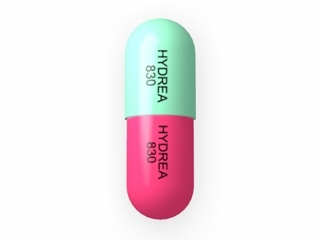
- Common form: Oral capsule or tablet (strengths may vary by product)
- Therapeutic class: Antimetabolite / antineoplastic agent; also used as a disease-modifying therapy in certain blood disorders
- How it’s used: Typically taken long-term in chronic conditions, or for defined treatment courses in some cancers
- Who it suits: Selected adults (and sometimes children under specialist care) based on diagnosis and laboratory monitoring
How Hydrea Works (Mechanism of Action)
Hydroxyurea interferes with the way rapidly dividing cells make DNA. It primarily:
- Inhibits ribonucleotide reductase — an enzyme needed to build DNA building blocks.
- Reduces DNA synthesis — particularly affecting cells that divide quickly.
- Helps control overproduction of blood cells in certain bone marrow conditions, lowering elevated blood counts.
In cancers, this DNA-targeting effect can slow tumour growth. In specific blood disorders such as myeloproliferative neoplasms (MPNs), Hydrea can help bring blood counts under control and reduce symptoms related to high cell counts.
Pharmacokinetics (How the Body Handles It)
Pharmacokinetics describes how the medicine is absorbed, distributed, metabolised and eliminated.
- Absorption: Hydroxyurea is absorbed from the gastrointestinal tract.
- Distribution: It can distribute throughout the body, including into tissues involved in blood cell production.
- Metabolism: Hydroxyurea is metabolised in the liver and other tissues.
- Elimination: It is excreted primarily through the kidneys (urinary elimination). Kidney function can influence exposure.
- Half-life: The medicine has an elimination half-life that supports once or twice daily dosing in many regimens; dosing schedules depend on the specific condition.
Because Hydrea affects bone marrow activity, regular monitoring of full blood counts (FBC) is central to safe use.
Typical Uses in Australia
Hydrea is used under specialist management for certain indications. Common categories include:
- Myeloproliferative neoplasms (MPNs), including:
- Polycythaemia vera (PV)
- Essential thrombocythaemia (ET)
- Some patients with myelofibrosis may also be considered depending on overall treatment plan
- Certain cancers where hydroxyurea is an option, depending on cancer type and treatment strategy.
Note: Availability and recommended use can vary by product registration status and evolving clinical guidelines. Your healthcare team will confirm the intended purpose for your specific diagnosis.
When to Take Hydrea (Timing and Adherence)
Hydrea is usually taken once daily or in divided doses (e.g., once or twice daily) depending on your prescribed regimen and local protocols. Follow your own dose schedule exactly.
Practical timing tips
- Choose a consistent daily routine to maintain steady exposure.
- If prescribed twice daily, try to take doses roughly 12 hours apart.
- Swallow capsules whole with water. Do not open or crush unless your pharmacist advises otherwise.
- If you miss a dose, do not double to “catch up.” Instead, take your next dose at the usual time and contact your clinician or pharmacist for guidance.
Food Interactions
Hydroxyurea can be taken with or without food for many patients. However, individual tolerance varies.
- General approach: You may be advised to take it consistently the same way each day (with food or without food).
- Stomach upset: If you experience nausea, some people find taking Hydrea with food reduces discomfort.
- Do not change your routine without advice if you are experiencing side effects or if your dose is being adjusted.
Always follow your prescriber’s and pharmacist’s instructions regarding timing with meals.
Alcohol Interactions
There is no single universal “no alcohol” rule for Hydrea, but alcohol can increase risks such as:
- Stomach irritation and nausea
- Dehydration and fatigue
- Greater strain on the liver in people with liver disease or those taking other medications metabolised by the liver
- Higher infection risk complications if bone marrow suppression occurs (infection can be serious)
Patient-friendly recommendation: If you choose to drink alcohol, keep it minimal and discuss it with your healthcare team—especially if you have liver problems, low blood counts, or frequent side effects.
Medicine Interactions (Including OTC and Supplements)
Hydroxyurea can interact with other medicines, mainly because it can affect bone marrow function and DNA synthesis. Tell your healthcare team about all medicines you take, including:
- Prescription medicines
- Over-the-counter (OTC) medicines
- Herbal products (e.g., St John’s wort)
- Vitamins or supplements
- Traditional medicines
Medicines that may require extra caution
- Other cancer treatments (chemotherapy, radiotherapy) — increased risk of severe blood count suppression.
- Medicines that suppress the immune system — higher risk of infection and related complications.
- Other myelosuppressive agents — additive effects on blood cells.
- Antiretroviral drugs used in HIV care — specific combinations may alter exposure or increase toxicity.
- Vaccines: If you have low white blood cell counts, live vaccines may not be recommended. Discuss immunisations with your clinician.
OTC and supportive medicines
- Pain relief: You may use common pain relief options, but always confirm which are safe for you, particularly if your platelet count is low.
- Fever and infection symptoms: Get medical advice quickly rather than self-treating with multiple OTC products.
Tip: Keep an up-to-date medication list on your phone or a written sheet to show healthcare providers at each visit.
Indications and Treatment Goals
Hydrea is used for conditions where controlling abnormal blood cell production or tumour growth is important. Treatment goals often include:
- Reducing high blood counts (e.g., high red cells or platelets)
- Lowering risk of blood clots and related complications in MPNs (often as part of a broader plan)
- Improving symptoms such as headaches, flushing, itching or fatigue (when related to the underlying condition)
- Achieving disease control and reducing the need for more intensive interventions
Your clinician may combine Hydrea with other therapies, such as low-dose aspirin or other medicines depending on your risk profile and blood results.
Dosing (General Information)
Dose must be individualised. The amount of Hydrea you take depends on:
- Your diagnosis
- Your blood counts (FBC)
- Kidney function
- Previous treatment history
- Treatment response and side effects
Starting and adjusting doses: Many patients begin at a dose designed to balance effectiveness with safety, and then the dose is adjusted based on follow-up blood tests.
Common dosing patterns (illustrative)
Hydroxyurea is typically taken once daily or split into divided doses (often once or twice daily). The exact schedule varies by condition and local protocols.
- MPNs: Initial dosing is often followed by gradual adjustment to reach targeted blood count control.
- Cancers: Dosing can vary with treatment goals and may be combined with other therapy.
Because blood count suppression can occur, dose adjustments are commonly based on the results of regular FBC monitoring. Do not self-adjust your dose.
Safety Profile (What to Watch For)
Hydrea’s main safety considerations relate to its effects on bone marrow, which can lower blood cell counts and increase infection or bleeding risk. The safety profile also includes possible effects on the skin, gastrointestinal system, and (less commonly) other organs.
Common or expected side effects
- Low blood counts (anaemia, neutropenia, thrombocytopenia)
- Fatigue
- Nausea, appetite changes, indigestion
- Diarrhoea or constipation
- Mouth soreness or ulcers
- Skin changes (dryness, rash; some patients are sensitive to sunlight)
Serious side effects — seek urgent medical advice
Contact your healthcare provider urgently or seek emergency care if you develop:
- Fever or signs of infection (especially if you know your white blood cell counts are low)
- Unusual bruising or bleeding (e.g., nosebleeds, bleeding gums, blood in urine/stool)
- Severe mouth ulcers or inability to drink fluids
- Severe shortness of breath, chest pain, or significant weakness
- Allergic-type reactions (swelling of face/lips, difficulty breathing, widespread rash)
Long-term considerations
With prolonged use, ongoing monitoring is important. Your clinician will review your blood counts and overall health regularly. Tell your clinician about new symptoms, persistent skin changes, or unusual bruising/bleeding.
Practical Use Tips
1) Monitoring is part of the treatment
Hydroxyurea typically requires regular blood tests to track:
- White blood cells (infection risk)
- Red blood cells (anaemia/fatigue)
- Platelets (bleeding risk)
- Kidney and liver function may also be checked
What to do: Keep all laboratory appointments. If you delay blood tests, dose changes may be unsafe.
2) Skin protection
Hydroxyurea may increase sensitivity to sunlight. To reduce irritation and potential skin damage:
- Use sunscreen (SPF 30+)
- Wear protective clothing and hats
- Avoid excessive sun exposure
3) Mouth care
- Maintain gentle oral hygiene
- Report mouth soreness early—treatments may help prevent worsening
- Avoid smoking and alcohol-based mouthwashes if they irritate your mouth
4) Infection prevention
- Practice good hand hygiene
- Avoid close contact with people who are unwell
- Seek medical advice promptly if you have fever, chills, or persistent cough
5) Handling medication safely
Consider safety precautions when handling capsules/tablets, especially if others in your home handle your medication:
- Do not open capsules or crush tablets unless instructed.
- Keep out of reach of children.
- Wash hands after handling.
- If a tablet/capsule is accidentally spilled, avoid direct contact and clean surfaces according to local pharmacy guidance.
Alternative Options
Alternative treatments depend on the specific condition (e.g., polycythaemia vera, essential thrombocythaemia, certain cancers) and your overall health. Discuss your options with your treating specialist.
Potential alternatives for MPNs
- Interferon-based therapies (in selected patients, depending on availability and suitability)
- Other cytoreductive agents used under specialist care
- Watchful waiting or low-intensity approaches in low-risk patients (depending on diagnosis and risk factors)
- Supportive care such as symptom management and clot-prevention strategies (e.g., aspirin where appropriate)
Potential alternatives for cancer-related use
- Other chemotherapy regimens
- Radiotherapy or targeted therapies depending on cancer type
- Supportive medicines to manage side effects
Your clinician can explain why Hydrea is selected for you compared with other options.
Market and Legal Context for Australia (Overview)
In Australia, the availability of medicines is regulated through the Australian Therapeutic Goods Administration (TGA). Products must meet local quality, safety and performance requirements.
Hydroxyurea medicines such as Hydrea may be supplied through pharmacies in line with relevant scheduling and patient requirements. Your healthcare team and dispensing pharmacy will advise on eligibility, supply limits and monitoring requirements where applicable.
Funding and access: Some medicines may be listed on the Pharmaceutical Benefits Scheme (PBS) depending on the approved indication, patient criteria and prescribing arrangements. You may also be supplied via private prescription pathways depending on your situation.
Quality assurance: Australian pharmacies source medicines from licensed wholesalers and manufacturers. Always use pharmacy-supplied products and avoid unverified sources.
Recent Guidance and Ongoing Updates
Clinical practice for hydroxyurea use in blood disorders evolves with new evidence and guideline updates. In Australia, clinicians commonly base decisions on:
- Specialist haematology guidance for MPN risk stratification and monitoring
- Local treatment protocols for dose adjustment and blood count targets
- Product information (TGA-approved consumer medicine information) and safety communications
What this means for you: Your monitoring schedule and dose may change over time. If you receive updates from your healthcare team (for example, changes in blood count targets or monitoring frequency), follow those instructions promptly.
Delivery and Availability (Online Pharmacy)
Hydrea availability can depend on stock levels and the strength/formulation you require. When ordering online through an Australian pharmacy service:
- Check stock and processing times at checkout.
- Allow time for dispensing and any safety checks.
- For repeat medicines, ensure you have valid refills aligned with your monitoring plan.
Delivery: Delivery options typically include standard or express post/currier services depending on location. You’ll usually receive tracking information where available.
Storage: Keep Hydrea in a cool, dry place and follow the instructions on the pack. Store out of reach of children.
FAQ — Frequently Asked Questions
1. What is Hydrea used for?
Hydrea (hydroxyurea) is used for selected blood disorders such as myeloproliferative neoplasms (including polycythaemia vera and essential thrombocythaemia) and for some cancer-related indications. Your healthcare team will confirm the specific reason for your treatment.
2. How long does Hydrea take to work?
In many blood disorders, improvements in blood counts can be seen within weeks, but full response can take longer. Dose adjustments based on your blood tests help achieve safe and effective control.
3. How often will I need blood tests?
Initially, blood counts may be checked frequently (e.g., every 1–2 weeks or as advised) to guide dose adjustments. Over time, the interval may become longer if stable. Follow your specialist’s monitoring plan.
4. What happens if my blood counts drop too much?
If your white blood cells or platelets fall, your clinician may reduce your dose or pause Hydrea until recovery. This is why regular monitoring is essential.
5. Can I take Hydrea with food?
Hydroxyurea is commonly taken with or without food, but try to keep your routine consistent. If nausea occurs, your pharmacist or clinician may advise taking it with food.
6. Can I drink alcohol while taking Hydrea?
Alcohol may increase side effects such as stomach upset, fatigue and potential liver strain. Keep intake minimal and discuss your specific situation with your healthcare team—especially if you have liver problems or significant blood count changes.
7. Are there medicines I should avoid?
Hydroxyurea may interact with other medicines that affect blood counts or the immune system. Always provide a complete medication list (including OTC medicines and supplements) to your pharmacist and clinician.
8. What should I do if I miss a dose?
Don’t double the next dose. Take your next dose at the usual time and contact your pharmacist or clinician if you’re unsure.
9. How should I manage side effects like nausea or mouth sores?
Report symptoms early. There are often supportive treatments that can reduce severity. Avoid harsh mouth products, maintain hydration, and inform your healthcare team promptly.
10. When should I seek urgent care?
Seek urgent medical help for fever, signs of infection, unusual bleeding/bruising, severe mouth ulcers, or any allergic reaction symptoms.
Summary
Hydrea (hydroxyurea) is a medicine that helps control certain blood disorders and cancers by slowing DNA synthesis in rapidly dividing cells. Because it can affect bone marrow function, safe use relies on regular blood monitoring, awareness of infection/bleeding warning signs, and careful management of side effects.
If you have questions about how to take Hydrea, what to expect, or how it fits with your other medicines, speak with your pharmacist or treating specialist. They can help tailor guidance to your diagnosis and test results.
| Topic | Key points for patients |
|---|---|
| What it is | Hydrea contains hydroxyurea, an antimetabolite medicine. |
| Why it’s used | Selected MPNs (e.g., PV, ET) and some cancer-related indications. |
| How it works | Inhibits DNA-building processes in rapidly dividing cells. |
| How to take | Follow your exact dosing schedule; do not adjust without advice. |
| Food | May be taken with or without food; keep routine consistent. |
| Alcohol | Use caution; alcohol can worsen side effects and may stress the body. |
| Monitoring | Regular full blood counts are essential for safe dose adjustment. |
| Seek urgent help | Fever/infection, unusual bruising/bleeding, severe mouth ulcers, allergic symptoms. |