

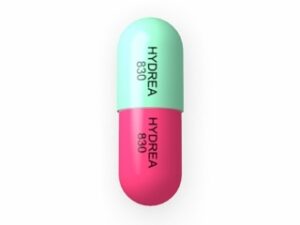

Hydroxyurea (Hydroxyurea) — Patient Guide (Australia)
Hydroxyurea is a medicine used to treat certain blood disorders and some cancers. It works by slowing down the growth of specific blood-forming cells. For many people, it helps reduce symptoms, lower abnormal blood counts, and decrease the risk of complications.
This guide is written to be patient-friendly and practical. It explains how hydroxyurea works, how it’s used, timing and food/alcohol interactions, safety considerations, and what to expect in everyday life in Australia.
Basic product information
| Category | Details |
|---|---|
| Generic name | Hydroxyurea |
| Common brand examples* | May vary by manufacturer and supply |
| Dosage forms | Tablets (strengths vary by product) |
| How it’s taken | By mouth, usually once daily (exact schedule depends on indication) |
| Where it’s used | Blood disorders (e.g., myeloproliferative neoplasms) and some cancers |
| Monitoring | Regular blood tests are essential |
*Brand availability can vary. Your pharmacist or doctor can confirm the specific product you’re taking.
How hydroxyurea works (mechanism of action)
Hydroxyurea belongs to a group of medicines that affect cell growth. It primarily:
- Inhibits ribonucleotide reductase, an enzyme needed to make DNA building blocks.
- Reduces DNA synthesis, which slows or stops cell division in cells that are rapidly multiplying.
- Helps control overproduction of blood cells in certain bone marrow disorders.
In some cancers, including certain solid tumours or blood cancers (depending on the treatment plan), slowing rapid cell growth can help control disease.
Pharmacokinetics (how the body handles it)
Pharmacokinetics describes what the body does to a medicine—absorption, distribution, metabolism, and elimination.
- Absorption: Hydroxyurea is generally well absorbed after oral dosing.
- Distribution: It distributes into body tissues, including bone marrow.
- Metabolism: It is metabolised mainly in the liver (details vary by patient factors).
- Elimination: Metabolites are excreted primarily via the kidneys.
- Half-life: The time it takes for the drug level to reduce by half is relatively variable; dosing schedules are tailored to your situation and blood counts.
Key point: Because hydroxyurea affects rapidly dividing cells, the most important “pharmacokinetic” factor for real life is how it changes your blood counts over time—hence regular monitoring.
Typical use in Australia
Hydroxyurea is used for conditions where reducing excessive blood cell production or tumour cell proliferation is beneficial. Common Australian clinical use includes:
- Myeloproliferative neoplasms (MPNs), such as:
- Essential thrombocythaemia
- Polycythaemia vera
- Primary myelofibrosis (in selected situations)
- Some cancers where hydroxyurea is part of a regimen or when other therapies are not suitable.
Your doctor will choose hydroxyurea only when it fits your diagnosis, risk profile, and treatment goals. Use and dosing can differ widely between conditions.
Indications (what conditions it may be used for)
Indications can depend on local treatment guidelines and the specific product’s registered uses. In general terms, hydroxyurea may be considered for:
- Chronic myeloproliferative disorders to reduce blood counts and lower risk of clotting or related complications.
- Symptomatic control in selected patients when excessive cell production causes problems (for example, enlarged spleen, high counts, or symptoms related to blood cell overproduction).
- Certain malignancies as determined by oncology care plans.
If you’re unsure why you are taking hydroxyurea, ask your clinician to explain your specific diagnosis and goals of therapy.
How to take hydroxyurea: timing and consistency
Hydroxyurea is usually taken:
- At the same time each day to maintain stable daily exposure.
- Once daily in many regimens, but follow your specific schedule.
- On an ongoing basis—it often takes time for blood counts to stabilise.
Timing with daily life: Many people find it easiest to take hydroxyurea at a regular time such as after breakfast or at bedtime. Choose a time you can consistently remember.
Missed dose: If you miss a dose, follow the advice you received from your healthcare team. In general, do not double up unless instructed.
Food interactions (can you take it with meals?)
Hydroxyurea can usually be taken with or without food. Some people prefer taking it with food to reduce stomach upset.
- If you notice nausea or stomach discomfort, consider taking hydroxyurea with a meal.
- Try to keep your routine consistent (for example, always with breakfast or always on an empty stomach—whichever suits you best).
Important: Avoid changing eating habits drastically around dosing without checking with your pharmacist if you have experienced side effects or are having difficulty maintaining your blood counts.
Alcohol and medicine interactions
Because hydroxyurea can affect the bone marrow and may also impact the liver, it’s generally wise to limit alcohol.
- Alcohol: Moderate or heavy alcohol use may increase risk of side effects such as fatigue, stomach irritation, and liver strain.
- General advice: Discuss your alcohol intake with your clinician. If you have liver disease or have had abnormal liver function tests, extra caution is recommended.
Hydroxyurea may interact with other medicines primarily through effects on blood cell production and organ function. Always tell your pharmacist about:
- Other cancer treatments
- Medicines that affect the immune system
- Drugs that can also suppress bone marrow
- Medicines that require careful blood count monitoring
Do not start or stop other medicines or supplements without advice, especially if they could affect immunity, blood counts, or kidney function.
Dosing: what to expect
Hydroxyurea dosing is individual and depends on your diagnosis, blood counts, kidney function, and treatment goals. Doses are adjusted over time (a process called dose titration).
- Initial dose is chosen based on clinical factors and baseline blood results.
- Regular monitoring is used to adjust the dose to maintain blood counts within target ranges.
- Response may take time; counts may improve over weeks rather than days.
Standard dosing principles (general):
- Dose is often reduced if blood counts drop too far.
- Dose may be increased gradually if counts remain too high or symptoms persist, depending on safety and targets.
- Kidney function may affect dosing; people with reduced renal function may need careful adjustment.
Important: This website provides general information. Your exact dose and schedule should be confirmed by your healthcare team and the product label for your specific situation.
Safety profile: common side effects and what to watch for
Hydroxyurea can cause side effects because it affects rapidly dividing cells not only in the bone marrow but also in other tissues. Most side effects are manageable, and careful blood tests help reduce risks.
Common side effects
- Lowered blood counts (myelosuppression), such as reduced white blood cells, red blood cells, or platelets
- Fatigue
- Nausea or mild stomach upset
- Loss of appetite
- Headache
- Skin changes such as darkening or dry skin; nails may become brittle in some people
- Mouth sores (sometimes called mucositis)
Serious side effects — seek urgent medical help
- Signs of infection: fever, chills, sore throat, or any infection that develops quickly (especially if your white count is low)
- Unusual bleeding or bruising: nosebleeds, bleeding gums, blood in urine/stool, or widespread bruises (possible low platelets)
- Severe shortness of breath or extreme tiredness (possible significant anaemia)
- Severe mouth sores or inability to eat/drink
Safety note: If you feel unwell while on hydroxyurea, contact your healthcare team promptly. Early assessment helps prevent complications.
Practical use tips
These tips can help you use hydroxyurea safely and make monitoring easier.
- Keep all blood test appointments: Hydroxyurea requires regular monitoring to reduce risks related to lowered blood counts.
- Use a consistent routine: Take your dose at the same time each day and track it.
- Protect your skin: Sun exposure may worsen skin effects. Use sunscreen (SPF 30+), wear protective clothing, and avoid prolonged sun.
- Maintain good oral care: Brush gently, use a soft toothbrush, and ask about mouth rinse options if you develop mouth sores.
- Stay hydrated: Drinking adequate fluids may help support kidney function and overall wellbeing.
- Avoid sharing medication or handling tablets unnecessarily.
- Store safely: Keep out of reach of children and store according to the product instructions.
Handling tablets: If you or a caregiver must handle tablets, avoid unnecessary skin contact. Wash hands after handling.
Kidney and liver considerations
Hydroxyurea is processed partly by the kidneys. People with reduced kidney function may require different dosing or additional monitoring.
- Kidney impairment: your clinician may adjust the dose and check blood tests more frequently.
- Liver impairment: monitor liver function if advised; alcohol should be limited.
Tell your clinician if you have known kidney or liver disease, or if you have had past episodes of abnormal blood counts on similar treatments.
Fertility, pregnancy, and breastfeeding (general precautions)
Hydroxyurea may affect rapidly dividing cells, so special precautions may be needed for people who are trying to conceive, are pregnant, or are breastfeeding.
- Pregnancy: discuss pregnancy planning and contraception with your clinician before starting hydroxyurea.
- Breastfeeding: ask your clinician whether breastfeeding is appropriate during treatment.
- Fertility: treatment may affect reproductive health; speak with your doctor for individual advice.
Because recommendations can be highly individual, follow the guidance provided by your healthcare team.
Alternative options
Depending on your diagnosis and risk profile, alternatives may include other medicines used for MPNs or cancer treatments, as well as supportive care.
For myeloproliferative neoplasms (examples)
- Ruxolitinib (in selected patients, particularly for myelofibrosis or persistent symptoms)
- Interferon-based therapies (sometimes considered, depending on patient factors)
- Busulfan (in selected older patients or when appropriate)
- Phlebotomy for polycythaemia vera (where applicable)
Supportive measures
- Low-dose aspirin for clot risk management in selected MPN patients (doctor-guided)
- Transfusions for symptomatic anaemia in some situations
Your clinician can explain which options are most appropriate for you, including benefits, risks, and monitoring requirements.
Delivery and availability in Australia
Hydroxyurea availability may depend on supply and the specific tablet strength you require. In Australia, medicines are typically supplied through pharmacy channels supported by national distribution networks.
- Stock checks: Many online pharmacies confirm stock availability and estimated dispatch times.
- Packaging: Medications are shipped in protective packaging to maintain safe handling and prevent damage.
- Delivery areas: Coverage can vary by provider; check the delivery postcode options at checkout.
- Order processing: Processing time may vary (weekdays versus weekends and public holidays).
Tip: If you have limited flexibility with dose timing, consider ordering ahead of time to avoid delays.
Market and legal context for Australia (general)
In Australia, medicines are regulated by the Therapeutic Goods Administration (TGA). Hydroxyurea is a prescription-only medicine (in general for many markets, including Australia) and must be supplied in line with Australian pharmacy and medicines legislation.
Online pharmacies in Australia must comply with:
- Licensing and accreditation requirements
- Correct identification and dispensing processes
- Appropriate information provision to support safe use
If you’re purchasing online, ensure the pharmacy website provides clear contact details, Australian pharmacy registration, and transparent shipping information.
Recent guidance and monitoring considerations
Clinical practice evolves. In recent years, ongoing guidance for hydroxyurea has focused on safe dosing and monitoring—particularly:
- Regular full blood counts to avoid severe myelosuppression.
- Individualised dose adjustments based on response and toxicity.
- Careful management of infections and bleeding risk due to low blood counts.
- Long-term skin monitoring where relevant, including counselling on sun protection.
Your clinician may also update monitoring intervals or supportive medicines based on your latest results and symptoms.
When to contact your healthcare team
Contact your healthcare team promptly if you experience:
- Fever or signs of infection
- Unusual bruising, bleeding, or prolonged bleeding
- Severe mouth sores or inability to eat/drink
- Shortness of breath, chest discomfort, or severe fatigue
- New or worsening skin changes
Do not wait for your next appointment if symptoms are concerning.
FAQ — Hydroxyurea
1) How long does it take for hydroxyurea to work?
Many people notice improvements in blood counts over weeks. The exact timeline depends on your diagnosis, starting dose, baseline blood counts, and how quickly your regimen is adjusted.
2) What blood tests will I need?
Most monitoring includes full blood counts (and sometimes kidney/liver function tests). Your clinician uses results to adjust the dose and reduce the risk of serious side effects.
3) Can I take hydroxyurea with meals?
Generally, yes—hydroxyurea can be taken with or without food. If you get nausea, taking it with food may help.
4) Can I drink alcohol while taking hydroxyurea?
It’s best to limit alcohol. Alcohol can increase risk of side effects and may affect the liver and overall wellbeing. Ask your clinician what level is safe for you.
5) What should I do if I miss a dose?
Follow the guidance provided by your healthcare team or pharmacist. In most cases, don’t double the dose. If you’re unsure, ask before taking extra.
6) What are the main risks of hydroxyurea?
The most important risks relate to lowered blood counts, which can lead to infection, bleeding, or anaemia. Regular blood tests help manage these risks.
7) Can hydroxyurea affect my skin?
Yes. Skin darkening, dryness, and other skin changes can occur. Use sun protection and report new or unusual skin changes to your clinician.
8) Are there drug interactions I should know about?
Because hydroxyurea affects cell division and blood counts, interactions can occur with medicines that also affect the bone marrow or immune system. Tell your pharmacist about all medicines (including supplements) you take.
9) Is hydroxyurea safe long-term?
Many patients use hydroxyurea for extended periods under close monitoring. Long-term safety depends on your dose, response, and individual risk factors, so ongoing blood tests and clinical review are essential.
10) Are there alternatives to hydroxyurea?
Depending on your condition, options may include other targeted medicines and supportive therapies. Your clinician can advise the most suitable approach for your diagnosis.
Summary
Hydroxyurea is an oral medicine used to manage certain blood disorders and some cancers by slowing DNA synthesis and cell division. It requires regular blood monitoring to keep doses safe and effective. Most patients can take it with or without food, and practical steps—like consistent timing, sun protection, and prompt reporting of infection or bleeding—help maintain safety.
If you have questions about how hydroxyurea fits your treatment plan, or you’re unsure about side effects or monitoring schedules, speak with your healthcare team or pharmacist.