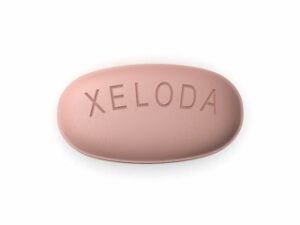



Capecitabine (Capecitabine Tablets) — Patient Guide (Australia)
Capecitabine is an oral anticancer medicine used to treat several cancers, including breast, colorectal, and some stomach (gastric) cancers. It is designed to work mainly inside cancer cells after being converted into its active form in the body. This patient-friendly guide explains what capecitabine is, how it works, how it’s taken, important food and medicine interactions, safety information, and practical tips to help you use it more confidently.
Important: Cancer medicines can be complex. Always follow your oncology team’s instructions exactly, including dose, schedule, lab monitoring, and what to do if side effects occur.
Basic product information
| Category | Details |
|---|---|
| Generic name | Capecitabine |
| Common form | Oral tablets (usually taken in cycles) |
| Brand examples | May vary by availability (generic capecitabine is commonly used) |
| Medicine type | Antimetabolite chemotherapy (pyrimidine analogue) |
| How it’s taken | By mouth, usually twice daily on a defined schedule |
How capecitabine works (mechanism of action)
Capecitabine belongs to a group of medicines that interfere with DNA production. It is called a “prodrug,” which means it is converted into an active drug in the body rather than being fully active when first taken.
- Step 1: After you swallow capecitabine, it is absorbed into the bloodstream.
- Step 2: It is processed by enzymes in the liver and then further converted to the active anticancer compound.
- Step 3: In some tissues, including areas where cancer is present, the conversion is enhanced, leading to more active drug availability where it’s needed.
- Step 4: The active drug disrupts DNA synthesis in rapidly dividing cells, which helps slow or stop cancer growth.
Because it affects cells that multiply quickly, side effects can sometimes occur in normal tissues that also have a high turnover (such as the lining of the gut, skin, and bone marrow).
Pharmacokinetics (what the body does to capecitabine)
“Pharmacokinetics” describes how the body absorbs, distributes, metabolises, and eliminates a medicine. Key points:
- Absorption: Capecitabine is absorbed from the gastrointestinal tract and converted through metabolic pathways to active metabolites.
- Conversion: Several enzymes contribute to converting capecitabine into 5-fluorouracil (5-FU)–type activity. Tumour-related factors may contribute to higher local activation.
- Metabolism: Primarily hepatic and through pathways involving enzymes and subsequent catabolism.
- Elimination: Metabolites are eliminated mostly via the kidneys (urine). This is why kidney function matters for dosing.
- Half-life: The timing of effects is influenced by active metabolites and their clearance.
Your clinician may adjust dosing based on blood test results and organ function (especially kidney function) to balance effectiveness and safety.
Typical use and timing of doses
Capecitabine is commonly used in treatment cycles. A very common schedule is 14 days on treatment followed by 7 days off, repeated in cycles. However, your exact schedule may vary depending on the cancer type, treatment plan, and combination regimen.
General example of a common schedule:
- Take capecitabine twice daily (morning and evening)
- Typically 14 days followed by 7 days rest
- Then start the next cycle as directed
When during the day? Many patients find it helpful to use consistent meal times (see food section below) and set reminders to keep dosing on schedule.
Do not change the number of tablets or dosing times without guidance from your oncology team. Dose modifications are often part of managing side effects safely.
Food interactions: how to take capecitabine with meals
Food affects how capecitabine is absorbed. To achieve more reliable exposure:
- Take capecitabine with food. A typical recommendation is:
- Morning dose: with breakfast
- Evening dose: with dinner
- If you must miss a dose, follow your clinician’s instructions (many regimens advise not to double up). If you’re unsure, contact your care team or pharmacist.
- Keep meal timing consistent day to day.
If you experience nausea, vomiting, or poor appetite, ask your team about strategies to help you maintain adequate nutrition during treatment.
Alcohol interactions and lifestyle considerations
Alcohol is not always directly contraindicated with capecitabine, but it can increase the risk of certain side effects and complicate treatment.
- Potential concerns: alcohol may worsen nausea, diarrhoea, fatigue, dehydration, and liver stress.
- During diarrhoea or mouth sores: avoid alcohol because it can be dehydrating and may irritate the gut and mouth.
- With liver issues: use caution and discuss with your clinician, especially if you have abnormal liver function tests.
Practical recommendation: If you choose to drink alcohol, discuss a safe limit with your oncology team. Many patients are advised to minimise or avoid alcohol during chemotherapy.
Medicine interactions (including common OTC and complementary products)
Capecitabine can interact with other medicines, potentially affecting how well it works or increasing side effects. Always tell your oncology team about all medicines, including:
- Prescription drugs
- Over-the-counter medicines
- Herbal supplements and “natural” products
- Vitamins and minerals
Medication interaction examples to discuss with your pharmacist/doctor:
- Warfarin and similar anticoagulants: capecitabine may increase bleeding risk. If you take warfarin, INR monitoring may be needed.
- Phenytoin: levels may change; monitoring can be required.
- Folinic acid (leucovorin): may affect treatment outcomes when used as part of combined regimens.
- Allopurinol: can be relevant in certain settings; discuss before use.
- Antacids and acid-suppressing medicines: do not start new acid medications without advice, as changes in stomach environment may affect tolerance or absorption.
- Other chemotherapies or radiotherapy: timing and cumulative toxicity must be managed carefully.
OTC caution: Many OTC products (for example, anti-diarrhoeal medications, pain medicines, or cold/flu remedies) have ingredients that may affect hydration, liver function, or overall safety. Ask your pharmacist before starting anything new.
Indications: what cancers capecitabine may treat
Capecitabine is used in oncology for several indications. The exact use depends on cancer type, stage, and whether it is given alone or with other treatments.
Common indications include:
- Colorectal cancer (including adjuvant treatment after surgery in certain settings, and metastatic disease in appropriate plans)
- Breast cancer (including metastatic breast cancer in regimens used by specialists)
- Gastric (stomach) cancer and cancers of the gastro-oesophageal region
Because treatment decisions are individual, your oncology team will explain why capecitabine is recommended for your specific diagnosis and plan.
Dosing: how capecitabine dose is calculated and scheduled
Capecitabine dosing is typically based on body surface area (BSA), which accounts for height and weight. This helps clinicians choose a dose that balances effectiveness and safety.
- Your dose is measured in mg and is commonly prescribed as a total daily amount divided into two doses.
- Tablets come in different strengths; your dose may be a combination of tablet strengths to reach the prescribed total.
- Doses are usually scheduled for two times daily on specified days within each cycle.
Dose adjustments: Doses may be reduced or paused based on:
- Blood test results (for example, white blood cells or platelets)
- Kidney function
- Side effects such as diarrhoea, hand–foot syndrome, or severe mouth ulcers
- Infections or poor tolerance
Safety note: If you experience significant side effects, do not “push through” beyond what your care team has advised. Early intervention and dose adjustments are a key part of safe chemotherapy.
Safety profile: common and important side effects
Like all cancer medicines, capecitabine can cause side effects. Many are manageable with supportive care, dose adjustments, and prompt reporting.
Common side effects
- Hand–foot syndrome (palmar-plantar erythrodysesthesia): redness, swelling, pain, tingling, or peeling of the hands and feet
- Diarrhoea or stomach upset
- Nausea and sometimes vomiting
- Mouth sores (stomatitis)
- Fatigue
- Decreased appetite
- Skin changes
- Low blood counts (leading to infection risk, anaemia, or bruising/bleeding)
Serious side effects — seek urgent medical care
Contact your healthcare team urgently (or seek emergency care if advised) if you develop:
- Fever (for example, a fever that may indicate infection)
- Severe diarrhoea, dehydration, or inability to drink fluids
- Severe mouth sores affecting eating or drinking
- Signs of bleeding (unusual bruising, black/tarry stools, blood in vomit or stools)
- Severe shortness of breath or chest pain
- Signs of allergic reaction (swelling of face/lips, trouble breathing, widespread rash)
Your oncology team may provide a “call plan” describing exactly when and how to get help.
Managing key side effects
- Hand–foot syndrome: moisturise regularly, avoid friction and heat on hands/feet, use protective footwear, and report early symptoms.
- Diarrhoea: keep hydrated, follow your clinician’s plan for anti-diarrhoeal medicines, and report frequency changes promptly.
- Mouth sores: maintain gentle oral hygiene and report pain early for treatment recommendations.
- Fatigue: plan rest periods and conserve energy; report severe fatigue or dizziness.
Practical use tips (how to take capecitabine more smoothly)
Before you start
- Confirm your dose and schedule (days on/off, morning and evening timing).
- Know your tablet strengths and how many tablets you should take each time.
- Ask about what to do if you miss a dose.
- Plan for monitoring: blood tests and clinic reviews.
During treatment
- Take with meals (breakfast and dinner) to support reliable absorption and tolerance.
- Use a medication organiser (weekly box) if helpful—while ensuring you keep correct tablets for the correct days.
- Wash hands after handling tablets, and avoid touching your face.
- Store safely (out of reach of children, in the original packaging if possible).
When to contact your care team
Contact your oncology team promptly if you notice:
- Early symptoms of hand–foot syndrome
- New or worsening diarrhoea
- White patches in the mouth, worsening mouth pain, or inability to eat/drink
- Symptoms of infection such as fever or chills
Alternative options (discuss with your oncology team)
Depending on your cancer type, stage, prior treatments, and overall health, your specialist may consider other chemotherapy agents or targeted therapies. Alternatives may include:
- Fluorouracil-based treatments (for example, regimens that include 5-FU, sometimes combined with other agents)
- Other oral or intravenous chemotherapy options used in colorectal, breast, or gastric cancers
- Targeted therapies (for example, medicines targeting specific receptors or molecular markers)
- Immunotherapies in eligible cases, depending on tumour markers
- Supportive or adjuvant approaches after surgery
Your oncology team can explain which options are clinically appropriate and whether capecitabine is the best fit for your situation.
Capecitabine in Australia: market and legal context
In Australia, cancer medicines like capecitabine are regulated under the Therapeutic Goods Administration (TGA) framework. Availability can vary by:
- TGA listing and approved indications
- Formulation and pack sizes
- Stock levels and manufacturer supply
- Local hospital and community prescribing practices
For safety and continuity, oncology medicines are typically dispensed through established pharmaceutical supply channels. Your treatment plan may involve coordination between your prescriber, pharmacist, and oncology clinic to ensure correct supply and monitoring.
Recent guidance: In line with global best practice, treatment teams periodically update supportive care measures (for example, antiemetic and diarrhoea prevention strategies), and adjust dosing guidance based on emerging safety data. Your clinic may follow current oncology guidelines and medication safety communications relevant to chemotherapy use.
Delivery and availability (online pharmacy considerations)
When ordering online in Australia, availability can depend on the supplier and whether the specific pack strength(s) are in stock. To help you avoid delays:
- Check the tablet strength(s and quantity you need.
- Place orders early enough to allow processing and shipping time.
- Confirm delivery options to your address (standard vs express, where available).
- Ensure someone is available to receive the delivery if required.
Storage on arrival: Keep tablets in a cool, dry place as directed on the packaging, out of reach of children and pets.
Frequently Asked Questions (FAQ)
1) What is capecitabine used for?
Capecitabine is an oral chemotherapy medicine used for certain cancers, commonly colorectal, breast, and stomach (gastric/gastro-oesophageal) cancers. Your oncology team will prescribe it based on your diagnosis and treatment plan.
2) How do I take capecitabine?
Capecitabine is usually taken twice daily with meals—often with breakfast and dinner—on a schedule such as 14 days on and 7 days off, repeated in cycles. Follow your exact prescribed schedule.
3) What if I miss a dose?
Because regimens differ, the best approach depends on your schedule and dose. In general, do not double up. Contact your oncology team or pharmacist for specific instructions on what to do for your missed dose.
4) Can I take capecitabine without food?
Food affects absorption and tolerance. It is generally recommended to take capecitabine with food. If you’re unable to eat normally, speak with your care team for advice.
5) What should I do if I get diarrhoea?
Report diarrhoea early. Keep hydrated and follow your clinician’s plan for anti-diarrhoeal treatment. Seek urgent care if diarrhoea becomes severe, you cannot drink fluids, or you develop fever or signs of dehydration.
6) What is hand–foot syndrome and how do I manage it?
Hand–foot syndrome is a common toxicity that can cause redness, pain, swelling, tingling, or peeling of the hands and feet. The most important steps are to report symptoms early and follow preventive measures such as moisturising and avoiding heat/friction. Dose changes may be needed.
7) Does capecitabine affect blood counts?
Yes. It can reduce white blood cells and platelets, which may increase infection risk and cause bruising or bleeding. Regular blood tests are used to monitor safety.
8) Can I drink alcohol while on capecitabine?
Alcohol may worsen dehydration, diarrhoea, nausea, and fatigue. Many patients are advised to minimise or avoid alcohol during treatment. Discuss a safe approach with your clinician.
9) Are there interactions with other medicines?
Yes. Important interactions can occur with anticoagulants (like warfarin), certain seizure medicines, and other therapies. Tell your pharmacist and oncology team about all medicines and supplements you use.
10) How long does a treatment cycle last?
A cycle is often based on a pattern such as 14 days of treatment followed by 7 days off (21 days total), but schedules vary depending on your regimen. Your oncology team will provide a calendar-style plan.
11) What precautions should I take around other people?
Capecitabine is taken by mouth and is not typically handled like injectable chemotherapy. Still, it’s good practice to wash hands after handling tablets and keep medicines stored securely away from children.
12) Where can I get help if side effects occur?
Contact your oncology clinic or pharmacist for advice. If you have severe symptoms (such as fever, severe diarrhoea, or signs of bleeding), seek urgent medical care immediately.
Key takeaways
- Capecitabine is an oral prodrug chemotherapy that interferes with DNA production in cancer cells.
- It’s commonly taken twice daily with meals on a cycle schedule (often 14 days on, 7 days off).
- Food timing, hydration, and early reporting of side effects (especially diarrhoea and hand–foot syndrome) are crucial.
- Kidney function and blood tests influence dosing and safety.
- Alcohol and other medicines may affect tolerance and safety—check with your pharmacist.
If you’d like, tell me your intended cancer type and regimen schedule (for example, “14 days on / 7 days off” and any combination medicines), and I can tailor a checklist of what to expect and what to monitor—written in patient-friendly language for Australia.