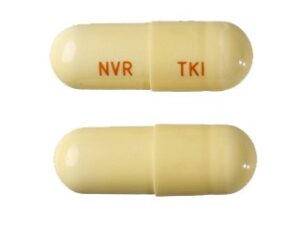

Nolvadex (Tamoxifen) — Patient-Friendly Guide (Australia)
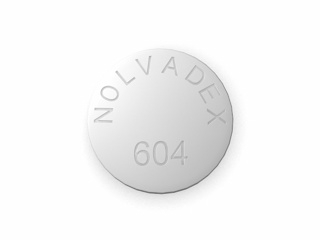
Nolvadex is a brand of tamoxifen, a medicine used in specific hormone-related conditions, most commonly certain types of breast cancer. It works by blocking oestrogen’s effects in particular tissues, helping to slow or stop the growth of oestrogen-receptor–positive cancers and to reduce the risk of recurrence in suitable patients. This guide explains how Nolvadex works, how it is used, possible side effects, important safety information, and what to expect from treatment.
Note: Medicines information can vary depending on the person and the specific condition being treated. Always follow the advice of your healthcare professional and read the consumer medicine information (CMI) supplied with your product.
Key Product Information
| Category | Details |
|---|---|
| Brand name | Nolvadex |
| Active ingredient | Tamoxifen |
| Medicine type | Selective oestrogen receptor modulator (SERM) |
| Common forms | Tablets (strengths may vary by product and jurisdiction) |
| How it is taken | By mouth, once or more daily depending on the regimen |
| Typical treatment duration | Often months to years for cancer prevention or treatment plans |
How Nolvadex Works (Mechanism of Action)
Tamoxifen belongs to a class called selective oestrogen receptor modulators (SERMs). This means it can act like an anti-oestrogen in some tissues (such as breast tissue) while having different effects in other tissues (for example, it can partially act like oestrogen in bone and the uterus depending on the tissue and individual factors).
- Blocks oestrogen receptors on susceptible cells in the breast, reducing the influence of oestrogen on tumour growth.
- Alters gene signalling within hormone-responsive cancer cells, which may slow progression and lower recurrence risk.
In hormone-receptor–positive breast disease, this targeted hormonal approach can be a cornerstone of treatment.
Pharmacokinetics (Absorption, Distribution, Metabolism, Excretion)
Understanding how the body processes tamoxifen can help explain drug interactions and the importance of consistent use.
- Absorption: Tamoxifen is absorbed after oral dosing. Absorption can vary somewhat between individuals.
- Metabolism: Tamoxifen is extensively metabolised in the liver. A key active metabolite is endoxifen, which largely contributes to its effectiveness.
- Enzyme involvement: Metabolism depends on liver enzymes (notably CYP2D6).
- Protein binding: Tamoxifen and metabolites bind significantly to blood proteins.
- Elimination: Metabolites are eliminated mainly via the liver/bile and through the gastrointestinal tract; a smaller portion leaves via the kidneys.
- Half-life: Tamoxifen and its metabolites can persist in the body for a relatively long time, which is one reason effects may last beyond stopping the medicine.
Clinical takeaway: Because tamoxifen depends on liver metabolism, medicines that affect relevant liver enzymes may change tamoxifen levels and effectiveness.
Typical Uses
Nolvadex is used for several situations involving hormone-responsive conditions. The exact use depends on diagnosis, hormone receptor status, stage, and your individual risk profile.
- Treatment of certain breast cancers, particularly oestrogen receptor–positive or hormone-responsive cases.
- Reduction of recurrence risk in appropriate patients after initial treatment (for example, after surgery and/or other therapy, depending on the plan).
- Risk reduction in selected high-risk individuals where hormone modulation is considered appropriate.
- Sometimes used in metastatic or advanced disease depending on hormone receptor status and treatment history.
Only a clinician can determine whether tamoxifen is appropriate for your situation, based on your medical history and test results.
When to Take Nolvadex (Timing and Missed Dose Advice)
Most regimens involve taking tamoxifen once daily, but your schedule can vary depending on the condition and dose. Aim to take it at roughly the same time each day.
Typical timing tips
- Choose a consistent time: Morning or evening—pick what fits your routine.
- Try to take it daily: Consistency helps maintain stable drug exposure.
- Swallow whole with water: Do not crush or chew unless your product instructions say otherwise.
If you miss a dose
- Take it when you remember
- If it is almost time for the next dose, skip the missed dose and continue with your regular schedule.
- Do not double up to make up for a missed dose.
If you frequently miss doses or are unsure what to do, speak with your pharmacist or healthcare team.
Food Interactions (Do You Need to Take It With or Without Food?)
For many people, tamoxifen can be taken with or without food. Food generally does not cause major, clinically significant effects for most users. However, practical factors still matter.
- If you experience nausea: taking Nolvadex with a meal or snack may help.
- Maintain consistency: if you start taking it with food, try to keep that routine.
Grapefruit and other citrus products: There is no universal requirement to avoid grapefruit for tamoxifen specifically, but grapefruit can affect various liver enzymes. If you want to change your diet or use supplements, ask your pharmacist to check likely interactions.
Alcohol and Medicine Interactions
Alcohol
Moderate alcohol use may be tolerated by some people, but alcohol can worsen common side effects such as fatigue, dizziness, nausea, and can affect liver function. Because tamoxifen is metabolised in the liver, it is sensible to be cautious.
- Limit alcohol and avoid heavy drinking.
- Check with your clinician if you have liver disease or significant alcohol intake.
Important medicine interactions
Drug interactions are one of the most important safety topics for tamoxifen, because tamoxifen activation depends on liver metabolism (especially CYP2D6).
- Some antidepressants can reduce tamoxifen activation by inhibiting CYP2D6. Examples may include certain SSRIs/SNRIs (commonly discussed: fluoxetine, paroxetine; and others depending on the product).
- Other CYP2D6 inhibitors may also lower effective tamoxifen levels.
- Certain medicines that affect liver enzymes may alter drug levels.
Action steps:
- Tell your pharmacist about all medicines you take, including non-prescription products, vitamins, herbal supplements, and occasional treatments.
- Do not start or stop antidepressants, pain medicines, or herbal products without checking interactions.
- If you take antidepressants, ask whether your specific medicine is known to interact with tamoxifen.
Practical example: If you were recently prescribed a new antidepressant and you are taking Nolvadex, your healthcare team may recommend an alternative or monitoring plan to protect treatment effectiveness.
Indications (Who Nolvadex Is Used For)
In Australia, Nolvadex is used according to established clinical guidelines and regulatory indications for specific breast conditions. The most common overall reason is management of oestrogen receptor–positive breast cancer and/or risk reduction in suitable scenarios.
Indications may include:
- Treatment of hormone-receptor–positive breast cancer (including certain advanced/metastatic cases).
- Adjuvant therapy after initial treatment to reduce recurrence risk.
- Prevention of breast cancer in selected high-risk individuals, depending on overall risk assessment.
Your oncology team or treating doctor determines eligibility based on clinical and pathology details.
Dosing Information (Common Regimens)
Dosing varies based on the condition being treated, the patient’s age, and the overall treatment plan. The following is general information commonly encountered; your prescribed regimen may differ.
- Typical adult dosing: Often 20 mg once daily for many breast cancer regimens. (Some regimens may use different schedules or higher/lower doses depending on the indication.)
- Duration: Frequently several years for adjuvant use; shorter courses may apply in other contexts.
- Adherence matters: taking tamoxifen consistently is important for benefit.
Important: Always follow the dose and schedule provided by your healthcare professional and the product label. Do not change dose without medical advice.
Safety Profile and Side Effects
Like all medicines, Nolvadex can cause side effects. Many people experience mild to moderate effects, while others may develop more serious reactions that require urgent attention. Below is a patient-friendly overview.
Common side effects
- Hot flushes (very common)
- Vaginal dryness or changes in vaginal discharge
- Irregular menstrual bleeding (in premenopausal patients)
- Nausea or stomach discomfort
- Fatigue
- Mood changes in some people
- Skin rash (uncommon to mild in some cases)
Serious but less common risks
Some risks require prompt evaluation.
- Blood clots (thrombosis): Deep vein thrombosis (DVT), pulmonary embolism (PE) can occur. Seek urgent medical help if you develop:
- Sudden shortness of breath
- Chest pain (especially when breathing)
- Swelling or pain in one leg
- Unexplained fast heartbeat or coughing blood
- Endometrial (uterine) changes: Tamoxifen can increase risk of uterine abnormalities, including endometrial hyperplasia and cancer. Contact your doctor promptly if you notice:
- New vaginal bleeding
- Bleeding after menopause
- Abnormal pelvic pain
- Eye problems: Vision changes (including blurred vision) or persistent eye symptoms should be assessed.
- Stroke symptoms: Sudden weakness, facial droop, difficulty speaking, severe dizziness, or severe headache require emergency care.
- Liver issues: Seek advice if you have persistent upper abdominal pain, yellowing of eyes/skin, dark urine, or marked fatigue.
When to seek urgent medical help
- Signs of a blood clot
- Signs of stroke
- Heavy or unusual uterine bleeding
- Severe allergic reaction (swelling of face/lips, difficulty breathing, widespread rash)
Practical Use Tips (Making Treatment Easier)
Starting a long-term medicine can feel overwhelming. These practical tips may help you stay comfortable and consistent.
Managing hot flushes
- Keep your environment cool and use breathable clothing.
- Limit triggers such as caffeine and spicy foods if they worsen symptoms.
- Discuss options with your healthcare team—some approaches may be lifestyle-based, while others use targeted therapies.
Vaginal dryness and comfort
- Consider vaginal moisturisers or lubricants (ask your pharmacist what is suitable).
- Report persistent pain, bleeding, or symptoms of infection promptly.
Staying consistent with daily dosing
- Use a medication reminder on your phone.
- Keep your tablets in a visible but safe location.
- Don’t stop early because of mild side effects—speak to your clinician first.
Monitoring and follow-up
- Attend scheduled follow-up visits and report new symptoms.
- If you’re at risk for uterine effects, your clinician may recommend specific checks, especially if bleeding changes occur.
- Report visual or neurological symptoms promptly.
Alternative Options (What Else Might Be Considered)
Depending on your diagnosis, menopausal status, and overall health, your clinician may consider other endocrine therapies. Alternatives can include:
- Other SERMs (less commonly used depending on indication)
- Aromatase inhibitors (often used in postmenopausal patients; choices include anastrozole, letrozole, exemestane—your doctor will advise based on receptor status and menopausal status)
- Oestrogen receptor downregulators or other targeted hormonal approaches in specific cases
- Combination regimens with additional cancer therapies, depending on stage and risk
Because each option has different benefits and risk profiles, treatment selection should be individualised with your oncology team.
Market and Legal Context for Australia (Availability and Oversight)
In Australia, tamoxifen products such as Nolvadex are regulated medicines. Availability may be subject to pharmaceutical supply arrangements and category controls set by the relevant Australian regulatory framework. Patients should ensure they obtain medicines from reputable channels that comply with Australian laws and standards.
What to look for when purchasing online:
- A clearly identified product and active ingredient (tamoxifen)
- Details on dosage form and strength
- Transparent delivery information and customer support
- Compliance with Australian requirements for dispensing and supply
Reminder: If you are unsure about a product’s legitimacy or import status, ask your pharmacist or check guidance from relevant Australian authorities.
Recent Guidance and Clinical Updates (What Matters for Patients)
Clinical practice for hormone therapies evolves as new research and safety information becomes available. Two ongoing themes frequently discussed in modern guidance are:
- Drug–drug interaction awareness: Because tamoxifen activation depends on CYP2D6, healthcare professionals increasingly check for interacting antidepressants and other enzyme-modifying medicines.
- Risk-based monitoring: Ongoing emphasis on recognising symptoms of blood clots and monitoring for abnormal uterine bleeding.
If you have recently started Nolvadex (or started a new interacting medicine), it’s reasonable to ask your pharmacist whether your current medicines are compatible.
Delivery and Availability (Online Pharmacy Considerations)
Availability of Nolvadex can depend on supply schedules, strengths, and pack sizes. When ordering through an online pharmacy, a reliable service should provide:
- Clear stock information and expected dispatch times
- Shipping and delivery estimates for your state/territory
- Secure packaging to protect tablets from damage
- Customer support if you need help with dosing instructions, side effects, or order tracking
For your convenience, check the estimated delivery window during checkout and confirm any requirements for identity verification or medicine dispensing procedures in Australia.
Storage Instructions
- Store tablets at room temperature as directed on the package.
- Keep in the original container to protect from moisture and light.
- Keep out of reach of children.
- Do not use after the expiry date printed on the carton/blister.
FAQ — Nolvadex (Tamoxifen)
1) What is Nolvadex used for?
Nolvadex (tamoxifen) is used for certain breast conditions, especially hormone-receptor–positive breast cancer, and may be used to reduce the risk of recurrence or in selected high-risk prevention scenarios.
2) How does Nolvadex work?
Tamoxifen blocks oestrogen receptors in breast tissue. This reduces the effect of oestrogen on hormone-sensitive cancer cells and may slow growth and lower recurrence risk.
3) When should I take Nolvadex?
Most regimens are taken once daily at around the same time each day. You can usually take it with or without food; if it upsets your stomach, taking it with a meal may help.
4) Can I take Nolvadex with food?
Yes, generally you can. Food is unlikely to significantly affect tamoxifen, but personal comfort (e.g., nausea) may guide whether you take it with a meal.
5) What should I do if I miss a dose?
Take it when you remember if it’s soon after the missed time, but if it’s almost time for the next dose, skip the missed dose. Don’t double up.
6) Are there medicines I should avoid with tamoxifen?
Some medicines can affect how tamoxifen is activated, especially those that inhibit CYP2D6 (certain antidepressants and other drugs). Always check with a pharmacist if you start, stop, or change any medication.
7) Can I drink alcohol while taking Nolvadex?
Moderate alcohol may be tolerated, but it can worsen side effects and tamoxifen is metabolised in the liver. It’s best to limit alcohol and seek advice if you have liver disease or heavy alcohol intake.
8) What side effects are common?
Hot flushes, fatigue, nausea, and changes in vaginal dryness/discharge are common. Report any persistent or troubling symptoms to your healthcare team.
9) What side effects are serious?
Seek urgent medical help for symptoms of blood clots (e.g., leg swelling, chest pain, shortness of breath), stroke (e.g., weakness, speech problems), severe allergic reactions, or abnormal uterine bleeding.
10) How long will I take Nolvadex?
Duration varies by indication. Adjuvant treatment may last years, while other uses may involve different timelines. Your clinician will confirm your plan.
11) Are there alternatives to Nolvadex?
Depending on your circumstances, alternatives may include other endocrine therapies such as aromatase inhibitors or other hormonal approaches. Your treating specialist will choose based on your cancer type and menopausal status.
12) How should I store Nolvadex?
Store at room temperature in the original packaging, away from moisture and light, and keep out of reach of children. Check the expiry date.
Final Notes
Nolvadex (tamoxifen) can be an important medicine for hormone-responsive breast conditions. Many people manage side effects successfully with practical strategies and by staying in close contact with their healthcare team. If you notice new symptoms—especially those that could suggest blood clots, stroke, uterine changes, eye problems, or severe allergic reactions—seek medical attention promptly.
If you’d like, tell us the dosage strength and your current medicines (including antidepressants, pain medicines, and supplements), and your pharmacist can help check likely interactions and provide guidance on how to take Nolvadex comfortably.