Leukeran (Chlorambucil) — Patient Information (Australia)
Leukeran is a cancer medicine whose active ingredient is chlorambucil. It belongs to a group of medicines called alkylating agents. Leukeran has been used for many years to treat certain types of blood cancers and related conditions.
This guide explains how Leukeran works, how it is used, what to expect, and important safety information. It is written in patient-friendly language for users in Australia.
Key Product Information
| Item | Details |
|---|---|
| Brand name | Leukeran |
| Active ingredient | Chlorambucil |
| Medicine type | Antineoplastic (chemotherapy) / alkylating agent |
| How it is taken | Oral tablets (typically taken by mouth once daily or in short courses depending on the regimen) |
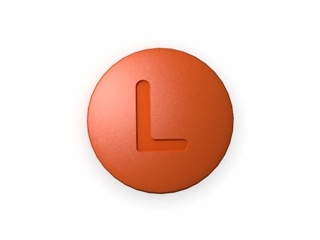
| Common form | Tablets (strengths may vary by market availability) |
| Special handling | Anticancer medicines require careful handling and hygiene to reduce exposure risk |
How Leukeran Works (Mechanism of Action)
Chlorambucil is an alkylating agent. In simple terms, it damages the DNA inside certain rapidly dividing cells, including cancer cells. This DNA damage prevents the cancer cells from dividing and multiplying, which can help control the disease.
Chlorambucil works by forming chemical bonds with DNA, leading to breaks and errors that the cell cannot repair effectively.
Pharmacokinetics (How the Body Processes It)
Pharmacokinetics describes how the body absorbs, distributes, metabolises, and eliminates a medicine.
- Absorption: Chlorambucil is absorbed after oral dosing.
- Distribution: It can distribute into tissues where it can affect blood and other cells.
- Metabolism: Chlorambucil is metabolised mainly in the liver to active metabolites, including compounds that contribute to its anti-cancer effect.
- Elimination: Metabolites and breakdown products are eliminated primarily via renal (kidney) and other body clearance pathways.
- Duration: Although the dosing schedule may be short, effects on blood counts can last for days to weeks.
Because chlorambucil primarily affects rapidly dividing blood cells, the timing of blood count changes is an important part of care.
Typical Use and Timing
Leukeran is used as part of treatment regimens for certain blood cancers. The exact schedule can vary depending on the diagnosis, disease stage, and your response.
Common dosing approaches include:
- Intermittent short courses followed by monitoring.
- Regular daily dosing for a set number of days, then a rest period.
Why timing matters: Leukeran can lower blood counts (including white blood cells), which may increase infection risk. Your healthcare team monitors you with blood tests to decide when to continue, pause, or adjust therapy.
What to expect during treatment:
- You may have fatigue in the days following dosing.
- Blood count reductions often become noticeable after a short interval and can persist for some time.
- Some side effects may be cumulative over repeated cycles.
Food Interactions
For many oral chemotherapy medicines, the main practical concern is consistency (taking the medicine at similar times each day) and tolerability (managing nausea or stomach upset).
- General advice: Follow the dosing instructions given by your treating team.
- Food and nausea: If you experience nausea, ask your pharmacist or oncology team whether taking the tablet with a small amount of food or at a particular time of day is suitable for you.
- Consistency: Try to take your doses in the same way each day (e.g., consistently with or without food) unless advised otherwise.
Important: Always confirm specific dietary recommendations with your healthcare professional, especially if you have liver problems, swallowing difficulties, or other medicines that affect how drugs are absorbed.
Alcohol and Medicine Interactions
Alcohol: Because chlorambucil is metabolised in the liver and may affect blood counts, it is generally advisable to limit or avoid alcohol during treatment unless your healthcare team says otherwise.
- Alcohol can worsen fatigue and increase nausea.
- Alcohol may increase liver strain, which is relevant if you have liver impairment or abnormal liver function tests.
Medicine interactions: Leukeran can interact with other medicines that affect the immune system, the blood, or liver metabolism. Tell your healthcare team about all medicines you use, including:
- Other chemotherapy or cancer therapies
- Medicines that affect bone marrow or immune function
- Vaccines (live vaccines are often avoided during immunosuppressive therapy)
- Medicines that may impair liver function
- Herbal products and supplements (for example, St John’s wort can affect metabolism of some medicines)
If you are unsure whether a medicine could interact, ask your pharmacist.
Indications (What Leukeran Is Used For)
Leukeran is indicated for specific cancers, particularly certain hematological (blood) malignancies. The exact approved uses depend on local regulation and current product information.
In clinical practice, chlorambucil has commonly been used for:
- Chronic lymphocytic leukaemia (CLL)
- Some forms of non-Hodgkin lymphoma, including low-grade lymphomas, as judged by the treating team
- Other related lymphoid disorders in selected cases
Because treatment standards evolve, your oncology team will consider current guidelines and available options when selecting therapy.
Dosing (General Guidance)
Dosing must be individualised. The dose is determined by your condition, treatment plan, kidney/liver function, and blood test results.
Key points about chlorambucil dosing include:
- Blood count monitoring is central. Your dose may be adjusted based on white blood cell and platelet levels.
- Cycle-based approach: Many regimens include a period of treatment followed by a rest and re-check of blood counts.
- Older adults: Older patients may require extra caution due to changes in tolerance and risk of low blood counts.
Do not change your dose or stop/start the medicine without speaking to your healthcare team. If you miss a dose, ask your pharmacist for advice on what to do in your specific situation.
Administration tips (for tablets):
- Swallow tablets whole with water unless your clinician provides different instructions.
- Keep tablets in their original packaging and store according to the label directions.
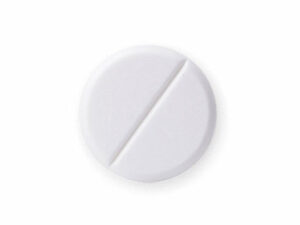
- Do not crush or split unless specifically instructed, since this can increase exposure risk.
- Use good hygiene when handling anticancer medicines (wash hands before and after).
Safety Profile (What to Watch For)
Leukeran can be effective, but it may cause side effects. Some side effects are predictable and related to its effect on rapidly dividing cells, especially in the bone marrow.
Common or important side effects
- Low blood counts
- Neutropenia (low neutrophils) → higher infection risk
- Thrombocytopenia (low platelets) → bruising/bleeding risk
- Anaemia → fatigue, weakness, shortness of breath
- Infection (because immune cells may be reduced)
- Nausea, vomiting, or stomach upset
- Fatigue
- Hair thinning (may occur in some people, though severity varies)
- Reduced appetite
Less common but serious risks
- Severe infections: fever or symptoms of infection should be assessed promptly.
- Bleeding: unusual bruising, nosebleeds, bleeding gums, or blood in urine/stool may require urgent attention.
- Liver or kidney effects: your team will monitor relevant tests.
- Secondary cancers: long-term risks are part of the overall safety discussion for alkylating agents.
- Rare hypersensitivity reactions: seek medical advice if you develop rash, swelling, or breathing difficulty.
When to seek urgent help
Contact emergency services or your healthcare provider urgently if you have:
- Fever (commonly defined as a temperature ≥ 38°C), chills, or signs of infection
- Uncontrolled bleeding or black/tarry stools, blood in vomit, or blood in urine
- Severe shortness of breath, chest pain, or fainting
- Severe allergic symptoms (swelling of face/lips, wheezing, difficulty breathing)
Practical Use Tips (Safe and Effective)
- Attend blood test appointments: This medicine’s safety relies on regular monitoring.
- Keep notes: Record dose times, side effects, and temperatures (especially if you feel unwell).
- Infection prevention:
- Practise good hand hygiene.
- Avoid close contact with people who have contagious infections.
- Ask your team whether you should take extra precautions with food safety.
- Bleeding precautions:
- Use a soft toothbrush and avoid unnecessary injury.
- Check before taking medicines that can affect bleeding (for example, some pain relievers).
- Body care: Manage nausea with supportive strategies your clinician recommends.
- Safe handling at home: Wash hands after touching tablets. Avoid crushing tablets and keep them away from children and pets.
Vaccinations: Immunisation timing may need adjustment during cancer treatment. Ask your healthcare team which vaccines are suitable.
Alternative Options
Depending on the exact diagnosis, stage, and patient factors, there may be alternative therapies. These can include:
- Other chemotherapy agents (depending on cancer type and treatment strategy)
- Targeted therapies (for certain blood cancers, such as therapies targeting specific cell pathways)
- Immunotherapies (where appropriate)
- Supportive care (e.g., treatments to manage anaemia or reduce infection risk)
- Watchful waiting in selected low-risk circumstances (where appropriate and clinically justified)
Current Australian and international treatment approaches may favour newer targeted medicines for some patients. Your oncology team will discuss the best option for your situation.
Market and Legal Context for Australia
In Australia, medicines used to treat cancer are regulated through the Pharmaceutical Benefits Scheme (PBS) or private prescription supply pathways. Availability and subsidisation may vary according to:
- Whether the medicine is listed on the PBS for a particular indication
- Whether supply is for an individual patient under approved conditions
- Stock availability in the Australian market
Cancer medicines like Leukeran are typically supplied through pharmacy channels that include requirements for appropriate patient identification, medicine safety, and careful dispensing practices.
Supply chain considerations: Oncology medicines may have periods of limited availability due to manufacturing schedules or import logistics. If you need Leukeran urgently, you may be able to ask about:
- Estimated delivery times
- Alternative packaging presentations (if legally substitutable)
- Stock availability at nearby pharmacies
Recent Guidance and Ongoing Care Notes
Oncology care continues to evolve. While Leukeran remains an option in selected situations, newer treatment options have expanded for many blood cancers. Clinicians often consider:
- Latest evidence for effectiveness and safety
- Patient-specific factors (age, blood count reserve, liver function, comorbidities)
- Whether combination regimens are more appropriate than single-agent therapy
- Supportive measures to manage low blood counts and infection risk
Your healthcare team may provide specific monitoring schedules and supportive medicines tailored to your needs. If your regimen differs from typical schedules, follow the plan provided to you by your treating team.
Delivery and Availability (Online Pharmacy)
Availability can vary. When purchasing medicines online in Australia, your order is usually processed through regulated supply channels.
- Check stock status: Some items may be kept in stock, while others may be ordered from wholesalers.
- Delivery timeframes: Delivery times depend on location and whether the item is immediately available.
- Packaging and labelling: Medicines should arrive in protective packaging with clear labelling.
- Cold chain: Leukeran tablets typically do not require refrigeration; however, always check the product storage instructions on the label.
If you need help estimating when your order will arrive, contact the pharmacy support team before placing your order.
FAQ (Frequently Asked Questions)
1) What is Leukeran used for?
Leukeran (chlorambucil) is used for certain blood cancers and related lymphoid conditions, depending on your diagnosis and treatment plan. Your oncology team will confirm the intended purpose for your particular regimen.
2) How do I take Leukeran?
Take the tablets exactly as advised by your healthcare team. Do not alter the dose or schedule. If you have difficulty swallowing tablets, speak to a pharmacist—do not crush or modify tablets unless instructed.
3) When will I notice side effects?
Some side effects—like nausea or fatigue—may occur soon after dosing. Low blood counts can take days to weeks to become noticeable. Regular blood tests help detect changes early.
4) Will Leukeran affect my blood counts?
Yes. One of the main risks is low white blood cells, platelets, and sometimes red blood cells. Monitoring helps keep risk as low as possible.
5) What should I do if I feel unwell or have a fever?
Contact your healthcare provider urgently for advice. Fever during treatment can indicate infection, which may become serious quickly when blood counts are low.
6) Can I drink alcohol while taking Leukeran?
It’s generally recommended to limit or avoid alcohol during cancer treatment, particularly because of potential liver impact and added fatigue. Ask your healthcare team for personal advice.
7) Are there food interactions I should know about?
There are no universally required dietary restrictions for chlorambucil tablets, but taking the medicine consistently and managing nausea can help. Follow specific instructions from your clinician and pharmacist.
8) Are vaccinations safe during treatment?
Vaccination advice depends on your treatment status and the type of vaccine. Some live vaccines may be avoided. Ask your healthcare team which vaccines are appropriate.
9) What if I miss a dose?
Missed-dose advice varies depending on the dosing schedule. Contact your pharmacist or healthcare team for guidance rather than taking extra tablets.
10) What should I do about pregnancy or breastfeeding?
Chlorambucil can be harmful to an unborn baby. Avoid pregnancy and discuss family planning urgently with your healthcare team. Breastfeeding is generally not recommended during anticancer therapy; ask for specific guidance based on your situation.
11) What are the handling safety precautions at home?
Use good hygiene: wash hands after handling tablets. Avoid crushing or breaking tablets unless told to do so. Keep tablets sealed, labelled, and out of reach of children and pets.
12) What alternatives exist if Leukeran isn’t suitable?
Alternatives may include other chemotherapy agents, targeted therapies, immunotherapies, or supportive treatments. The best option depends strongly on the diagnosis and stage.
Important Closing Notes
This information is intended as a general guide to help you understand Leukeran (chlorambucil). Your own treatment plan may differ based on your diagnosis, test results, and overall health. Always rely on your healthcare team and pharmacist for advice tailored to you.
If you have questions about side effects, interactions, monitoring schedules, or how to take your medicine safely, speak to your pharmacist or oncology team.