
Xeloda (Capecitabine) – Patient-Friendly Guide (Australia)
Xeloda is a cancer medicine containing capecitabine. It is commonly used in certain types of solid tumours, including cancers of the breast, colon, and rectum. This page explains what Xeloda is, how it works in the body, how it’s usually taken, what to watch for, and how to use it safely in everyday life in Australia.
Basic product information
| Information | Details |
|---|---|
| Brand name | Xeloda |
| Active ingredient | Capecitabine |
| Medicine type | Oral anticancer (cytotoxic) medicine |
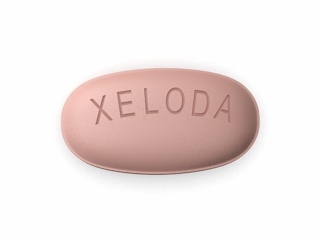
| Common dosage forms | Film-coated tablets |
| How it’s taken | Swallowed with water after food |
| Typical schedule | Often taken for days within a treatment cycle (commonly 2 weeks on / 1 week off), depending on the regimen |
How Xeloda works (mechanism of action)
Capecitabine is a “prodrug,” meaning it becomes active after it is processed in the body. The active substance interferes with DNA building blocks used by rapidly dividing cancer cells.
In simplified terms:
- Capecitabine is converted stepwise into a chemotherapy agent called 5-fluorouracil (5-FU).
- Enzymes involved in this conversion are found in higher activity within tumour tissue in some cancers, helping the medicine act preferentially where it’s needed.
- The active form of 5-FU disrupts DNA and RNA production, which slows or stops tumour cell growth.
Pharmacokinetics (how the body handles the medicine)
Pharmacokinetics describes absorption, distribution, metabolism, and elimination. Key points about capecitabine include:
- Absorption: Capecitabine is absorbed after oral administration, and taking it with food affects absorption.
- Activation: It is metabolised in the liver and other tissues to generate 5-FU.
- Excretion: Metabolites are eliminated mainly through the kidneys (urine). This is important if you have kidney impairment.
- Timing within cycles: Many regimens use “days on” followed by “rest days” to reduce side effects.
Because Xeloda is processed through the body and cleared largely by the kidneys, dose adjustments may be needed for certain patients (for example, with reduced kidney function) to improve safety.
What Xeloda is typically used for (indications)
Xeloda is used to treat specific solid tumours. It is often chosen when an oral regimen is appropriate. The exact indication depends on the cancer type, stage, and other treatments you may be receiving.
Commonly, capecitabine is used for:
- Breast cancer (for example, in combination regimens for certain situations, and in some metastatic settings)
- Colon cancer and rectal cancer (including treatment after surgery in some circumstances, and in metastatic disease)
- Other colorectal and gastrointestinal cancer settings depending on the clinical plan
Treatment decisions in Australia follow oncology guidance and medicine availability through standard pathways. Always confirm the plan for your specific diagnosis and regimen.
How to take Xeloda: timing and regimen basics
Many Xeloda schedules are designed as repeated cycles. A common approach is: take it twice daily for 14 days, then take 7 days off. However, your exact schedule may differ based on your treatment plan and tumour type.
General timing rules
- Take at the times your regimen specifies (usually morning and evening).
- Take with food: swallow tablets within 30 minutes after a meal.
- Keep the interval consistent: doses are typically about 12 hours apart.
- Swallow tablets whole with water—do not crush or break.
Missed doses
If you miss a dose, do not double up. The safest approach is usually to follow the instructions provided with your medicine and your oncology team’s plan. If you’re unsure, contact your treatment team or pharmacist for advice.
Food interactions and eating guidance
Food is important for Xeloda dosing. Taking capecitabine with food helps ensure appropriate absorption and exposure.
- Take each dose after a meal (commonly within 30 minutes of eating).
- Try to eat regular meals during your dosing days to keep absorption consistent.
- If you can’t eat (for example, due to nausea), speak with your healthcare team—skipping meals may affect how well the dose works.
Grapefruit and citrus juices: While grapefruit is a common concern for some medicines, capecitabine does not have a universally recommended grapefruit avoidance rule in all patients. Still, if you’re unsure about fruit/juice combinations, ask your pharmacist.
Alcohol interactions
Alcohol can worsen side effects such as nausea, fatigue, dizziness, and dehydration. Capecitabine can also affect the gastrointestinal tract and liver metabolism pathways. For these reasons, it’s generally recommended to limit or avoid alcohol during treatment unless your oncology team says it’s acceptable.
- Aim for minimal alcohol—especially if you have reduced appetite, diarrhoea, or fatigue.
- If you choose to drink, do so cautiously and keep to small amounts. Stop alcohol if you notice worsening nausea, stomach upset, or dehydration.
- If you have liver involvement from cancer or other liver conditions, discuss alcohol with your treating team.
Medicine interactions (drug interactions)
Capecitabine can interact with other medicines. Some interactions may increase side effects, affect drug levels, or change how your body clears the medicine. Tell your pharmacist and oncology team about all medicines you use, including: prescription medicines, over-the-counter products, vitamins, herbal supplements, and pain relief.
Notable interaction considerations
- Warfarin and other anticoagulants: capecitabine may increase the effect of warfarin in some patients, raising bleeding risk. Close monitoring (often INR) may be required.
- Phenytoin: levels may change, leading to toxicity or loss of seizure control.
- Allopurinol: may affect tumour therapy toxicity profiles.
- Folinic acid (leucovorin) and other 5-FU-related regimens: used under specialist supervision; these combinations affect effectiveness and toxicity.
- Kidney-clearing medicines: because capecitabine metabolites rely on kidney function for elimination, additional medicines that affect kidneys may influence safety.
- Herbal products: avoid starting new supplements without checking, as interactions can occur.
Practical interaction tips
- Keep an updated list of your medicines and bring it to appointments.
- Use the same pharmacy if possible, so the pharmacist can review your full medication profile.
- Ask before using “as-needed” products (e.g., for pain, reflux, colds, or diarrhoea).
Dosing: what to know before you start
Dosing for Xeloda is individualised. It is based on factors such as: body surface area (BSA), treatment purpose, and kidney function. Your oncology team will calculate your exact dose and schedule.
Typical dosing concepts (general overview)
- Xeloda is commonly prescribed as twice-daily doses.
- The number of tablets per dose depends on tablet strength and your calculated dose.
- Treatment may follow cycles (e.g., 14 days on, then 7 days off), but other schedules exist.
Important: Do not adjust your dose or stop/start treatment without medical advice. Dose changes are sometimes made to manage side effects (for example, diarrhoea or hand-foot syndrome).
Dose modifications and delays
If you develop certain toxicities, your team may:
- reduce the next dose
- hold treatment temporarily
- resume at a lower dose once symptoms improve
This approach can help you keep treatment safer and more tolerable.
Safety profile: what to expect and what to watch for
Like other anticancer therapies, Xeloda can cause side effects. Not everyone experiences them, and severity varies by person, dose, and combination treatment. Knowing the most important warning signs helps you respond early.
Common side effects
- Diarrhoea
- Nausea and reduced appetite
- Vomiting (less common than nausea)
- Fatigue
- Hand-foot syndrome (palmar-plantar erythrodysaesthesia): redness, swelling, pain, or peeling of the palms and soles
- Mouth sores or taste changes
- Abdominal discomfort
- Changes in blood counts (low white cells, anaemia, or low platelets) depending on regimen
Less common but serious side effects
- Severe diarrhoea or dehydration
- Severe infections (especially if white blood cells are low)
- Severe hand-foot syndrome impacting daily activities
- Significant allergic reactions (rare)
- Cardiac symptoms in rare cases (e.g., chest pain, palpitations)
- Bleeding risk if interacting with anticoagulants
- Severe liver effects (uncommon; may require lab monitoring)
When to seek urgent help
Contact your oncology team urgently or seek emergency care if you have:
- Fever (commonly 38°C or higher) or signs of infection
- Severe diarrhoea (especially if you can’t keep fluids down)
- Signs of dehydration: dizziness, very dry mouth, very reduced urine
- Uncontrolled vomiting or inability to eat/drink
- Severe weakness or unusual bleeding/bruising
- Severe rash, swelling, or breathing difficulty
Practical use tips for everyday life
Small adjustments can make treatment easier and may reduce complications. The tips below are commonly recommended in cancer care for patients using capecitabine.
Hand-foot syndrome prevention and care
- Keep hands and feet moisturised with a thick, fragrance-free moisturiser.
- Avoid friction and pressure: wear comfortable cushioned shoes and use soft gloves for chores if needed.
- Avoid hot water on hands and feet (hot showers and soaking may worsen symptoms).
- Report early redness, tingling, or soreness—early action can prevent worsening.
Diarrhoea and stomach upset support
- Stay hydrated: sip water regularly, especially during dosing days and after.
- Choose gentle foods if your stomach is unsettled (e.g., bland meals).
- Inform your care team promptly if diarrhoea begins—early treatment can reduce severity.
- If you have diarrhoea, avoid foods that can worsen it (high-fat, very spicy, or high-sugar foods).
Nausea and appetite changes
- Small, frequent meals can help when appetite is low.
- Consider timing meals around your dose schedule (after food) to support consistent absorption.
- Anti-nausea medicines may be prescribed as part of your plan if needed—use them as instructed.
Preventing infection
- Practice good hand hygiene.
- Avoid close contact with people who have contagious infections.
- If you’re told your blood counts are low, follow the advice you receive about fever monitoring and protective precautions.
Tablet handling and safe storage
- Store tablets at room temperature in a dry place, away from direct sunlight.
- Keep out of reach of children.
- Wash hands after handling tablets. If tablets are accidentally crushed or broken, avoid skin contact and follow pharmacy guidance for disposal.
Alternative treatment options
Depending on cancer type, stage, and prior therapy, alternatives may include:
- Other chemotherapy agents (oral or intravenous)
- Targeted therapies (for tumours with specific molecular markers)
- Immunotherapy in selected cancers and stages
- Radiotherapy or combined modality therapy (chemoradiation)
- Surgery and/or adjuvant therapy depending on whether the goal is cure or control
Your oncology team will select the best option for your situation, balancing expected benefit with tolerability.
Market and legal context in Australia
In Australia, medicines are regulated under the Therapeutic Goods Administration (TGA). Xeloda (capecitabine) is supplied through established clinical pathways for cancer care.
Access to capecitabine typically involves:
- assessment by a specialist oncology team
- an individual treatment plan based on indication and regimen
- ongoing monitoring and dose adjustments as required
Australian pharmacists and healthcare providers support safe medicine use, counselling, and interaction screening, and patients are encouraged to bring all medicines/supplements to appointments.
Recent guidance and monitoring (what commonly happens in practice)
Oncology guidance evolves as new studies and safety information become available. In clinical practice, patients on capecitabine are generally monitored with:
- Regular blood tests (including liver enzymes and blood counts depending on regimen)
- Kidney function checks, as clearance relates strongly to renal performance
- Assessment of gastrointestinal side effects and hand-foot syndrome during dose cycles
- Dose modifications based on toxicity severity (rather than simply continuing despite symptoms)
If you ever receive new instructions from your oncology team, follow those over general information on this page.
Delivery and availability (online pharmacy information)
Xeloda is an established medicine used in cancer care. Availability can vary by pharmacy, stock levels, and tablet strengths required for your calculated dose.
- Tablet strengths: different strengths may be prescribed on the same schedule, depending on dosing.
- Plan ahead: if you need refills for an ongoing cycle, allow time for processing and delivery.
- Delivery area: delivery options depend on your location in Australia and pharmacy logistics.
- Packaging: medicines are typically supplied in tamper-evident packaging with patient information.
Frequently Asked Questions (FAQ)
1) How long does a typical course of Xeloda take?
Xeloda is usually taken in cycles. Many regimens include a “days on” period followed by a “rest” period. The total duration depends on cancer type, stage, response, and side effects.
2) Can I take Xeloda on an empty stomach?
For most patients, Xeloda should be taken after food (typically within 30 minutes after a meal). This helps absorption and supports consistent medicine exposure.
3) What should I do if I vomit after taking a dose?
Vomiting can affect how much medicine was absorbed. Do not automatically take an extra dose. Contact your healthcare team or pharmacist for guidance based on how soon vomiting occurred after dosing.
4) What is hand-foot syndrome and how can I reduce it?
Hand-foot syndrome is a common capecitabine side effect involving redness, pain, swelling, or peeling on palms and soles. Early reporting, moisturising, avoiding friction/pressure, and avoiding hot water can help reduce severity.
5) Does Xeloda affect fertility?
Cancer treatments can sometimes affect fertility. If future pregnancy or fathering children is a concern, discuss fertility preservation options with your treatment team before starting therapy when possible.
6) Can I drive or operate machinery?
Many people can drive while on treatment, but fatigue, dizziness, or weakness can occur. If you feel unwell or drowsy, avoid driving and seek advice.
7) Are there diet restrictions besides taking it with food?
There are no universal “diet rules,” but a consistent meal pattern and hydration are important. If diarrhoea or mouth sores occur, the right foods can help you maintain nutrition.
8) How should I store Xeloda tablets?
Store tablets in their original packaging, keep them dry and at room temperature (unless your label states otherwise), and keep them out of reach of children.
9) What happens if my kidney function is reduced?
Capecitabine metabolites are cleared largely by the kidneys. If kidney function is reduced, your oncology team may adjust the dose and monitor you more closely to reduce risk.
10) Can I take over-the-counter pain relief?
Some over-the-counter medicines may be suitable, while others may not. Always ask a pharmacist before starting new pain relief, particularly if you have diarrhoea, are dehydrated, or are taking anticoagulants.
Summary
Xeloda (capecitabine) is an oral chemotherapy medicine that works by interfering with DNA production in cancer cells. It is commonly taken in defined cycles and should generally be taken after food to support absorption. The most important safety considerations include monitoring and managing side effects such as diarrhoea and hand-foot syndrome, staying hydrated, reporting symptoms early, and discussing interactions with all medicines you use.
If you are starting Xeloda or already taking it, keep a list of your medicines, follow your cycle schedule carefully, and contact your healthcare team promptly if you notice concerning symptoms.