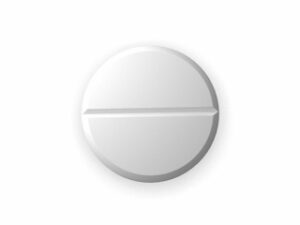


Toficalm (Tofisopam) — Patient-Friendly Medicine Information (Australia)
Toficalm is a medicine containing tofisopam. It belongs to a group of medicines commonly described as anxiolytics (anti-anxiety medicines) and is also used to help with certain types of tension and discomfort. If you’re considering Toficalm, it helps to understand how it works, how it’s taken, and what to watch for to use it safely and effectively.
This guide is written for patients and aims to be easy to read. It does not replace the advice of your healthcare professional. Always follow the instructions on the product label or given by your prescriber.
1. Basic product information
| Category | Details |
|---|---|
| Medicine name | Toficalm |
| Active ingredient | Tofisopam |
| Drug class (commonly described) | Anxiolytic (anti-anxiety) medicine; benzodiazepine-like effects without being a benzodiazepine |
| How it may feel | Can reduce anxiety, tension, and stress-related discomfort; may be calming |
| Common dosage forms | Typically tablets (strength varies by market/presentation) |
2. How Toficalm works (mechanism of action)
Tofisopam is thought to work mainly through effects on the brain’s GABA system. GABA (gamma-aminobutyric acid) is an important calming messenger that helps reduce neuronal overactivity.
- Modulates GABA-related signalling to produce a calming, anxiolytic effect.
- May help reduce anxiety and tension, and can ease discomfort associated with stress.
- Is often described as having less pronounced muscle-relaxant or sedative effects compared with some traditional sedative/anxiety medicines, though individual responses vary.
Important: People respond differently. Some individuals feel a benefit quickly, while others notice changes over several days.
3. Pharmacokinetics (how the body handles the medicine)
Pharmacokinetics explains what happens after taking a medicine: absorption, distribution, metabolism, and elimination. While exact figures can vary by product formulation and individual factors, the overall process for tofisopam is generally described as follows:
- Absorption: After oral dosing, tofisopam is absorbed from the gastrointestinal tract.
- Distribution: It distributes throughout the body, including reaching the central nervous system to exert effects.
- Metabolism: The medicine is metabolised mainly by the liver.
- Elimination: Metabolites are cleared from the body via the kidneys and/or through bile/faeces depending on metabolism pathways.
- Half-life (conceptually): Tofisopam has a duration of action that can support dosing 1–3 times daily in many regimens, depending on the prescribed schedule.
If you have liver or kidney impairment, tell your healthcare professional—dose adjustments or closer monitoring may be needed.
4. Typical use — what it is prescribed/used for
Toficalm is commonly used to relieve symptoms related to:
- Anxiety states, including worry and tension that affects daily functioning
- Psychological tension associated with stress
- Discomfort due to anxiety (for example, restlessness or being “on edge”)
It may be used when symptoms are persistent or significantly affecting wellbeing. Your healthcare professional will consider your individual situation, including the cause of symptoms and whether other treatments (such as counselling or alternative medicines) may be appropriate.
5. When and how to take it (timing)
Timing helps you get the most consistent effect while minimising side effects.
- Follow your specific dosing schedule as instructed.
- Many people take tofisopam once daily or split into 2–3 doses depending on symptom control and tolerability.
- Because it may cause drowsiness in some people, consider whether you’ll need to be alert for work, school, driving, or operating machinery.
Practical tip: If you’re starting treatment, plan your first doses on a day where you can observe how you feel before returning to demanding tasks.
6. Food interactions — can you take Toficalm with meals?
Tofisopam can usually be taken with or without food. However, individual tolerability matters:
- If it causes nausea or stomach upset, taking it with food may help.
- Try to keep a consistent routine so your blood levels remain steadier.
If you notice unusual side effects when taking it on an empty stomach, adjust timing and discuss with your healthcare professional.
7. Alcohol and medicine interactions
Alcohol: Avoid or minimise alcohol while taking Toficalm. Alcohol can increase the risk of:
- Excessive sedation or dizziness
- Impaired coordination and reaction time
- Worsened anxiety symptoms in some people after temporary relief
Other medicines to be cautious with: Some combinations can intensify sedation or affect alertness. Tell your healthcare professional (and check with a pharmacist) if you take any of the following:
- Other anti-anxiety medicines or sedatives
- Sleeping tablets
- Opioid pain medicines (e.g., morphine, oxycodone, codeine)
- Antihistamines that cause drowsiness (some “night-time” allergy/cold medicines)
- Some antidepressants (especially those that also affect sedation)
- Antipsychotics and other medicines affecting the central nervous system
Medication interactions: Because tofisopam is metabolised in the liver, medicines that affect liver enzymes may influence its levels. A pharmacist can help check interactions based on your full medication list.
Always inform your healthcare team of all medicines, supplements, and herbal products you use.
8. Indications — what symptoms it targets
In clinical practice, tofisopam is indicated for relief of:
- Anxiety and associated tension
- Stress-related discomfort
- Symptoms where a calming anxiolytic approach is appropriate
If your anxiety has a specific cause (for example, a medical condition, medication side effect, or substance-related issue), your healthcare professional may also address that underlying factor.
9. Dosing — typical adult guidance
Dose should be individualised based on your age, symptoms, and tolerance. The information below is general guidance for understanding typical regimens.
- Adults: Dosing is often started at a lower dose and adjusted gradually based on response and side effects.
- Frequency: Often 1–3 times daily depending on symptom pattern and product strength.
- Do not increase dose without clinical advice.
Remember: Only take the amount and schedule that your healthcare professional recommends. If you’re unsure about your dose, check the label and contact your pharmacist.
How long before it helps?
Some people notice calming effects early, but full symptom improvement may take several days. If you don’t feel improvement after an appropriate trial period, speak to your healthcare professional rather than adjusting the dose yourself.
If you miss a dose
- Take it when you remember unless it’s close to the next dose.
- If it’s nearly time for the next dose, skip the missed dose.
- Do not double to catch up.
Stopping treatment
Do not stop suddenly unless your healthcare professional tells you to. To reduce the chance of withdrawal-like symptoms or symptom rebound, discontinuation often needs a gradual taper.
10. Safety profile — side effects and what to do
Most people tolerate tofisopam well, but side effects can occur. If side effects are bothersome or persistent, seek medical advice.
Common or possible side effects
- Drowsiness or feeling tired
- Dizziness
- Headache
- Nausea or gastrointestinal discomfort
- Dry mouth (sometimes)
- Changes in appetite (uncommon)
Less common but important warnings
- Paradoxical effects (rare): increased agitation or restlessness
- Allergic reactions: rash, itching, swelling, or difficulty breathing (seek urgent medical help)
- Severe drowsiness or problems with balance/coordination
When to seek urgent help
Get urgent medical assistance if you experience:
- Difficulty breathing
- Swelling of the face, lips, tongue, or throat
- Fainting or severe confusion
- Severe, worsening sedation—especially if combined with alcohol or other sedating medicines
Driving and operating machinery
- Avoid driving or dangerous activities until you know how Toficalm affects you.
- Be especially careful at the start of treatment or after dose changes.
Dependence and tolerance considerations
Some anxiolytics can lead to dependence, especially with prolonged use. If you’re using Toficalm regularly, talk with your healthcare professional about:
- How long it should be used
- Whether tapering will be needed
- Alternative strategies to manage anxiety (e.g., psychological therapies, lifestyle changes)
11. Practical use tips for safer, more comfortable treatment
- Start low and go slow: If you’re initiating treatment, follow the planned titration rather than changing doses on your own.
- Track symptoms: Note anxiety/tension severity, sleep quality, and side effects to discuss with your healthcare professional.
- Check alcohol habits: Keep alcohol minimal to avoid excessive sedation.
- Be mindful with other sedatives: Include “over-the-counter” night-time cold/flu products in your interaction checks.
- Sleep and stress routines: Regular sleep, hydration, and stress reduction techniques (e.g., breathing exercises) can improve outcomes.
- Do not mix multiple anti-anxiety medicines unless advised.
12. Alternative options
Anxiety and tension can be treated in different ways. Alternatives may include both non-medicine approaches and other medicines. Your healthcare professional can help choose options based on your symptoms and medical history.
Non-medicine alternatives
- Psychological therapies (e.g., cognitive behavioural therapy)
- Mindfulness and relaxation techniques
- Sleep hygiene and stress management strategies
- Lifestyle adjustments (exercise, reducing caffeine if it worsens anxiety)
Medicine alternatives
- Other anxiolytics or anti-anxiety medicines
- In some cases, antidepressants used for anxiety disorders
- When appropriate, medications targeting specific underlying causes
Choosing an alternative depends on the pattern and cause of symptoms, your tolerance, and the risk of interactions with your current medications.
13. Toficalm in the Australian market — legal and availability context
In Australia, medicine availability and supply can depend on how a product is classified under the Australian Register of Therapeutic Goods (ARTG) and whether it is supplied under specific schedules or restrictions. Medicines containing anxiolytic ingredients may have restricted access depending on regulatory requirements.
When ordering online, reputable pharmacies should provide information about:
- Product status and legitimacy (including ARTG listing, where applicable)
- Where the medicine is sourced from
- Professional screening processes to reduce the risk of inappropriate use and interactions
- Delivery timeframes and how your order is handled
Note: Regulations and listings can change. Always ensure you use an authorised and compliant service when purchasing medicines in Australia.
Recent guidance (general awareness for patients)
- Healthcare organisations continue to emphasise safe use, careful interaction checks, and appropriate duration of anxiolytic therapy.
- Prescribers commonly review whether treatment should be short-term or used alongside non-medicine strategies.
- Extra caution is recommended when combining sedating medicines, alcohol, or when driving/work safety is involved.
14. Delivery and availability (online pharmacy)
Availability can vary by location, packaging size, and current supply. A reliable Australian pharmacy website should clearly indicate:
- Estimated dispatch time
- Delivery options (standard vs express, where available)
- Delivery exclusions (if any)
- Cold chain requirements (if relevant—most tablets do not require cold storage)
Tip: If you need medication by a certain date, place your order early and check the “dispatch” or “availability” status on the product page.
15. FAQ — common questions about Toficalm (Tofisopam)
Is Toficalm addictive?
Like many medicines used for anxiety, Toficalm can carry a risk of dependence with ongoing use, especially if used longer than intended or stopped suddenly. Do not stop abruptly—discuss a taper plan with your healthcare professional.
How quickly does Toficalm work?
Some people notice calming effects relatively early. Others may need several days for a more noticeable reduction in anxiety/tension. If there’s little benefit after an appropriate trial, consult your healthcare professional.
Can I take it with food?
Yes, it can usually be taken with or without food. If you experience nausea, consider taking it with meals.
Can I drink alcohol while using Toficalm?
It’s strongly recommended to avoid or minimise alcohol because it can increase drowsiness, dizziness, and impaired coordination.
Will it make me sleepy?
Some people may feel drowsy or dizzy, particularly when starting treatment or after a dose increase. Avoid driving and hazardous activities until you know how it affects you.
What if I forget a dose?
Take it when you remember unless it’s close to your next dose. Do not double up. If you’re unsure, ask your pharmacist.
Can Toficalm be used long-term?
Duration should be individual. For many people, the goal is to use the lowest effective dose for the shortest appropriate time while addressing anxiety with broader strategies. Your healthcare professional can guide a safe plan.
What interactions should I be careful about?
Be cautious with medicines that cause sedation (e.g., sleeping tablets, opioids, some antihistamines) and always check for liver-metabolism interactions. Provide your complete medication list to a pharmacist for a tailored interaction check.
Who should be extra careful before using Toficalm?
If you have liver disease, kidney disease, a history of substance misuse, severe breathing problems (sleep apnoea or respiratory conditions), or you take multiple sedating medicines, you should discuss risks and monitoring with your healthcare professional.
Where can I find reliable information?
Your pharmacist can help with dosing, timing, and interactions. Product information sheets and reputable health resources can also be useful—always verify details are for the correct active ingredient and product strength.
Need more help? If you have questions about how Toficalm fits your routine—especially regarding interactions, timing, or side effects—speak with a healthcare professional or pharmacist before starting or changing how you take it.