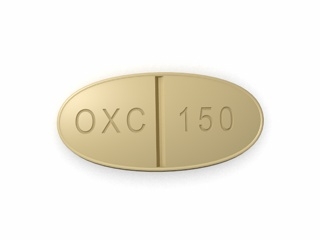
Trileptal® (Oxcarbazepine) – Patient Information (Australia)
Trileptal® is a prescription medicine used to treat certain types of seizures. This page explains how oxcarbazepine works, how it is usually taken, important safety considerations, and what to know about interactions, alcohol, and daily living. If you have any concerns or experience side effects, speak with your healthcare professional.
Key Product Information
| Feature | Details |
|---|---|
| Medicine name | Oxcarbazepine (brand: Trileptal®) |
| Common dosage forms (Australia) | Tablets and oral suspension (strengths vary by product) |
| Medicinal class | Antiseizure / anticonvulsant (sodium channel blocker) |
| How it’s taken | Usually by mouth, often in two divided doses daily |
| Typical conditions treated | Focal (partial) seizures (with or without secondary generalisation) |
| Important risk | Low sodium (hyponatraemia) can occur; serious skin reactions are rare but important |
How Trileptal Works (Mechanism of Action)
Oxcarbazepine helps control seizures mainly by affecting electrical signalling in the brain. After you take Trileptal, the body converts oxcarbazepine into an active form (the main metabolite is licarbazepine). This active form:
- Reduces abnormal firing of nerve cells by blocking sodium channels involved in generating and spreading seizure activity.
- May help stabilise neuronal membranes, making it harder for seizure activity to spread.
As a result, Trileptal can reduce the frequency and severity of certain seizure types. It does not “cure” epilepsy, but it can help manage symptoms over the long term.
Pharmacokinetics (How the Body Handles the Medicine)
Pharmacokinetics describes what happens to the medicine in the body—absorption, distribution, metabolism, and elimination. The key points below may help you understand when effects may occur and why dosing is structured as it is.
Absorption and activation
- Oxcarbazepine is absorbed after oral dosing.
- It is rapidly metabolised in the body to its active metabolite (licarbazepine), which contributes to the anti-seizure effect.
Distribution
- The active metabolite distributes into body tissues and reaches the brain to help exert its antiseizure action.
Elimination
- The active metabolite is mainly eliminated by the kidneys.
- Because clearance depends on kidney function, dosing may require adjustment in people with reduced kidney function.
Onset and steady state
- Some seizure control may occur quickly, but for many people the full benefit takes days to weeks as doses are adjusted and steady levels are reached.
- Always follow the titration plan provided by your healthcare professional rather than adjusting doses yourself.
What Trileptal Is Used For (Indications)
Trileptal is commonly prescribed for:
- Focal seizures (also called partial seizures), with or without secondary generalisation
- Use in adults and paediatric patients depending on local indications and age requirements
Your healthcare professional will determine whether Trileptal is suitable for your specific seizure type and situation.
Typical Dosing and Timing
Dosing varies by age, seizure type, kidney function, and whether you are taking other seizure medicines. Below are general guidance points to help you understand typical use.
How dosing is usually scheduled
- Trileptal is often taken twice daily (morning and evening), approximately 12 hours apart.
- Sometimes the suspension or tablet form may be used to support flexible dosing.
Starting and titration
Many antiseizure medicines are started at a lower dose and increased gradually to improve tolerability and reduce side effects. Your prescriber may use:
- Low starting dose
- Stepwise dose increases every few days or weekly (exact schedule depends on your plan)
- Monitoring for side effects and seizure control
Taking with or without food
Trileptal can generally be taken with or without food (see “Food interactions” below for detail).
If you miss a dose
- Take the missed dose as soon as you remember if it is not close to the next dose.
- If it’s nearly time for your next dose, skip the missed dose.
- Do not double up to make up for a missed dose.
- If you miss multiple doses or are unsure, contact your healthcare professional for advice.
Tip: Use a daily medication alarm or blister pack to help you stay consistent, since missed doses can increase seizure risk.
Food Interactions (What to Know)
For most people, Trileptal can be taken without strict meal timing. In general:
- Food usually does not significantly change how the medicine works for seizure control.
- Taking it consistently the same way each day may help you build a routine.
If you experience stomach upset or feel drowsy after a particular dose, your healthcare professional may recommend taking it with food or changing the dosing schedule.
Alcohol and Medicine Interactions
Alcohol
Alcohol can increase the risk of side effects such as:
- Dizziness or light-headedness
- Drowsiness and reduced alertness
- Impaired coordination or slower reaction time
- Worsening of seizure control in some people
For safety, it’s best to limit or avoid alcohol unless your healthcare professional says it is acceptable for you.
Other medicines that may interact
Interactions depend on your full medication list, including over-the-counter products and supplements. Trileptal may interact with other medicines through metabolism pathways and effects on sodium levels.
- Medicines that affect sodium (for example, some diuretics “water tablets,” or medicines that can lower sodium) may increase risk of hyponatraemia.
- Hormonal contraceptives: in some cases, seizure medicines can affect hormone levels. While oxcarbazepine has particular interaction potential, you should discuss contraception reliability with your clinician.
- Other antiseizure medicines: combination therapy may be used, but it can affect tolerability and monitoring needs.
- Medicines causing sedation: combining with other drugs that cause drowsiness may increase sleepiness or impaired driving risk.
Always keep an updated list of medicines and bring it to appointments. Ask your pharmacist whether your specific medicines are known to interact with oxcarbazepine.
Safety Profile and Important Warnings
Most people tolerate Trileptal well, but it can cause side effects. Some are common and mild; others are rare but serious. Below is a patient-friendly summary of important safety topics.
Common side effects
- Dizziness
- Drowsiness or fatigue
- Headache
- Nausea or stomach upset
- Blurred vision or double vision (may occur in some people)
- Unsteadiness or trouble with balance
Low sodium (hyponatraemia) – a key risk
Trileptal can lower blood sodium levels. This can sometimes lead to symptoms such as:
- Unusual tiredness or weakness
- Confusion
- Nausea or vomiting
- Headache
- Muscle cramps or spasms
Your clinician may recommend blood tests to check sodium, especially if you are:
- Older
- Taking other medicines that can lower sodium
- Experiencing symptoms suggestive of hyponatraemia
- Using higher doses or having kidney-related concerns
Rare but serious: skin reactions and hypersensitivity
Although uncommon, serious allergic reactions and skin conditions can occur with antiseizure medicines. Seek urgent medical care if you develop:
- Rash that is severe, rapidly spreading, or accompanied by blistering
- Fever, sore mouth, or eye irritation
- Swelling of the face, lips, or tongue
- Breathing difficulty
- Feeling very unwell with rash
If you experience a new rash—especially early in treatment—contact your healthcare professional promptly for advice.
Other potential concerns
- Reduced bone density: like some other antiseizure medicines, long-term use has been associated with bone health concerns in some people. Healthy lifestyle and monitoring may be recommended.
- Blood disorders: uncommon, but seek advice if you have persistent bruising, infection, or unexplained symptoms.
- Changes in liver enzymes: occasionally monitored based on your clinical situation.
Driving and operating machinery
Trileptal can cause dizziness or drowsiness, especially when starting or adjusting doses. In Australia, driving rules depend on individual circumstances and seizure control. As a general approach:
- Avoid driving or hazardous activities until you know how Trileptal affects you.
- If you feel sleepy, unsteady, or dizzy, do not drive.
- Follow advice from your doctor regarding fitness to drive and seizure restrictions.
Practical Use Tips for Daily Life
- Take it at the same times each day: morning and evening dosing helps maintain consistent levels.
- Use a medication system: blister packs, dosette boxes, or phone alarms can reduce missed doses.
- Be careful when getting up: dizziness can happen. Rise slowly from sitting or lying positions.
- Plan for dose changes: when doses are increased, side effects (like dizziness) may temporarily increase. Report issues early.
- Hydration matters: if you’re at risk of low sodium, discuss safe hydration with your healthcare professional. Do not drink excessive volumes unless advised.
- Track seizure activity: keep a simple diary of seizure dates, triggers, and possible missed doses to support treatment decisions.
Alternative Options (Other Treatment Approaches)
There are multiple ways to manage focal seizures. Alternatives may include:
- Other antiseizure medicines (depending on seizure type and your history)
- Combination therapy if monotherapy does not provide adequate control
- Non-medicine strategies such as lifestyle changes, trigger management, and, in selected cases, specialist interventions
Important: Do not stop or switch Trileptal suddenly without medical guidance. Stopping antiseizure medicines abruptly can increase seizure risk.
If you’re looking for alternatives, talk with your neurologist or treating doctor about options that match your seizure type, age, other medicines, and side effect preferences.
Market and Legal Context for Australia
In Australia, medicines like Trileptal are regulated and supplied in accordance with national medicines policy and state/territory health requirements. Antiseizure medicines are typically dispensed through authorised pharmacy channels under appropriate medical oversight to ensure safe use.
Key points for the Australian setting:
- Quality and supply: Trileptal products are supplied through regulated manufacturing and distribution channels.
- Safety monitoring: prescribers may recommend blood tests and follow-up visits, particularly for sodium levels and tolerability.
- Medication reviews: pharmacists and clinicians may conduct reviews when changing medicines, doses, or when new side effects appear.
Cost and access can vary depending on eligibility, availability, and whether the medicine is listed on Australian reimbursement schemes. Your pharmacist can advise on practical options for access.
Recent Guidance and Clinical Updates (What to Expect)
Clinical practice evolves. For antiseizure medicines, ongoing guidance generally focuses on:
- Minimising risk of hyponatraemia through appropriate patient selection, dose adjustments, and blood monitoring when required.
- Early recognition of serious hypersensitivity reactions and skin reactions.
- Individualised dosing based on kidney function and tolerability.
- Clear communication about driving and seizure safety, especially after starting or adjusting therapy.
Your healthcare professional may use updated local prescribing information and current evidence to guide your treatment plan.
Delivery and Availability
Trileptal (oxcarbazepine) is commonly available via Australian pharmacies and authorised online pharmacy services, subject to stock availability and product type (tablets vs suspension).
- Availability: stock levels can vary by strength and dosage form.
- Ordering: online orders typically require verification processes consistent with Australian regulations and pharmacy procedures.
- Delivery: delivery times vary by location and service level. Rural and remote areas may take longer.
- Packaging: medicines are delivered with appropriate labelling and patient instructions.
If a specific strength or form is temporarily unavailable, your pharmacist may suggest an alternative option (e.g., a different strength that can be used to match the prescribed total daily dose) where clinically appropriate.
FAQ – Trileptal (Oxcarbazepine)
1) What is Trileptal used for?
Trileptal (oxcarbazepine) is used to treat focal (partial) seizures, with or without secondary generalisation, in adults and in some paediatric patients depending on local indications.
2) How long does it take to work?
Some seizure control may occur within the first days, but for many people it takes days to weeks to reach stable effect as dosing is adjusted. Consistent use is important.
3) Can I take Trileptal with food?
Trileptal can generally be taken with or without food. Choose the option that helps you tolerate the dose and keep a consistent routine.
4) Can I drink alcohol while taking Trileptal?
Alcohol can worsen side effects like dizziness and drowsiness and may affect seizure control. It is usually best to limit or avoid alcohol unless your healthcare professional advises otherwise.
5) What side effects should I watch for?
Common effects include dizziness, drowsiness, headache, and nausea. Seek prompt medical advice if you develop symptoms of low sodium (such as confusion or unusual weakness) or a serious rash, swelling, or breathing problems.
6) What if I miss a dose?
Take it when you remember if it is not close to the next dose. If the next dose is near, skip the missed dose. Do not double up. Contact your healthcare professional if you are unsure or have missed several doses.
7) Will Trileptal affect contraception?
Some antiseizure medicines can affect hormonal contraception. Discuss your contraceptive method with your clinician or pharmacist to ensure you have reliable protection.
8) Do I need blood tests?
Blood tests may be recommended to monitor sodium levels and other safety parameters, especially if you are older, have kidney issues, take diuretics or other medicines that affect sodium, or develop symptoms suggestive of hyponatraemia.
9) Is it safe to stop Trileptal suddenly?
No. Stopping abruptly can increase seizure risk. Dose changes or stopping should be done only under medical guidance with a planned taper.
10) Can Trileptal be taken if I have kidney problems?
Because the medicine is eliminated through the kidneys, dosing may require adjustment in people with reduced kidney function. Tell your doctor about your kidney health before starting treatment.
When to Seek Urgent Help
Get urgent medical assistance if you experience:
- Signs of a serious allergic reaction (swelling of face/lips/tongue, breathing difficulty)
- A severe or rapidly spreading rash, blistering, or rash with fever/sore mouth/eye irritation
- Severe confusion, fainting, or symptoms suggestive of very low sodium
- Worsening seizures or prolonged seizures compared with your usual pattern
If symptoms are mild but concerning, contact your pharmacist or healthcare professional for advice.
Always follow the instructions provided with your Trileptal supply and the advice from your healthcare professional. If you have questions about how to take your medicine safely or about interactions with other medicines, your pharmacist can help.