
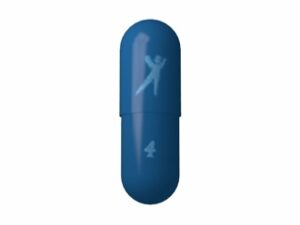

Dimenhydrinate (for nausea, vomiting and travel sickness) — Patient Information
Dimenhydrinate is an antihistamine medicine commonly used to treat and prevent symptoms such as nausea, vomiting, and vertigo associated with motion sickness and other causes. It works by reducing activity in the brain pathways that trigger nausea and dizziness.
This page provides patient-friendly information about dimenhydrinate, including how it works, when to take it, what to expect, safety considerations, and practical tips. Information is general and may not replace advice from a pharmacist or doctor.
Basic product information
| Item | Details |
|---|---|
| Active ingredient | Dimenhydrinate |
| Medicine type | Antihistamine (H1 receptor antagonist) used for nausea and motion sickness |
| Common forms | Tablets and other oral forms (availability depends on brand and supplier) |
| How it’s used | Taken by mouth; often used for travel sickness and acute nausea |
| Where it’s commonly used | Motion sickness, nausea and vomiting, dizziness related to inner ear conditions |
How dimenhydrinate works (mechanism of action)
Dimenhydrinate belongs to a group of medicines called antihistamines. It helps reduce nausea and dizziness by affecting multiple brain and balance-related pathways, including:
- H1 receptor blockade: reduces histamine-mediated effects involved in nausea and motion sensitivity.
- Central nervous system effects: has calming/anti-nausea effects that can reduce the sensation of vertigo.
- Antiemetic action: helps prevent or relieve vomiting triggered by motion or vestibular (inner-ear) disturbances.
For many people, dimenhydrinate can reduce motion-related symptoms within a short period after dosing, especially when taken before travel.
Pharmacokinetics (how the body handles the medicine)
Pharmacokinetics describe how dimenhydrinate is absorbed, distributed, metabolised, and eliminated. While exact values can vary between individuals and formulations, the overall pattern is as follows:
- Absorption: generally absorbed from the gastrointestinal tract after oral administration.
- Onset of action: often begins within about 30–60 minutes, which is why taking it before travel is useful.
- Duration: effects may last several hours (commonly about 4–6 hours), depending on the person and dose.
- Metabolism: processed primarily in the liver.
- Elimination: excreted mainly through the kidneys (urine) as metabolites.
Because dimenhydrinate can cause sleepiness, how you feel during the day may reflect both the medicine’s onset and duration.
Typical uses and indications
Dimenhydrinate is typically used for:
- Prevention and treatment of motion sickness (including travel by car, bus, train, or boat).
- Nausea and vomiting (where an antihistamine antiemetic is appropriate).
- Dizziness associated with inner ear disturbance, such as vertigo-like symptoms (as advised by your pharmacist/doctor).
If symptoms are severe, persistent, or associated with concerning features (for example, severe headache, chest pain, fainting, blood in vomit, or signs of dehydration), it’s important to seek medical advice promptly.
When to take dimenhydrinate (timing)
Timing can make a meaningful difference, particularly for travel sickness.
- For travel sickness: take dimenhydrinate about 30–60 minutes before you start travelling.
- If symptoms begin during travel: you may take a dose as directed by the pack instructions if needed.
- For nausea: take according to the recommended schedule on the packaging or as directed by a healthcare professional.
Try to use the lowest effective dose for the shortest possible time, consistent with the product directions.
Dose guidance (adults and children)
Dosing depends on age, formulation, and the strength of the tablet or preparation. Always follow: the pack instructions or guidance from your pharmacist.
Below is general information about how dimenhydrinate is commonly used. Because Australia has age-specific dosing and different brands may vary in strength, please confirm the exact dose on your product label.
- Adults and adolescents (typical range): often taken as a single dose, then repeated if needed according to the dosing interval stated on the pack.
- Children: dosing is age-based and should be measured carefully using the product’s directions. Only use dimenhydrinate in children if the product is specifically indicated for that age group.
Important: Do not exceed the maximum daily dose listed on the packaging. If you are unsure about dosing for a child, ask a pharmacist before giving a dose.
Food interactions and effects
Dimenhydrinate is generally effective with or without food. However, food can influence how quickly you feel the effect:
- With food: onset may be slightly delayed for some people.
- On an empty stomach: onset may be faster.
Practical tip: For travel, follow the timing guidance (30–60 minutes before travel). If you tend to feel nauseated, you may find it easier to take a dose with a small amount of food or a light snack, if the product directions allow.
Alcohol interactions
Alcohol and dimenhydrinate can increase sedation. This means you may experience:
- greater drowsiness
- slower reaction time
- impaired coordination
- increased risk of falls or accidents
It’s generally recommended to avoid or limit alcohol while taking dimenhydrinate, especially when you need to drive, operate machinery, or stay alert.
Interactions with other medicines
Dimenhydrinate may interact with other medicines that cause sedation or affect the nervous system. Tell your pharmacist about all medicines you take, including non-prescription products and herbal supplements.
Medicines that may increase drowsiness
- other antihistamines
- sleeping tablets
- opioid pain medicines
- some antidepressants and anti-anxiety medicines
- muscle relaxants
Anticholinergic medicines
Some medicines have “anticholinergic” effects (e.g., they can reduce secretions, affect bladder function, and contribute to dry mouth). Using multiple anticholinergic medicines together may increase side effects such as dry mouth, constipation, and blurred vision.
Other potential considerations
- If you take medicines for Parkinson’s disease, overactive bladder, or certain heart rhythm conditions, ask a pharmacist to review possible additive effects.
- If you are taking medications that affect the liver, metabolism could be affected. This is a reason to seek pharmacist advice if you take regular medicines.
For safety, avoid taking dimenhydrinate alongside other “cold and allergy” products unless you confirm they don’t duplicate the same medicine class.
Safety profile: who should be cautious
Like all medicines, dimenhydrinate can cause side effects. Many are mild, but some require extra caution. Always read the pack leaflet and follow instructions.
Common side effects
- Sleepiness or drowsiness
- Dizziness or slowed reaction time
- Dry mouth
- Blurred vision
- Constipation
- Headache
Less common but important risks
- Allergic reaction: swelling of the face/lips, rash, or breathing difficulty (seek urgent help).
- Paradoxical agitation: in some people (especially children) antihistamines may cause restlessness instead of sleepiness.
- Urinary retention: difficulty passing urine, particularly in people with prostate enlargement or bladder issues.
Special caution groups
- Children: use only as directed for the child’s age group.
- Elderly adults: may be more sensitive to drowsiness and falls; risk of constipation or confusion may be higher.
- People with glaucoma or bladder/prostate problems: anticholinergic effects may worsen symptoms.
- People with liver or kidney impairment: seek pharmacist advice.
If side effects are troublesome or you experience severe symptoms, stop the medicine and consult a pharmacist for guidance.
Practical use tips (to get the best results)
- Take it before travel: for motion sickness, pre-emptive dosing often works better than waiting for symptoms.
- Plan for sedation: avoid driving or risky activities after taking dimenhydrinate, especially during the first dose.
- Hydrate: small sips of water can help if you feel nauseated.
- Reduce motion triggers: sit where you feel the least movement (front seat for cars; mid-ship for boats), look at the horizon, and keep screens at a distance if screens worsen motion sensitivity.
- Consider non-medicine strategies: ginger, acupressure wristbands, and good ventilation can complement treatment.
Alternative options for nausea and motion sickness
Depending on the cause, severity, age, and individual health factors, other options may be considered:
For motion sickness
- Non-drug measures: positioning, looking at the horizon, fresh air, small frequent snacks.
- Ginger: some people find ginger helpful for nausea.
- Acupressure (P6 point): wristbands may help prevent nausea for some individuals.
- Other antiemetic medicines: different antihistamines or medicines specifically for motion sickness may be appropriate depending on availability and suitability.
For vertigo-related symptoms
- Vestibular conditions vary. Treatment may include anti-nausea medicines, hydration, and in some cases targeted therapies based on diagnosis.
A pharmacist can help you choose an alternative if dimenhydrinate isn’t suitable or if side effects are intolerable.
Market and legal context for Australia (general information)
In Australia, the supply of medicines is regulated through the Therapeutic Goods Administration (TGA). The classification of dimenhydrinate products (for example, whether they are available from general sales or behind the pharmacy counter) depends on brand and formulation.
Many dimenhydrinate products are widely stocked and used for short-term relief of motion sickness and nausea. For online purchasing, reputable pharmacies will provide:
- clear product identification and dosing instructions
- guidance on suitable age groups
- information on side effects and warnings
- advice to contact a pharmacist if you are unsure
Always ensure the product you purchase is an Australian-registered medicine sold by a compliant supplier.
Recent guidance and safety awareness (what to watch for)
Ongoing safety communications in many countries, including Australia, emphasise careful use of medicines that can cause drowsiness. While specific “recent guidance” can vary over time, these common themes are important:
- Drowsiness risk: antihistamines may impair driving and machinery operation; plan accordingly.
- Children: follow age-appropriate dosing strictly and avoid accidental overdose.
- Avoid duplicates: many combination cold and allergy products contain antihistamines—check labels.
- Seek help for severe symptoms: dehydration, persistent vomiting, or neurological symptoms warrant prompt medical assessment.
If you have questions about suitability for your circumstances, ask a pharmacist—especially if you are pregnant, breastfeeding, elderly, or taking regular medicines.
Delivery and availability (online pharmacy)
Dimenhydrinate products are commonly available through pharmacies and online pharmacy services in Australia. Delivery options typically include:
- Standard delivery (often several business days)
- Express delivery where available
- Order processing during business hours
Availability can vary by brand and stock levels. When ordering online, ensure you select the correct strength and form, and keep the package instructions for future dosing reference.
Tip: If you need dimenhydrinate for a planned trip, order early to allow for shipping time and to confirm the pack strength.
FAQ — Frequently asked questions
1) Does dimenhydrinate make you sleepy?
Yes. Drowsiness is one of the most common side effects. Many people find it affects alertness, especially within the first few doses. Avoid driving or risky activities until you know how it affects you.
2) When should I take it for car or boat travel?
For best prevention of motion sickness, take dimenhydrinate about 30–60 minutes before travel. If symptoms start, you can take it as directed by the pack instructions.
3) Can I take dimenhydrinate with food?
Generally, yes. Food may slightly delay the onset for some people. If you feel nauseated, consider taking it with a light snack if this is consistent with the product directions.
4) What if I forget a dose before travelling?
If you haven’t taken it yet and symptoms begin, take the next dose according to the pack instructions. If you’re unsure, ask a pharmacist—especially if you’ve already taken another nausea medicine.
5) Is it safe to combine with other allergy or cold medicines?
Be cautious. Many cold and allergy products contain antihistamines too. Taking multiple products that contain antihistamines can increase side effects and overdose risk. Check labels and ask a pharmacist if you’re unsure.
6) Can I drink alcohol while taking dimenhydrinate?
It’s best to avoid or limit alcohol because it can increase sedation and impair coordination. Avoid driving after taking dimenhydrinate, and be extra careful if alcohol is involved.
7) Who should not use dimenhydrinate or should seek advice first?
People who have certain conditions (such as glaucoma, urinary retention/prostate issues) or who take other sedating medicines should seek pharmacist advice. Children and older adults require extra caution.
8) What should I do if I accidentally take too much?
Contact a healthcare professional or local poison information services immediately, even if you feel okay. Symptoms of overdose can include severe drowsiness, agitation, or confusion.
9) How long can I use it?
Dimenhydrinate is usually intended for short-term, as-needed use. If nausea or vomiting lasts longer than expected, or keeps returning, seek advice to identify the cause rather than relying on repeat dosing.
10) Can I use dimenhydrinate during pregnancy or breastfeeding?
If you are pregnant or breastfeeding, it’s important to seek pharmacist or doctor guidance before using dimenhydrinate, as suitability may depend on your individual situation and the underlying cause of nausea.
Summary
Dimenhydrinate is an antihistamine used to prevent and relieve nausea, vomiting, and dizziness related to motion sickness and certain inner ear disturbances. It is often most effective when taken 30–60 minutes before travel. Because it can cause drowsiness, avoid driving and alcohol, and use caution with other sedating medicines.
If you have questions about which product strength to choose, the safest dosing for your age group, or potential interactions with your existing medicines, speak with a pharmacist before taking dimenhydrinate.