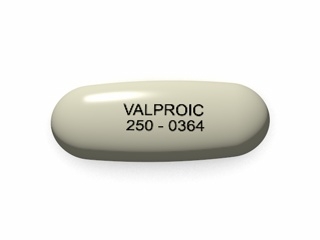
Valproic Acid (Valproate) – Patient Information Guide (Australia)
Valproic acid is a well-established medicine used to treat certain seizure disorders and to help prevent mood episodes in some people. In Australia, you may see it under different product names (for example, valproate medicines in various formulations). This page explains how valproic acid works, how it’s taken, common interactions and safety points, and what to expect in everyday use.
Important: Always follow the specific instructions provided for your particular product and your prescriber’s plan. If you are unsure about your dose, formulation, or timing, speak with a pharmacist.
Key product information
| Category | Details |
|---|---|
| Generic name | Valproic acid (often referred to as “valproate” when describing the broader medicine group) |
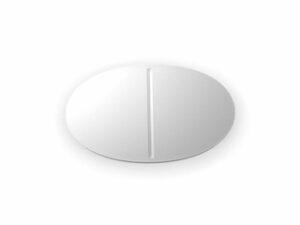
| Common forms | Oral capsules/tablets, granules/syrup, and modified-release products (varies by brand) |
| Medicine group | Antiepileptic drug (AED) / mood stabiliser |
| Typical dosing frequency | Once or twice daily depending on formulation and individual regimen |
| Monitoring | Blood levels (in some cases), liver function tests, and full blood counts may be monitored |
| Availability in Australia | Valproate medicines are available via pharmacies under Australian medicines regulations |
How valproic acid works (mechanism of action)
Valproic acid affects the brain in several ways. While the full picture is complex, key actions include:
- Increasing GABA activity: Valproate enhances the effects of gamma-aminobutyric acid (GABA), a natural calming chemical in the brain, which can help reduce seizure activity.
- Modifying electrical signalling: It can influence sodium channels and other neural signalling pathways, helping stabilise nerve cell firing.
- Longer-term mood effects: In mood disorders, these brain-stabilising effects may contribute to reducing the risk of certain mood episodes.
Pharmacokinetics (how the body handles it)
Pharmacokinetics describes how valproic acid is absorbed, distributed, metabolised, and eliminated.
- Absorption: Valproate is absorbed from the gastrointestinal tract after oral dosing. Modified-release formulations are designed to release medication more slowly.
- Distribution: It is widely distributed in the body and can cross into the brain. Valproate also binds to plasma proteins, which can vary between individuals.
- Metabolism: The medicine is mainly metabolised in the liver through multiple pathways.
- Elimination: Valproate is cleared primarily via the kidneys after being metabolised.
Half-life: The time it takes for the level of valproate in the body to reduce by half can vary by formulation and individual factors. This is one reason dosing schedules can differ (for example, once vs twice daily).
Blood levels: Your clinician may check valproate blood levels to help optimise seizure control or mood stabilisation, particularly if you have breakthrough symptoms, side effects, significant interactions, or changes in dose or formulation.
What is valproic acid used for? (typical use and indications)
Valproic acid is used for:
- Epilepsy: Treatment of certain types of seizures, often including generalised seizure types. Exact suitability depends on seizure type and individual circumstances.
- Prevention of mood episodes: It may be used as a mood stabiliser in some patients with bipolar-related conditions, based on clinical assessment.
Note on suitability: The choice of medicine depends on your diagnosis, seizure type, age, medical history, current medications, liver health, and specific risk factors (including pregnancy-related risk considerations discussed below).
How and when to take valproic acid
Timing and consistency
For many people, the most important factor is taking it at the same times each day. If your dose is split (e.g., morning and evening), keep the spacing consistent.
- Modified-release products: These may be taken once daily or according to the product instructions. Do not crush or chew modified-release formulations unless your specific product guidance allows it.
- Swallowing and administration: Follow the instructions on the packaging. If the medicine is a liquid or granules, use the measuring device provided.
Starting and dose changes
When beginning valproate, clinicians often start with a lower dose and adjust gradually. This helps reduce the chance of side effects such as nausea, tremor, or drowsiness.
Do not stop suddenly: Abruptly stopping valproate can increase seizure risk. If you’re considering a change, talk with a pharmacist or clinician first.
Food interactions and what to eat
Valproic acid can generally be taken with or without food. However, taking it with food may:
- Reduce stomach upset
- Improve comfort, particularly during dose changes or early treatment
Practical tip: Choose a routine you can maintain—e.g., always take it after breakfast and after dinner—then keep it consistent.
Alcohol interactions and safety
Combining valproic acid with alcohol is generally not recommended. Alcohol can:
- Increase drowsiness, dizziness, and impaired coordination
- Increase risk of stomach irritation
- Potentially worsen liver stress, especially with heavier drinking
If you choose to drink alcohol, do so sparingly and avoid binge drinking. Discuss your specific situation with your pharmacist or clinician, particularly if you have liver concerns or you take other medicines that affect the nervous system.
Medicine interactions (important)
Valproic acid can interact with other medicines. These interactions may alter valproate levels, increase side effects, or change seizure control.
Common interaction categories
- Other antiepileptic drugs (AEDs): Some can raise or lower valproate levels, requiring monitoring and dose adjustments.
- Some antibiotics: A few antibiotics may affect drug levels or seizure control indirectly. Always check with your pharmacist if you’re prescribed antibiotics.
- Medicines affecting liver enzymes: Certain medicines may change how valproate is metabolised.
- Blood-thinning medicines: Warfarin and similar medicines may have interaction considerations; monitoring may be required.
- Sedatives and sleep medicines: Combining with benzodiazepines, opioids, or other sedatives can increase drowsiness and risk of falls or impaired driving.
Over-the-counter and herbal products
Be cautious with supplements and herbal products. Some may affect liver function or enzyme activity. Tell your pharmacist about:
- Herbal medicines (e.g., St John’s wort)
- High-dose vitamins/minerals
- Cold and flu products containing sedating ingredients
Action steps
- Keep an up-to-date list of all medicines you take.
- Ask your pharmacist about interactions before starting any new medicine.
- Seek medical advice promptly if you notice worsening seizures, unusual sleepiness, or new side effects after a medication change.
Dosing overview (how doses are typically determined)
Dose is individualised based on the condition being treated, age, body weight, seizure type, current medication regimen, liver function, and tolerability.
- For epilepsy: Dosing is often adjusted to achieve seizure control while minimising side effects.
- For mood stabilisation: Dosing may be tailored to mood response and side effect profile.
Starting doses and titration: Clinicians may increase gradually. This allows your body to adapt and helps reduce adverse effects.
Modified-release vs immediate-release: Doses are not always interchangeable between formulations. Always use the exact product prescribed for you and follow the product instructions.
Missed dose:
- If you miss a dose, take it when you remember unless it’s close to the next dose.
- Do not double up to make up for a missed dose.
- If you’re unsure, consult your pharmacist for advice based on your dosing schedule.
Safety profile and side effects
Like all medicines, valproic acid can cause side effects. Many people experience mild effects early on, while others need closer monitoring.
Common side effects
- Nausea or stomach discomfort
- Drowsiness, fatigue, or dizziness
- Tremor (shakiness)
- Weight gain
- Headache
- Hair changes in some people
Serious risks (seek prompt medical attention)
Certain reactions require urgent assessment:
- Liver problems: Unusual tiredness, loss of appetite, vomiting, abdominal pain (especially upper right), yellowing of the eyes/skin, or dark urine may indicate liver trouble.
- Pancreatitis: Severe abdominal pain (sometimes with vomiting) can be a warning sign.
- Severe allergic reaction: Swelling of the face/lips, rash with breathing difficulty, or severe skin reactions need urgent care.
- Unusual bruising/bleeding: This may be linked to blood cell effects and requires assessment.
- Severe drowsiness or confusion: Can occur if levels become too high or if interactions occur.
High-risk groups and special cautions
- Pregnancy and people who can become pregnant: Valproate exposure during pregnancy carries serious risks for the developing baby, including an increased risk of congenital malformations and developmental disorders. Australian guidance and prescribing practices strongly emphasise careful consideration, counselling, and avoiding unnecessary exposure where possible.
- Liver disease: People with existing liver impairment may require additional caution and monitoring.
- Children and adolescents: Risk-benefit assessment and monitoring are particularly important in younger patients.
Never use valproate “to fill in” for missed doses without advice. If you are planning pregnancy or might become pregnant, talk to your clinician early so that options can be discussed well in advance.
Practical tips for using valproic acid safely
- Use a daily routine: Pair doses with regular meals or bedtime to reduce missed doses.
- Keep a consistent brand/formulation: If your pharmacy supplies the same medicine brand and formulation, your dosing is more predictable. If it changes, ask the pharmacist to confirm it’s the same type (especially immediate-release vs modified-release).
- Avoid driving if you feel drowsy: If the medicine makes you sleepy or dizzy, avoid driving or operating machinery until you know how you respond.
- Track side effects: If tremor, weight changes, hair changes, or stomach upset occur, mention them—dose adjustments or supportive strategies may help.
- Attend monitoring appointments: Follow scheduled blood tests (such as liver function and blood counts) if recommended for you.
- Tell healthcare professionals: Inform dentists, surgeons, and other specialists that you take valproate—especially before procedures.
Alternative options (discuss with a pharmacist or clinician)
If valproic acid is not suitable (for example, due to side effects, interaction risk, pregnancy considerations, or lack of response), there are other options depending on the condition being treated.
For seizure disorders
- Levetiracetam
- Lamotrigine
- Carbamazepine
- Oxcarbazepine
- Topiramate
For mood stabilisation
- Lithium
- Lamotrigine (in some bipolar-related conditions)
- Certain antipsychotic medicines (used in specific regimens)
Switching requires planning: Alternatives and changes should be done gradually and under clinical guidance to minimise seizure or mood destabilisation.
Valproic acid in Australia: market and legal context
In Australia, valproate medicines are subject to strict medicine regulatory requirements and safety communications. There are additional safeguards in place because of the known pregnancy-related risks. Clinicians and pharmacists must follow current Australian prescribing and supply requirements, including patient counselling and risk minimisation strategies when relevant.
What this may mean for you:
- Extra counselling about risks and benefits (especially for people who can become pregnant)
- More careful review of dose and need for valproate compared with other options
- Potentially stricter documentation and monitoring practices
Guidance may change over time as regulatory bodies update safety information based on the latest evidence. If you have questions about why your supply includes specific warnings or documents, ask your pharmacist—they can explain what applies to your situation.
Recent guidance and safety updates
Australian safety messaging for valproate has evolved over the years, particularly focusing on pregnancy prevention and risk minimisation. Key themes in recent guidance include:
- Limiting use in pregnancy where safer alternatives are possible
- Using the lowest effective dose when valproate is considered necessary
- Ensuring informed counselling about developmental and congenital risks
- Regular review of ongoing need and consideration of alternatives
Your pharmacist can help you understand the safety plan that applies to your care, including any recommended steps if you are planning pregnancy or could become pregnant.
Delivery, availability, and what to expect from an online pharmacy
Valproic acid availability depends on the specific brand and formulation. In Australia, many pharmacies offer medicines delivery across metropolitan and regional areas, with compliance to state and national requirements.
When ordering online, expect:
- Careful product identification (correct strength and formulation)
- Packaging that protects medicine from damage during transport
- Delivery timeframes that vary by location and service level
- Medication safety checks such as confirming patient details, if required for your order type
Storage: Follow the instructions on the pack. Keep medicines away from heat, moisture, and direct sunlight, and store out of reach of children.
If you have urgent delivery needs (for example, you are nearing the end of your current supply), contact the pharmacy’s customer support as early as possible to check stock and dispatch timing.
FAQ (Frequently asked questions)
1) Can I take valproic acid with food?
Yes. Many people find taking valproic acid with food reduces stomach discomfort. Follow your product label instructions and keep the timing consistent.
2) What should I do if I miss a dose?
Take it when you remember unless it’s close to the next scheduled dose. Do not double the dose. If you’re unsure, ask your pharmacist for advice based on your dosing schedule.
3) Does valproic acid make me drowsy?
It can. Drowsiness or dizziness is a possible side effect, particularly when starting treatment or after dose changes. If you feel affected, avoid driving or operating machinery until you know how you respond.
4) Is it safe to drink alcohol while taking valproic acid?
Alcohol is generally not recommended. It may increase dizziness and drowsiness and may add stress to the liver. If you plan to drink, discuss it with your pharmacist or clinician first.
5) Why might I need blood tests?
Valproate can affect the liver and blood cell counts in some people. Blood tests help monitor safety and, in some cases, check medication levels to confirm appropriate dosing.
6) Can valproic acid be stopped suddenly?
No. Stopping suddenly can worsen seizure control and may destabilise mood. Any changes should be planned and done gradually with clinician guidance.
7) Are there special precautions for pregnancy?
Yes. Valproate exposure during pregnancy is associated with serious risks. Australian guidance emphasises careful risk minimisation, counselling, and consideration of alternative treatments where appropriate. If pregnancy is possible, discuss this with your clinician as early as possible.
8) Are different formulations interchangeable?
Not always. Immediate-release and modified-release products release medication differently. Use the exact formulation and dosing schedule provided for you and confirm any changes with your pharmacist.
9) What other medicines commonly interact with valproic acid?
Interactions can occur with other antiepileptic drugs, certain antibiotics, sedatives, blood-thinners, and some medicines that affect liver metabolism. Always check with a pharmacist before starting new products, including herbal supplements.
10) When should I seek urgent help?
Seek urgent medical attention for signs of liver problems (yellow skin/eyes, severe fatigue, vomiting, abdominal pain), severe abdominal pain (possible pancreatitis), signs of a serious allergic reaction (swelling, breathing difficulty), or severe unusual drowsiness/confusion.
Summary
Valproic acid is an effective medicine used for specific seizure types and can also be used as a mood stabiliser in selected patients. It works by increasing inhibitory brain signalling and stabilising neural activity. Because of potential side effects—especially liver-related concerns and pregnancy-related risks—valproic acid requires careful dosing, monitoring where appropriate, and attention to medicine interactions and lifestyle factors such as alcohol.
If you have questions about your dose, how to take your particular formulation, or whether other medicines could interact with valproic acid, speak with your pharmacist for tailored advice.