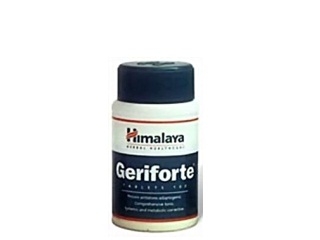


Geriforte (for Australia) — Patient-Friendly Information
Geriforte is a medicine used to treat and manage certain gastrointestinal (stomach) conditions. This page provides clear, patient-friendly information about how Geriforte works, typical uses, dosing basics, important interactions, safety considerations, and practical tips for using it effectively.
While this information is designed to help you understand the medicine, always follow the instructions given by your doctor or pharmacist and read the product label carefully.
Quick overview
- Medicine name: Geriforte
- Medicinal use: Commonly used for gastrointestinal conditions (including indigestion-related symptoms and ulcer/acid-related problems depending on formulation and local product details)
- How it works: Reduces acid activity in the stomach
- When to take: Usually once daily or as directed; timing often matters for best effect
- Key interactions: May interact with certain medicines that depend on stomach acidity for absorption
- Safety: Generally well tolerated when used as directed, but certain side effects and “red flag” symptoms require attention
Basic product information
Geriforte is marketed in Australia as a gastrointestinal medicine. The exact active ingredient, strength, and dose form may vary by product presentation (for example, tablet strength and formulation).
Always check the packaging for the active ingredient and strength, and confirm the correct product you’ve received.
| Feature | What to know |
|---|---|
| Brand | Geriforte |
| Product type | Gastrointestinal medicine used to reduce acid-related effects |
| Common uses | Acid-related conditions such as reflux symptoms, dyspepsia, and ulcer-related issues (based on formulation and local guidance) |
| How it’s taken | Oral, typically with water; timing depends on the indication and dosing plan |
| Availability | May be available via pharmacies and online pharmacy services in Australia, depending on stock and regulatory status |
Mechanism of action (how Geriforte works)
Geriforte works by targeting processes involved in stomach acid production and/or activity. By reducing stomach acidity, it helps:
- Reduce burning pain and discomfort associated with reflux and acid irritation
- Support healing of inflamed or ulcerated tissue in acid-related conditions
- Improve symptoms such as indigestion, sour taste, and upper abdominal discomfort
The precise mechanism depends on the active ingredient in your Geriforte product. In general, acid-suppressing medicines reduce the damaging effects of excess or persistent acid.
Pharmacokinetics (what the body does with it)
“Pharmacokinetics” describes how your body absorbs, distributes, metabolises, and eliminates a medicine. While individual results vary, general patterns for acid-suppressing oral medicines include:
- Absorption: Typically absorbed after taking by mouth. Food and stomach conditions can influence absorption for some formulations.
- Onset of effect: Symptom relief may be noticed within hours, but full benefit (especially for healing) may take days to weeks.
- Distribution: The medicine concentrates in areas relevant to acid production (particularly in the stomach lining).
- Metabolism: Usually metabolised in the liver via enzyme pathways.
- Elimination: Excreted through metabolic clearance, often primarily via the kidneys and/or bile depending on the ingredient.
Your pharmacist can provide information specific to your exact Geriforte formulation and strength.
Typical uses and indications
Geriforte is commonly used for acid-related gastrointestinal conditions. Indications may vary based on product formulation, local listings, and clinical assessment. Typical uses include:
- Gastro-oesophageal reflux disease (GORD)/acid reflux — such as heartburn, regurgitation, and reflux discomfort
- Dyspepsia (indigestion) — including upper abdominal discomfort related to acidity
- Ulcer-related conditions — to help manage or prevent recurrence as advised
- Protection in specific treatment plans — for people at risk of acid-related harm when advised by a clinician
If you are unsure whether Geriforte is appropriate for your symptoms, speak with a pharmacist. Persistent symptoms or alarm features require medical assessment.
Timing: when to take Geriforte
Timing can be important for acid-suppressing medicines. In many cases, they work best when taken consistently at the same time each day. Common timing guidance includes:
- Once-daily dosing: Often taken before a meal to maximise effect on the meal-related acid surge.
- Twice-daily dosing (if prescribed): Usually morning and evening, with regular spacing.
- Consistency: Try to take it at the same time each day.
For the most accurate instructions, follow the directions on your product label or as advised by a pharmacist.
How to take Geriforte (dosing guidance)
Dosing depends on the indication, your age, kidney/liver health, and how severe symptoms are. The following is general dosing information to help you understand typical patterns. Always use the exact dose and schedule on your label or as directed.
Typical adult dosing patterns (general)
- Mild-to-moderate symptoms: Often starts at a lower dose once daily.
- More persistent or severe symptoms: May require a higher dose, longer duration, or split dosing.
- Healing phases: Many acid-related conditions require several weeks of treatment for best results.
If you miss a dose
- If you remember soon after, take it as directed.
- If it’s close to the next scheduled dose, skip the missed dose.
- Do not double to make up for a missed dose.
Duration of use
Some people use Geriforte short term (for symptom control), while others require longer courses depending on the underlying condition. If symptoms don’t improve within the expected time, seek advice promptly.
Food interactions
Food can affect how well some acid-suppressing medicines work by changing stomach contents and the timing of acid production. In general:
- Taking before meals often improves consistency for acid-related symptoms.
- Heavy meals may worsen reflux symptoms, even if you take your medicine.
- If your product label specifically instructs “before food,” follow that closely.
If your dosing instructions are unclear, check with your pharmacist. They can also help you fit dosing around your daily routine.
Alcohol and medicine interactions
Alcohol can aggravate reflux and may worsen indigestion symptoms. It can also contribute to irritation of the stomach lining, particularly in people with existing acid-related problems.
- Alcohol with Geriforte: There is not always a direct “chemical” interaction with every acid-suppressing medicine, but alcohol can reduce symptom control by increasing reflux triggers.
- General advice: Limit alcohol if you experience heartburn or upper abdominal discomfort.
- Safety note: If you drink alcohol and notice symptoms worsening, consider reducing or avoiding alcohol while your symptoms settle.
For any specific medicines you take (including blood thinners, antifungals, anti-HIV medicines, or certain cancer treatments), ask your pharmacist about potential interactions.
Interactions with other medicines
Geriforte may interact with other medicines, particularly those affected by stomach pH (acidity) or those metabolised by liver enzymes. Interactions can change how much of a medicine your body absorbs or how long it stays active.
Tell your pharmacist if you take any of the following (not exhaustive):
- Medicines where absorption depends on stomach acidity (some tablets/capsules may be less effective when stomach acid is reduced)
- Some antibiotics and antifungals (depending on the active ingredients)
- Medicines for HIV (some have pH-dependent absorption)
- Medicines with narrow therapeutic index (where small changes matter)
- Warfarin or other anticoagulants (monitoring may be needed)
Also mention supplements and herbal products (for example, St John’s wort), as they can alter medication metabolism.
Safety profile and side effects
Most people tolerate Geriforte well when used as directed. However, like all medicines, it can cause side effects in some individuals.
Common side effects
- Headache
- Nausea or mild stomach upset
- Diarrhoea or constipation
- Abdominal bloating or gas
Less common but important side effects
- Skin rash or itching
- Dizziness
- In some cases, changes to blood counts or nutrients with prolonged use (see “Long-term use” below)
Seek urgent medical help if you have “red flag” symptoms
Stop and seek urgent medical advice if you develop:
- Chest pain or symptoms that feel severe or unusual
- Vomiting blood or passing black/tarry stools
- Unintentional weight loss
- Difficulty swallowing or persistent vomiting
- Severe or worsening abdominal pain
- Signs of allergy: swelling of face/lips, trouble breathing, widespread hives
Long-term use considerations
If you need Geriforte for longer periods, discuss this with a clinician/pharmacist. Long-term acid suppression in general has been associated (in some patients) with:
- Lower absorption of certain nutrients that require stomach acid
- Increased risk of certain infections (because stomach acid is a barrier against some pathogens)
- Possible changes in kidney function in susceptible individuals
Your pharmacist can help weigh benefits and risks based on your personal health history.
Practical use tips
- Take it consistently: Choose a routine time that you can stick to.
- Follow timing guidance: If instructions say before food, take it before meals.
- Use lifestyle measures: Avoid late meals, reduce spicy/greasy foods if they trigger symptoms, and consider elevating the head of the bed if reflux is frequent.
- Keep symptom notes: If symptoms persist, track what triggers them and how quickly medicine helps.
- Review other medications: Ask your pharmacist to check for interactions, especially if you take multiple long-term medicines.
- Do not stop abruptly without advice: For some conditions, stopping suddenly can lead to symptom rebound.
Alternative options
Depending on your symptoms and diagnosis, other treatment options may be considered. Alternatives commonly include:
- Other acid-suppressing medicines: Different classes or brands may be appropriate based on availability and medical history.
- Antacids: Useful for fast, short-term relief (often for occasional heartburn).
- Alginate-based products: Form a protective barrier to reduce reflux episodes for some people.
- H2-receptor blockers: May help mild or intermittent symptoms.
- Non-medicine strategies: Dietary changes, weight management, smoking cessation, and avoiding trigger times (especially late evening).
Your pharmacist can recommend suitable options if Geriforte isn’t the best fit or if you need a different approach.
Australia market and legal context (what it means for you)
In Australia, medicines are regulated to support quality, safety, and appropriate use. Availability can depend on whether a product is listed as:
- Prescription-only (where applicable),
- Pharmacist-only supply categories, or
- Over-the-counter supply for eligible formulations and indications.
For online pharmacy services, products are typically supplied following applicable Australian requirements, including identity and eligibility checks where necessary, and ensuring safe dispensing practices.
If you’re unsure about supply category or suitability, speak with our team or your pharmacist.
Recent guidance and monitoring reminders
Ongoing Australian clinical practice generally emphasises:
- Using the lowest effective dose for the shortest time needed to control symptoms.
- Reassessing ongoing symptoms if they persist despite treatment.
- Reviewing long-term therapy with a clinician if ongoing use is required.
- Checking interactions when starting or stopping Geriforte, especially for people on multiple medications.
Your pharmacist can also advise whether your symptoms align with common acid-related problems or whether further assessment is needed.
Delivery and availability (Australia)
Geriforte may be available through Australian online pharmacies subject to stock, scheduling, and regulatory supply requirements. Delivery timeframes depend on your location and the dispatch process.
- Stock availability: Availability can vary; some strengths or pack sizes may sell out quickly.
- Delivery estimates: Provided at checkout or in your confirmation email.
- Packaging: Medicines are typically dispatched in tamper-evident packaging where required.
- Tracking: Many deliveries include tracking information.
If you need help choosing the correct strength or pack size, contact us before ordering.
FAQ about Geriforte
1) What is Geriforte used for?
Geriforte is used for acid-related gastrointestinal conditions such as reflux and indigestion, and in ulcer-related situations depending on the specific product and your healthcare plan.
2) How fast will Geriforte work?
Some people notice symptom improvement within hours, but full benefit—especially for healing—may take days to weeks. If there is no improvement within the expected timeframe, speak with a pharmacist or clinician.
3) Should I take Geriforte before or after meals?
Many acid-reducing medicines work best when taken before meals. Check your label or product instructions. If the directions on your pack say “before food,” follow them.
4) Can I take Geriforte with other medicines?
Possibly, but interactions can occur. Tell your pharmacist about all medicines and supplements you use so they can check compatibility and timing.
5) Does alcohol affect Geriforte?
Alcohol may not always cause a direct drug-drug interaction, but it can worsen reflux and indigestion symptoms. Limiting alcohol may help improve symptom control.
6) What should I do if I miss a dose?
Take it when you remember unless it’s nearly time for your next dose. Do not double up.
7) Are there any “warning signs” while taking Geriforte?
Yes. Seek urgent medical care if you experience chest pain, vomiting blood, black stools, severe abdominal pain, difficulty swallowing, or signs of allergy such as swelling or trouble breathing.
8) Can I use Geriforte long term?
Some people require longer courses under clinician guidance. If you are using it for extended periods, discuss ongoing need, dose, and monitoring with a healthcare professional.
9) What lifestyle changes can help alongside Geriforte?
Helpful options often include avoiding late meals, reducing trigger foods (such as very fatty or spicy meals), maintaining a healthy weight, and elevating the head of the bed if night reflux is a problem.
10) If Geriforte doesn’t help, what should I do?
If symptoms persist or worsen, don’t keep repeating the same approach indefinitely. Contact a pharmacist or clinician to review the diagnosis, dose, and possible interactions.
Important: This information is intended as general guidance for consumers in Australia. Individual suitability and safe use depend on your medical history, current medicines, and the exact Geriforte formulation you have. For personalised advice, speak with a pharmacist.