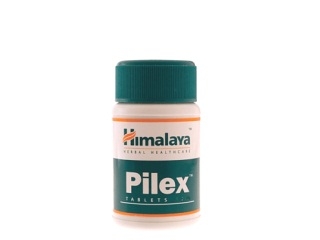

Pilex® (medicine) — Patient-Friendly Guide for Australia
Pilex® is an oral herbal medicine traditionally used for the relief of symptoms associated with piles (haemorrhoids). This guide explains how Pilex works, how to take it, what to expect, and important safety information—written for patients in Australia.
Please note: product formulations can vary by brand and strength. Always check the pack label for the exact ingredients, strength, and directions for use, and consult a health professional if you are unsure whether Pilex is suitable for you.
Key product information
- Product name: Pilex®
- Form: Typically capsules or tablets (varies by product presentation)
- Common use: Symptomatic relief of piles/haemorrhoids
- Country availability: Sold through selected retail and online pharmacies in Australia (availability can vary by retailer and stock)
- How it’s used: Taken by mouth
If you are comparing different “Pilex” products, ensure you are looking at the exact Australian product you plan to buy, including strength and dosing instructions on the pack.
What are piles (haemorrhoids)?
Piles (also called haemorrhoids) are swollen blood vessels in and around the anus and rectum. They may cause:
- Pain or discomfort, especially when sitting or passing stool
- Itching or irritation
- Bleeding, usually bright red blood on toilet paper or in the toilet
- Swelling or a lump
Symptoms can flare during constipation, straining, pregnancy, or prolonged sitting. Medicines like Pilex are intended to help relieve symptoms while you also adopt measures to prevent constipation and reduce strain.
How Pilex works (mechanism of action)
Pilex contains a blend of herbal ingredients commonly used in traditional remedies for haemorrhoids. While exact mechanisms can vary by formulation, these herbal medicines are generally used to support:
- Anti-inflammatory activity to help reduce irritation and swelling
- Symptom relief for discomfort, itching, and local inflammation
- Support for vascular health to assist with haemorrhoid-related symptoms
The goal is to ease symptoms and support recovery. Herbal medicines may take several days to show improvement, particularly for inflammatory symptoms.
Pharmacokinetics: absorption, distribution, metabolism, and excretion
For complex herbal formulations, detailed pharmacokinetic data (how the body absorbs, processes, and eliminates each ingredient) may not be fully established in the same way as for single-ingredient pharmaceuticals. In general:
- Absorption: Active constituents may be absorbed from the gastrointestinal tract after oral dosing.
- Distribution: Constituents that are absorbed may distribute through body tissues.
- Metabolism: Components are likely metabolised in the liver and/or intestinal tract.
- Excretion: Metabolites are typically eliminated via bile and/or urine.
Practically, this means consistency in dosing and adequate hydration/fibre intake are important so your symptoms can improve over time.
Typical uses and indications
Pilex is commonly used for symptomatic relief of piles/haemorrhoids, which may include:
- Itching and discomfort around the anus
- Pain and inflammation associated with haemorrhoids
- Bleeding associated with haemorrhoids (in appropriate cases)
- Swelling and irritation
Important: Bright red bleeding can have multiple causes. If bleeding is new, heavy, or persistent, seek medical advice promptly to rule out other conditions.
How and when to take Pilex (timing and regimen)
Follow the dosing instructions on your specific Pilex pack. If your pharmacist or prescriber has provided instructions, follow those instead.
Typical timing
- Take regularly as directed, often daily.
- Consider taking it at the same times each day to maintain consistent exposure.
- Many people start to notice improvement over several days; if symptoms are not improving, reassess your approach.
What to do if you miss a dose
- Take it when you remember unless it is close to the next dose.
- Do not take double the dose to make up for a missed dose.
Dosing guidance (general information)
Because Pilex products may come in different strengths and presentations, the safest guidance is to follow the dose printed on the package.
If you have the pack strength and directions, you can match the dose below as a general example:
- Adults: Most OTC herbal pile remedies are dosed for adults in repeated daily doses.
- Children: Use only if the product label explicitly states suitability for children and gives an age-appropriate dose.
- Pregnancy and breastfeeding: Check with a healthcare professional before use.
If you tell us your exact Pilex product (capsules/tablets and strength), we can help interpret the label directions for timing and routine.
Food interactions
Herbal medicines may interact with certain foods or be better tolerated with meals. For Pilex:
- With food: Many people find it easier on the stomach to take oral medicines with or after food.
- On an empty stomach: Some products may cause mild stomach upset if taken on an empty stomach—follow pack directions.
Practical tip: If you notice nausea or stomach discomfort, take your dose with a meal or snack (as long as this matches the product label). Maintain good hydration and fibre intake to support easier bowel movements.
Alcohol and medicine interactions
There is limited, product-specific published interaction data for many multi-herbal OTC formulations. However, general safety principles apply:
- Alcohol: Moderate alcohol intake is unlikely to directly “cancel out” an herbal OTC medicine, but alcohol may worsen constipation or dehydration in some people—making haemorrhoid symptoms harder to manage.
- Other medicines: If you take anticoagulants/antiplatelet medicines, non-steroidal anti-inflammatory drugs (NSAIDs), or other regular medicines, check with a pharmacist before starting Pilex. Even if direct interactions are not widely documented, individual ingredients could theoretically affect bleeding risk.
If you are taking multiple medicines or have chronic conditions, a pharmacist can help check for potential interactions based on your exact product ingredients and your medicine list.
Safety profile and precautions
Common side effects
Herbal medicines can cause side effects in some individuals. Possible (but not guaranteed) effects include:
- Mild gastrointestinal discomfort
- Nausea or bloating
- Headache (occasionally)
If side effects occur, consider taking the dose with food (if label allows) and stop and seek advice if symptoms persist or worsen.
When to avoid Pilex or get medical advice first
Speak to a pharmacist or healthcare professional before using Pilex if you:
- Have unexplained rectal bleeding, black/tarry stools, or bleeding that is heavy or persistent
- Have severe pain, fever, or signs of infection
- Have a known allergy to any herbal ingredients
- Are pregnant or breastfeeding
- Have significant medical conditions (e.g., liver disease) or take multiple medicines
- Are scheduled for surgery or have a procedure soon
Serious symptoms—get urgent care
Seek urgent medical attention if you experience:
- Large amounts of rectal bleeding
- Dizziness, fainting, or symptoms of significant blood loss
- Severe worsening pain with swelling
- High fever or signs of severe infection
Practical use tips for best results
Medicines can help, but lifestyle measures are often the difference between quick relief and prolonged flare-ups. Consider:
1) Keep stools soft
- Drink adequate water through the day.
- Increase fibre via fruit, vegetables, wholegrains, and/or a fibre supplement.
- Avoid straining during bowel movements.
2) Reduce irritation
- Use gentle, fragrance-free wipes or rinse with water if you are sensitive.
- Pat dry carefully; avoid vigorous rubbing.
- Consider warm sitz baths (sitting in comfortably warm water) to soothe discomfort.
3) Don’t ignore symptom changes
- If symptoms persist beyond a short trial period or keep returning frequently, get checked.
- Any change in bleeding pattern should be assessed.
4) Maintain routine
- Take Pilex at the same times daily as instructed on your pack.
- Use it alongside good bowel habits rather than as a standalone solution.
Alternative options (what else can help piles/haemorrhoids?)
Depending on symptom severity and cause, options may include:
- Topical haemorrhoid treatments: creams/ointments and suppositories that help relieve local symptoms.
- Oral pain relief: analgesics or anti-inflammatory medicines as advised by a pharmacist (especially for short-term pain).
- Stool softeners and laxatives: fibre supplements, osmotic laxatives, or stool softeners to reduce straining.
- Sitz baths and hygiene measures: warm water soaks to reduce discomfort.
- Medical procedures: if symptoms are severe or persistent (a clinician can advise on options).
Choosing alternatives depends on whether your symptoms are mainly pain, itching, swelling, bleeding, or constipation. A pharmacist can help match a product to your situation.
Australia market & legal context (how Pilex may be supplied)
In Australia, complementary and herbal products are typically supplied as listed or registered medicines under the Therapeutic Goods Act framework, depending on the specific product and claims.
On online pharmacy sites, you may see products categorised as OTC (over-the-counter) and accompanied by consumer information, including directions for use and safety warnings.
- Claims: Product marketing information must comply with Australian regulations regarding therapeutic statements.
- Quality and listing/registration: Availability can depend on whether the product is entered with the appropriate status for sale.
- Stock variation: Online inventory may fluctuate due to supply, seasonal demand, or retailer sourcing.
Always check the product box and included leaflet for the most current instructions, ingredient list, and warnings.
Recent guidance and safety updates (staying current)
Consumer guidance for haemorrhoids commonly emphasises:
- Prompt assessment of rectal bleeding, especially if it is persistent or new
- Managing constipation with fibre and hydration to reduce recurrence
- Using medicines as directed and not exceeding recommended dosing
- Seeking medical review if symptoms don’t improve within a reasonable timeframe
Regulations and advice may change over time. For the most up-to-date recommendations, consider consulting your pharmacist or checking the latest official health information available in Australia.
Delivery and availability in Australia
Many online pharmacies in Australia deliver Pilex to eligible addresses nationwide. Availability can vary depending on:
- Current stock levels
- Chosen pack size and presentation
- Warehouse dispatch times
- Delivery region and carrier options
When you place an order, you’ll typically see:
- Estimated delivery timeframe
- Shipping costs (if applicable)
- Payment methods supported by the retailer
- Order confirmation and tracking details (if provided)
If you require urgent relief or have upcoming travel, check dispatch times before ordering.
FAQ about Pilex
1) How long does it take for Pilex to work?
Many people notice some symptom relief within the first several days, but results vary depending on the severity of haemorrhoids and whether constipation/straining is addressed. If you don’t feel improvement after a short trial period, check with a pharmacist.
2) Can I take Pilex with other haemorrhoid treatments?
Often, Pilex may be used alongside supportive measures such as warm sitz baths, improved bowel habits, or other symptom-focused options. However, if you plan to combine it with other oral medicines, or if you take blood-thinning medicines, ask a pharmacist to review your regimen for safety.
3) Is Pilex suitable for everyone?
It may not be suitable for people with specific allergies, those who are pregnant or breastfeeding, and those with certain medical conditions or medication regimens. Always refer to the product pack warnings and seek advice if you are unsure.
4) What if I have bleeding from my rectum?
Bright red bleeding can occur with haemorrhoids, but it can also be caused by other conditions. If bleeding is new, heavy, persistent, or accompanied by severe pain or other symptoms (such as fever, weight loss, or anaemia symptoms), seek medical advice promptly.
5) Should I stop using Pilex if I feel better?
You can typically reduce or stop based on the directions on the pack. If symptoms recur, consider reviewing bowel habits and ask a pharmacist whether you should repeat a course or consider alternative treatments.
6) Does Pilex treat the underlying cause of piles?
Pilex is used for symptom relief. Preventing and managing constipation, avoiding straining, and reducing irritation are key to limiting flare-ups. If symptoms frequently return, it’s important to discuss underlying causes with a healthcare professional.
7) Can I drink alcohol while taking Pilex?
There are no universal interaction rules for every herbal formulation, but alcohol may indirectly worsen haemorrhoid symptoms by contributing to dehydration or constipation. If you choose to drink, keep intake moderate and stay well-hydrated. If you take other medicines or have bleeding concerns, ask a pharmacist.
8) What should I do if I miss a dose?
Take it when you remember unless it is close to the next scheduled dose. Don’t double up.
9) Are there any dietary changes I should make?
A fibre-rich diet and adequate fluid intake help keep stools soft and reduce straining. This often improves outcomes whether you use Pilex or other haemorrhoid treatments.
10) Where can I find the exact dosing instructions?
Check the label and leaflet in the carton for the dosing schedule and contraindications. If you want help interpreting the instructions for your specific product, contact your pharmacist.
Quick reference summary
| Topic | What to know |
|---|---|
| Purpose | Helps relieve symptoms of piles/haemorrhoids (itching, discomfort, swelling; may help with bleeding in appropriate cases) |
| How to take | By mouth, following the pack directions; take consistently at the recommended times |
| When to expect relief | Often within days; individual response varies |
| Food | Often tolerated better with food; follow product label for best practice |
| Alcohol | Moderation is advised; alcohol can worsen constipation/dehydration |
| Safety | Stop and seek advice if you experience significant adverse reactions; seek urgent care for heavy bleeding or severe symptoms |
| When to see a clinician | New/persistent bleeding, severe pain, fever, or symptoms that don’t improve |
Disclaimer: This page provides general consumer information about Pilex for haemorrhoid symptom relief. It does not replace advice from a pharmacist or doctor, and it may not cover every individual situation. Always read the product label and follow directions exactly.