Cyproterone acetate and Ethinylestradiol
Cyproterone acetate combined with ethinylestradiol is an oral contraceptive medicine used for both contraception and for specific hormone-related conditions. In Australia, products containing this combination may be prescribed and supplied under different brand names and strengths depending on availability and clinical guidance.
This page explains how the medicine works, how it is typically taken, what to expect, and important safety information. It is written to be patient-friendly, but it does not replace advice from your healthcare professional.
Basic product information
| Feature | What it means |
|---|---|
| Active ingredients | Cyproterone acetate + Ethinylestradiol |
| Medicine type | Combined oral contraceptive (COC) / combined hormonal therapy |
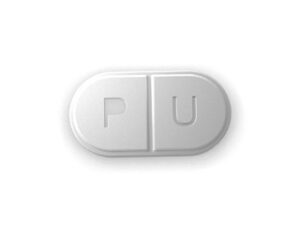
| Typical form | Tablet taken by mouth |
| How it’s used | Daily dosing in cycles (exact regimen depends on the product) |
| Common benefits | Contraception; improved symptoms of androgen-related conditions such as acne/hirsutism in selected patients |
How it works (mechanism of action)
This medicine contains two hormones: ethinylestradiol (an oestrogen) and cyproterone acetate (a progestogen with anti-androgen effects).
Contraceptive effect
- Prevents ovulation: the hormones suppress release of eggs from the ovaries.
- Thickens cervical mucus: making it harder for sperm to pass into the uterus.
- Alters endometrial lining: helps reduce the likelihood of implantation.
Anti-androgen / symptom improvement
Cyproterone acetate reduces the impact of androgens (male-type hormones) that can contribute to certain skin and hair conditions. By lowering androgen activity, it may help with:
- Acne (particularly when influenced by hormones)
- Excess facial/body hair (hirsutism) in selected patients
- Other androgen-related symptoms as determined by a clinician
Pharmacokinetics (what the body does to the medicine)
“Pharmacokinetics” describes how the body absorbs, distributes, metabolises, and clears the medicine. Individual results vary by person, and product formulations can differ.
Absorption
- Oral absorption: both components are absorbed after taking a tablet by mouth.
- Peak levels: drug levels generally rise after dosing, with peak concentrations occurring a few hours after a dose (exact timing can vary).
Distribution
- Protein binding: both hormones bind largely to blood proteins, which affects their circulation and activity.
Metabolism
- Liver metabolism: cyproterone acetate and ethinylestradiol are processed by the liver via metabolic pathways.
- Impact of interacting medicines: drugs that alter liver enzymes can change levels of these hormones, affecting effectiveness and side-effect risk.
Elimination
- Excretion: metabolites are cleared mainly through bile and urine.
- Half-life: the time taken for drug levels to reduce can differ between the two hormones; steady-state levels are achieved with daily use.
Typical use and timing
Combined oral contraceptives are usually taken in a cycle. Many regimens include:
- Active hormone tablets for a portion of the cycle
- Placebo or lower-dose tablets for the remainder (depending on the product)
The most important practical rule is to follow the specific dosing instructions on your product pack. Exact cycle structure can vary.
Starting the medicine
Common starting approaches used in clinical practice include starting:
- On day 1 of your period (if advised by your clinician)
- At another point in your cycle, sometimes with extra contraception for a short period
If you begin outside day 1, the timing of when contraception becomes fully effective depends on the product and when you start, so confirm with your healthcare professional or pharmacist.
When to take each dose
- Take at the same time every day to improve consistency.
- Choose a time you can maintain (e.g., morning after breakfast or evening before bed).
- Swallow whole with water unless your pack instructions say otherwise.
If you miss a tablet
Missing doses can reduce contraceptive protection. Advice differs depending on how many tablets are missed and the specific product. As a general approach:
- Check the missed tablet instructions in your product consumer medicine information.
- Consider using additional contraception for a period if missed tablets occur.
- If you have had unprotected sex around the time of missed tablets, seek advice promptly to discuss options (including emergency contraception where appropriate).
Food interactions
For most people, food does not significantly affect absorption of combined oral contraceptives. However:
- Take your tablet consistently (with or without food) based on what suits you.
- If you experience vomiting or severe diarrhoea shortly after taking a tablet, absorption may be reduced—follow the guidance in your pack or ask your pharmacist.
Alcohol and medicine interactions
Moderate alcohol use is not expected to directly inactivate the hormones in most cases. However, alcohol can indirectly affect treatment by:
- Increasing missed doses (forgetting your tablet)
- Worsening nausea (which may lead to vomiting)
- Interacting with liver health in heavy or chronic alcohol use
If you drink alcohol and find you may miss doses, consider setting reminders or choosing a consistent time. If you have concerns about liver disease or alcohol intake, discuss with your healthcare professional.
Medicine interactions (important)
Certain medicines can reduce the effectiveness of combined oral contraceptives by altering liver enzymes, or they can increase side-effect risk. Tell your pharmacist or doctor about all medicines you take, including:
- Prescription medicines
- Over-the-counter medicines
- Herbal products (especially St John’s wort)
- Supplements
Enzyme-inducing medicines may include some medicines for epilepsy and certain infections.
In addition, some medicines may increase hormone levels or change bleeding patterns. Always check interaction information for your specific product and regimen.
If an interacting medicine is required, additional contraception (or an alternative contraceptive method) may be recommended for the duration of interacting therapy and for a period after it ends.
Indications (what it is used for)
In clinical practice, cyproterone acetate with ethinylestradiol may be used for:
- Contraception in suitable individuals
- Androgen-related skin conditions such as acne that is influenced by hormones
- Hirsutism (excess hair growth) in selected patients where appropriate
- Other androgen-related conditions as assessed by a clinician
Eligibility depends on personal risk factors, medical history, and current clinical guidelines. Not everyone can safely use combined hormonal medicines.
Dosing (how much and how often)
Dosing depends on the specific branded product and tablet strength. Your pack will specify: the number of active tablets, the order of tablets, and any placebo days.
General dosing principles include:
- One tablet daily, taken in the order on the pack.
- Start and finish the cycle exactly as directed.
- Do not change the regimen without medical advice.
If you are using this medicine for both contraception and symptom control, it may take time to see benefits. Skin and hair-related improvements are often gradual.
What to expect (effect timeline)
Timing can vary depending on why you are taking the medicine and how your body responds.
- Contraception: protection is achieved based on when you start and how consistently you take the tablets.
- Bleeding pattern: irregular bleeding or spotting can occur in the first months.
- Acne/hirsutism: improvements usually become more noticeable after several weeks, often within about 3 months, with further improvement over time.
Safety profile (who should be cautious)
Combined oral contraceptives have known risks. The risk level depends on individual factors such as age, smoking status, blood pressure, clotting history, migraine features, and other medical conditions.
Common side effects
- Nausea
- Breast tenderness
- Mood changes
- Headache
- Spotting or irregular bleeding, especially in the first cycles
- Changes in libido
Serious risks (seek urgent medical help)
Some serious side effects are uncommon but require prompt action. Get urgent medical help if you develop symptoms suggestive of:
- Blood clots in the leg (pain, swelling, warmth, redness in one leg)
- Blood clots in the lung (sudden shortness of breath, chest pain, coughing blood)
- Stroke (sudden weakness/numbness, trouble speaking, facial droop, severe sudden headache)
- Heart attack (chest pressure/pain, pain radiating to arm/jaw)
- Severe allergic reaction (swelling of face/lips, difficulty breathing, hives)
Contraindications and situations requiring careful assessment
Your clinician will assess suitability. Combined hormonal medicines may not be appropriate if you have, for example:
- A history of blood clots or certain clotting disorders
- Uncontrolled high blood pressure
- Some types of migraine (especially migraine with aura)
- Liver disease or liver tumour
- Known or suspected hormone-dependent cancers (as relevant)
- Unexplained vaginal bleeding
- Current pregnancy
This list is not exhaustive. Always follow the eligibility criteria provided by your healthcare professional.
Smoking and age
Smoking increases cardiovascular and clot risk with combined oral contraceptives. If you smoke, discuss safer options with your clinician.
Practical use tips
- Use reminders: phone alarms, calendar alerts, or medication apps.
- Keep tablets visible: store in the original packaging in a convenient, cool, dry place.
- Track bleeding: note changes in spotting or bleeding patterns for the first few months.
- Plan travel or illness: if you’ll be away or unwell, ensure you have enough tablets.
- Know your “what if” plan: review missed-dose instructions ahead of time.
- Support skin changes: continue a consistent skincare routine; do not expect instant results.
Alternative options
Depending on your goals (contraception, acne control, or hirsutism), there may be alternative options. Alternatives can include:
- Other combined oral contraceptives with different hormone formulations
- Progestogen-only methods (e.g., pill, injection, implant, or hormonal IUD), where appropriate
- Non-oral treatments for acne (topical therapies, sometimes antibiotics or other agents)
- Hair reduction approaches (e.g., cosmetic hair removal, laser options) alongside medical care
- Targeted hormone therapies only when suitable and under clinical guidance
The best alternative depends on your health profile, preferences, and the reason you are using this medicine.
Market and legal context for Australia
In Australia, medicines are regulated under the Therapeutic Goods Administration (TGA) framework. Combined oral contraceptives are supplied in accordance with legislative requirements and may be subject to category, scheduling, and product-specific conditions.
Availability, brand names, and formulation details can change over time. When ordering online, ensure the product matches what your healthcare professional recommended and check the pack for the exact hormone strengths and regimen.
Recent guidance and monitoring themes
Clinical discussions in recent years have consistently emphasised:
- Individualised risk assessment before starting and at follow-up (e.g., clot risk, migraines, blood pressure).
- Prompt evaluation of warning symptoms suggestive of clots or stroke.
- Review of ongoing need for medicines used for androgen-related symptoms after a period of treatment.
- Interaction checks when starting new medicines or herbal products.
Always follow the latest advice from your clinician and the current consumer medicine information for your product.
Delivery and availability (online pharmacy)
Online pharmacies in Australia commonly offer delivery options that may vary by state and delivery partner. Availability can depend on:
- Stock levels at the time of ordering
- Packaging and formulation requirements
- Supply chain and manufacturer availability
When placing an order, ensure you provide correct delivery details and allow sufficient time for processing and dispatch. Some pharmacies offer tracked shipping and options such as express delivery depending on location.
For safe use, keep the medicine in its original packaging and store it according to the label instructions.
Frequently asked questions (FAQ)
1) How soon does it start working for contraception?
Effectiveness depends on when you start and the specific regimen. Many clinicians use day-1 starts for immediate contraceptive effectiveness, while starting later may require additional contraception for a short period. Check the instructions for your exact product and confirm with your pharmacist if unsure.
2) Can I take it at any time of day?
You can take it at any time, but try to take it at the same time each day. Consistency helps maintain reliable hormone levels and reduces the chance of missing tablets.
3) What should I do if I miss a dose?
Follow the missed-dose instructions in your pack. Advice differs depending on how many tablets are missed and when in the cycle you are. If you’re concerned about missed tablets and have had unprotected sex, contact a healthcare professional promptly for tailored advice.
4) Will it help my acne or excess hair?
It may help if your acne or hair growth is influenced by androgens. Improvements are gradual—often noticeable after several weeks, with more meaningful results over a few months. If there is no improvement after an adequate period, your clinician may reassess your treatment plan.
5) Can I drink alcohol while taking it?
Moderate alcohol is usually not a direct interaction. However, alcohol may increase nausea or make it easier to miss tablets. If you experience vomiting after drinking, follow advice for missed/ineffective doses.
6) Does food affect the medicine?
Food generally does not significantly affect absorption. The main concern is vomiting or severe diarrhoea shortly after taking your tablet, which can reduce absorption.
7) Are there medicines that should not be taken with it?
Some medicines and herbal products can change hormone levels and affect effectiveness. Always tell your pharmacist about everything you take, including over-the-counter medicines and supplements, so they can check for interactions.
8) What side effects are common in the first months?
Spotting/irregular bleeding, nausea, breast tenderness, and headache can occur, particularly during the first cycles. Many side effects improve over time, but seek help if bleeding is heavy, persistent, or accompanied by severe symptoms.
9) When should I stop and get urgent help?
Seek urgent medical care for symptoms that could indicate blood clots, stroke, or heart attack (such as severe chest pain, sudden shortness of breath, one-sided weakness, or severe sudden headache). Also seek urgent help for severe allergic reactions.
10) Is it safe for everyone?
Not necessarily. Suitability depends on your personal risk factors and medical history. Your clinician should assess clot risk, migraine type, blood pressure, smoking status, liver health, and other factors before starting.