Diane 35 (Cyproterone Acetate & Ethinylestradiol) – Patient-Friendly Guide (Australia)
Diane 35 is a combined oral medicine that contains two hormones: cyproterone acetate and ethinylestradiol. It is commonly used in specific situations where hormonal treatment can help with acne and excessive hair growth related to androgen (male-type hormone) activity.
This page explains what Diane 35 is, how it works, how the body handles the medicine, typical uses, practical timing and tips, interactions (including with alcohol), safety information, and what to consider in the Australian market context.
| Product | What it contains | Type | Common form |
|---|---|---|---|
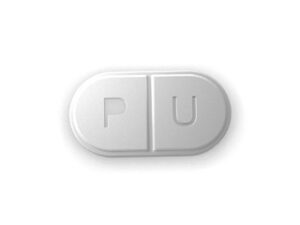
| Diane 35 | Cyproterone acetate + Ethinylestradiol | Combined oral contraceptive / anti-androgen | Oral tablets (typically 21 days followed by a break) |
Basic product information
Diane 35 combines an oestrogen (ethinylestradiol) with an anti-androgen and progestational component (cyproterone acetate). The combination helps reduce the effects of androgens on the skin and can improve acne and androgen-related hair growth.
- Active ingredients: cyproterone acetate and ethinylestradiol
- Medicine class: combined hormonal medicine with anti-androgen effects
- Typical regimen: 21 active days, then a hormone-free break (commonly 7 days) before starting the next pack
How Diane 35 works (mechanism of action)
Diane 35 works in two main ways:
- Anti-androgen effect (cyproterone acetate): Androgens such as testosterone can worsen acne and contribute to unwanted hair growth. Cyproterone acetate blocks androgen receptors and reduces androgen-related activity in target tissues.
- Hormonal regulation (ethinylestradiol): Ethinylestradiol supports regulation of the reproductive hormone axis and helps reduce ovarian androgen production. This contributes to improvement in androgen-related skin symptoms.
The combined effect leads to reduced oil production and inflammation in the skin, and may slow androgen-driven hair growth.
Pharmacokinetics (how the body processes it)
“Pharmacokinetics” describes absorption, distribution, metabolism, and elimination. While exact values vary between individuals, the key concepts are:
Absorption
After oral administration, both hormones are absorbed through the gastrointestinal tract. Peak blood levels occur after a period of time following ingestion (the precise timing can vary by person).
Distribution
Ethinylestradiol and cyproterone acetate bind to plasma proteins, including sex hormone binding globulin (SHBG), which influences how much free (active) hormone is available in the bloodstream.
Metabolism
The hormones are metabolised mainly in the liver. Metabolic pathways convert them into more water-soluble metabolites, which can then be eliminated.
Elimination
Metabolites are removed from the body through urine and bile/faecal pathways. Hormone concentrations decrease gradually, which supports once-daily dosing schedules.
Practical takeaway: Because metabolism is liver-dependent, liver health and medications that affect liver enzymes can change hormone levels.
What Diane 35 is typically used for
Diane 35 is used for specific androgen-related conditions, particularly where an anti-androgen effect is desired. In many settings, it may be considered in people with:
- Acne (especially moderate to severe forms that have not responded adequately to conventional therapies)
- Androgen-dependent skin changes, such as:
- excessive oiliness
- androgen-related acne
- Hirsutism (excessive hair growth in androgen-sensitive areas), often in association with acne
Local prescribing practices and eligibility may vary based on individual risk factors and guidance. It’s important to discuss whether Diane 35 is appropriate for your symptoms and overall health needs.
Indications, suitability, and key eligibility points
Diane 35 is not a “one-size-fits-all” medication. Suitability depends on your medical history and risk factors, such as:
- history of blood clots (venous thromboembolism) or stroke
- smoking status and age
- migraine type (especially migraine with aura)
- high blood pressure
- diabetes with vascular disease
- liver disease
- uncontrolled cholesterol or other cardiovascular risk factors
- breast cancer or hormone-sensitive cancer history
If you have any of the above conditions, Diane 35 may be unsuitable or require specialist review. A clinician can help assess your risks and benefits.
Dosing and timing
Diane 35 is typically taken using a fixed cycle. The exact dosing schedule should follow the product packaging and Australian guidance. A common pattern is:
Typical regimen (21 active days)
- Take one tablet daily for 21 consecutive days.
- Then take a break of 7 days (during which withdrawal bleeding often occurs).
- Start the next pack after the break, even if bleeding has not fully stopped.
Starting the first pack
People may start on specific days depending on their previous hormonal use, cycle, or pregnancy status. If switching from another combined hormonal method, timing may differ to maintain symptom control and reduce the chance of unintended ovulation.
If you miss a dose
Missing doses can reduce symptom control and may reduce contraceptive reliability (where relevant). Follow the detailed “missed tablet” instructions in the consumer medicine information for your specific situation.
General practical advice:
- Take the most recent missed tablet as soon as you remember, if appropriate.
- Continue taking the rest of the pack as normal.
- Consider additional precautions (e.g., barrier protection) if you’ve missed tablets, especially early in the pack.
Because the best advice depends on how many tablets were missed and where in the pack the miss occurred, it’s important to consult the missed-dose guidance supplied with Diane 35.
When will it work?
Skin improvement often takes time. Many people notice early changes within the first 2–3 months, with further improvement over 6 months or longer. Hirsutism (hair growth) can take longer—often 6–12 months to see meaningful changes—since hair cycles are slow.
Food interactions
Diane 35 can generally be taken with or without food. However, taking it at a consistent time each day helps maintain stable hormone levels.
If you experience vomiting or significant diarrhoea soon after taking a tablet, hormone absorption may be affected. In such cases, consider what the missed-dose guidance advises and seek advice if unsure.
Alcohol and medicine interactions
Alcohol is not directly known to “cancel” the hormones in the way some enzyme-inducing medicines can. However, alcohol can affect liver function and overall health, and excessive drinking may increase adverse effects and worsen skin conditions.
Practical guidance with alcohol
- Moderation: If you drink alcohol, keep it within recommended limits for general health.
- Liver health: If you have liver impairment or drink heavily, discuss with a healthcare professional.
- Side effects: Alcohol may increase dizziness or nausea in some people, especially during the first weeks.
Medicine interactions (important)
Some medicines can change hormone levels by affecting liver enzymes or transport proteins, which may reduce effectiveness or increase breakthrough bleeding. Others can increase hormone exposure and side effects.
Examples of medicines that may interact
Interaction lists can be long and may change over time. If you take any regular medications (including over-the-counter products), check the interaction information with a pharmacist or clinician.
- Some anti-epileptics (e.g., enzyme inducers)
- Some antibiotics (certain types may affect enterohepatic circulation)
- Antifungal medicines (some can raise or lower hormone levels)
- HIV/HCV antivirals (complex interaction potential)
- St John’s wort (herbal supplement) – may reduce hormone levels
- Medicines affecting coagulation (dose adjustments may be needed for anticoagulants)
What to do if you’re starting a new medicine
- Tell your pharmacist or prescriber you take Diane 35.
- Ask whether you need backup contraception (if relevant) or whether hormone levels could change.
- Be alert for symptoms of breakthrough bleeding or reduced symptom control.
Safety profile: what to know
Like other combined hormonal medicines, Diane 35 carries risks and should not be used by everyone. The main safety considerations relate to blood clot risk and other hormone-related effects.
Serious warning signs – seek urgent medical help
Contact emergency services or seek urgent care if you experience:
- Signs of a blood clot in the leg: painful swelling, redness, or warmth in one leg
- Signs of a blood clot in the lung: sudden shortness of breath, chest pain, coughing blood
- Signs of stroke: sudden weakness/numbness on one side, trouble speaking, facial droop
- Severe eye pain or sudden vision changes
- Severe abdominal pain (possible vascular issues)
Common side effects
Many people experience mild side effects during the first few months, which can settle as your body adjusts. These may include:
- nausea, breast tenderness, or mild headache
- spotting or breakthrough bleeding
- changes in mood
- fluid retention
- changes in libido
Less common but important concerns
- Blood pressure changes: combined hormonal medicines may raise blood pressure in some people.
- Liver effects: rare liver problems have been reported with combined hormonal medicines.
- Gallbladder problems (rare).
- Melasma: dark patches on the skin can occur; sun protection helps reduce risk.
Practical use tips (to get the best results)
Good adherence and mindful lifestyle choices can improve both symptom control and safety.
Make it easier to remember
- Choose a daily time you can maintain (e.g., after breakfast or before bed).
- Use a phone alarm, pill organiser, or reminder app.
- If you travel, plan your supply and keep tablets in your carry-on where appropriate.
Monitor your skin and symptoms
- Track acne severity and any hair growth changes with simple notes or photos (monthly).
- Expect gradual improvement; avoid judging results too early.
- If you have no improvement after several months, discuss options with a clinician.
Safety and lifestyle measures
- Don’t smoke—especially if you are older or have cardiovascular risk factors.
- Stay hydrated and maintain movement; prolonged immobility increases clot risk.
- Inform clinicians about Diane 35 before surgery or long travel.
Alternative options
Treatment for acne and hirsutism can be multi-modal. Alternatives may include:
- Topical acne medicines (e.g., retinoids, benzoyl peroxide, topical antibiotics where appropriate)
- Oral antibiotics for short courses in selected cases (often paired with topical therapy)
- Other hormonal options (different combined oral contraceptives or anti-androgen regimens where suitable)
- Anti-androgen medicines used for selected patients (requires careful specialist consideration)
- Dermatology procedures (e.g., chemical peels, laser/light therapies for hair reduction)
- Hair removal approaches for cosmetic management (waxing, threading, shaving, electrolysis, laser)
The best alternative depends on your diagnosis (acne type, hirsutism severity), medical history, and treatment goals.
Australia: market and legal context (overview)
In Australia, medicines are regulated by the Therapeutic Goods Administration (TGA). Availability, prescribing requirements, and product information are governed by Australian medicine regulatory frameworks. Combined hormonal medicines may have specific indications and eligibility criteria due to known risks.
Why eligibility matters
Anti-androgen combined hormonal medicines have been the subject of safety discussions worldwide because they can increase the risk of venous blood clots. In response, many countries have moved toward clearer prescribing criteria and stronger warnings for high-risk individuals.
For consumers, the most important action is to ensure Diane 35 is being used for an appropriate purpose and that your risk profile has been reviewed.
Recent guidance and important safety messaging
While specific local updates can vary over time, recent guidance globally and in many regulatory environments has generally emphasised:
- Using combined hormonal medicines only when benefits outweigh risks
- Careful patient screening for blood clot and cardiovascular risk factors
- Clear information on serious warning signs (e.g., clot/stroke symptoms)
- Attention to interactions that can alter hormone levels
- Regular follow-up when using hormonal therapies for acne/hirsutism
Always refer to the latest product-specific consumer medicine information and any official updates available for your medicine in Australia.
Delivery and availability (online pharmacy guidance for Australia)
Online pharmacies in Australia typically provide delivery services to eligible addresses across the country. Availability of Diane 35 can vary by:
- manufacturer stock levels
- pack size or formulation availability
- pharmacy dispensing practices and inventory
When ordering, ensure:
- your shipping address is correct and attended on delivery days (where required)
- you check delivery timelines and tracking options
- you review product details and expiry dates (as provided by the dispensing pharmacy)
FAQ
1) Is Diane 35 used only for contraception?
Diane 35 is a combined hormonal medicine with anti-androgen effects. It is often used in specific cases of acne and androgen-related conditions. Whether contraception is part of your plan depends on your personal situation and the way your therapy is intended to be used.
2) When should I start seeing results for acne?
Many people see changes within 2–3 months, but fuller results may take 6 months or more. If symptoms do not improve after several months, speak with a clinician or pharmacist about next steps.
3) What if I vomit or have severe diarrhoea after taking a tablet?
This can reduce absorption of the hormones. Follow the missed-dose guidance in the consumer medicine information and seek advice if you are unsure. If symptoms are severe or prolonged, obtain medical advice.
4) Can I take Diane 35 with food?
Yes. Diane 35 is generally taken with or without food. Consistency in timing is what matters most.
5) Does alcohol interact with Diane 35?
Alcohol does not usually directly “cancel” the medicine, but heavy drinking can affect liver health and may worsen overall wellbeing and skin. Keep alcohol intake moderate and discuss with a professional if you have liver disease or drink heavily.
6) Are there medicines I should avoid while using Diane 35?
Some medicines can interact by changing hormone levels. This includes certain anti-epileptics, some antibiotics/antifungals, HIV/HCV treatments, and herbal products like St John’s wort. Always check with a pharmacist before starting anything new.
7) What are the most serious side effects?
The rare but serious risks include blood clots (in legs or lungs) and stroke. Seek urgent help if you experience symptoms such as leg swelling with pain, sudden shortness of breath, chest pain, or stroke-like symptoms.
8) Can I use Diane 35 if I smoke?
Smoking increases cardiovascular and blood clot risks, especially with age. Many combined hormonal medicines are not recommended for smokers in higher age groups. Discuss your risk factors with a clinician or pharmacist to decide what’s safest for you.
9) How long can I stay on Diane 35?
The duration should be based on symptom response and ongoing risk assessment. Regular review is recommended, particularly for long-term acne/hirsutism management.
10) Where do I find the full product instructions?
The most detailed guidance (including exact missed-dose instructions) is in the consumer medicine information supplied with Diane 35. If you cannot access it, ask your pharmacist to provide the relevant consumer medicine information.
Important note
This information is designed to help you understand Diane 35 in a general way. It does not replace the advice of a healthcare professional. If you are unsure whether Diane 35 is suitable for you, or if you have symptoms of concern, seek medical advice promptly.