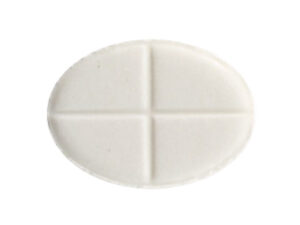
Medrol (Methylprednisolone) – Patient-Friendly Guide (Australia)
Medrol is a brand of methylprednisolone, a corticosteroid medicine used to reduce inflammation and suppress overactive immune responses. It is prescribed in a range of conditions where your body’s inflammatory process needs to be controlled.
This guide explains what Medrol is, how it works, how it’s typically used, key safety information, and practical tips for everyday use in Australia.
1) Basic product information
| Product name | Active ingredient | Medicine type | Form | Common route |
|---|---|---|---|---|
| Medrol | Methylprednisolone | Corticosteroid (glucocorticoid) | Oral tablet (strengths vary by brand/market) | By mouth |
What to know: The exact tablet strength and directions depend on your specific situation. Always follow the dosing instructions supplied by your prescriber and the label on your medicine pack.
2) Mechanism of action (how Medrol works)
Methylprednisolone is a glucocorticoid steroid. It helps treat disease by:
- Reducing inflammation by decreasing inflammatory chemicals (such as prostaglandins and leukotrienes) and limiting inflammatory cell activity.
- Suppressing immune responses, which can reduce symptoms in autoimmune and allergic conditions.
- Stabilising cell membranes and altering gene expression that influences immune and inflammatory pathways.
- Modulating swelling and allergic reactions (for example, in severe allergic or inflammatory flare-ups).
Medrol does not “cure” many chronic conditions by itself, but it can control symptoms, lower inflammation, and help prevent flare-ups—often while other treatments take effect.
3) Pharmacokinetics (how the body processes Medrol)
Pharmacokinetics describes what happens to a medicine after you take it.
- Absorption: Methylprednisolone is typically absorbed from the gastrointestinal tract after oral dosing.
- Distribution: It distributes throughout body tissues and binds to plasma proteins.
- Metabolism: The medicine is mainly metabolised in the liver.
- Excretion: Metabolites are primarily removed through the kidneys (urine).
- Onset & duration: Symptom improvement can begin within hours, but full effects may take several days depending on the condition.
Individual factors (such as dose, treatment duration, liver function, other medicines, and the underlying condition) can affect how quickly you notice benefits and how long effects last.
4) Typical uses and indications
Medrol may be used for a variety of conditions, usually when inflammation or immune activity needs to be reduced rapidly.
Common indications include
- Allergic and inflammatory disorders (for example, severe allergic reactions or inflammation related to allergies).
- Autoimmune conditions where the immune system is attacking the body’s own tissues.
- Rheumatic diseases and other inflammatory joint disorders.
- Skin conditions that involve significant inflammation.
- Respiratory inflammatory conditions in selected cases, such as certain exacerbations.
- Gastrointestinal inflammatory flare-ups in certain inflammatory bowel disease scenarios.
- Neurological inflammatory conditions (specialist-led decisions).
- Certain haematological conditions as part of specialist management plans.
Important: The suitability of Medrol depends heavily on the exact diagnosis, severity, and your medical history. A steroid can help inflammation quickly, but it also has important risks that need careful consideration.
5) Dosing – what “typical” looks like
Dosing varies widely based on the condition being treated, severity, and treatment plan. In practice, clinicians may use:
- Short course “burst” dosing for acute flare-ups.
- Tapered dosing for longer courses, gradually reducing dose to reduce withdrawal risks.
- Higher doses for severe inflammatory states under close medical supervision.
How to take Medrol:
- Take the dose exactly as directed by your prescriber.
- Do not adjust your dose on your own.
- If you are advised to taper, follow the schedule carefully.
Do not stop suddenly after taking Medrol for more than a short period unless your healthcare professional instructs you to. Sudden stopping can affect your body’s natural steroid production.
6) Timing – when to take Medrol
Many people are advised to take corticosteroids in a way that least disturbs the body’s normal hormone rhythm.
- Often, it’s taken in the morning (for example, with breakfast) to align better with natural cortisol patterns.
- If your dose is higher or more frequent, your prescriber may adjust timing based on symptoms and sleep.
If you experience indigestion: Taking Medrol with food (or after food) may help reduce stomach upset, unless your doctor recommends otherwise.
7) Food interactions and practical eating tips
Medrol generally does not have a single “forbidden” food, but corticosteroids can influence how your body handles sugar, salt, and potassium.
Helpful dietary considerations
- Take with food if you get nausea or stomach irritation.
- Limit salt: Steroids can cause fluid retention and raise blood pressure in some people.
- Be mindful of sugar: Medrol can raise blood glucose, particularly in people with diabetes or prediabetes.
- Adequate protein and calories may help during recovery from inflammation, but balance intake to avoid unwanted weight gain.
- Potassium-containing foods (e.g., bananas, yoghurt, legumes, leafy greens) may be beneficial, especially with longer or higher dosing—discuss with your clinician if you’re at risk of low potassium.
Gastro-protection note: Some people may be advised to use additional stomach protection (such as a proton pump inhibitor) when risk is higher—your clinician will advise what’s appropriate.
8) Alcohol interactions
Alcohol does not have a simple “one rule fits all” interaction with Medrol, but there are important considerations:
- Stomach irritation: Both alcohol and steroids can irritate the stomach and increase the risk of gastritis or reflux.
- Blood sugar effects: Alcohol may affect glucose levels and can worsen variability in people with diabetes.
- Immune effects: Excess alcohol may worsen immune function; steroids can also affect immune response.
Practical advice: Keep alcohol modest, and seek medical guidance if you have a history of ulcer disease, reflux, liver disease, or if you are on longer courses of steroid therapy.
9) Medicine interactions (including commonly asked categories)
Medrol can interact with several medicines. Interactions may affect steroid levels, increase side effects, or change the effectiveness of treatments. Always provide a full list of your medicines to your healthcare professional and pharmacist.
Common interaction themes
- Diabetes medicines: Medrol can raise blood sugar; diabetes doses may need adjustment and glucose monitoring may be recommended.
- Anticoagulants (blood thinners): Steroids can affect bleeding risk and may change the effect of warfarin (and possibly other anticoagulants). Monitoring may be required.
- Non-steroidal anti-inflammatory drugs (NSAIDs) (e.g., ibuprofen, naproxen): Combination can increase gastrointestinal bleeding risk.
- Vaccines: Live vaccines may not be recommended during significant steroid use (dose and duration matter).
- Antifungal and antiviral medicines: Some can increase or decrease steroid effects by affecting liver metabolism.
- Enzyme inducers (some anti-seizure medicines, rifampicin): may reduce steroid effectiveness.
- Certain antibiotics and antidepressants: may influence metabolism or side effects.
Always check before combining: If you’re starting, stopping, or changing dose of another medicine, confirm with a pharmacist for interaction risks.
10) Safety profile – what to watch for
Like all corticosteroids, Medrol can cause side effects. The risk and intensity usually depend on dose and how long you take it.
Common side effects
- Increased appetite and possible weight gain
- Stomach irritation, indigestion, nausea
- Sleep disturbance (especially when taken later in the day)
- Mood changes (feeling irritable, anxious, or occasionally mood swings)
- Fluid retention and raised blood pressure
- Headache
- Raised blood sugar (hyperglycaemia)
More serious or longer-term risks
- Infection risk: Steroids can reduce immune response, increasing susceptibility to infections.
- Eye effects: With prolonged use, risk of cataracts or glaucoma may increase.
- Bone thinning (osteoporosis), especially with long-term use.
- Adrenal suppression: Stopping suddenly after longer courses can be dangerous.
- Muscle weakness and reduced muscle mass with prolonged use.
- Skin thinning and easy bruising.
- Changes in fat distribution after long-term use (rare in short courses).
Seek urgent medical advice if you develop
- Signs of a serious infection: fever, severe sore throat, shortness of breath, or rapidly worsening symptoms.
- Severe stomach pain, black/tarry stools, or vomiting blood.
- Vision changes, severe headaches with visual symptoms.
- Severe mood or behavioural changes, confusion, or hallucinations.
- Allergic reaction symptoms: swelling of face/lips, difficulty breathing, widespread rash.
11) Practical use tips (getting the best results while reducing problems)
- Take it at the same time each day, usually in the morning with food.
- Don’t miss doses—if you miss a dose, take it when you remember unless it’s close to the next dose. Follow label directions or pharmacist advice.
- Monitor blood sugar if you have diabetes or are at risk. Ask your clinician whether more frequent glucose checks are needed.
- Track blood pressure if you have hypertension or risk factors.
- Maintain oral hygiene: Steroids can increase susceptibility to oral thrush, especially if combined with inhaled steroid use; report persistent mouth soreness or white patches.
- Use sun protection: Skin can become more sensitive; limit sun exposure where appropriate.
- Plan tapering: If your treatment plan includes dose reduction, set reminders and follow the schedule carefully.
- Tell healthcare professionals you’re taking Medrol before procedures, dental work, or new treatments.
12) Alternative options (depending on the condition)
If Medrol isn’t suitable or isn’t the right fit for your situation, your healthcare professional may consider alternative treatments. Options can include:
- Other corticosteroids (different agents or formulations)
- Non-steroidal anti-inflammatory medicines (for certain inflammatory conditions)
- Immunosuppressive or disease-modifying therapies for chronic autoimmune disease (e.g., steroid-sparing options)
- Topical corticosteroids for localized skin conditions
- Biologic therapies or targeted medicines for selected inflammatory and autoimmune diseases
- Supportive therapies such as physiotherapy, allergy management, or symptom-relieving treatments
Note: The “best alternative” depends on your diagnosis, severity, and history of side effects. Do not switch steroids without medical guidance.
13) Medrol in Australia – market and legal context
In Australia, medicines are regulated under the Therapeutic Goods Administration (TGA). Steroid medicines like Medrol are typically available only through appropriate prescribing and dispensing pathways, consistent with Australian medicine scheduling and safety requirements.
Availability can depend on:
- Local supply and pharmacy dispensing practices
- Tablet strength and pack size (varies by product)
- Clinical need and clinician direction
If you have questions about whether Medrol is the right choice for you, speak with a healthcare professional or pharmacist. In Australia, pharmacists can also support safe use by checking interactions and advising on timing and side effects.
14) Recent guidance and key updates to consider
Corticosteroid guidance can evolve as new clinical evidence emerges—particularly in infectious disease contexts. What remains consistent is that:
- Use should be carefully matched to diagnosis and severity.
- Dose and duration matter for balancing benefit against side effects.
- Infection prevention matters: if you develop fever or you suspect an infection, contact a clinician promptly.
- Do not stop abruptly after longer use due to adrenal suppression risk.
During respiratory virus seasons or outbreaks, follow public health advice and consult your clinician for specific recommendations tailored to your steroid dose and condition.
15) Delivery and availability (online pharmacy experience in Australia)
When ordering from an Australian online pharmacy, availability depends on stock status and the specific tablet strength and pack size you request. Typical delivery information includes:
- Stock checks: Some strengths may be temporarily unavailable and may require ordering/dispatch from a supplier.
- Estimated delivery times: Vary by postcode and courier service.
- Packaging: Medicines are usually sent in secure, tamper-evident packaging.
- Cold-chain: Medrol tablets generally do not require cold storage.
Tip: If you’re taking Medrol as a short course for a flare-up, consider ordering early to avoid delays.
16) FAQ – Medrol (methylprednisolone)
1. What is Medrol used for?
Medrol is used to reduce inflammation and calm overactive immune responses. It may be used for allergic conditions, autoimmune diseases, inflammatory disorders, and other conditions depending on clinical assessment.
2. How quickly will Medrol work?
Some people feel symptom relief within hours to a day. For many inflammatory conditions, improvements may take several days. The exact timing depends on dose and the underlying illness.
3. Can I take Medrol with food?
Yes. Taking Medrol with food can reduce stomach upset. Many people take it in the morning with breakfast.
4. Should I avoid alcohol while taking Medrol?
It’s best to keep alcohol moderate. Alcohol may increase stomach irritation and can affect blood sugar and overall health. If you have stomach ulcer history, reflux, liver disease, or you are on a longer course, discuss alcohol use with your pharmacist or clinician.
5. Will Medrol raise blood sugar?
It can. Medrol may raise blood glucose levels, particularly in people with diabetes or prediabetes. Monitoring may be recommended.
6. Can I stop Medrol suddenly?
Do not stop suddenly if you have taken it for more than a short period, unless your healthcare professional tells you to. Steroids can suppress your body’s natural cortisol production.
7. What are the most important side effects to watch for?
Contact a clinician urgently for signs of serious infection, severe stomach bleeding, significant mood or behavioural changes, or vision problems. Common effects include increased appetite, sleep changes, and indigestion.
8. Are there vaccine restrictions?
Live vaccines may not be recommended when steroid doses are high or used for certain durations. Speak with your clinician or pharmacist about your specific dose and timing.
9. Can Medrol interact with other medications?
Yes. Common interaction areas include NSAIDs, blood thinners, diabetes medicines, seizure medicines, and some antifungal/antiviral drugs. Always confirm your full medication list with a pharmacist.
10. What if I miss a dose?
Follow label directions or pharmacist advice. In general, you should not double up to make up for a missed dose. If you’re unsure, check with a pharmacist.
17) When to get more help
If you’re unsure about how to take Medrol, worried about side effects, or experiencing symptoms that could indicate infection or complications, contact your pharmacist or healthcare professional promptly. Safe use often depends on correct timing, dose adjustments, and monitoring—especially for longer courses.
Remember: This information is provided to help you understand Medrol. Your individual treatment plan may differ based on your diagnosis and personal risk factors.