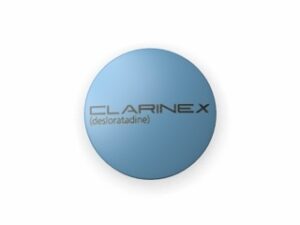
Desloratadine (Allergy Relief) — Patient Guide (Australia)
Desloratadine is a widely used, non-drowsy (for most people) antihistamine that helps relieve the symptoms of allergy. It works by reducing the effects of histamine, a substance your body releases during an allergic reaction. If you experience hay fever symptoms such as sneezing, runny nose, itchy throat, or watery/itchy eyes, desloratadine may offer effective, long-lasting relief.
This guide is designed to be easy to understand and useful for everyday decision-making. Always follow the instructions on the product packaging and any advice from your pharmacist or doctor.
Basic Product Information
- Medicine name: Desloratadine
- Medicine class: Second-generation antihistamine (H1 receptor blocker)
- Common uses: Allergic rhinitis (hay fever) and allergy-related symptoms; urticaria (hives)
- Typical dosing frequency: Once daily
- Typical onset: Often within a few hours (varies by person)
Note: Brand names vary by manufacturer. Strengths and formulations (tablets and/or oral forms) may differ, so check the exact product you have.
How Desloratadine Works (Mechanism of Action)
During an allergy, your immune system reacts to triggers (such as pollen, dust mites, pet dander, or mould). One of the main chemicals involved is histamine. Histamine can cause symptoms like:
- Sneezing and runny nose
- Itchy nose or throat
- Watery, itchy eyes
- Swelling and redness in hives
Desloratadine is an H1 antihistamine. It blocks histamine receptors (H1 receptors) in the body, which helps reduce the severity of allergy symptoms. Because it is a second-generation antihistamine, it generally has less ability to enter the brain compared with older antihistamines, which is why it is often described as “non-drowsy” for many people.
Pharmacokinetics (How the Body Processes It)
Pharmacokinetics describes what happens to a medicine after you take it: absorption, distribution, metabolism, and elimination.
| Stage | What to expect (general overview) |
|---|---|
| Absorption | Desloratadine is absorbed from the gastrointestinal tract after oral dosing. Absorption is generally efficient. |
| Peak effect timing | Effects typically build over the first several hours. Many people notice symptom relief after the first dose, with best control often developing as treatment continues. |
| Distribution | It distributes through body tissues to exert its antihistamine effect. |
| Metabolism | Desloratadine is metabolised mainly by the liver. |
| Elimination | Metabolites are excreted primarily via urine and faeces. The medicine is designed for once-daily dosing due to a relatively long duration of action. |
Important: Individual timing can vary. If you have liver or kidney disease, ask your pharmacist for advice on whether dosing needs adjustment.
Typical Uses in Australia
Desloratadine is commonly used for:
- Allergic rhinitis (hay fever): helps relieve sneezing, runny nose, blocked nose, itchy nose or throat, and itchy/watery eyes.
- Urticaria (hives): helps relieve itch and skin rash caused by chronic or acute urticaria (depending on product guidance and clinician advice).
It is most helpful for histamine-driven symptoms. It does not treat the underlying cause of allergy, but it can control symptoms effectively.
When to Take It (Timing and Routine)
Desloratadine is usually taken once daily. Many people choose a time that is easy to remember, such as:
- Morning, for day-time symptom control
- Evening, if it suits your routine
Practical tip: Try to take it at the same time each day for steady symptom control. If your symptoms fluctuate seasonally (for example, during pollen season), you may start it when allergy symptoms begin.
How quickly does it work? Some individuals feel relief within a few hours. If symptoms are severe, continuing daily use helps maintain control.
Food Interactions
For most people, desloratadine can be taken with or without food. Food is generally not expected to significantly alter the medicine’s effectiveness. However, if your stomach is sensitive, taking it with a snack may improve comfort.
If you notice any unusual effects when taking it on an empty stomach, discuss options with your pharmacist.
Alcohol and Medicine Interactions
Alcohol: Desloratadine is typically less likely to cause drowsiness than older antihistamines. However, some people may still experience sleepiness or slower reaction times. To be cautious, consider limiting alcohol, especially when starting desloratadine or when driving/operating machinery.
Other medicines: Desloratadine is generally considered to have relatively few interaction problems, but interactions can depend on your personal medication list. Tell your pharmacist about all medicines you take, including:
- Other antihistamines or allergy products
- Sleep medicines or sedatives
- Antifungal medicines (certain types), antibiotics (some types), or antiviral medicines
- Medicines for stomach acid, seizures, or heart rhythm (if applicable)
Because combinations of allergy products can lead to overlapping ingredients, always check labels to avoid taking duplicate antihistamines.
Indications (What It’s Used For)
Depending on your product’s approved indications and strength, desloratadine is used to relieve:
- Allergic rhinitis: symptoms such as sneezing, nasal itching, runny nose, and itchy/watery eyes
- Urticaria (hives): symptoms such as itching and rash
If you’re unsure whether your symptoms fit these conditions, a pharmacist can help you choose the most suitable option.
Dosing (Adults and Children)
Dosing depends on age, the specific product, and the condition being treated. Always use the dosing instructions on the pack for your exact formulation.
General guidance (commonly used in practice):
- Adults and adolescents: often 5 mg once daily (check your product label).
- Children: dosing may vary by age and formulation (e.g., smaller tablet strengths or syrup/oral liquid). Follow the label or pharmacist’s instructions.
Missed dose: Take it as soon as you remember, unless it is close to the next dose. Do not take a double dose to make up for a missed one.
Overdose caution: If you think too much may have been taken, seek urgent advice via a pharmacist or the Poisons Information Centre (Australia: 13 11 26).
Safety Profile (What to Expect and When to Seek Help)
Most people tolerate desloratadine well. Like all medicines, it can cause side effects in some individuals.
Common or mild side effects
- Headache
- Dry mouth
- Fatigue or drowsiness (less common than with older antihistamines)
- Nausea or stomach discomfort
Serious but uncommon reactions
Seek medical help urgently if you experience signs of a serious allergic reaction, such as:
- Swelling of the face, lips, tongue, or throat
- Difficulty breathing or swallowing
- Severe rash or hives spreading quickly
- Fainting or severe dizziness
Who should be extra cautious?
- Liver disease: may require individual assessment.
- Kidney disease: ask a pharmacist if you need tailored guidance.
- Children: dosing should match age and product type; do not use adult formulations without confirmation.
- Driving/operating machinery: although usually non-drowsy, pay attention to how you personally respond, especially after the first dose.
Practical Use Tips for Best Results
- Start early in allergy season: If your symptoms tend to appear predictably (e.g., spring pollen), starting before symptoms become severe can help.
- Keep your routine consistent: Once-daily dosing works best when taken at the same time each day.
- Review your allergy triggers: reducing exposure (e.g., keeping windows closed during high pollen, using dust-mite covers) can improve overall outcomes.
- Don’t mix antihistamines: Avoid taking another antihistamine at the same time unless advised.
- Consider symptom pattern: If you mostly have nasal blockage, you may need additional therapies (such as nasal sprays) for full relief.
- Track effectiveness: If symptoms aren’t improving after a reasonable trial, ask a pharmacist whether another allergy medicine may suit you better.
Alternative Options (What You Can Consider)
If desloratadine doesn’t provide enough relief or causes side effects, several other treatment options may be appropriate depending on your symptoms:
- Other second-generation antihistamines: cetirizine, levocetirizine, loratadine, fexofenadine. Each has similar goals but can differ in individual response and likelihood of drowsiness.
- Nasal corticosteroid sprays: commonly recommended for persistent allergic rhinitis, especially for nasal blockage. Examples (brand varies) include fluticasone or mometasone (use according to pack instructions).
- Leukotriene receptor antagonists: sometimes used for specific allergy/asthma patterns under clinician guidance.
- Saline nasal rinses: can help reduce allergens and soothe nasal passages.
- Eye treatments: antihistamine eye drops may help itchiness and watery eyes.
Your pharmacist can help you compare options based on your main symptoms (sneezing/runny nose vs. nasal blockage vs. itchy eyes) and your daily routine needs.
Market and Legal Context in Australia (High-Level Overview)
In Australia, antihistamines such as desloratadine are commonly available through pharmacies and retail channels depending on the product formulation and strength. Availability may be influenced by regulatory classification and whether it is sold under specific scheduling rules.
For online purchasing, products should be:
- Legitimately supplied and consistent with Australian market requirements
- Sold in packaging that includes appropriate consumer information
- Shipped and stored in a manner that protects product quality
Always ensure you choose a reputable pharmacy and check expiry dates and integrity of packaging when your order arrives.
Recent Guidance and Practical Notes
Allergy management recommendations commonly emphasise:
- Using the right medicine for the symptom: antihistamines help histamine symptoms (sneezing/itching), while nasal sprays often work best for nasal congestion.
- Combining approaches where appropriate: many people use antihistamines along with nasal sprays during high-allergy seasons.
- Ensuring correct duration: consistent daily use is important, especially for seasonal allergic rhinitis.
- Checking ingredient duplication: cold/flu combination products can contain antihistamines that may overlap.
If you are unsure about the best approach, a pharmacist can recommend a plan tailored to your symptoms and lifestyle.
Delivery and Availability
Desloratadine is typically available through pharmacy supply chains and may be offered online by reputable Australian pharmacies.
What to expect with online ordering:
- Stock availability: commonly listed on the website; availability can change due to demand, seasons, and supplier schedules.
- Delivery: delivery times vary by location and courier service. Ensure your delivery address is accurate.
- Packaging: medicines are generally packed to protect from damage during transit.
- Quality checks: reliable sellers keep products within expiry and temperature guidance.
Storage: store your desloratadine according to the instructions on the label (typically at room temperature, away from excess heat and moisture). Keep out of reach of children.
FAQ — Frequently Asked Questions
1) Is desloratadine the same as other allergy tablets?
Desloratadine is a second-generation antihistamine. It is similar in purpose to other non-drowsy (for many people) antihistamines such as loratadine or fexofenadine, but individual response can vary.
2) Will desloratadine make me drowsy?
Most people experience little to no drowsiness. However, reactions vary. If you’re sensitive to antihistamines, or you haven’t taken it before, use caution with driving or machinery until you know how it affects you.
3) How long does desloratadine take to work?
Many people notice symptom relief within a few hours after taking it. If your allergy is persistent, taking it daily during the allergy period provides more consistent control.
4) Can I take desloratadine with food?
Yes. It is generally safe to take desloratadine with or without food.
5) Can I drink alcohol while taking desloratadine?
Alcohol may increase drowsiness in some people. Desloratadine is usually less sedating than older antihistamines, but it’s wise to limit alcohol and avoid activities requiring alertness if you feel sleepy.
6) What if I forget a dose?
Take it as soon as you remember unless it is near your next dose. Do not double up.
7) What symptoms does desloratadine help most?
It helps mainly with histamine-related symptoms such as sneezing, itching, runny nose, and itchy/watery eyes. For severe nasal blockage, other treatments (often nasal sprays) may be more effective.
8) Can desloratadine be used for hives?
Desloratadine is used for urticaria (hives) to relieve itch and rash. Follow dosing instructions on your specific product and seek advice if symptoms are severe or persistent.
9) Are there medicines I should avoid?
It’s important to check all your medicines with a pharmacist, especially if you take sedatives, other antihistamines, or medicines that affect liver metabolism. Avoid duplicating antihistamines by checking product labels.
10) When should I seek medical help?
Seek medical assistance if you experience severe symptoms, signs of an allergic reaction to the medicine, difficulty breathing, or if symptoms do not improve with correct use.
Summary
Desloratadine is an antihistamine designed to relieve common allergy symptoms such as sneezing, itching, runny nose, and itchy/watery eyes, and it can also help with hives and itch. Taken once daily, it offers convenient, long-lasting symptom control for many people.
For the best results, use it consistently, avoid duplicating antihistamines from combination products, and consider additional allergy measures (like allergen avoidance or nasal therapy) if your symptoms are not fully controlled.
Disclaimer: This information is general and may not cover all individual circumstances. For personalised advice, consult your pharmacist and always follow the instructions provided with your product.