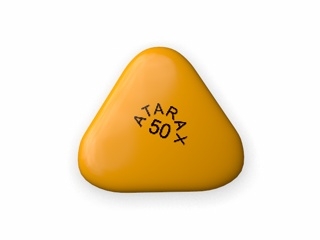
Atarax (Hydroxyzine) — Patient Information (Australia)
Atarax is a brand of hydroxyzine, an antihistamine medicine used to relieve allergy-related symptoms and to help manage certain types of anxiety and tension. It works in the brain and the body by reducing the effects of histamine and by calming overactive nerve activity.
This page explains how Atarax works, when it may be used, how to take it, common precautions, and practical tips for safe use in Australia.
Key product information
| Product name | Active ingredient | Medicinal group | Common forms* |
|---|---|---|---|
| Atarax | Hydroxyzine | Antihistamine with anxiolytic/sedating effects | Tablets and syrup (depending on availability) |
| *Availability varies by pharmacy and supply |
Important: Brand and form availability may vary. Always check the pack for the exact strength and instructions for your specific product.
How Atarax works (mechanism of action)
Hydroxyzine is an antihistamine that mainly works as an H1-receptor blocker. Histamine is a natural chemical released during allergic reactions and can cause itching, redness, swelling, and runny nose.
In addition to its antihistamine activity, hydroxyzine can have sedating and anxiolytic (anti-anxiety) effects. This is partly due to its action in the central nervous system, where it can reduce overactivity and promote calming.
- Allergy symptom relief: reduces itching and other histamine-related effects
- Calming effect: can help with anxiety, tension, and associated discomfort
- Sleepiness: may cause drowsiness, which is why timing matters
Pharmacokinetics (how your body handles hydroxyzine)
After oral use, hydroxyzine is absorbed and reaches the bloodstream to produce its effects. Its action may begin within about 30–60 minutes for many people, though exact timing varies with dose, formulation, and individual factors.
Key concepts:
- Absorption: oral absorption is generally reliable; onset may be relatively quick.
- Distribution: hydroxyzine can cross into tissues, including the brain, which explains both calming and sedating effects.
- Metabolism: hydroxyzine is metabolised in the liver to inactive or less active metabolites.
- Elimination: metabolites are primarily cleared through the kidneys.
Age and kidney function: As metabolism and clearance can be affected by age and kidney function, older adults and people with kidney impairment may be more sensitive to side effects.
What Atarax is typically used for in Australia
Atarax (hydroxyzine) is commonly used for:
- Itchy allergic skin conditions (such as urticaria/hives and other forms of dermatitis causing itch)
- Symptomatic relief of allergic reactions where an antihistamine is appropriate
- Anxiety and tension, particularly when a calming, short-term approach is needed
- Sometimes as part of management plans for sleep disturbance linked to anxiety (your clinician will advise if appropriate)
Use depends on your individual situation and local prescribing practices. Always follow the instructions provided with your medicine and seek advice if you are unsure whether Atarax is right for your symptoms.
When to take Atarax (timing and expectations)
Because hydroxyzine can cause drowsiness, timing is important.
- For daytime symptoms: use caution if you need to drive or operate machinery.
- For nighttime symptoms: many people prefer taking it in the evening if it makes them sleepy.
- Onset of relief: allergy itch or anxiety symptoms may improve within about an hour for many people.
- Consistency: follow your dose schedule carefully. If you miss a dose, take it when you remember unless it’s close to your next dose—then skip to avoid doubling.
Practical tip: On your first few doses, test how your body reacts. Avoid driving and alcohol until you know whether it affects you strongly.
Food interactions
Hydroxyzine can generally be taken with or without food. However, food effects may influence comfort and the overall experience for some people.
- Taking with food may reduce stomach discomfort for some individuals.
- Absorption may not be dramatically changed for most people, but individual responses vary.
Advice: Choose a routine that you can follow consistently. If your medicine label or pharmacist gives specific instructions, follow those.
Alcohol and medicine interactions (important safety section)
Alcohol
Combining Atarax with alcohol can significantly increase the risk of:
- Excessive drowsiness
- Impaired coordination and judgment
- Fainting or falls (especially in older adults)
Recommendation: Avoid alcohol while taking hydroxyzine unless a clinician or pharmacist has specifically advised otherwise.
Other medicines that may interact
Hydroxyzine may increase sedation or affect heart rhythm in certain situations. Discuss all medicines and supplements with your pharmacist, including:
- Other sedating medicines (e.g., opioids, benzodiazepines, sleep tablets)
- Some antidepressants and antipsychotics (especially those that may also affect heart rhythm)
- Medicines that slow the central nervous system (including some cough/cold products)
- Anticholinergic medicines (can increase dry mouth, constipation, blurred vision, urinary retention)
- Medicines known to prolong the QT interval (affecting heart rhythm)
- Drugs metabolised in the liver may change hydroxyzine levels in your body
Always check: If you are starting a new medicine, consult a pharmacist. If you have known heart disease, electrolyte problems (such as low potassium or magnesium), or a history of abnormal ECG, ask specifically about safe use.
Dosing information (general guidance)
Dosing depends on age, the reason for treatment, and other health factors (such as kidney function). Always use the dose on your medicine label and follow the directions given by your healthcare professional.
Common principles of dosing:
- Start low if you are sensitive to antihistamines or are elderly.
- Adjust based on effect (symptom relief vs side effects such as drowsiness).
- Use the lowest effective dose for the shortest appropriate time.
Missed dose: If you miss a dose, take it when you remember unless it is close to the next dose. Do not take extra to “catch up.”
Overdose: If more than the recommended dose is taken, contact emergency services or the Poisons Information Centre immediately (details on Australia’s health resources may be provided on the product packaging or via local guidance).
Safety profile and side effects
Common side effects
Side effects vary by person and dose. The most commonly reported effects relate to sedation or anticholinergic activity:
- Drowsiness or tiredness
- Dry mouth
- Dizziness
- Headache
- Constipation or difficulty passing urine (more likely with anticholinergic effects)
- Blurred vision
Less common but serious risks
Some people may experience more serious side effects. Seek urgent medical help if you notice:
- Palpitations, fainting, or sudden dizziness
- Severe allergic reaction symptoms (swelling of face/lips, trouble breathing, hives with weakness)
- Unusual agitation, confusion, severe unsteadiness, or breathing problems (especially with other sedating medicines or alcohol)
- Signs of urinary retention (unable to urinate) or severe constipation with pain
Who should be extra cautious?
- Older adults (higher risk of falls, confusion, and constipation)
- People with kidney impairment (medicinal clearance may be reduced)
- People with glaucoma or urinary retention history
- People with heart rhythm issues or known QT prolongation risk
- People taking other sedating medicines or medicines that affect heart rhythm
Practical use tips (to get the best benefit safely)
- Test your response first: On the first dose, avoid driving and risky activities until you know how it affects you.
- Choose a sensible time: If it makes you sleepy, take it in the evening (as advised).
- Hydrate and manage dry mouth: Sip water regularly, use sugar-free lozenges, and avoid excessive caffeine.
- Reduce fall risk: Stand up slowly and keep pathways clear, particularly at night.
- Be careful with “cold and flu” products: Many combination products contain sedating antihistamines or decongestants that can interact.
- Don’t combine multiple sedatives: Avoid alcohol and be cautious with sleep aids, opioids, or anxiety medicines unless explicitly approved.
- Monitor mood changes: Rarely, antihistamines can cause paradoxical agitation or confusion—stop and seek advice if this occurs.
Alternative options for allergy itch and anxiety
If Atarax is not suitable (for example due to side effects or interactions), your pharmacist or clinician may recommend alternatives depending on your symptoms:
For allergy-related itch and hives
- Non-sedating (second-generation) antihistamines (commonly used for daytime relief with less drowsiness)
- Topical treatments for skin symptoms (depending on the cause)
- Other supportive measures such as avoiding triggers and using moisturisers
For anxiety/tension
- Non-pharmacological approaches (sleep hygiene, relaxation techniques, counselling strategies)
- Other medications may be considered based on symptom pattern, comorbidities, and risk factors
Tip: The “best” alternative depends on whether you need daytime function, how severe your symptoms are, and your interaction risk profile.
Market and legal context in Australia
In Australia, access to medicines depends on how they are classified under the Australian regulatory framework and the requirements of the relevant schedule (e.g., from prescription-only categories through to pharmacy-only access where applicable). Availability can also vary by strength, formulation, and current product listings.
Pharmacies must dispense medicines according to Australian medicine laws and any applicable supplier requirements. If a medicine is restricted, the pharmacy may ask screening questions to ensure safe use (for example, age, pregnancy/breastfeeding status, medical history, and interacting medicines).
Always follow local pharmacy advice for the correct product strength and safe use.
Recent guidance and safety updates (high-level)
Hydroxyzine safety has been discussed in the context of rare but important risks such as:
- Heart rhythm effects in people with risk factors or when combined with interacting drugs
- Increased sedation when combined with alcohol or other central nervous system depressants
- Greater sensitivity in older adults
As with all medicines, guidance can evolve. It’s a good idea to review your medicine information pack and to check with a pharmacist if your situation has changed (new medicines, kidney changes, or heart history).
Delivery and availability (what to expect online)
Online pharmacy services in Australia typically provide:
- Product availability checks before dispatch (stock can vary)
- Packaging for safe transit
- Delivery options depending on location and courier partners
- Tracking once your order is dispatched (where available)
How to prepare your order: Confirm the exact product form and strength (tablet vs syrup) and review dosing instructions included with the medicine. If you have questions about suitability or interactions, contact a pharmacist before ordering.
Cold chain: Hydroxyzine does not typically require special refrigerated handling. Check the pack instructions for any storage requirements.
FAQ — Atarax (Hydroxyzine)
1) Will Atarax make me sleepy?
It can. Drowsiness is a common effect of hydroxyzine. Some people feel sleepy within an hour, while others may experience milder effects. Avoid driving or risky tasks until you know how it affects you.
2) How quickly does Atarax work?
Many people notice symptom relief within 30–60 minutes. The speed and intensity can vary depending on dose, formulation, and personal factors.
3) Can I take Atarax with food?
Generally, yes—hydroxyzine can be taken with or without food. If it upsets your stomach, taking it with food may help.
4) Can I drink alcohol while taking Atarax?
It is not recommended. Alcohol can increase sedation and impair judgement and coordination.
5) What medicines should I avoid combining with hydroxyzine?
Be cautious with other sedating medicines (sleep aids, opioids, benzodiazepines), and also check with a pharmacist if you take medicines that affect heart rhythm or have anticholinergic effects.
6) Is Atarax suitable for children?
Hydroxyzine use in children depends on age, indication, and safety considerations. Dosing must be appropriate for the child and based on medical advice. If ordering online, speak with a pharmacist first if you have any questions.
7) What should I do if I miss a dose?
Take it when you remember unless it is close to the next dose. Do not take extra doses to make up for the missed one.
8) What are warning signs that I should seek urgent help?
Seek urgent help for severe allergic reactions, fainting/palpitations, severe confusion, unusual agitation, breathing difficulties, or signs of urinary retention.
9) Can Atarax be used long-term?
Whether it’s appropriate for long-term use depends on the condition being treated and your individual risk factors. If you need ongoing therapy, discuss options with your pharmacist or clinician.
10) How should I store Atarax?
Store in a cool, dry place and keep it out of reach of children. Follow the specific storage conditions on the packaging.
Disclaimer: This information is intended to help you understand Atarax (hydroxyzine) and use it safely. Always follow the directions provided with your medicine and consult a pharmacist if you are unsure about suitability, dosing, or interactions.