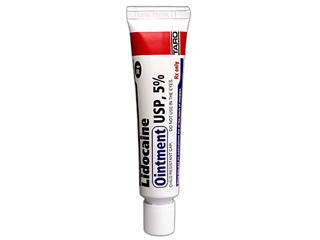
Xylocaine (Lidocaine) – Patient-Friendly Information (Australia)
Xylocaine is a brand name for medicines containing lidocaine, a local anaesthetic used to relieve pain and numb an area of the body. Depending on the formulation, Xylocaine may be used on the skin, in the mouth/throat, on the genital area, or to support certain medical and dental procedures. This page explains how lidocaine works, how it is used, what to expect, and important safety information for consumers in Australia.
| Topic | What you should know |
|---|---|
| Active ingredient | Lidocaine (local anaesthetic) |
| Common forms | Gel, ointment/cream, spray, viscous solutions, injections (varies by product) |
| How it works | Blocks nerve signals so you feel less pain or sensation |
| Typical onset | Often begins within minutes (varies by site and formulation) |
| Duration | Often lasts from around 30 minutes to a few hours, depending on dose and product |
| Key cautions | Too much or use in high-risk situations can cause serious side effects |
Basic product information
Xylocaine is an established local anaesthetic medicine. Lidocaine is used to temporarily reduce sensation in a specific area. Different Xylocaine products have different concentrations and instructions. Some are designed for superficial numbing of the skin or mucous membranes, while others are used by healthcare professionals for procedures that require local or regional anaesthesia.
In Australia, the availability and exact product presentation depend on the formulation (for example, gel, spray, or other forms). Always follow the instructions that come with your specific product and package.
How Xylocaine (lidocaine) works (mechanism of action)
Lidocaine works by blocking sodium channels in nerve cells. Sodium channels are important for generating and transmitting electrical signals along nerves. When these channels are blocked, nerve impulses related to pain and sensation cannot travel effectively, resulting in numbness.
- Local effect: The medication acts primarily at the site where it is applied or injected.
- Temporary numbness: Sensation returns after the medicine wears off.
- Reduced pain signals: It can help reduce discomfort during procedures or after minor injuries when numbness is needed.
Pharmacokinetics: how the body handles lidocaine
Pharmacokinetics describes what happens to a medicine after use—how it is absorbed, distributed, metabolised, and eliminated. Lidocaine’s behaviour varies depending on the route of administration and the formulation.
Absorption
- Topical/surface use: Absorption can occur through the skin or mucous membranes. Absorption may be higher when applied to broken skin, inflamed areas, or large surfaces.
- Oral/airway use: When used on the mouth or throat, some absorption may occur via mucosal surfaces.
Distribution
- Lidocaine can bind to blood proteins and may be distributed through the bloodstream to various tissues.
- When absorption is high (for example, excessive use), higher blood levels can occur, increasing risk of side effects.
Metabolism (breakdown)
- Lidocaine is mainly metabolised in the liver.
- People with liver impairment may have slower breakdown and higher levels, so dose limits and caution are important.
Elimination
- Metabolites are eliminated mainly via the kidneys.
- Kidney impairment can affect elimination of metabolites, though the main driver is metabolism by the liver.
Typical uses and indications
The appropriate use of Xylocaine depends on the formulation and clinical setting. In general, lidocaine is used when temporary numbness or local pain relief is needed.
Common indications (examples)
- Local pain relief and reduction of discomfort in targeted areas.
- Procedural anaesthesia in dentistry or minor medical procedures (often under clinical guidance).
- Numbing of mucous membranes for conditions where surface sensation reduction is needed (for example, in the mouth or throat).
- Genital or urinary tract area discomfort in specific products and situations, usually as directed by product instructions.
Always check the label and packaging for the specific indication for your product. Not all lidocaine formulations are interchangeable.
Timing: when Xylocaine starts working and how long it lasts
Timing depends on where it is applied, how much is used, the product type, and whether the area is intact or inflamed. In many cases:
- Onset: often within minutes for many topical/mucosal uses.
- Peak effect: typically shortly after onset.
- Duration: varies by product and site; effects may last from under an hour to a few hours.
If you are unsure about what to expect, refer to your product’s instructions. If numbness lasts longer than expected or you notice worsening symptoms, seek advice promptly.
Food interactions
For most consumers using lidocaine topically (as directed on the label), food interactions are not usually a major concern. However, for products used in the mouth or throat, there are practical considerations:
- Avoid eating or drinking immediately after applying lidocaine to the mouth/throat if you feel significantly numb, because numbness can reduce protective reflexes.
- Be careful with hot foods and drinks—you may not feel temperature and could burn yourself.
For injectable forms used by healthcare professionals, “food interaction” is less relevant; what matters is the clinical protocol and overall health status.
Alcohol interactions and medicine interactions
Alcohol
Lidocaine and alcohol can both affect the nervous system and, in higher-risk situations, may increase the chance of side effects such as dizziness or light-headedness. If you have concerns, it is safest to avoid alcohol around the time you use lidocaine, especially if:
- you are using more than a small amount,
- you are applying it to a large surface area,
- you feel unwell or unusually drowsy, or
- you are on other medicines that affect the nervous system.
Medicine interactions
Tell your pharmacist or doctor about all medicines and supplements you use. Some medicines may interact with lidocaine, particularly through liver metabolism or effects on the nervous system/heart rhythm. Examples that may require extra caution include:
- Other medicines that affect heart rhythm or conduction.
- Medicines that are metabolised by the liver enzymes (depending on your specific regimen).
- Certain antiarrhythmic medicines and drugs that influence sodium channels.
- Other local anaesthetics used at the same time (risk of additive toxicity).
Interaction risk is higher when lidocaine absorption into the bloodstream is higher—such as using too much, applying to large areas, or using on broken skin.
Dosing: how to use Xylocaine safely
Dose depends on the formulation, concentration, the area treated, the reason for use, and the patient’s age and health. For this reason, always use the amount stated on the packaging or as directed by a healthcare professional.
General dosing principles (consumer-safe guidance)
- Use the smallest amount needed to achieve numbness.
- Do not exceed the maximum daily dose stated on the label.
- Apply only to the intended area.
- Do not apply more often than recommended.
- If using a spray or gel, measure consistently (for example, count sprays) rather than “guessing”.
Special populations requiring extra caution
- Children: lidocaine can cause more serious toxicity at lower doses in children; use only products and instructions specifically intended for children.
- Older adults: sensitivity may be higher; follow conservative dosing instructions.
- People with liver disease: lidocaine metabolism may be reduced—avoid excessive use and follow label instructions carefully.
- People with significant heart rhythm problems: extra caution is needed, especially with any absorption beyond intended local use.
If you are uncertain about how much to use, ask your pharmacist. Do not trial higher amounts to “make it work faster”.
Safety profile: side effects and warning signs
Like all medicines, lidocaine can cause side effects. Most people who use it correctly experience no problems or only mild, temporary effects at the application site. However, serious effects can occur if too much is absorbed (through excessive dose, too frequent use, or use over large/broken areas).
Common/local side effects (at the site)
- temporary burning or stinging
- temporary numbness
- mild redness or irritation
- dryness or discomfort where applied
Allergic reactions (seek medical advice urgently)
- swelling of the face, lips, tongue, or throat
- hives, rash, or itching
- trouble breathing, wheezing
- severe dizziness or fainting
Serious warning signs of lidocaine toxicity
These can occur if levels become too high—particularly when too much is used or when lidocaine is absorbed too quickly. Seek urgent medical help if you experience:
- ringing in the ears (tinnitus)
- drowsiness, confusion, or feeling “drunk”
- blurred vision
- trembling, muscle twitching, or seizures
- slow or irregular heartbeat, chest discomfort
- breathing difficulties
When to stop using and seek help
- If you get severe irritation, worsening pain, or blistering at the site.
- If numbness affects swallowing or breathing.
- If symptoms persist longer than expected.
Practical use tips (to get the benefit safely)
- Read the specific product instructions carefully (gel vs spray vs mouth formulations have different directions).
- Apply to clean, dry skin unless the instructions say otherwise.
- Use gentle technique—avoid rubbing hard or applying to large areas.
- Wait for numbness before performing any activity that requires reduced sensation.
- Protect the area after application: avoid hot items, sharp objects, and prolonged pressure because you may not feel injury.
- Be careful with children: prevent accidental ingestion and prevent them from touching the numb area.
- Do not cover with tight dressings unless your product guidance allows it. Occlusion may increase absorption.
- Do not reuse after expiry.
Overuse and misuse: what to avoid
Lidocaine toxicity is a key risk when too much is applied. Avoid:
- using higher doses than the label recommends
- applying to very large areas, especially if the skin is broken
- reapplying too frequently
- using multiple lidocaine products at the same time unless advised
- allowing children or pets to access the product
If you suspect you have used too much, contact Poison Information Centre (Australia) immediately or seek urgent care. In an emergency, call 000.
Alternative options
Depending on your condition and the type of pain/discomfort, alternative treatments may include:
- Other topical local anaesthetics (different active ingredients or formulations) — choice depends on the site and purpose.
- Non-numbing pain relievers such as paracetamol or ibuprofen (if appropriate for you).
- Non-medicine approaches such as cooling measures, protective barriers, or changes to hygiene/irritant exposure.
- For dental or procedural discomfort: clinicians may use local anaesthetic options tailored to your situation.
A pharmacist can help you choose a safer alternative based on the area of discomfort, your medical history, and what other medicines you take.
Market and legal context for Australia
In Australia, medicines containing lidocaine are regulated and classified according to how they are supplied (for example, certain products may be available via pharmacists or under clinical use). Availability may vary by product type and concentration.
- Regulatory oversight: Medicines in Australia are regulated to ensure quality, safety, and appropriate supply.
- Label directions: Consumer safety relies heavily on correct use as stated on the product packaging.
- Pharmacist involvement: Many local anaesthetic products require pharmacist advice, particularly if used for sensitive areas or in children.
Always verify the exact product details (active ingredient, strength, dosage form, and directions) for the Xylocaine product you purchase.
Recent guidance and current best-practice considerations
Guidance for local anaesthetic medicines continues to focus on:
- Using the correct formulation for the site (skin vs mouth vs procedures).
- Avoiding over-application to reduce the risk of systemic absorption.
- Attention to vulnerable groups including children, people with liver disease, and those taking multiple interacting medicines.
- Recognising toxicity early (such as ringing in the ears, dizziness, or abnormal heartbeat).
If you are using Xylocaine for the first time or have medical conditions, it is wise to ask a pharmacist for product-specific directions. This helps ensure correct dosing, safe timing, and appropriate precautions for your situation.
Delivery and availability (Australia)
Xylocaine and other lidocaine-containing brands may be available through pharmacies and online pharmacy services across Australia, subject to local regulations and product eligibility. Delivery options typically depend on the product type and packaging requirements.
- Availability: Stock can vary by strength and formulation.
- Dispatch: Many online pharmacies aim to dispatch orders quickly once confirmed.
- Packaging: Medicines should arrive in secure, tamper-evident packaging.
- Storage: Store as directed on the label (often in a cool, dry place, away from direct sunlight).
Always check the expiry date upon arrival. If a product appears damaged or the seal is broken, do not use it—contact the pharmacy for guidance.
FAQ: Frequently asked questions
1) Is Xylocaine the same as lidocaine?
Yes. Xylocaine is a brand name; the active ingredient is lidocaine. Different Xylocaine products may contain different concentrations and formulations. Always check the label for strength and directions.
2) How quickly does lidocaine numb an area?
Many people notice numbness within minutes. The exact onset time depends on the product, the site of application, and whether the skin is intact.
3) How long will the numbness last?
Duration varies. For many topical uses, the effect may last from around 30 minutes to a few hours. If numbness lasts longer than expected, seek advice.
4) Can I eat after using lidocaine in my mouth?
Wait until normal sensation returns. If your mouth/throat feels numb, eating or drinking too soon—especially hot foods—may increase the risk of burns or choking.
5) What happens if I accidentally use too much?
Too much lidocaine can lead to serious toxicity. If you suspect overdose or experience symptoms such as dizziness, ringing in the ears, confusion, or irregular heartbeat, seek urgent medical help and contact a Poison Information Centre.
6) Is lidocaine safe for children?
Lidocaine can be safe when used appropriately, but children are more vulnerable to serious side effects from excess dosing or accidental ingestion. Use only age-appropriate products and follow label instructions exactly. Ask a pharmacist if unsure.
7) Can I use Xylocaine if I have liver disease?
Extra caution is needed because lidocaine is metabolised in the liver. Follow your product instructions carefully and ask a pharmacist for advice before use.
8) Does lidocaine interact with alcohol?
Alcohol may increase the risk of dizziness or other side effects and may make it harder to notice warning symptoms. It is best to avoid alcohol around the time of use, especially if using more than small amounts.
9) Where should I apply it?
Only apply lidocaine to the area specified for your product. Do not apply to large surfaces or to broken skin unless your product instructions explicitly allow it.
10) What alternatives can help if I need pain relief?
Depending on your problem, alternatives might include other topical treatments, oral pain relievers, or non-medicine strategies such as cooling and protective measures. A pharmacist can recommend options suitable for your age and health history.
Key takeaways
- Xylocaine (lidocaine) numbs a local area by blocking nerve signals.
- Use exactly as directed to reduce the risk of side effects from excessive absorption.
- Be cautious with mouth/throat applications—avoid eating and hot drinks until sensation returns.
- Seek urgent help if you notice warning signs such as ringing in the ears, confusion, tremors, breathing problems, or irregular heartbeat.
If you have questions about which Xylocaine product is suitable for your needs, or you are unsure about timing and safe dosing, speak with a pharmacist. They can help ensure you use lidocaine safely and effectively.