
Careprost (Bimatoprost) — Patient Information (Australia)
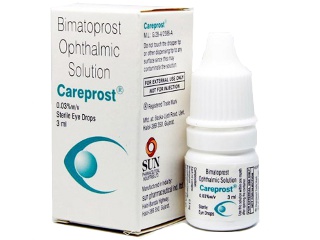
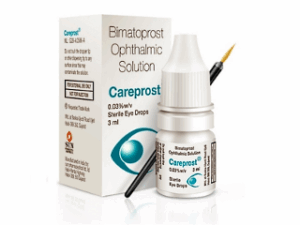
Careprost is a prescription eye medicine containing bimatoprost. It is used to help improve the appearance of eyelashes (length, thickness, and darkness) and, in some cases, to treat eye conditions where lowering eye pressure is beneficial. This page is designed to explain how Careprost works, how it is typically used, and what to expect while using it.
Always follow the instructions provided by your eye care professional. If you have any questions about your specific treatment, ask your doctor or pharmacist.
1. Basic product information
| Feature | Details |
|---|---|
| Medicine name | Careprost |
| Active ingredient | Bimatoprost |
| Medicinal form | Ophthalmic solution (eye drops) |
| Common strength | Usually 0.03% bimatoprost (check your product label) |
| How it’s used | Typically once daily into the affected eye(s) |
| Where it’s applied | Lower eyelid/eye area (as directed) |
Note: Formulation and strength can vary by country and product packaging. Please confirm the strength and directions on your Careprost box and label.
2. Indications and what Careprost is used for
Bimatoprost can be used for different purposes depending on the product approval and your clinician’s assessment. In everyday pharmacy practice, bimatoprost is most commonly known for:
- Cosmetic enhancement of eyelashes (for example, improving the appearance of longer, thicker, darker eyelashes in adults).
- Ocular conditions where a reduction in eye pressure is needed (management of certain glaucoma or ocular hypertension scenarios may involve bimatoprost, depending on product indication).
Your pharmacist or prescriber can confirm which indication applies to you and whether Careprost is intended for your particular use.
3. How Careprost works (mechanism of action)
Bimatoprost belongs to a group of medicines called prostaglandin analogs (it is often described as a prostaglandin-related agent). It works in the eye by:
- Increasing outflow of fluid (aqueous humour) from inside the eye, which can help lower intraocular pressure.
- For eyelash enhancement, it may also help influence the growth cycle of eyelashes through local effects on the eyelash follicle environment, leading to an increase in the appearance of length, thickness, and darkness.
While these effects are linked to the same active ingredient, the expected outcomes and the time to see changes can differ between pressure-lowering use and eyelash appearance use.
4. Pharmacokinetics (what the body does to the medicine)
Pharmacokinetics describes how the body absorbs, distributes, metabolises, and eliminates a medicine. For ophthalmic bimatoprost, the following general principles apply:
- Absorption: After eye administration, bimatoprost is absorbed through eye tissues. Systemic exposure is generally low compared with many other medicines.
- Distribution: The medicine can distribute into body tissues, though typical systemic levels after correct eye dosing are low.
- Metabolism: Bimatoprost undergoes metabolic processes, including pathways that convert it into multiple metabolites.
- Elimination: Metabolites are eliminated, primarily through renal (kidney) and non-renal routes.
In most patients, because systemic levels remain low, drug interactions from bloodstream exposure are less common than with some oral medicines. However, local eye effects and eye-to-eye contact remain important.
5. Typical use and timing
Careprost is commonly used , usually at the same time each day. Many patients are advised to apply it in the evening or at night.
- Best timing: Apply once daily as directed—often in the evening.
- Consistency: Try not to miss doses, as results depend on regular use.
- Do not use more than prescribed: Using extra drops will not usually improve results and may increase side effects.
If your prescriber gave you a different schedule, follow that plan.
6. How to use Careprost practically (step-by-step tips)
The technique below is intended for safe, correct eye application. Always follow your own label directions and clinician advice.
- Wash your hands before starting.
- Choose the right time (commonly in the evening).
- Prepare the drops: Check the tip is not damaged. Keep the bottle clean by avoiding contact with your eyelids, eyelashes, or fingers.
- Position: Tilt your head back and look slightly upward or straight ahead.
- Lower the eyelid gently to form a small pocket.
- Apply one drop to the pocket, as directed.
- Close your eye gently for about 1–2 minutes. Avoid rubbing your eye.
- Remove excess: If any liquid runs down your cheek, gently blot with a clean tissue.
- Replace the cap immediately and wash your hands again.
Contact lenses: Many eyelash/eye-drop regimens advise removing contact lenses before instillation and waiting at least 15 minutes before reinserting. Follow your product label or pharmacist advice.
Missed dose: If you miss your dose, apply it when you remember unless it is close to your next scheduled dose. Do not double up.
7. What to expect: timing of results
The onset of effects varies depending on your treatment goal. For eyelash enhancement, patience is important:
- Early changes: Some people notice subtle changes within a few weeks.
- More noticeable results: Often take around 8–12 weeks.
- Ongoing improvement: Eyelash changes may continue gradually during ongoing use.
If Careprost is being used to help lower eye pressure, the pressure effect is typically more immediate, but your clinician will monitor outcomes with eye checks.
Results are not always identical between eyes. If you experience unexpected symptoms, stop use and seek advice.
8. Food interactions
There are generally no known food interactions for ophthalmic bimatoprost, because the medicine is applied to the eye and systemic absorption is relatively low.
Even so, if you are taking other medicines, it is still important to discuss your full list with a pharmacist, particularly if you have kidney problems, hormone-related conditions, or other eye diseases.
9. Alcohol and medicine interactions
Alcohol
There is no direct, specific alcohol interaction widely expected for correctly used ophthalmic bimatoprost. However, alcohol can sometimes worsen dryness, irritation, or flushing, which may make eye side effects feel more noticeable.
Other medicines
Most interaction concerns for bimatoprost relate to shared eye conditions and local effects rather than major bloodstream chemistry. Still, discuss the following with your pharmacist:
- Other eye drops you use (especially steroid/anti-inflammatory drops or multiple glaucoma medications). You may need spacing between different eye drops.
- Contact with other eyelash products (e.g., lash serums or makeup removers) that could increase irritation.
- Systemic medications you take regularly, particularly if you have multiple comorbidities.
Practical spacing tip: If you use more than one type of eye drop, separate them by at least 5–10 minutes unless your clinician instructs otherwise.
10. Safety profile and side effects
As with all medicines, Careprost can cause side effects. Many are mild and related to local eye tissues. Your risk may be higher if you have sensitive eyes, dry eye, allergies, or existing eyelid conditions.
Common side effects (often mild)
- Eye redness
- Itching or irritation
- Dry eyes or a gritty sensation
- Watery eyes
- Discomfort in the eye
- Changes to eyelash appearance (as intended) and sometimes eyelid hair growth
Other possible effects
- Increased pigmentation of the eyelid skin
- Changes in iris colour (can occur in some patients; may be permanent)
- Periorbital skin changes (around the eyes)
- Conjunctival darkening (less common)
- Blurred vision shortly after instillation for some people
Seek medical advice urgently if you experience
- Severe eye pain
- Vision changes (significant blur, loss of vision)
- Marked swelling of the eyelids or face
- Signs of infection (e.g., thick discharge, worsening redness with pain)
- Symptoms that rapidly worsen after starting Careprost
11. Dosing (how much and how often)
Typical dosing for bimatoprost eye drops is:
- Adults: Usually one drop once daily to the affected eye(s), often in the evening.
- Children: Use in children should only occur if specifically directed by a qualified eye professional, as dosing and indications may differ.
Important: Dose should match the product label and your clinician’s instructions. Do not change the dosing frequency without advice.
If you are using Careprost for eyelash appearance, your clinician may still require periodic reviews to check for irritation and safety over time.
12. Missed dose and overdose guidance
If you miss a dose
- Apply the missed dose when you remember if it is not close to the next scheduled dose.
- If it is near the next dose, skip the missed dose and return to your normal schedule.
- Do not double the dose.
If you use too much
- Rinse the eye with clean water or normal saline if excessive drops enter the eye.
- Do not apply additional drops until it’s time for your next dose.
- If you have significant irritation or vision symptoms, seek advice promptly.
13. Practical use tips to reduce irritation and improve results
- Keep your instillation tip clean: Avoid touching the eyelid or lashes with the bottle tip.
- Do not rub your eyes: Rubbing can worsen redness and increase the risk of spreading medicine.
- Be careful with makeup: Avoid applying eye makeup immediately after dosing. Consider waiting at least 15 minutes (or follow your clinician’s guidance).
- Manage dry eye: If you experience dryness, discuss options such as preservative-free lubricating drops. Don’t introduce new eye drops without spacing them appropriately.
- Watch for pigmentation changes: Some eyelid or iris colour changes may be irreversible. Report any unexpected colour changes to your eye care professional.
- Use consistently: Results typically depend on continued daily use.
14. Alternative options
Alternatives depend on whether you are using bimatoprost for eyelash appearance or for eye pressure management. Some options include:
For eyelash appearance
- Other prostaglandin-related eyelash serums (different active ingredients may be available).
- Non-medicinal cosmetic options such as eyelash extensions (speak with a reputable provider), mascara, or lash conditioning products (effects vary and are often less dramatic).
- Dermatology/ophthalmology assessment if eyelash thinning is due to an underlying condition.
For eye pressure/glaucoma-related use
- Other intraocular pressure–lowering eye drops (classes differ, such as beta-blockers, alpha agonists, carbonic anhydrase inhibitors, and others).
- Laser or surgical options may be considered in some cases.
If you want to switch alternatives, ask your clinician/pharmacist about the safest transition plan and how to space different eye drops.
15. Market and legal context for Australia
In Australia, medicines are regulated by the Therapeutic Goods Administration (TGA). Availability and labelling can vary depending on approved indications, strength, and manufacturer. Eye medicines may be subject to specific packaging, storage requirements, and pharmacist oversight.
If you are purchasing online, choose a pharmacy service that complies with Australian requirements for quality, supply chain integrity, and accurate product labelling.
Important: Only use Careprost if it is the correct medicine and strength for your needs, and follow the usage directions on your packaging and your health professional’s advice.
16. Recent guidance and monitoring
Ongoing clinical guidance commonly emphasises:
- Regular monitoring of eye comfort and eyelid skin changes.
- Assessment for pigmentation changes, especially where iris or eyelid colour alterations may occur.
- Evaluation of eye conditions that may increase dryness or irritation (e.g., blepharitis or dry eye).
Follow-up may include visual checks and, when used for pressure-lowering indications, eye pressure measurements. If you experience new symptoms, contact your eye care professional rather than waiting for the next routine visit.
17. Delivery, availability, and storage (Australia)
Delivery and availability
- Delivery options vary by pharmacy service. You may see standard and express shipping choices at checkout.
- Stock can vary. If Careprost is temporarily unavailable, you may be able to set a restock notification.
Storage
- Store your eye drops as directed on the label. Many eye drops are stored at room temperature; some may have specific temperature requirements.
- Keep the bottle tightly closed when not in use.
- Protect from contamination; avoid touching the dropper tip to the eye or eyelids.
- Check the expiry date and discard any expired medicine.
If you are unsure about storage or how long to use the bottle after opening, consult the product label or ask a pharmacist.
18. Careprost FAQ
1) Is Careprost the same as bimatoprost?
Yes. Careprost is a brand name and bimatoprost is the active ingredient. Always verify the strength listed on your packaging.
2) How long does it take to see eyelash results?
Many people notice early changes after a few weeks, with more noticeable improvement often around 8–12 weeks. Results vary between individuals.
3) Can I use Careprost if I wear contact lenses?
In general, contact lenses should be removed before using many ophthalmic drops and reinserted after a waiting period. Confirm the guidance on your specific label or with your pharmacist.
4) What should I do if my eye becomes very red or painful?
Stop using the drops and seek urgent advice from an eye care professional. Severe pain, vision changes, or marked swelling should be treated as urgent.
5) Will it change my iris colour?
Some people may experience pigmentation changes, including possible changes in iris colour. This may be permanent. If you notice any colour change or worsening symptoms, contact your eye care professional.
6) Can I wear makeup after applying Careprost?
It’s best to wait at least 15 minutes (or follow label instructions) to reduce irritation and avoid contamination. Avoid rubbing your eyes.
7) Can I drink alcohol while using Careprost?
There is no common direct interaction, but alcohol may worsen eye dryness or irritation for some people. Use your usual precautions and monitor how your eyes feel.
8) What if I miss a dose?
Apply it when you remember if it’s not close to your next scheduled dose. If it is close, skip the missed dose and resume your regular schedule.
9) Are there alternatives if I don’t tolerate it?
Yes. Alternatives depend on your purpose (eyelash appearance versus eye pressure management). Ask your pharmacist or clinician about options and whether they can be substituted safely.
10) How should different eye drops be spaced?
If you use multiple eye drops, separate them by about 5–10 minutes unless you were told otherwise. This helps reduce wash-out of one medicine by another.
Final reminders
- Use Careprost exactly as directed.
- Expect eyelash changes gradually over weeks, not days.
- Report concerning symptoms—especially severe pain or vision changes—promptly.
- Check the product label for strength, storage instructions, and contact lens guidance.
If you would like, tell us what you are using Careprost for (eyelashes appearance or eye pressure) and what other eye medicines you take, and we can help you understand how to fit it into your routine safely.