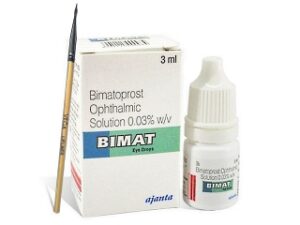
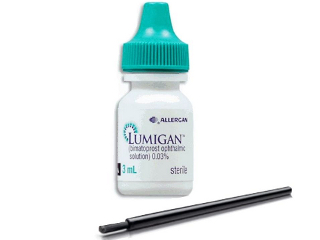
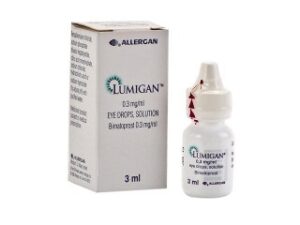
Lumigan + Applicators (Bimatoprost) – Patient Guide (Australia)
Lumigan + Applicators contains bimatoprost, a medicine used to treat certain eye conditions by lowering intraocular pressure (IOP). This page explains how it works, how to use it properly with the included applicators, common side effects, interactions, and practical tips for safe and effective use in Australia.
Always follow the instructions provided with your medicine and any clinician advice you have been given. If you are unsure about technique or timing, ask your pharmacist or eye health professional.
Key product information
- Medicine: Bimatoprost
- Brand: Lumigan + Applicators
- Type: Ophthalmic (eye) treatment
- Common purpose: Lowering elevated eye pressure
- Route: Applied to the eye surface (into the conjunctival sac area)
The exact strength (commonly 0.03% in many markets) and pack format may vary by product version. Please check the label on your specific Australian product for the correct concentration and instructions.
What Lumigan + Applicators is used for
Bimatoprost is mainly used to reduce intraocular pressure. Lowering IOP helps reduce the risk of progression in certain eye diseases.
Indications
- Open-angle glaucoma: A chronic condition where optic nerve damage is associated with raised IOP.
- Ocular hypertension: Raised IOP without established glaucoma, but with risk of developing glaucoma.
Your eye specialist will determine whether Lumigan is appropriate for your condition based on your eye pressure readings and eye exam findings.
How it works (mechanism of action)
Bimatoprost is a prostaglandin analogue (a medication designed to act like naturally occurring compounds in the body, affecting receptors in the eye).
It works by increasing the outflow of fluid (aqueous humour) from inside the eye, which helps lower intraocular pressure. It may also affect fluid production and other pathways within eye tissues.
Typical onset and expected results
Many people experience a reduction in eye pressure within the first days of treatment, with a fuller effect developing over time. The best way to know whether it is working for you is through planned eye pressure checks.
Dosing and timing
Lumigan is usually used once daily. Many patients are instructed to apply it in the evening. Follow your prescriber’s or pharmacist’s specific instructions.
Typical adult dosing
- Common schedule: Once daily, usually in the evening (for example, around bedtime).
- Amount per use: One application to the affected eye(s) as instructed.
- Applicator use: The included applicators are designed to help deliver the correct amount. Do not over-apply.
Do not use more than recommended to try to improve results, as this can increase the risk of side effects without providing added benefit.
If you miss a dose
- If you remember later on the same day, apply it if it is still close to your usual time.
- If it is almost time for the next dose, skip the missed dose and return to your regular schedule.
- Do not double up doses.
How to use Lumigan + Applicators (practical, patient-friendly steps)
Proper technique improves the chance the medication gets where it needs to go and may reduce side effects. The steps below are general. Please follow the leaflet included with your specific pack.
- Wash your hands before opening the pack.
- Prepare the applicator: Take one applicator and avoid touching the tip to prevent contamination.
- Tilt your head back and gently pull down the lower eyelid to create a small pocket.
- Apply the prescribed amount to the eye surface/pocket using the applicator. Avoid the applicator touching the eye.
- Close your eye gently for a moment (about 1 minute).
- Press the inner corner of the eye lightly (nasolacrimal area) for about 1 minute if you can. This may reduce drainage into the nose and improve local effect.
- Use only once per daily dose as instructed, and discard the applicator as directed (do not reuse).
Contact lenses
If you wear contact lenses, consult your eye clinician or pharmacist for specific advice. A common approach is to remove lenses before applying eye medicines and reinsert after a suitable interval, but the exact recommendation can vary between products and your eye condition.
If you use multiple eye medicines
Keep a gap between different eye drops/ointments if your routine includes others. A typical rule is to wait at least 5–10 minutes between products (but follow your specific directions). Bimatoprost is generally used once daily, so you can plan other treatments around it.
Mechanism-related information: pharmacokinetics (what the body does with it)
Pharmacokinetics describes how the body absorbs, distributes, metabolises, and eliminates a medicine. With ophthalmic bimatoprost, most action occurs locally in the eye after topical administration.
Absorption
- Local eye absorption: Bimatoprost penetrates ocular tissues to exert its pressure-lowering effect.
- Systemic absorption: Some medication can enter the bloodstream, although levels are generally low when used as directed.
Distribution, metabolism, and elimination
- Distribution: The medicine can distribute beyond the eye to some extent after systemic absorption.
- Metabolism: It is metabolised primarily through pathways common to small molecules.
- Elimination: Metabolites are cleared mainly via renal (kidney) and other routes.
In clinical practice, low systemic exposure is a key reason topical bimatoprost is often well tolerated. However, side effects can still occur, especially those involving the eye surface and surrounding tissues.
Food interactions
Because Lumigan is used in the eye, interactions with food are not expected to be clinically significant. No specific dietary restrictions are usually required.
If you have a complex medical history or take many medicines, it is still sensible to inform your pharmacist about your overall medication list.
Alcohol and medicine interactions
Alcohol
There is no known direct alcohol interaction typical of most ophthalmic bimatoprost use. However, alcohol may affect general wellbeing, hydration, and sleep—factors that can indirectly influence comfort or adherence (especially since Lumigan is often used at night).
Other medicines
Some interactions are possible mainly through additive effects on eye pressure or shared side effect risks. The most relevant considerations include:
- Other glaucoma eye drops: Using multiple pressure-lowering medicines may require careful timing and monitoring.
- Prostaglandin analogue combinations: Avoid doubling up with multiple prostaglandin analogue products unless specifically directed, as it may increase the chance of side effects without extra benefit.
- Eye surface medicines (anti-inflammatory, lubricants): Usually compatible, but sequencing matters—wait between products.
- Contact with skin around the eye: Medicines can sometimes migrate; be cautious if using other topical products around the face.
Tell your pharmacist if you use any prescription eye treatments, over-the-counter drops, eyelid products, or medications for inflammatory eye disease.
Safety profile (common, less common, and serious side effects)
Like all medicines, Lumigan can cause side effects. Many are mild and related to the eye surface. Report persistent or severe symptoms to your eye specialist promptly.
Common side effects
- Redness of the eye
- Itching or mild discomfort
- Dry eye or gritty feeling
- Increased tearing
- Changes in eyelash appearance (length, thickness, darkening)
- Eyelid skin darkening around the treated area
- Eyebrow hair growth (less commonly, especially if product spreads)
Less common side effects
- Eye irritation and burning sensation
- Conjunctival swelling
- Blurred vision temporarily after application
- Headache in some patients
Serious side effects – seek urgent advice
- Severe eye pain
- Marked redness with worsening symptoms
- Significant light sensitivity
- Vision changes that do not settle quickly
- Allergic reaction (swelling of eyelids/face, hives, breathing difficulties)
These events are uncommon. If you experience them, stop using the product and seek medical help immediately or contact your local emergency service.
Who should be extra cautious?
- History of eye inflammation or certain inflammatory eye conditions. Your clinician may monitor more closely if you have a complex ocular history.
- People who wear contact lenses or have dry-eye conditions. Lubricating drops may be recommended, but ask about compatibility and timing.
- Patients with recent eye surgery (timing and monitoring may differ).
- Pregnancy and breastfeeding: Discuss risks and benefits with your eye doctor. Absorption is generally low, but decisions should be individual.
- Children: Use depends on age, diagnosis, and specialist guidance.
Practical use tips to improve comfort and reduce side effects
- Apply at the same time each day to build a routine.
- Avoid touching the eye with the applicator tip.
- Close the eye gently after applying and press the inner corner lightly for about a minute.
- Be consistent with adherence—pressure control often depends on ongoing daily use.
- Watch for migration to eyelids/skin: wipe away any excess gently if your clinician or leaflet advises, to reduce unwanted eyelash/skin effects.
- Use lubricating drops if needed (where appropriate). If you use artificial tears, separate them from bimatoprost by several minutes.
- Keep follow-up appointments for eye pressure checks and visual assessments.
Recent guidance and clinical monitoring (Australia context)
In Australia, glaucoma and ocular hypertension management typically includes ongoing monitoring of intraocular pressure and optic nerve/visual field assessments. Your clinician may adjust treatment based on response, tolerability, and disease progression.
While specific recommendations can vary between practitioners and guidelines, a general approach includes:
- Regular IOP measurements after starting or changing treatment.
- Assessment of optic nerve and visual field on a schedule appropriate to disease risk.
- Review of adherence and application technique if pressure remains uncontrolled or side effects occur.
- Medication review to avoid duplication with similar drug classes.
If your eye pressure is not at target, your clinician may consider changing the dose/timing, adding complementary therapy, or switching to an alternative class.
Alternative options
There are several other treatments for lowering intraocular pressure. Your choice depends on your diagnosis, response to therapy, side effect preferences, and overall eye health.
Medication alternatives (commonly used classes)
- Other prostaglandin analogues (similar mechanism; different brand options exist).
- Beta-blockers (reduce fluid production).
- Alpha-adrenergic agonists (reduce production and increase outflow).
- Carbonic anhydrase inhibitors (reduce fluid production).
- Combination eye drops that pair medicines with different mechanisms.
Non-medicine options
- Laser treatments for appropriate patients.
- Surgery or other procedures when medical therapy is insufficient.
If you want to discuss alternatives, your pharmacist can help you compare options available in Australia and explain differences in dosing and likely side effects.
Market and legal context for Australia (overview)
In Australia, glaucoma medicines and ophthalmic preparations are regulated under the country’s medicines framework. The exact classification and supply requirements can differ depending on product type and strength.
Online pharmacies operating in Australia typically require customers to review relevant information, and for some medicines, additional steps may be required to ensure safe supply. Availability may also vary by brand, formulation, and stock levels.
Always purchase from reputable, compliant pharmacies and check the label to confirm the product’s active ingredient and strength match what you intend to use.
Delivery and availability
Availability depends on supply chains and the specific pack size you choose. Many Australian online pharmacies can deliver ophthalmic medicines to eligible locations.
- Dispatch timing: often within 1–2 business days, depending on stock and cut-off times.
- Delivery options: standard or express shipping may be available.
- Packaging: medicines are typically shipped in protective packaging to reduce damage risk.
Because eye medicines are used long-term for glaucoma/ocular hypertension, it can be helpful to order before you run out—especially if you need to keep up a consistent nightly routine.
Storage
- Store according to the instructions on the pack.
- Keep out of reach of children.
- Protect from moisture and heat as directed.
- Do not use the product after the expiry date.
FAQ
1) Is Lumigan the same as bimatoprost?
Yes. Lumigan + Applicators contains bimatoprost as its active ingredient.
2) What time of day should I use it?
Many people use it once daily in the evening. Follow the timing instructions given to you. Consistency helps maintain pressure control.
3) How long does it take to work?
Eye pressure reductions can be seen fairly soon, but the full effect may develop over days. Your eye specialist will check your response at follow-up visits.
4) Can I use Lumigan with other eye drops?
Often yes, but you should separate different products by a few minutes and avoid doubling up with similar classes unless directed. Ask your pharmacist if you tell them what drops you use.
5) Will it change my eyelashes?
It can. Some people notice eyelashes become longer, thicker, or darker. Eyelid skin and surrounding hair changes can also occur, particularly if product spreads beyond the eye.
6) What if my eye becomes more red after starting?
Mild redness can happen. However, if you develop severe pain, worsening redness, significant light sensitivity, or vision changes, seek urgent advice from a healthcare professional.
7) Is there an interaction with food?
Food interactions are not usually expected for ophthalmic bimatoprost because it is applied to the eye.
8) Can I drink alcohol while using it?
There is no common direct interaction, but alcohol can affect general comfort and adherence. Use moderation and prioritise consistent nightly use.
9) What should I do if I miss a dose?
Apply it if you remember close to the usual time. If it is near your next dose, skip the missed dose. Do not double.
10) How do applicators help?
Applicators can assist with accurate delivery and reducing contamination. Use one applicator per daily dose and avoid touching the applicator tip to the eye.
Summary
Lumigan + Applicators (bimatoprost) is a once-daily eye medicine used in Australia to help lower intraocular pressure in conditions such as open-angle glaucoma and ocular hypertension. It works by improving fluid outflow in the eye. Most effects are local, and many side effects involve eye redness or irritation, with some people noticing eyelash changes. Following correct application technique, adhering to nightly dosing, and keeping up with eye monitoring are key to effective long-term management.
If you have questions about your specific treatment plan, side effects, or how to fit Lumigan into your daily eye-care routine, speak with your pharmacist or eye specialist.
| Topic | What to know |
|---|---|
| Active ingredient | Bimatoprost |
| Common use | Lowering intraocular pressure for glaucoma/ocular hypertension |
| Typical dosing | Once daily, often in the evening |
| How it works | Improves aqueous humour outflow to reduce eye pressure |
| Food interactions | Not expected to be clinically significant |
| Common side effects | Redness, irritation, dry eye, eyelash/eyelid skin changes |
| When to seek help | Severe pain, major redness, light sensitivity, or vision changes |