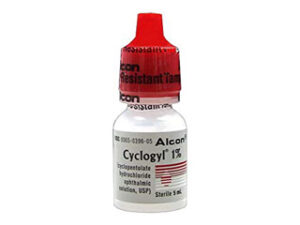

Cyclopentolate (Eye Drops) — Patient Information (Australia)
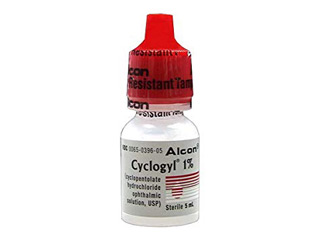
Cyclopentolate is a medicine used in the eye to temporarily dilate the pupil and paralyse focusing (cycloplegia). It is commonly used to help doctors examine the eye, measure refractive error, and sometimes to support treatment of certain inflammatory or painful eye conditions.
This page explains what Cyclopentolate is, how it works, how it is used, and key safety information—written in a patient-friendly way for Australia.
Basic product information
- Medicine name: Cyclopentolate
- Medicinal form: Eye drops (typically a clear solution)
- Common strengths: Vary by product (follow the pack and your clinician’s instructions)
- Brand names: May vary by supplier and availability
- Therapeutic use: Mydriatic (pupil dilation) and cycloplegic (paralyses accommodation)
- Storage: Check pack instructions; protect from heat and follow “use by” dates
Always use the exact product and strength supplied by your pharmacy. If you are unsure, ask your pharmacist.
How Cyclopentolate works (mechanism of action)
Cyclopentolate is an antimuscarinic medicine. It blocks muscarinic receptors in the eye, which results in:
- Pupil dilation (mydriasis): Relaxation of the muscles that keep the pupil smaller
- Reduced focusing ability (cycloplegia): Temporary inability to change focus from distance to near
- Reduced accommodation-related symptoms: In some clinical scenarios, cycloplegia can improve comfort and assist diagnosis
The effects begin within minutes and are reversible. However, the recovery of near vision and light sensitivity can take longer than many people expect.
Pharmacokinetics (what the body does with it)
After topical (eye drop) use, Cyclopentolate can be absorbed through the tissues of the eye and the nose (via the tear drainage system).
- Absorption: Absorption occurs through the eye surface; some systemic absorption may occur, especially with frequent dosing or in children.
- Distribution: Systemic distribution can occur following absorption, which is why caution is needed in children and in people sensitive to antimuscarinic medicines.
- Metabolism: Like many antimuscarinic drugs, it is processed by the body through metabolic pathways (details vary by individual and formulation).
- Elimination: Excretion occurs via normal body clearance mechanisms.
In practice, the most noticeable effects are local (dilated pupils, reduced focusing). Systemic side effects are less common when used as directed, but may occur—particularly in children.
Typical uses and indications
Cyclopentolate is used to achieve medically controlled dilatation and cycloplegia. Common reasons include:
- Refraction (vision testing): To obtain more accurate measurement of glasses prescription by reducing the eye’s focusing ability
- Eye examination: To allow examination of the retina and optic nerve by enlarging the pupil
- Some inflammatory conditions: Under medical supervision, to reduce ciliary spasm and improve comfort
- Other specialist uses: Depending on the clinician’s assessment of symptoms and eye findings
If Cyclopentolate was recommended for you, the goal is usually either diagnostic accuracy (especially for children’s refraction) or comfort/support during eye assessment or management.
How to use Cyclopentolate (timing and technique)
Always follow the instructions provided with your specific product. Below are general practical guidelines that apply to eye drops in general.
Timing
- Onset: Effects often begin within minutes after instillation.
- Peak effect: May occur within 20–60 minutes, depending on the individual and dosing.
- Duration: Pupil dilation and blurred near vision can last for several hours and sometimes longer. Follow-up guidance should be given by the prescriber/clinic.
- Light sensitivity: Expect increased sensitivity to bright light while pupils are dilated.
Practical application tips
- Wash hands before and after use.
- Shake only if the label indicates (many solutions do not require shaking).
- Tilt your head back and gently pull down the lower eyelid.
- Instil the prescribed number of drops into the eye without touching the dropper to the eye or eyelashes.
- Close the eye gently and keep it closed for 1–2 minutes.
- Nasolacrimal occlusion: Press a finger gently at the inner corner of the eye (near the nose) for 1–2 minutes. This can reduce drainage into the nose and lower systemic absorption.
- Blot excess liquid with a clean tissue.
If you’re using multiple eye medicines, wait time matters (see “Food interactions” and “Medicine interactions” for general guidance on sequencing; for specific waiting periods, check product labels or ask your pharmacist).
Dose information (general guidance)
Dosing varies by age, condition, and the intended purpose (for example, diagnostic cycloplegia). A “typical” pattern can include one or more drops, sometimes repeated after an interval, particularly for children.
Important: Use only the dose schedule written on your product packaging or as instructed by your healthcare professional. Do not adjust the dose yourself.
Typical dosing patterns (examples)
- Adults: Often a small number of drops at intervals before an eye examination or refraction.
- Children: Dosing is often age- and clinical-plan dependent due to greater risk of side effects.
- Repeated dosing: Some examination protocols use more than one instillation to reach adequate cycloplegia.
If you need help interpreting the schedule (for example, when to apply the next dose), contact your clinic or pharmacist.
Food interactions
Because Cyclopentolate is used in the eye, food interactions are unlikely. There is usually no direct interaction between eye drops and what you eat.
- General advice: You may eat and drink normally unless your clinician has told you otherwise.
- Consistency: If you take oral medications, keep your routine the same unless a health professional advises changes.
Note: If Cyclopentolate causes blurred vision, some people prefer to eat slower or avoid tasks requiring sharp vision immediately after dosing.
Alcohol interactions
Cyclopentolate eye drops are not usually associated with major alcohol interactions. However, alcohol can worsen side effects related to vision and may affect your comfort and safety.
- Avoid alcohol where possible if you are experiencing dizziness, blurred vision, or unusual sensitivity to light.
- Safety first: If your vision is impaired, do not drive and do not operate machinery.
If you have a history of intolerance to antimuscarinic medicines, speak to your pharmacist for personal advice.
Medicine interactions (including common medicines)
Systemic absorption can be small but not zero. Cyclopentolate may interact with other medicines that have antimuscarinic effects or that affect eye function.
Medicines that may increase antimuscarinic effects
- Some medicines for overactive bladder or urinary symptoms
- Some medicines for allergies that cause drowsiness or dry mouth
- Some medicines for motion sickness or nausea
- Certain medicines used for depression, psychosis, or Parkinson’s disease (varies by medicine)
Eye medicines
- Other eye drops may be used before or after Cyclopentolate depending on the clinic plan.
- If you are using more than one eye product, ask for a clear schedule. As a general rule, many eye drop protocols separate medicines by 5–10 minutes to reduce wash-out (confirm for your products).
Tell your pharmacist about all medicines you use, including supplements and “as needed” products.
Safety profile and side effects
Most people experience temporary effects limited to the eyes. However, Cyclopentolate can sometimes cause systemic side effects due to absorption. Children are more sensitive.
Common eye-related effects
- Blurred near vision (cycloplegia)
- Dilated pupils
- Light sensitivity (photophobia)
- Stinging or mild irritation on instillation
- Temporary difficulty focusing
Possible systemic side effects
- Dry mouth
- Flushing
- Fast heartbeat
- Dizziness
- Headache
- Unusual behaviour (more relevant to children)
- Reduced sweating (rare, but important in very young children or hot environments)
When to seek urgent help
Seek medical help urgently if you notice severe symptoms such as:
- Eye pain that is worsening
- Severe redness or vision changes beyond expected blurring
- Marked sensitivity to light with significant discomfort
- Fainting, severe dizziness, or confusion
- Fast heartbeat with feeling unwell
- In children: unusual agitation, lethargy, or breathing difficulty
If you suspect an overdose or accidental ingestion (especially in children), contact a Poisons Information Service or emergency services immediately.
Who should use caution (contraindications and special considerations)
Cyclopentolate may not be suitable for everyone. Discuss with a healthcare professional if you have:
- Known allergy to cyclopentolate or similar medicines
- Eye conditions where pupil dilation may be unsafe (for example, some types of narrow-angle glaucoma risk)
- Angle-closure glaucoma or a history suggesting risk (your clinician will advise)
- Very young children or frail patients (dosing and monitoring may be more cautious)
- Other significant medical conditions where antimuscarinic medicines may cause problems
This is general information. Your eye care professional can determine suitability based on your eye history and exam findings.
Practical use tips (getting the best results)
- Bring sunglasses: Light sensitivity is expected. Sunglasses can make the experience more comfortable.
- Plan for blurred vision: Avoid reading, close-up tasks, and screen work if it becomes difficult.
- No driving if vision is affected: Do not drive until your vision feels clear enough for safe driving (dilation and cycloplegia can last).
- Keep a safe environment: For children, supervision is important because they may not see obstacles clearly.
- Avoid eye rubbing: Rubbing can spread the medicine and increase irritation.
- Use nasolacrimal occlusion: Gently pressing the inner corner reduces drainage into the nose.
- Check the schedule for multiple drops: If more than one dose is recommended, follow the exact timing.
If you experience more side effects than expected, contact your clinic or pharmacist for advice.
Alternative options
Depending on the reason for cycloplegia and pupil dilation, clinicians may consider other medicines with similar roles. Alternatives may include:
- Atropine eye drops: Cycloplegic and mydriatic; effects can last longer
- Cyclopentolate alternatives used for refraction and examination (choice depends on availability and clinical protocol)
- Other mydriatic agents (used when cycloplegia is not the main goal)
Selection depends on your age, clinical needs, expected duration, and risk of side effects. Your eye care team can advise what is most appropriate.
Market and legal context in Australia (overview)
Medicines in Australia are regulated under the TGA (Therapeutic Goods Administration) framework. Eye medicines may be supplied based on their scheduling status and intended clinical use. Availability can vary between brands and suppliers.
Online pharmacy supply typically follows Australian requirements around product listing, identity checking where required, and safe distribution. Always check the product details on the pharmacy site for the specific listing, strength, and usage instructions.
If Cyclopentolate is being supplied for diagnostic purposes, it is generally used under clinical guidance. The exact pathway (for example, what documentation is required) can vary based on the product and scheduling classification.
Recent guidance and practical expectations
While individual clinical protocols vary by practice, common modern guidance focuses on:
- Using the minimum effective dose to achieve diagnostic accuracy while limiting side effects
- Reducing systemic absorption (for example, nasolacrimal occlusion)
- Clear counselling on expected vision changes and safety (especially driving and children’s supervision)
- Ensuring appropriate follow-up if the examination was for refraction or if symptoms occur after use
If you were given specific instructions from your clinic, follow those instructions first.
Delivery and availability (online pharmacy)
Availability of Cyclopentolate eye drops can depend on supply and the specific brand strength. When ordering online in Australia, products are typically dispatched once verified and packed according to cold/ambient storage requirements (if applicable).
- Dispatch times: vary by supplier and location
- Shipping: standard delivery options are usually available; express delivery may be offered depending on region
- Check expiry: Ensure the label shows an acceptable “use by” date
- Storage on arrival: store as indicated on the pack
If you need the drops for an upcoming appointment, order with enough time for delivery and confirm the delivery cut-off for your location.
FAQ: Cyclopentolate eye drops
1) How long does Cyclopentolate blur my vision?
Blurred near vision and pupil dilation can last for several hours and sometimes longer. The exact duration depends on the individual, age, and dosing used. If you have an appointment or need to drive, ask your clinic when it should wear off.
2) Will it hurt?
Most people experience mild stinging or irritation for a short time. Severe pain or worsening redness is not typical—seek medical advice if that happens.
3) Can I drive after using Cyclopentolate?
Usually no until your vision is clear enough for safe driving. Cycloplegia and pupil dilation can affect focus and glare sensitivity. If you’re unsure, avoid driving and arrange transport.
4) Can I use Cyclopentolate if I wear contact lenses?
In many cases, contact lenses should be removed before using dilating/cycloplegic drops and may be avoided until vision returns. Follow your clinic’s instructions and the product label.
5) What should I do if I miss a dose?
It depends on the timing relative to your appointment or examination plan. If you are using a multi-dose schedule, contact your clinic or pharmacist for advice rather than guessing.
6) Are food and drinks a problem with Cyclopentolate?
Food interactions are not typically an issue because the medicine is applied to the eye. However, alcohol may worsen discomfort or safety risks if your vision is affected.
7) Can Cyclopentolate cause side effects in children?
Yes. Children may be more sensitive to antimuscarinic medicines. Commonly, they get dilated pupils and blurred near vision. More concerning symptoms—such as unusual agitation, fast heartbeat, flushing, or reduced sweating—should be discussed with a healthcare professional urgently if they occur.
8) What if my eye looks very red or I have severe pain?
Mild irritation can occur. Severe pain, significant redness, or major vision changes are not typical. Seek prompt medical attention.
9) How should I separate Cyclopentolate from other eye drops?
If you’re using multiple eye medicines, it’s often recommended to separate doses by a few minutes to prevent wash-out. Confirm the schedule with your pharmacist or clinic for your exact products.
10) Is Cyclopentolate safe to use repeatedly?
Repeated use depends on the condition being treated and the clinical plan. It should be used only as directed, with attention to side effects and follow-up.
Quick reference summary
| Topic | What to know |
|---|---|
| Purpose | Dilates pupils and paralyses focusing to support accurate eye examinations/refraction. |
| Onset | Often begins within minutes. |
| Duration | Blurred near vision and light sensitivity can last for hours (sometimes longer). |
| Food interactions | Unlikely to be an issue with topical eye use. |
| Alcohol | May increase safety risks if vision is affected; avoid if you feel unwell. |
| Key safety points | Watch for severe eye pain, significant redness, or unusual systemic symptoms—especially in children. |
| Helpful technique | Gently press inner corner of the eye (nasolacrimal occlusion) for 1–2 minutes to reduce drainage. |
If you have questions about how Cyclopentolate will affect you personally—such as timing for work, travel, or an eye exam—speak with your pharmacist or eye care clinic.