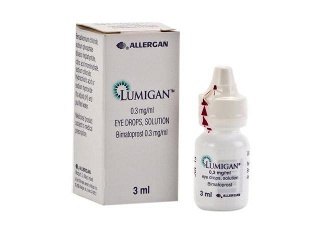
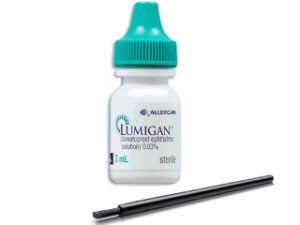
Lumigan (Bimatoprost) – Patient Information (Australia)
Lumigan is a prescription eye medicine containing bimatoprost. It is used to treat eye conditions that can lead to vision loss if left unmanaged—most commonly glaucoma and ocular hypertension. This guide explains how Lumigan works, how to use it safely, what to expect, and key interactions and safety information for people in Australia.
At a glance
- Active ingredient: Bimatoprost
- Medicine type: Prostaglandin analogue (a glaucoma/ocular pressure–lowering eye drop)
- Common use: Reducing intraocular pressure (IOP) in certain eye conditions
- Typical dosing schedule: Once daily in the evening (as directed by your clinician)
- How it’s used: Eye drops for the affected eye(s)
Basic product information
Brand name: Lumigan
Generic name: bimatoprost
Strengths: Lumigan is commonly available as bimatoprost ophthalmic solution (strengths may vary by product format/market availability). Your pharmacy will supply the correct strength for your prescription and brand.
Important: Always check the label for the exact concentration and dosing instructions provided with your medicine.
What is intraocular pressure and why does it matter?
Intraocular pressure (IOP) is the fluid pressure inside the eye. Too much pressure can damage the optic nerve over time, potentially causing glaucoma and progressive vision loss. Lowering IOP helps reduce the risk of optic nerve damage.
How Lumigan works (mechanism of action)
Bimatoprost helps lower IOP by improving the eye’s fluid drainage pathways.
- Prostaglandin pathway activity: Bimatoprost increases outflow facility, helping aqueous humour (the eye’s fluid) leave the eye more effectively.
- Reduced pressure: As fluid drainage improves, IOP typically decreases.
Lowering IOP is the key therapeutic goal; this reduces stress on the optic nerve and helps protect vision.
What conditions is Lumigan used for?
In Australia, Lumigan is used to treat:
- Primary open-angle glaucoma
- Ocular hypertension (raised IOP)
- Other glaucoma-related conditions where a prostaglandin analogue is appropriate (depending on clinical assessment)
Your eye-care professional will decide whether Lumigan is suitable based on your eye exam, IOP measurements, optic nerve assessment, and your treatment history.
How quickly does Lumigan work? (timing and expectations)
Many people notice IOP lowering within the first day, and full effect often develops over several days. Because the dosing is once daily, it’s important to use Lumigan consistently.
- Typical dosing time: in the evening
- What matters most: Taking it at roughly the same time each day
If you forget a dose: Use it when you remember unless it’s close to the time for your next dose. Do not double up.
Dosing (general guidance for patients)
Typical regimen: Apply one drop once daily to the affected eye(s), preferably in the evening.
How to apply:
- Wash your hands.
- Remove contact lenses (if you wear them).
- Gently pull down the lower eyelid to create a small “pocket”.
- Place one drop into the pocket without touching the tip of the bottle to the eye.
- Close the eye gently.
- Press lightly on the inner corner of the eye (near the nose) for about 1 minute to reduce drainage into the tear duct and the rest of the body.
- Wipe away any excess liquid with a clean tissue.
Do not: Use more than the recommended number of drops.
Follow-up: Your IOP and eye health should be monitored regularly (as advised by your clinician).
Pharmacokinetics (how the body handles bimatoprost)
Pharmacokinetic information helps explain how bimatoprost behaves after application.
- Absorption: Bimatoprost can be absorbed through ocular tissues. Systemic absorption is generally low when used as an eye drop.
- Distribution: After absorption, bimatoprost and its metabolites distribute through the body.
- Metabolism: Bimatoprost is metabolised primarily in the body.
- Excretion: Metabolites are eliminated mainly through renal and other routes.
Clinical relevance: While systemic exposure is typically low, side effects can still occur—particularly local eye effects. The usual safety profile reflects the low systemic absorption achieved with topical ocular dosing.
Food interactions
Food interactions are not expected with Lumigan when used as eye drops. Because it is applied directly to the eye, there is minimal involvement of the gastrointestinal tract.
Practical note: If you have trouble coordinating drops with meal routines, choose a consistent evening time and stick with it. You can take meals as normal.
Alcohol and medicine interactions
Alcohol: There are no well-established direct interactions between alcohol and bimatoprost eye drops. However, alcohol can worsen dizziness in some people or contribute to general irritation/dryness, which may indirectly affect eye comfort.
Other medicines: Inform your clinician and pharmacist about all medicines you use, including eye drops, gels, ointments, and tablets.
- Other eye drops: If you use more than one eye product, separate them by at least 5–10 minutes (unless your clinician instructs otherwise) to reduce washout.
- Glaucoma therapies: Lumigan may be used alone or alongside other IOP-lowering medicines as part of a treatment plan. Do not change therapy without advice.
- Contact with other eye medications: Avoid mixing products in the same container. Use each product as directed.
Always seek advice if you start a new medicine or have an unexpected reaction while using Lumigan.
Safety profile and side effects
Most people tolerate Lumigan well. Side effects are usually related to the eye and are typically mild to moderate. Some effects may occur because bimatoprost affects pigmentation and blood flow in the eye surface.
Common side effects
- Redness of the eye (conjunctival hyperaemia)
- Itching or eye irritation
- Dry eyes or a gritty feeling
- Watery eyes
- Increased eyelash growth and/or thickness (may reverse when stopping)
- Changes in eyelid or periocular skin (sometimes)
Possible but less common effects
- Changes in iris colour (typically gradual; may be permanent)
- Corneal changes in susceptible individuals
- Eye pain or light sensitivity
- Headache (not usually severe)
- Allergic reactions (rare)
When to seek urgent advice
Stop using Lumigan and seek prompt medical care if you experience:
- Severe eye pain
- Significant swelling of the eyelids
- Rapidly worsening redness
- New vision changes
- Symptoms of a serious allergic reaction (e.g., facial swelling, breathing difficulty)
Who should take extra care?
- People with a history of eye inflammation (uveitis) or certain corneal conditions
- People with severe dry eye or ocular surface disease
- People who wear contact lenses (see practical tips below)
Practical use tips (to get the best results and reduce side effects)
- Apply at the right time: Use once daily in the evening. Consistency improves IOP control.
- Use gentle pressure after the drop: Lightly press the inner corner of the eye for ~1 minute to reduce drainage and systemic absorption.
- Avoid touching the eye: Don’t let the dropper tip touch the eye or eyelids.
- Remove contact lenses: Take out lenses before instillation. You can usually reinsert lenses after the solution has had time to settle (follow your pharmacist’s advice). Prolonged contact lens wear may increase discomfort.
- Expect possible cosmetic changes: You may notice eyelash growth or colour change gradually. This is a known possibility and can affect appearance.
- Know how to handle multiple eye medicines: If using other drops, separate them by 5–10 minutes.
- Don’t stop suddenly without advice: IOP may rise again. Keep up follow-up appointments.
- Storage: Store as directed on the label. Keep the bottle tightly closed.
Alternative options
If Lumigan is not suitable due to side effects, inadequate response, or other clinical reasons, there are other options commonly used to reduce IOP. Your clinician will select the best approach based on your eye condition and risk factors.
Common alternative classes
- Other prostaglandin analogues (often first-line due to once-daily dosing)
- Beta-blocker eye drops
- Alpha-agonists
- Carbonic anhydrase inhibitors (drops or tablets in some cases)
- Combination drops (two medicines in one bottle)
Non-drop options
- Laser therapy (e.g., for certain glaucoma types)
- Surgical options (when needed for advanced disease or insufficient response)
Tip: If you’re experiencing bothersome side effects, speak with your eye-care professional before switching on your own. Sometimes adjusting technique or timing can help.
Market and legal context in Australia
In Australia, access to medicines and clinical prescribing is governed by federal and state rules, including medicines scheduling and distribution requirements. Eye medications like Lumigan are regulated to ensure safe use and appropriate supply.
Important consumer information:
- Medicines may be supplied only when appropriate clinical criteria are met.
- Always follow the dosing instructions provided with your product and consult a qualified health professional if you are unsure.
- Counterfeit or unauthorised products may pose serious risks. Choose reputable suppliers.
Recent guidance and monitoring (what to expect)
Glaucoma management focuses on long-term IOP control and monitoring of optic nerve and visual function. While recommendations can evolve, standard practice in Australia includes:
- Regular eye exams to check IOP and the health of the optic nerve and retina
- Assessment of side effects such as redness, dryness, and any pigmentation changes
- Adherence support (technique and consistent use)
Your clinician may adjust treatment based on your response, progression, and tolerability.
Delivery and availability (online pharmacy)
Availability can vary by region and stock levels. When ordering online from a reputable Australian pharmacy, you can generally expect:
- Product listing with strength and format confirmed before dispatch
- Secure packaging to protect the bottle during transit
- Delivery estimates shown at checkout
- Compatibility checks such as confirming suitability and ensuring correct product supply
Advice: Confirm that the medicine you receive matches the strength and instructions on your label. If anything is unclear, contact the pharmacy before use.
Safety considerations by life stage and special situations
Pregnancy and breastfeeding
If you are pregnant, planning pregnancy, or breastfeeding, discuss the risks and benefits with your clinician. Your doctor will consider your glaucoma severity and available alternatives.
Children and adolescents
Use in children or adolescents depends on clinical assessment and local prescribing guidance.
Driving and machinery
Eye drops may cause temporary visual blur or discomfort immediately after instillation in some people. Avoid driving or operating machinery until your vision clears.
Frequently Asked Questions (FAQ)
1) How long does Lumigan take to lower eye pressure?
Some IOP reduction can occur quickly, and effect often stabilises over days. The goal is consistent daily use in the evening to maintain pressure control.
2) Should I use Lumigan if my eyes look fine?
Yes—glaucoma and ocular hypertension often have no symptoms. IOP control is protective even when you don’t feel anything.
3) Can I stop Lumigan once my pressure improves?
Do not stop without advice. Lower IOP can be lost if drops are discontinued. Your clinician can guide safe changes to your treatment plan.
4) What should I do if I miss a dose?
Use it when you remember unless it is close to the next dose. Then continue your regular schedule. Do not use extra drops to “catch up.”
5) Will Lumigan change my eye colour or eyelash appearance?
Gradual iris colour change can occur in some people and may be permanent. Eyelash changes such as growth and thickness are also possible. These effects are known and should be discussed with your clinician if you are concerned.
6) Can I wear contact lenses with Lumigan?
Remove lenses before applying the drop. Ask your pharmacist when you can reinsert them. Avoid prolonged lens wear if your eyes feel dry or irritated.
7) What if my eye becomes very red or painful?
Mild redness can occur, but severe pain, worsening redness, swelling, or vision changes should be treated as urgent. Stop and seek prompt medical care.
8) Are there food interactions with bimatoprost?
No clinically significant food interactions are expected because Lumigan is applied to the eye rather than taken by mouth.
9) Can I drink alcohol while using Lumigan?
Direct interactions are not established. However, alcohol can affect overall comfort and may worsen dryness or irritation. If you notice eye discomfort after alcohol, consider limiting intake.
10) How do I use Lumigan with other eye drops?
Separate different eye drops by 5–10 minutes unless your clinician instructs otherwise. This prevents washout and helps each medication work properly.
Summary table
| Topic | What to know |
|---|---|
| Active ingredient | Bimatoprost |
| Purpose | Lowers intraocular pressure to help manage glaucoma/ocular hypertension |
| How it works | Improves aqueous fluid outflow to reduce pressure |
| Typical dosing | Once daily in the evening (follow your labelled instructions) |
| Food interactions | Not expected |
| Alcohol | No established direct interaction; consider effects on eye comfort |
| Common side effects | Redness, irritation, dry eyes, watery eyes, eyelash changes |
| Serious symptoms | Severe pain, swelling, rapid worsening redness, or vision changes—seek urgent care |
Disclaimer: This information is intended to help you understand Lumigan and how it is commonly used. It does not replace advice from your eye-care professional or pharmacist. If you have questions about suitability, side effects, or interactions with your current medicines, speak with a qualified healthcare provider.