Timoptic (Timolol Maleate) – Patient Information
Timoptic is a medicine used to lower pressure in the eye. It contains timolol maleate, a beta‑blocker that helps reduce intraocular pressure (IOP). This page explains how Timoptic works, typical uses, how to take it, safety considerations, and what to expect in everyday life in Australia.
Important: Eye drops should be used exactly as directed by your eye doctor or pharmacist. Do not change your dose or stop treatment without advice.
At a Glance
- Active ingredient: Timolol maleate
- Medicine type: Ophthalmic beta‑blocker (eye drop)
- Main purpose: Lowers eye pressure
- Common conditions: Glaucoma and ocular hypertension
- Typical dosing frequency: Often once or twice daily (varies by product strength and your plan)
- Onset: Pressure may start to fall within hours; best effects are seen with regular use
Basic Product Information
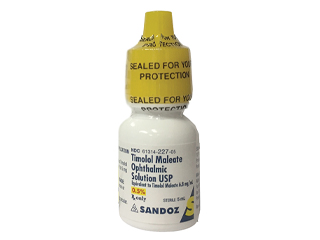
Timoptic is an eye medication. It is supplied in different strengths and presentations depending on the market and manufacturer. Your pharmacy label will list the exact strength (for example, percentage concentration) and whether it is a multi‑dose bottle or other container type.
If you are unsure which version you have (e.g., concentration or device type), check:
- Your pharmacy label
- The outer carton
- The consumer medicine information (CMI) included with your product
How Timoptic Works (Mechanism of Action)
Timolol is a beta‑adrenergic blocker. In the eye, it helps lower IOP primarily by:
- Reducing aqueous humour production (the fluid made inside the eye)
- Possibly contributing to small changes in outflow, depending on individual response
By decreasing fluid build‑up, Timoptic helps protect the optic nerve and supports long‑term management of glaucoma or elevated eye pressure.
Pharmacokinetics (What the Body Does With It)
After applying Timoptic eye drops, timolol can be absorbed through the eye tissues and, to some extent, through the nasal passages when drops drain down the throat. Because of this, small amounts may enter the bloodstream.
Key points (general):
- Local absorption: Timolol reaches the eye to lower pressure.
- Systemic absorption: Some absorption may occur, which is why systemic side effects are possible.
- Metabolism: Timolol is metabolised in the liver.
- Elimination: Metabolites are mainly removed by the kidneys.
Your experience may vary depending on drop technique and whether you use measures such as punctal occlusion (see “Practical use tips”).
Typical Uses in Australia
Timoptic is commonly used to manage conditions where reducing IOP helps prevent damage to the optic nerve.
- Glaucoma (including open‑angle forms as determined by your eye specialist)
- Ocular hypertension (elevated eye pressure without clear glaucoma damage)
- Adjunct therapy when other treatments are not enough or in combination with other eye drops
Your eye doctor may assess your IOP, optic nerve health, visual field testing, and risk factors before starting or adjusting treatment.
When and How to Use Timoptic (Timing and Routine)
The best schedule depends on the specific product strength and your treatment plan. Many people use timolol eye drops once or twice each day, but always follow your label or clinician’s instructions.
Common timing approach
- Choose a consistent time: For example, morning and evening if twice daily is advised.
- Maintain regular spacing: If twice daily, aim for roughly 12 hours apart.
- Don’t “double up”: If you miss a dose, apply it when you remember unless it’s close to the next dose.
If you’re using multiple eye drops, the order and spacing matter (see “Practical use tips” and “Medicine interactions”).
Dosing Information
Dosing varies by patient and the exact product formulation. As a general guide:
- Adults: Commonly one drop in the affected eye(s), once or twice daily.
- Children and adolescents: Use depends on specialist assessment; dosing should be specifically directed.
- Missed dose: Apply as soon as you remember, unless close to the next scheduled dose.
If you have been prescribed combination therapy (e.g., timolol with another agent), follow the exact schedule given.
Contact your pharmacist for clarification if the label frequency does not match the information you’re reading.
Food Interactions
Timoptic is used in the eye, and significant food interactions are not typically expected. Most possible interactions involve other medicines rather than dietary intake.
That said, if you also take oral beta‑blockers or other medicines that affect heart rate or blood pressure, diet and general health factors may influence overall wellbeing. Always discuss concerns with your healthcare professional.
Alcohol and Medicine Interactions
Alcohol
There are no specific alcohol “dose” rules unique to timolol eye drops. However, alcohol can affect blood pressure, dizziness, and sleep. Because timolol may be absorbed systemically in small amounts, heavy or frequent alcohol use could make you feel more light‑headed or tired in some people.
Medicine interactions (including common groups)
Timoptic can interact with medicines that also lower heart rate or affect heart rhythm and blood pressure. Even though the route is topical, systemic absorption can occur.
Tell your pharmacist or doctor if you use:
- Oral beta‑blockers (e.g., for blood pressure, heart conditions)
- Calcium channel blockers (especially those used for heart rate control)
- Other glaucoma eye drops (to coordinate timing and avoid excessive side effects)
- Medicines that affect heart rhythm (anti‑arrhythmics)
- Medicines that can lower blood pressure or cause dizziness
- Medicines for diabetes (beta‑blockers can sometimes mask symptoms of low blood sugar)
- Medicines for asthma/COPD (beta‑blockers can affect breathing in susceptible individuals)
- Other eye drops containing active ingredients that may add irritation or change absorption
Also mention any over‑the‑counter products, herbal supplements, and eye preparations.
Indications (When Timoptic is Used)
Timoptic is indicated for the lowering of elevated intraocular pressure. It is used in glaucoma and ocular hypertension to reduce the risk of optic nerve damage.
Your eye specialist will decide whether Timoptic is suitable based on your eye examination and overall health.
Safety Profile and Side Effects
Like all medicines, Timoptic may cause side effects. Many people tolerate it well, but it’s important to know what to watch for.
Common eye-related effects
- Stinging, burning, or irritation on application
- Dry eyes or a gritty sensation
- Redness
- Blurred vision temporarily after instilling drops
- Watery eyes
Possible systemic effects (from absorption)
- Slow heart rate (bradycardia)
- Low blood pressure or feeling faint
- Fatigue or dizziness
- Headache
- Breathing difficulties in people with asthma or certain lung conditions
Seek urgent medical help if you experience
- Severe breathing trouble or wheezing
- Fainting, chest pain, or marked dizziness
- Sudden severe eye pain or vision changes
- Signs of severe allergic reaction (e.g., swelling of face/lips, widespread rash)
Who should be extra cautious
- People with asthma, chronic obstructive pulmonary disease (COPD), or other bronchospastic conditions
- People with heart block, very slow pulse, or certain rhythm problems
- People with certain circulatory conditions (e.g., severe peripheral circulation issues)
- Those with a history of adverse reactions to beta‑blockers
- People who use contact lenses (see tips below)
If you have any of the conditions above, discuss suitability with your eye doctor or pharmacist before use.
Practical Use Tips (Getting the Best Results)
Step-by-step application
- Wash your hands.
- Shake the bottle only if your product label instructs it to do so.
- Lean your head back and gently pull down the lower eyelid.
- Place one drop into the space between the eyelid and the eye.
- Close your eye gently for 1–2 minutes.
- Do not blink excessively and avoid touching the tip to your eye.
Punctal occlusion (reducing systemic absorption)
To reduce how much medicine drains into the nose (and therefore how much enters the bloodstream), you can:
- After applying the drop, gently press the inner corner of your eye (near the nose) for about 1 minute.
- Keep your eye closed during this time.
Using contact lenses
- If your eyes feel irritated, consider using your drops with guidance from your pharmacist.
- Some timolol products contain preservatives that may affect lenses. Follow the product instructions and your eye care professional’s advice.
- Remove lenses before instilling drops if advised, and wait the recommended time before reinserting.
Eye drop spacing when using more than one medicine
If you use other eye drops (e.g., prostaglandin analogues, lubricants), keep a gap between different products unless instructed otherwise. A common approach is:
- Separate by at least 5–10 minutes between different drops.
- Use gel/ointment products last, as they can delay absorption of drops.
Alternative Options (Other Ways to Lower Eye Pressure)
There are several classes of medicines used to lower IOP. The best option depends on your eye type, response, side effects, and other medical conditions.
Common alternatives
- Prostaglandin analogues (often once daily, may cause eyelash growth or eye redness)
- Carbonic anhydrase inhibitors (eye drops or tablets in selected cases)
- Alpha‑agonists (can cause dry mouth or fatigue in some)
- Cholinergic agents (less commonly used depending on the case)
- Laser or surgical options when medication is not sufficient or not tolerated
Your eye specialist may also recommend switching between different medicines or adding therapies to achieve target IOP.
Market and Legal Context for Australia (What to Expect)
In Australia, medicines are regulated by the Therapeutic Goods Administration (TGA). Timoptic contains a prescription glaucoma medicine active ingredient and availability may vary by product and regulatory category.
If you order online, you should expect pharmacy processes that help ensure:
- Correct product selection (strength and formulation)
- Safety checks (including dose directions and suitability information)
- Compliance with Australian medicine supply requirements
Requirements can change over time, including product availability, documentation, and dispensing procedures. Your pharmacy will guide you through what’s needed for a smooth purchase and delivery.
Recent Guidance and Ongoing Care
Eye pressure management is long-term. Ongoing guidance commonly includes:
- Regular eye reviews: IOP and optic nerve monitoring are essential even if you feel well.
- Adherence: Missing doses can allow pressure to rise.
- Technique matters: Correct drop instillation improves effectiveness and reduces side effects.
- Report side effects: If you notice breathlessness, significant dizziness, or persistent eye irritation, contact your clinician.
Your eye specialist may adjust therapy based on response and tolerance, including switching to a different beta‑blocker or a different class.
Delivery and Availability (Australia)
Online pharmacies in Australia typically supply Timoptic based on product availability and stock levels. Delivery times vary by location and courier service.
Before dispatch, pharmacies may:
- Confirm the correct strength and container type
- Verify that the medicine is appropriate for the intended use
- Check any required documentation for regulated medicines
To avoid delays, ensure you provide accurate details during checkout and keep your contact information up to date. If you have questions about the specific product version, contact the pharmacy before placing your order.
FAQ
1. How quickly does Timoptic start working?
Timolol can begin lowering eye pressure within hours after dosing. However, the full benefit depends on consistent use and individual response. Continue your regular schedule unless your clinician advises otherwise.
2. What should I do if I miss a dose?
Apply the missed dose when you remember unless it is close to the next scheduled dose. Do not apply extra drops to make up for the missed dose. If you’re unsure, ask your pharmacist.
3. Can I use Timoptic with other eye drops?
Often yes, but spacing and the order of drops matter. Keep a gap (commonly 5–10 minutes) between different drops, unless your clinician gave different instructions. Lubricating drops may be used as needed, but ask your pharmacist for a schedule that fits your products.
4. Will Timoptic affect my heart or breathing?
Because some timolol can be absorbed into the bloodstream, rare but important systemic effects can occur—such as slow heart rate or breathing changes. If you have asthma/COPD or heart rhythm problems, discuss suitability before use and seek advice if you develop breathlessness or faintness.
5. Are there any restrictions with driving or operating machinery?
Some people experience temporary blurred vision after applying eye drops. If your vision is blurred, wait until it clears before driving or using machinery.
6. Can I wear contact lenses while using Timoptic?
It depends on the product formulation and your lens type. Some drops contain preservatives that may irritate eyes or interact with contact lenses. Follow the product instructions and ask your pharmacist if you need to remove lenses before dosing and how long to wait afterward.
7. Does Timoptic interact with diabetes medicines?
Beta‑blocker medicines can sometimes mask warning symptoms of low blood sugar (such as tremor). If you have diabetes, monitor your blood glucose closely and discuss any concerns with your healthcare professional.
8. Can I drink alcohol while using Timoptic?
Moderate alcohol use is not usually prohibited, but alcohol may worsen dizziness or fatigue in some people. If you experience light‑headedness, avoid alcohol and seek advice.
9. What if my eyes burn after applying the drops?
Mild stinging or burning can occur, especially at first. If discomfort is persistent or severe, stop and contact your pharmacist or clinician for advice. Incorrect technique or contamination can also contribute.
10. How should I store Timoptic?
Store according to the product label and accompanying consumer medicine information (CMI). Generally, eye drops should be protected from excessive heat and kept in a safe place out of reach of children.
Summary
Timoptic (timolol maleate) is a widely used eye drop for lowering intraocular pressure in glaucoma and ocular hypertension. It works by reducing fluid production in the eye. Most patients use it once or twice daily as directed and experience primarily local eye effects such as mild irritation. Because some absorption may occur, people with asthma or certain heart conditions should use it with careful guidance. Proper drop technique, spacing with other eye medicines, and punctal occlusion can help improve effectiveness and reduce systemic exposure.