Cilostazol (Cilostazol) — Patient Information for Australia
Cilostazol is a medicine used to improve blood flow in certain conditions where circulation is reduced. It belongs to a group of medicines known as phosphodiesterase (PDE) inhibitors and is also an antiplatelet (helps reduce clumping of blood cells). This can help relieve symptoms such as pain or cramping when walking due to narrowed arteries.
This page provides patient-friendly information about what cilostazol is, how it works, how it’s taken, common safety considerations, interactions, and what to expect in everyday use in Australia. Always follow the instructions provided with your medicine and talk to a healthcare professional for advice tailored to you.
Basic product information
- Medicine name: Cilostazol
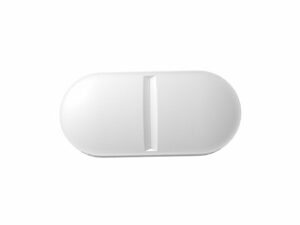
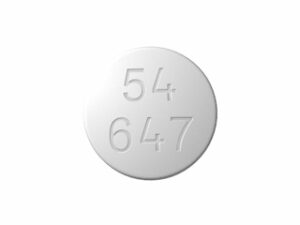
- Common form: Tablets (strength may vary)
- Therapeutic class: Antiplatelet / vasodilator (via PDE inhibition)
- Who may use it: Adults with specific circulation problems (commonly peripheral arterial disease-related symptoms)
- Key benefits: May improve walking distance and reduce symptoms caused by reduced arterial blood flow
How cilostazol works (mechanism of action)
Cilostazol works through multiple actions that together improve blood flow and reduce platelet activity:
- PDE inhibition (phosphodiesterase): Cilostazol inhibits PDE—an enzyme that breaks down cyclic AMP (cAMP). Higher cAMP can relax blood vessels and reduce platelet activation.
- Antiplatelet effect: It helps reduce “stickiness” of platelets, making blood less likely to form clots.
- Vasodilation: It can widen (dilate) blood vessels, supporting improved circulation to the legs and other tissues.
- Improved microcirculation: By affecting blood vessel function and platelet activity, it may improve flow at the small-vessel level.
Together, these effects help relieve symptoms linked to reduced arterial supply—particularly pain or cramping when walking.
Pharmacokinetics (how the body handles cilostazol)
Pharmacokinetics describes absorption, distribution, metabolism, and elimination.
- Absorption: Cilostazol is absorbed after oral administration and reaches effective blood levels to exert its effects.
- Metabolism: It is metabolised mainly in the liver by enzymes (including CYP pathways). Because of this, medicines that affect these enzymes may alter cilostazol levels.
- Half-life: The elimination half-life is generally a few hours; however, clinical dosing is designed to maintain adequate effect.
- Excretion: Metabolites are cleared through the body, including via the kidneys and other pathways.
The exact timing and drug levels can vary between individuals, including based on liver function, kidney function, age, and other medicines. If you have liver or kidney impairment, discuss suitability and monitoring with a healthcare professional.
Typical uses in Australia
Cilostazol is most commonly used for:
- Peripheral arterial disease (PAD) symptoms—particularly intermittent claudication (pain/cramping in the legs during walking that improves with rest).
Cilostazol does not cure the underlying narrowing of arteries, but it can help improve functional capacity and symptom control. It is generally used alongside lifestyle steps and cardiovascular risk management, such as smoking cessation, exercise, and appropriate management of blood pressure, cholesterol, and diabetes.
Indications (when it is appropriate)
Cilostazol is indicated for improving walking distance in people with intermittent claudication due to peripheral arterial disease.
Your healthcare professional will consider whether cilostazol is suitable based on:
- Your symptom pattern and diagnosis
- Your cardiovascular history
- Current medicines (to check for interactions)
- Liver or kidney status
- Any heart rhythm or heart failure history (important for safety)
Dosing and timing
Dosing schedules vary by country and product strength. For patient safety, follow the dose written on your prescription label or directions from your healthcare professional.
General dosing principles:
- Typical schedule: Often taken twice daily (morning and evening), but your prescribed regimen may differ.
- Consistency: Try to take it at similar times each day to maintain steady effect.
- Missed dose: If you miss a dose, take it when you remember unless it’s close to the next dose. Do not take double doses to make up for a missed tablet.
When will you feel the benefit?
Many people notice changes over days to weeks, but improvement in walking distance may take longer. Your healthcare professional may assess response and overall suitability after a period of treatment.
Food interactions (taking with meals)
Cilostazol may be taken with or without food in many cases, but individual product instructions can differ. To reduce stomach upset, some people prefer taking cilostazol with meals.
- General advice: Follow the directions on your medicine label.
- If you experience nausea: Taking it with food may help.
- Be consistent: Try to keep the “with food or without food” routine the same each day.
If you have swallowing difficulties or stomach sensitivity, ask a pharmacist how best to take your particular tablet strength and regimen.
Alcohol and medicine interactions
Alcohol
Moderate alcohol intake is not always directly contraindicated with cilostazol, but alcohol can increase the risk of side effects such as dizziness or bleeding. To stay on the safe side:
- Avoid excessive alcohol.
- If you notice dizziness, flushing, headache, or stomach irritation, limit alcohol and seek advice if symptoms persist.
Important medicine interactions
Cilostazol may interact with other medicines, particularly those affecting liver enzymes or blood clotting. Always provide a complete list of medicines, including over-the-counter products and herbal supplements, to your healthcare professional.
Common interaction categories include:
- Strong CYP inhibitors: Medicines that strongly inhibit CYP enzymes may increase cilostazol levels, raising side-effect risk (for example, some antifungals and certain antivirals).
- CYP inducers: Some medicines can reduce cilostazol levels, possibly reducing benefit.
- Other antiplatelets or anticoagulants: Using cilostazol with other medicines that affect clotting (e.g., aspirin, clopidogrel, warfarin, or direct oral anticoagulants) may increase bleeding risk.
- Blood pressure medicines: Cilostazol can relax blood vessels. If you already take antihypertensives, monitor for dizziness, light-headedness, or low blood pressure symptoms.
- Medicines affecting heart rhythm: Because cilostazol can influence cardiac signalling in some situations, caution may be needed with certain anti-arrhythmia medicines.
Never start or stop medicines (including OTC pain relief) without checking first—especially if you are using aspirin, anticoagulants, or frequent pain medicines.
Safety profile: what to know
Most people tolerate cilostazol reasonably well, but it can cause side effects and has important precautions. If you experience severe or persistent symptoms, contact a healthcare professional promptly.
Common side effects
- Headache
- Dizziness or light-headedness
- Palpitations (awareness of heartbeat)
- Gastrointestinal upset (e.g., nausea or diarrhoea)
- Flushing (warmth/redness of the skin)
Serious side effects (seek medical help urgently)
- Signs of bleeding: unusual bruising, blood in stool or urine, black/tarry stools, vomiting blood, or coughing blood
- Severe allergic reaction: swelling of face/lips, difficulty breathing, or widespread rash
- Chest pain or severe shortness of breath
- Marked worsening of heart-related symptoms
- Severe persistent diarrhoea or dehydration
Key precautions and contraindications
Cilostazol may not be suitable for everyone. A healthcare professional will consider factors such as:
- Heart failure: Cilostazol is generally not recommended in people with certain heart failure conditions. This is an important safety consideration.
- Bleeding risk: Higher risk if you take other medicines that affect blood clotting or if you have a bleeding disorder.
- Liver impairment: Cilostazol is metabolised in the liver; severe liver problems may make it unsuitable or require careful monitoring.
- Kidney impairment: Dose adjustment or caution may be needed depending on severity.
- Low blood pressure: If you already experience dizziness or falls, cilostazol’s vasodilatory effects may increase risk.
Practical use tips
- Track your walking symptoms: Note how far you can walk before pain starts and whether it improves after starting therapy.
- Use an exercise plan: Supervised or structured walking exercise often complements medication for PAD.
- Stand up slowly: If dizziness occurs, rising slowly from sitting or lying can help.
- Stay hydrated: If you get diarrhoea or mild stomach upset, drinking fluids can prevent dehydration.
- Check for bleeding: Watch for unusual bruising or bleeding, especially if you also use aspirin or anticoagulants.
- Report palpitations: If you feel a fast or irregular heartbeat, contact a healthcare professional.
Alternative options (if cilostazol is not suitable)
Treatment for intermittent claudication and PAD usually includes both lifestyle measures and medical therapy to reduce cardiovascular risk. Your healthcare professional may consider alternatives depending on your condition and medical history.
Medication options your healthcare professional may discuss
- Antiplatelet therapy (to reduce cardiovascular events in PAD), such as low-dose aspirin or other antiplatelet agents.
- Statins and lipid-lowering therapy (for cholesterol management and stabilising plaque).
- Blood pressure medicines as needed.
- Diabetes management if applicable.
- Other claudication-focused options: Depending on local availability and individual suitability, some healthcare providers may consider other strategies; medication choice is individualised.
Non-medicine alternatives
- Structured walking program (often most effective alongside risk reduction).
- Smoking cessation (if you smoke).
- Revascularisation procedures (angioplasty or surgery) for selected cases where symptoms are severe or anatomy is suitable.
Don’t stop cilostazol or change your regimen without advice—especially if you are also taking other cardiovascular medicines.
Australia market & legal context (general information)
In Australia, medicines are regulated under the Therapeutic Goods Administration (TGA) framework. Availability and supply depend on whether a medicine is listed or registered, and the medicine’s scheduling status.
Online pharmacies in Australia must comply with regulatory requirements for safe supply, identity checks where applicable, and professional oversight. If a medicine is not appropriate for you, a pharmacist or healthcare professional may advise against supply and recommend a safer alternative or further assessment.
Product availability can vary due to manufacturer supply, packaging updates, and changes in prescribing guidelines. For the most accurate information for current listings and availability, consult the online pharmacy’s product page and your pharmacist.
Recent guidance and monitoring trends (high-level)
Clinical practice for PAD commonly emphasises:
- Risk reduction (heart attack and stroke prevention) with antiplatelet therapy where appropriate.
- Supervised exercise or structured walking programs.
- Careful selection of medications based on contraindications such as certain heart conditions.
- Medication review for interactions and side effect monitoring.
Guidance may evolve as new clinical evidence becomes available. Your healthcare professional can help interpret the most current recommendations for your situation.
Delivery and availability (what you can expect)
Availability of cilostazol tablets depends on supply from Australian wholesalers and manufacturers. Many online pharmacies provide:
- Pharmacy processing and dispensing after your order details are verified.
- Standard and express delivery options (delivery time depends on your location).
- Tracking once your order is dispatched.
- Discreet packaging to protect privacy.
Delivery times can vary during public holidays and periods of high demand. The estimated dispatch and delivery window will be shown at checkout where available.
If you need urgent treatment or have limited supply, contact the pharmacy to confirm stock and expected dispatch times.
Drug information at a glance
| Category | Details |
|---|---|
| Medicine | Cilostazol |
| Common use | Intermittent claudication (PAD-related leg pain with walking) |
| How it works | Inhibits PDE → increases cAMP; reduces platelet activity and supports vasodilation |
| Dosing | Often twice daily; follow label directions |
| Food | May be taken with or without food; take consistently as directed |
| Alcohol | Avoid excessive intake; may increase dizziness and bleeding risk |
| Key cautions | Heart failure in certain cases; liver impairment; bleeding risk with other medicines |
| Common side effects | Headache, dizziness, palpitations, GI upset |
| Seek urgent help | Signs of bleeding, severe allergic reaction, chest pain, severe shortness of breath |
FAQ about Cilostazol
1) What is cilostazol used for?
Cilostazol is used to improve walking distance and symptoms in people with intermittent claudication caused by peripheral arterial disease.
2) How quickly does cilostazol work?
Some people notice symptom changes within days to weeks, but improvement in walking capacity may take longer. Your healthcare professional may assess response over time.
3) Can I take cilostazol with food?
In many cases, it can be taken with or without food. If you experience nausea or stomach upset, taking it with food may help. Follow your product label directions.
4) What should I do if I miss a dose?
Take the missed dose when you remember unless it is close to your next dose. Do not take double doses to compensate.
5) Are there medicines I should avoid with cilostazol?
Cilostazol can interact with other medicines—especially those affecting liver enzyme metabolism (CYP), blood clotting, and heart rhythm. Provide your full list of medicines and supplements to your healthcare professional or pharmacist.
6) Can I drink alcohol while taking cilostazol?
It’s best to avoid excessive alcohol. Alcohol may worsen dizziness and may increase bleeding risk, particularly if you also use other antiplatelet or anticoagulant medicines.
7) What side effects are common?
Common side effects include headache, dizziness, palpitations, flushing, and gastrointestinal upset such as diarrhoea or nausea.
8) When should I seek urgent medical help?
Seek urgent help if you experience signs of serious bleeding, severe allergic reaction, chest pain, severe shortness of breath, or other severe symptoms.
9) Is cilostazol safe for people with heart failure?
Cilostazol is generally not suitable for people with certain heart failure conditions. This is a key safety consideration—discuss your heart history with a healthcare professional before use.
10) What lifestyle changes can improve PAD symptoms?
Many people benefit from structured walking/exercise programs, smoking cessation, and optimising cardiovascular risk factors such as blood pressure, cholesterol, and diabetes control.
Important: This information is general and may not cover every situation. For advice specific to you—especially if you have heart, liver, kidney conditions, or take other medicines—consult a pharmacist or healthcare professional.