
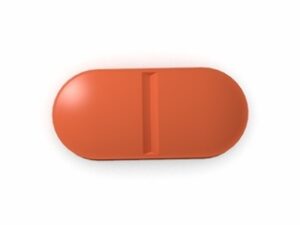
Keftab (Cephalexin) – Patient Information (Australia)
Keftab is a brand of cephalexin, an antibiotic belonging to the cephalosporin (beta‑lactam) group. It is used to treat a range of bacterial infections. This guide is written to help you understand how Keftab works, how to take it safely, and what to expect during treatment.
Important: Always read the consumer medicine information (CMI) supplied with your medicine and follow the advice of your healthcare professional. Antibiotics only work against bacterial infections and should not be used for viral illnesses like colds or flu.
Quick Facts
- Active ingredient: Cephalexin
- Medicine class: Cephalosporin antibiotic (beta‑lactam)
- Common uses: Skin infections, ear/throat infections, urinary tract infections (UTIs), and other susceptible bacterial infections
- How it’s taken: Usually by mouth (tablets/capsules/suspension depending on formulation)
- Typical dosing frequency: Often 6‑hourly or 12‑hourly depending on dose and local prescribing guidance
Basic Product Information
Keftab contains cephalexin. Cephalexin is commonly available in tablet or capsule forms and may also be available as a liquid formulation depending on supply. Exact strengths vary by product presentation; check the pack label for your specific dose.
How it works in the body: Cephalexin fights bacteria by disrupting the formation of the bacterial cell wall. Without a functioning cell wall, bacteria can’t grow or multiply effectively, helping your immune system clear the infection.
Mechanism of Action (How Cephalexin Works)
Cephalexin is a bactericidal antibiotic. It targets penicillin-binding proteins (PBPs) involved in building and repairing bacterial cell walls. When PBPs are inhibited, the bacteria can’t maintain structural integrity, leading to cell death.
Effectiveness depends on the infection being caused by bacteria that are susceptible to cephalexin. If symptoms don’t improve, your clinician may reassess the diagnosis and consider culture testing or an alternative antibiotic.
Pharmacokinetics (How Your Body Handles It)
Pharmacokinetics describes how the medicine is absorbed, distributed, metabolised, and excreted. While individual results can vary, the key points for cephalexin include:
- Absorption: Cephalexin is generally absorbed after oral dosing. Peak blood levels typically occur within a few hours.
- Distribution: It can distribute into body tissues and fluids, including areas relevant to common infections.
- Metabolism: Only a small amount may be metabolised.
- Elimination: Most of the drug is cleared by the kidneys (renal excretion).
- Half-life: The duration of action can depend on kidney function; dosing intervals are designed to maintain effective levels.
If you have kidney impairment, your prescriber may adjust the dose or dosing frequency to reduce the risk of side effects.
Indications (What Keftab Is Used For)
Keftab is indicated for certain bacterial infections. Common examples include:
- Skin and soft tissue infections (e.g., cellulitis, infected wounds)
- Respiratory infections caused by susceptible bacteria (for example, some throat and ear infections)
- Urinary tract infections (UTIs) when caused by susceptible organisms
- Bone and joint infections in selected cases (often in specialist-led care)
- Other infections where cephalexin is considered appropriate based on local guidelines and susceptibility
The right antibiotic depends on the likely bacteria, antibiotic susceptibility, your allergy history, severity of illness, and any previous antibiotic exposure. A clinician may choose cephalexin because it’s suitable for the suspected bacteria and infection site.
Typical Timing & How to Take Keftab
Effective antibiotic treatment requires consistent drug levels. Take Keftab at the times your healthcare professional recommends. If your dosing schedule is unclear, check with your pharmacist.
General dosing schedule principles
- Space doses evenly: If taken 6‑hourly, aim for every 6 hours while awake; if 12‑hourly, aim for every 12 hours.
- Finish the course: Even if you feel better, continue for the full duration prescribed.
- Use the same form: Don’t switch between tablet and suspension unless instructed.
Example timing (illustrative):
- 6‑hourly: e.g., 7:00 am, 1:00 pm, 7:00 pm, 1:00 am
- 12‑hourly: e.g., 7:00 am and 7:00 pm
Your schedule may differ—follow your individual plan.
Food Interactions (Can I Take It With Meals?)
Cephalexin can generally be taken with or without food. Taking it with food may help reduce stomach upset, nausea, or discomfort for some people.
- If your stomach is sensitive: take it with a meal or snack.
- If you forget a dose: take it when you remember unless it’s close to the next dose—do not double up.
Alcohol and Medicine Interactions
For most people, moderate alcohol is unlikely to directly interact with cephalexin in a dangerous way. However, alcohol may:
- Worsen dehydration or stomach irritation
- Make it harder to rest and recover
- Increase the chance of missing doses
Practical recommendation: If possible, limit or avoid alcohol while you’re unwell and taking antibiotics. If you’re concerned about alcohol use or have liver/kidney issues, ask your pharmacist or clinician for tailored advice.
Other medicine interactions to be aware of
Cephalexin has fewer common interactions than some other antibiotics, but interactions can still occur. Tell your healthcare provider about all medicines and supplements you take, especially:
- Probenecid: may reduce renal clearance of cephalexin (possible increase in levels).
- Warfarin (or other anticoagulants): some antibiotics can affect gut bacteria and clotting control; monitoring may be needed.
- Other nephrotoxic medicines: because cephalexin is cleared by the kidneys, your kidney function may matter.
- Oral contraceptives: most evidence suggests cephalexin does not reliably reduce effectiveness, but severe diarrhoea/vomiting can impair absorption—follow medical advice if this happens.
If you are taking multiple medicines, your pharmacist can help check for interactions with your specific regimen.
Dosing (Adult and Paediatric Considerations)
Dose depends on factors including the type and severity of infection, age, kidney function, and local prescribing guidance. Cephalexin dosing is often weight-based in children. Always use the dose specified on your packaging or as instructed by your healthcare professional.
| Patient group | Typical approach | Notes |
|---|---|---|
| Adults | Often prescribed as a fixed dose with regular intervals (commonly 6‑hourly or 12‑hourly depending on strength and infection) | Higher severity or certain sites may require different dosing plans; kidney function may require adjustment. |
| Children | Usually weight‑based dosing | Use the paediatric formulation and measuring device given by the pharmacy for liquids; tablets/capsules depend on age and ability to swallow. |
| Older adults | Dose may be influenced by kidney function | Extra attention to hydration and side effects is important. |
| Renal impairment | May require reduced dose or extended intervals | Follow clinician instructions; do not self-adjust without advice. |
If you miss a dose
- Take it as soon as you remember.
- If it’s close to the next scheduled dose, skip the missed dose.
- Do not double to catch up.
- Contact your pharmacist if you’re unsure.
How to complete your course
For antibiotics, completing the full course helps reduce the risk of the infection returning and helps minimise antibiotic resistance. If you feel much better early, continue anyway unless you’re told to stop.
Safety Profile (Common Side Effects and When to Seek Help)
Most people tolerate cephalexin well, but like all medicines it can cause side effects. Many effects are mild and improve after the first days of treatment.
Common side effects
- Nausea or upset stomach
- Diarrhoea (mild)
- Vomiting
- Headache
- Skin rash (can occur; not always allergy)
- Vaginal thrush (in some people after antibiotic use)
Serious side effects (seek urgent medical help)
Contact emergency services or seek urgent care immediately if you experience:
- Signs of allergy: swelling of face/lips, difficulty breathing, wheezing, severe rash, or hives
- Severe or persistent diarrhoea, especially if watery/bloody, accompanied by fever or abdominal pain (may indicate a serious gut infection)
- Severe blistering or peeling skin
- Yellowing of eyes/skin or dark urine (possible liver-related issues, uncommon)
If you have had a previous allergic reaction to cephalosporins or penicillins, tell your healthcare professional before taking Keftab.
Allergy and antibiotic cross-reactions
Cephalexin is related to penicillin-type antibiotics (both are beta‑lactams), so some people with penicillin allergy may still tolerate cephalexin, while others may be at higher risk of reaction. Your clinician will consider your allergy history.
Practical Use Tips
- Keep a schedule: use a phone alarm or medication reminder to avoid missed doses.
- Stay hydrated: adequate fluid intake supports recovery and kidney clearance.
- Take with food if needed: to reduce stomach upset.
- Complete the course: do not stop early even if you feel better.
- Monitor symptoms: if symptoms worsen after 48–72 hours, or do not improve as expected, seek advice.
- Manage diarrhoea carefully: mild diarrhoea may happen; however, severe diarrhoea needs prompt medical advice.
- Check for rash: mild rash can occur; widespread hives, facial swelling, or breathing problems require urgent help.
When to contact a healthcare professional
- You have kidney disease or reduced kidney function.
- You are pregnant, planning pregnancy, or breastfeeding.
- You have a history of severe allergic reactions.
- Your infection is severe (e.g., high fever, rapidly spreading redness, intense pain).
- Your symptoms do not improve or worsen after a couple of days.
Alternative Options (What Else May Be Used)
The “best” antibiotic depends on the suspected organism, allergy history, local resistance patterns, and infection site. If cephalexin isn’t suitable, a clinician may consider alternatives such as:
- Other beta‑lactams (e.g., amoxicillin/clavulanate) depending on the infection
- Macrolides (e.g., azithromycin) in certain situations
- Clindamycin for selected skin/soft tissue infections
- Nitrofurantoin or trimethoprim‑sulfamethoxazole for some UTIs (based on suitability and resistance)
Don’t switch antibiotics on your own. If cephalexin isn’t working, your clinician may order a test or change therapy. Inappropriate antibiotic choice can increase treatment failure and antibiotic resistance.
Market and Legal Context for Australia
In Australia, medicines are regulated under the Therapeutic Goods Administration (TGA). Antibiotics such as cephalexin are prescription medicines. Online dispensing must comply with Australian pharmacy and medicines laws, including appropriate identification and professional oversight.
Antibiotic use is guided by antimicrobial stewardship principles to help reduce resistance. This includes appropriate selection, correct dosing, and completing the prescribed course where indicated.
Recent guidance and stewardship (general themes)
Across Australia, health authorities continually update resources focused on:
- Right antibiotic, right dose, right duration
- Avoiding antibiotics for conditions likely to be viral
- Reviewing therapy if there is no improvement
- Using culture/susceptibility testing when appropriate
Individual recommendations may vary by infection type and local guidance. If you’re unsure whether cephalexin is appropriate for your condition, speak with your pharmacist or prescriber.
Delivery and Availability (How You May Receive Keftab)
Availability can vary between pharmacies and suppliers. If Keftab is not in stock at the time of ordering, some pharmacies may be able to arrange restocking or alternative options.
When purchasing online in Australia, typical features of home delivery may include:
- Dispatch time: depending on stock and processing requirements
- Delivery regions: often across metropolitan and regional areas
- Tracking: many services provide tracking updates
- Packaging: medicines are usually packed to protect tablets and labels
For the most accurate delivery timeline, check the “Delivery” section on the product page or at checkout. If your medicine is needed urgently, contact customer support so they can advise on options.
Frequently Asked Questions (FAQ)
1) What is Keftab used for?
Keftab (cephalexin) is used to treat certain bacterial infections, such as skin infections, some respiratory infections, and some urinary tract infections, depending on the bacteria involved and clinical assessment.
2) How soon should I feel better?
Many people start to notice improvement within 48–72 hours. If you don’t improve, symptoms worsen, or you develop new concerning signs, contact your healthcare professional promptly.
3) Can I take Keftab with food?
Yes. Cephalexin can usually be taken with or without food. Taking it with meals may reduce stomach upset.
4) What if I forget a dose?
Take it when you remember unless it’s near the time for your next dose. Skip the missed dose if it’s close to the next one. Do not double up. If you’re unsure, ask your pharmacist.
5) Can I drink alcohol while taking Keftab?
There is no common severe interaction for most people, but alcohol can worsen recovery or cause stomach irritation. Limiting or avoiding alcohol during treatment is a sensible choice.
6) Does cephalexin interact with other medicines?
Some medicines may interact, including those affecting kidney clearance or blood thinning (e.g., warfarin). Tell your pharmacist about all medicines and supplements, including any “natural” products.
7) Is there an allergy risk?
Any beta‑lactam antibiotic can cause allergic reactions. Seek urgent help for symptoms such as swelling of face/lips, difficulty breathing, or widespread hives. If you’ve had reactions to penicillins or cephalosporins, tell your healthcare professional before starting.
8) What side effects are common?
Common side effects include nausea, upset stomach, mild diarrhoea, headache, and sometimes rash. If you develop severe diarrhoea or signs of allergy, seek urgent medical care.
9) What should I do if I get severe diarrhoea?
Stop and seek medical advice urgently if diarrhoea is severe, persistent, watery/bloody, or accompanied by fever or significant abdominal pain. This can indicate a serious infection of the bowel that needs prompt treatment.
10) Are there alternatives if I can’t take Keftab?
Yes—alternatives depend on the infection and your personal medical history. A clinician may choose a different antibiotic class or tailored therapy. Do not switch antibiotics without advice.
Disclaimer
This information is for general education and does not replace advice from a healthcare professional. If you have questions about whether Keftab is suitable for you, how it should be taken, or how it may interact with your existing medicines, speak to a pharmacist or clinician.