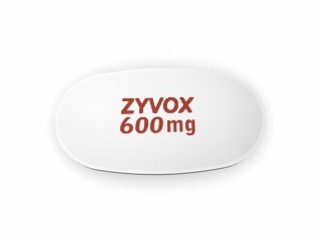
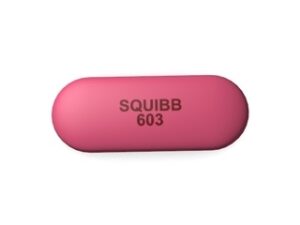

Zyvox (Linezolid) – Patient Information (Australia)
Zyvox is a prescription medicine that contains the antibiotic linezolid. It is used to treat certain serious bacterial infections, particularly when infections are caused by resistant bacteria. This page explains how Zyvox works, how it is used, common safety considerations, and practical tips to help you get the best outcome from treatment.
Always follow your healthcare professional’s instructions. Information below is general and may not apply to every person.
Key Product Information
- Medicine name: Zyvox
- Active ingredient: Linezolid
- Medicinal class: Antibiotic (an oxazolidinone)
- Forms: Tablets and oral suspension (liquid)
- Common dosing frequency: Typically every 12 hours
- Use type: Hospital or specialist-directed therapy for selected infections
How Zyvox Works (Mechanism of Action)
Linezolid works by stopping bacteria from making essential proteins. Specifically, it binds to the 23S component of bacterial ribosomal RNA (part of the 50S ribosomal subunit). This prevents formation of functional proteins needed for bacterial growth and survival.
In many cases, linezolid has a bacteriostatic effect (it inhibits bacterial growth), though in certain conditions it may appear bactericidal against susceptible organisms.
A major reason linezolid is valued is its activity against several Gram-positive bacteria, including strains that may be resistant to other antibiotic classes.
Pharmacokinetics (How Your Body Handles It)
Understanding pharmacokinetics can help explain timing, food effects, and why careful dosing matters. Key points include:
- Absorption: Linezolid is absorbed after oral dosing. The oral and intravenous forms generally achieve similar blood levels.
- Distribution: It distributes to many body tissues, including sites where serious infections may occur.
- Metabolism: Linezolid is partly broken down in the body to metabolites.
- Elimination: Elimination is primarily via the kidneys (urine), including through metabolites.
- Steady blood levels: With regular dosing (often every 12 hours), blood levels typically stabilise over the first few doses.
Your prescriber may adjust dosing frequency or duration based on factors such as age, kidney or liver function, infection severity, and tolerance.
Typical Uses and Indications
Zyvox is used for infections caused by bacteria where linezolid is appropriate. It is most often considered for certain serious Gram-positive infections, including some resistant bacteria.
Common clinical indications may include:
- Pneumonia (including hospital-acquired or ventilator-associated pneumonia, depending on local protocols)
- Skin and soft tissue infections where linezolid is suitable
- Complicated infections caused by susceptible Gram-positive organisms
- Infections due to resistant organisms (for example, certain cases involving vancomycin-resistant or multi-resistant Gram-positive bacteria—depending on culture and sensitivity results)
- Some cases of catheter-related or device-associated infections (where relevant and guided by clinical assessment)
Selection depends on suspected/confirmed organism(s), severity, patient factors, and local antibiotic guidelines.
When to Take It (Timing and Duration)
Zyvox is usually taken with consistent spacing to maintain effective antibiotic levels.
- Typical schedule: Every 12 hours (for example, morning and evening).
- Try to be consistent: Choose times that you can reliably repeat daily.
- Complete the course: Even if you feel better, stopping early can allow the infection to return or worsen.
- Duration may vary: Treatment length depends on the type and severity of infection and your response.
If you miss a dose, take it when you remember if it is not close to the next dose; otherwise skip and continue your regular schedule. Do not double up.
Dosing (General Information)
Dosing depends on the infection being treated, your age, body size, and kidney and liver function. Your healthcare professional will prescribe the most appropriate dose and duration.
In many adult cases, linezolid is often prescribed as 600 mg every 12 hours. In children, dosing may be based on weight.
Important: Only use the strength and schedule given to you. If you are unsure, check the label or ask your pharmacist.
Food Interactions (Can You Take It With Meals?)
Zyvox can generally be taken with or without food. Food does not significantly reduce absorption for most people.
- For convenience: Many people find it easier to take with meals to reduce stomach discomfort.
- Maintain routine: Consistent timing with meals can help adherence.
However, separate attention is needed for interactions involving tyramine-containing foods, described below under alcohol and medicine interactions.
Alcohol and Medicine Interactions
1) Alcohol
There is no single “universal” rule that linezolid and alcohol are always safe together. Because of potential side effects (such as nausea, dizziness, and headache) and the complexity of interactions with other medicines, it is best to discuss alcohol use with your healthcare professional.
- Practical advice: If you choose to drink, keep it minimal and avoid binge drinking.
- Watch your body: Stop alcohol and seek advice if you experience unusual symptoms (e.g., flushing, severe headache, palpitations, or feeling very unwell).
2) Medicines and Supplements to Watch For (Serotonin/Tyramine Risks)
Linezolid can interact with medicines that affect serotonin, and it may also interact with substances that contain tyramine. These interactions can lead to serious reactions, including increased serotonin activity or high blood pressure episodes.
Tell your healthcare professional about all medicines you take, including over-the-counter products and herbal supplements.
Examples of medicines that may interact include:
- Antidepressants: especially those that increase serotonin (including SSRIs, SNRIs, tricyclic antidepressants, and MAOI-type antidepressants)
- Some migraine medicines: particularly triptans
- Some opioids and cough medicines: where serotonin effects are possible (for example, medicines containing dextromethorphan)
- Stimulants: used for attention disorders or weight loss
- Herbal supplements: such as St John’s wort
Your clinician will screen for these interactions and may adjust or pause certain medicines.
3) Food and Tyramine Considerations
With linezolid, strict tyramine restriction is not always required in the same way as older MAOI antibiotics, but precautions are still important. Tyramine-rich foods may trigger symptoms similar to “MAOI-like” reactions in some people.
- Avoid or limit: very aged, fermented, or improperly stored foods, and any known personal triggers.
- Be careful with: large amounts of aged cheese, cured meats, fermented products, and alcoholic beverages that have high fermentation/aging (for example, some draft beers or specialty fermented drinks).
- When in doubt: ask your pharmacist or prescriber what is appropriate for your situation.
Urgent symptoms to seek help for include sudden severe headache, flushing, chest pain, rapid heartbeat, or a marked rise in blood pressure.
Safety Profile: What to Know Before and During Treatment
Zyvox can be effective, but like all medicines it has potential side effects. Some risks are more likely with longer treatment durations (commonly beyond two weeks). Your healthcare team may monitor you during therapy.
Common side effects
- Nausea or vomiting
- Diarrhoea
- Headache
- Dizziness
- Skin rash
- Changes in blood counts (sometimes detected on blood tests)
Important risks (call for medical advice promptly)
- Low blood counts (myelosuppression): Linezolid can reduce blood cell levels (including platelets), particularly with longer courses. This may increase risk of bruising, bleeding, or infections. Monitoring is often recommended.
- Peripheral neuropathy and optic nerve effects: With extended use, some people experience nerve-related symptoms (such as tingling, numbness, pain) or vision changes. Any visual disturbance should be assessed quickly.
- Lactic acidosis (rare): Symptoms such as unexplained deep or rapid breathing, persistent nausea/vomiting, weakness, or severe fatigue may require urgent assessment.
- Severe diarrhoea: New/worsening watery diarrhoea, fever, or abdominal pain can indicate a serious intestinal condition and should be reported promptly.
- Serotonin-related symptoms: Especially if certain interacting medicines are taken. Seek urgent help for agitation, confusion, fever, sweating, tremor, or diarrhoea with rapid heartbeat.
- Allergic reactions: Seek immediate help for swelling of the face/lips, difficulty breathing, or widespread hives.
Who may need extra monitoring?
- People on prolonged treatment courses
- Older adults
- People with kidney or liver impairment
- People taking multiple medicines that can interact
- People with pre-existing blood disorders or vision/neurologic issues
Practical Use Tips (How to Make Treatment Easier)
- Follow the schedule: Use alarms or a medication organiser to avoid missed doses.
- Hydration helps: Drink fluids as advised; it can help with general tolerability, especially if nausea occurs.
- Track symptoms: Keep note of any new diarrhoea, rash, numbness/tingling, or vision changes.
- Blood tests may be arranged: If your course is longer, monitoring of blood counts (and possibly other parameters) is commonly used to reduce risk.
- Report interacting medicines early: Include vitamins, herbal supplements, and over-the-counter cold/flu products.
- Do not stop abruptly without advice: Stopping early may affect infection control.
Alternative Antibiotic Options (Discuss With Your Clinician)
Alternative treatments depend entirely on the infection type and the specific bacteria involved, plus local resistance patterns and individual factors. Your healthcare professional may consider:
- Other antibiotics active against Gram-positive organisms: choices may include agents such as vancomycin, daptomycin, or beta-lactam options if appropriate and effective.
- Community-acquired versus hospital-acquired choices: selection differs based on likely pathogens.
- Culture-guided therapy: once lab results are available, antibiotics may be adjusted.
Ask your clinician why Zyvox was chosen for your particular situation—often it relates to bacterial resistance and infection severity.
Market and Legal Context in Australia (Availability Information)
In Australia, Zyvox (linezolid) is available through regulated pharmaceutical supply channels and is typically used under clinical guidance for appropriate infections. As with many antibiotics, use is intended to be targeted and evidence-based to help reduce antibiotic resistance.
Supply may vary between wholesalers and dispensing partners. Your online pharmacy may offer guidance on order processing times, stock availability, and delivery options.
Important note: Because linezolid is an antibiotic with safety considerations, it is expected to be supplied responsibly in line with Australian medicines regulations and prescribing practices.
Recent Guidance and Stewardship Considerations
Antibiotic recommendations evolve as new resistance patterns and safety information emerge. In Australia, clinicians commonly follow guidance from:
- National antimicrobial stewardship principles (to use antibiotics appropriately and for the right duration)
- Local hospital or state formularies (protocols for specific infections)
- Infectious diseases and microbiology advice (especially for resistant organisms)
If your course is planned for longer than about 14 days, your team may consider additional monitoring due to known risks with prolonged linezolid use.
Delivery and Availability (Online Pharmacy)
Availability depends on stock levels and supply timing. When you place an order, processing time typically includes:
- Verification of order details
- Dispatch from the pharmacy or supplier
- Delivery by the selected courier service
Shipping times vary by location in Australia. Many services use trackable delivery so you can monitor progress.
If your medication is time-sensitive (for example, if you are starting treatment immediately), contact customer support before ordering to confirm expected delivery dates.
FAQ (Frequently Asked Questions)
1) What is Zyvox used for?
Zyvox (linezolid) is an antibiotic used for certain serious infections, particularly those caused by susceptible Gram-positive bacteria, including some resistant strains. The exact indication depends on your diagnosis and test results.
2) Can I take Zyvox with food?
Generally, yes. Zyvox can usually be taken with or without food. Taking it with food may help if you experience nausea.
3) How long does treatment usually take?
The duration depends on the infection and your response. Some courses are shorter; others may extend longer in serious infections. Longer courses may require extra monitoring.
4) What should I do if I miss a dose?
If you remember soon, take the missed dose. If it is almost time for the next dose, skip it. Do not take a double dose to make up for a missed one.
5) What are the most important drug interactions?
Zyvox can interact with medicines that affect serotonin and with medicines/supplements that can raise tyramine-related risks. Always tell your pharmacist or prescriber about all medicines, herbal products, and supplements you take—especially antidepressants and migraine medicines.
6) Can I drink alcohol while taking Zyvox?
Alcohol is not usually recommended because it can worsen side effects and may increase risk depending on other medicines you take. If you choose to drink, keep it minimal and seek advice if you have concerns.
7) What side effects should make me contact a doctor urgently?
Seek urgent medical advice for severe diarrhoea, signs of allergy (swelling or difficulty breathing), vision changes, numbness or tingling, severe or persistent headache with other symptoms, or symptoms suggestive of serotonin-related reactions (such as agitation, fever, tremor, confusion, or severe palpitations).
8) Do I need blood tests during treatment?
If your treatment is expected to last more than about 14 days, monitoring blood counts is often considered due to the risk of myelosuppression. Your clinician will decide what monitoring is appropriate.
9) Are there alternatives if Zyvox isn’t suitable?
Yes. Alternative antibiotics may be considered depending on the infection and bacterial susceptibility. Your healthcare professional can advise on the best option for your specific case.
10) How should I store Zyvox?
Store tablets or oral suspension as directed on the packaging. Keep medicines out of reach of children and avoid storing in extreme heat or direct sunlight.
Summary
Zyvox (linezolid) is an antibiotic used for specific serious bacterial infections, especially involving resistant Gram-positive organisms. It works by interfering with bacterial protein production. Most people tolerate it reasonably well, but safety considerations include potential blood count changes, nerve and vision effects with longer use, and important interactions involving serotonin and certain food/medicine factors.
If you have any questions about your dose, side effects, or medication interactions, speak with your pharmacist or healthcare professional promptly.
Disclaimer: This information is intended for general education and does not replace individual medical advice. If symptoms worsen or you experience severe side effects, seek medical attention immediately.