

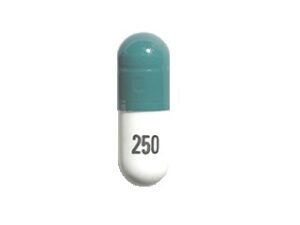

Sumycin (Tetracycline) — Patient Guide (Australia)
Sumycin is a brand of tetracycline, an antibiotic used to treat certain bacterial infections. This guide explains how Sumycin works, how it is used, what to expect, and important safety information to help you use the medicine confidently.
Important: Always follow the instructions provided with your medicine and any advice from a healthcare professional. Antibiotics are only suitable for infections caused by susceptible bacteria.
1. Basic product information
- Medicine name: Sumycin
- Active ingredient: Tetracycline
- Medicine class: Antibiotic (tetracycline class)
- Available forms: Typically tablets/capsules and sometimes oral formulations, depending on local supply
- How it is taken: By mouth
- Common uses: Selected bacterial infections (see “Typical use” and “Indications” below)
Brand availability can vary by supplier and time. If you don’t see your preferred strength or form, contact us or check with your clinician about suitable alternatives.
2. How Sumycin works (mechanism of action)
Tetracycline works by interfering with how bacteria make proteins. Specifically:
- It binds to the bacterial ribosome (the cell’s protein-building machinery).
- This prevents the bacteria from adding amino acids to growing proteins.
- As a result, the bacteria cannot multiply effectively and the infection improves.
Key point: Tetracyclines are generally bacteriostatic (they slow bacterial growth). The best effect is usually seen when the medicine is taken consistently for the full course.
3. Pharmacokinetics (how the body handles the medicine)
Understanding pharmacokinetics can help you take tetracycline at the right times and avoid absorption problems.
Absorption
- After oral dosing, tetracycline is absorbed from the gastrointestinal tract but absorption can be reduced by certain foods and minerals.
- Calcium, magnesium, aluminium, iron, and some dairy products can bind tetracycline and reduce how much reaches the bloodstream.
Distribution
- Tetracycline spreads into many tissues.
- It may accumulate in tissues where calcium is deposited, which is why it is not recommended for certain age groups (see “Safety profile”).
Metabolism and elimination
- Tetracycline is primarily eliminated through the kidneys.
- In people with reduced kidney function, levels may rise and side effects become more likely—dose adjustment may be needed by a clinician.
4. Typical use and timing
Sumycin is used for infections caused by bacteria that are susceptible to tetracycline. It may also be used in specific situations based on local guidelines and clinical judgement.
When to take it
Follow your dosing schedule. Many regimens are taken in divided doses to keep drug levels steady.
Common timing tips:
- Take your dose with a full glass of water.
- Stay upright for at least 30 minutes after swallowing to reduce the risk of throat or stomach irritation.
- Try to take doses at consistent times each day.
Missed dose: Take it as soon as you remember on the same day. If it’s close to your next dose, skip the missed dose and continue your regular schedule. Do not take two doses together unless instructed.
5. Food interactions and absorption
Food and supplements can significantly affect tetracycline absorption.
What to avoid around doses
- Dairy products (milk, yoghurt, cheese) and calcium-fortified drinks may reduce absorption.
- Iron supplements and antacids containing aluminium, magnesium, or calcium can interfere.
- Mineral supplements (including zinc, magnesium, and calcium) may reduce effectiveness.
- Oral multivitamins often contain minerals that can bind tetracycline.
Practical timing guideline
- Where possible, take tetracycline at least 2 hours before or 4–6 hours after products that contain calcium, iron, magnesium, aluminium, or dairy.
- If your diet is high in dairy or mineral supplements are unavoidable, ask your pharmacist for a personalised schedule.
Food itself: Taking tetracycline with food may reduce stomach upset for some people, but it may also affect absorption. If your clinician/pharmacist advised “with food” for tolerability, follow that instruction.
6. Alcohol and medicine interactions
Alcohol
For many antibiotics, moderate alcohol use may be tolerated; however, alcohol can worsen side effects such as nausea, stomach upset, headache, and can impair recovery.
- Best approach: Consider avoiding alcohol while taking Sumycin and for a short period after, especially if you experience side effects.
- If you choose to drink, keep it moderate and stop if you feel unwell.
Medication interactions
Tell your pharmacist or doctor about all medicines and supplements you use, including over-the-counter products.
Common interaction considerations:
- Antacids and mineral supplements (calcium, iron, magnesium, aluminium) may reduce absorption.
- Warfarin (and other blood thinners): antibiotics may alter gut bacteria and affect bleeding risk—monitoring may be needed.
- Oral contraceptives: some antibiotics may reduce effectiveness in certain circumstances (e.g., if diarrhoea occurs). Use backup contraception if advised.
- Retinoids (e.g., isotretinoin, acitretin): combining with tetracyclines may increase risk of certain rare side effects related to pressure in the brain.
- Other antibiotics: combination therapy decisions depend on the infection and bacteria involved.
Important: The interaction profile can vary by product and your health conditions. Always check for your specific medicines and dosages.
7. Indications (what it is used for)
Sumycin/tetracycline can be used to treat infections caused by susceptible organisms. Indications vary by country, product formulation, and current clinical guidance.
In Australia, tetracyclines are typically considered for specific infections where tetracycline-class antibiotics are appropriate, for example:
- Certain skin and soft tissue infections
- Respiratory tract infections caused by susceptible bacteria
- Some sexually transmitted infections (where appropriate to guidelines and organism susceptibility)
- Some other bacterial infections where a tetracycline is the suitable choice
Your healthcare provider will select the antibiotic based on the likely bacteria, severity of illness, allergies, pregnancy/breastfeeding status, and local resistance patterns.
8. Dosing overview (how much and how often)
Dosing depends on the specific infection, age, kidney function, and your clinical situation. Follow the dosing instructions provided with your product or from your healthcare professional.
General tetracycline dosing principles
- Typical adult regimens are often divided into multiple daily doses.
- Courses commonly require taking the medicine for a full duration to prevent relapse.
- Renal impairment may require dose adjustments.
What to check on your label
| Label item | Why it matters |
|---|---|
| Strength per tablet/capsule | Determines your total daily dose |
| Dose schedule (e.g., twice or four times daily) | Helps maintain effective levels and improves outcomes |
| Treatment duration | Completing the course reduces risk of return of infection |
| Any special instructions (with/without food) | Helps absorption and reduces side effects |
If you are unsure about dosing or how to split tablets/capsules, ask your pharmacist before taking them.
9. Safety profile (side effects and when to get help)
Like all medicines, tetracycline can cause side effects. Many people tolerate it well, but you should be aware of both common and serious effects.
Common side effects
- Nausea
- Diarrhoea or stomach discomfort
- Heartburn or irritation of the upper gastrointestinal tract
- Headache
Less common but important effects
- Yeast or fungal overgrowth (e.g., oral thrush or vaginal thrush)
- Sun sensitivity (increased risk of sunburn)
- Skin reactions (rash)
Serious warning signs — seek urgent medical advice
- Severe or persistent diarrhoea, especially watery or bloody stools
- Signs of severe allergic reaction: swelling of the face/lips, difficulty breathing, widespread hives
- Severe blistering rash or peeling skin
- Severe headache, vision changes, or symptoms of increased pressure in the brain
- Yellowing of the skin/eyes or dark urine (possible liver issues)
Who should avoid or use with extra caution
- Pregnancy: tetracyclines are generally avoided because they can affect foetal bone and teeth development.
- Breastfeeding: discuss with a healthcare professional before use.
- Children: tetracycline is generally not recommended for children below a certain age due to effects on teeth/bone.
- Severe kidney or liver disease: may require careful monitoring or alternative treatment.
- History of drug allergies to tetracyclines or related antibiotics.
Sun protection is important: Use sunscreen and protective clothing, and avoid prolonged sun exposure while taking tetracycline.
10. Practical use tips (to get the best results)
- Take with plenty of water to reduce irritation.
- Don’t lie down immediately after taking a dose (aim to stay upright for 30 minutes).
- Separate from minerals: keep a gap from dairy, antacids, and iron/calcium/magnesium supplements.
- Complete the course even if you feel better.
- Stay hydrated—helps with general tolerance and supports recovery.
- Monitor side effects and seek advice if symptoms are severe or worsening.
When you should expect improvement: many bacterial infections start improving within 48–72 hours after starting appropriate antibiotics, but this depends on the infection type and severity. If there is no improvement or symptoms worsen, contact your clinician.
11. Alternative options
If tetracycline is not suitable, alternatives may include other antibiotics (depending on the infection) and sometimes non-antibiotic treatments in selected conditions.
Antibiotic alternatives
- Other antibiotics may be chosen based on the bacteria involved and local resistance patterns.
- In the tetracycline family, doxycycline or minocycline are often used in certain conditions due to different dosing schedules and tolerability—however suitability depends on the specific case.
When alternatives matter
- Allergy or intolerance to tetracyclines
- Concerns about pregnancy/breastfeeding or age-related restrictions
- Drug interactions or absorption issues
- Infection not responding to initial therapy
Discuss options with a pharmacist or clinician, especially if you have had side effects previously or have complex medication lists.
12. Market and legal context for Australia
In Australia, antibiotic medicines are regulated to support responsible use and to help reduce antimicrobial resistance. Availability may differ across brands and supply chains.
Important notes:
- Antibiotics are subject to Australian medicines regulations and prescribing/dispensing rules.
- Healthcare professionals help ensure the antibiotic is appropriate for the likely infection and matches current guidance.
- Using antibiotics incorrectly (e.g., for viral illnesses) can increase resistance and delay recovery.
Local clinical guidance and susceptibility testing may influence whether tetracycline is the preferred choice for a given infection.
13. Recent guidance and antimicrobial resistance considerations
Guidance worldwide, including in Australia, increasingly emphasises:
- Antibiotic stewardship — using the narrowest effective agent for the shortest effective time.
- Confirming the need for antibiotics — especially when symptoms could be viral.
- Monitoring for resistance — tetracycline resistance can occur in some regions and organisms.
For the best outcomes, clinicians may consider cultures or local resistance patterns when selecting therapy. If treatment fails, they may adjust antibiotics based on response or testing.
14. Delivery, availability, and packaging
Availability of Sumycin (tetracycline) can vary depending on supplier stock levels. When it is available, online pharmacies may provide delivery to eligible locations across Australia.
What to expect when ordering
- Product verification: medications are typically packed with clear labels showing strength and batch information.
- Discrete packaging: shipments are commonly sent in secure, plain outer packaging.
- Delivery timeframes: depend on location and carrier services; estimated times are usually shown at checkout.
Storage: store your medicine according to the label (commonly at room temperature, away from moisture and direct sunlight). Keep it out of reach of children.
15. FAQ
Can I take Sumycin with milk or yoghurt?
It’s usually best to avoid dairy around tetracycline doses because calcium can reduce absorption. Aim for separation as advised by your pharmacist (often at least 2 hours before or 4–6 hours after dairy).
What if I miss a dose?
Take it when you remember if it’s still on the same day and not near your next dose. If the next dose is close, skip the missed dose and continue. Don’t double up.
How long until I feel better?
Many people notice improvement within 48–72 hours, but it depends on the infection. If there is no improvement or symptoms worsen, contact your healthcare professional.
Is Sumycin safe in pregnancy or breastfeeding?
Tetracycline is generally avoided in pregnancy due to potential effects on the baby’s developing bones/teeth. Breastfeeding advice should be individualised. Discuss with a healthcare professional for your situation.
Can I take it with antacids?
Antacids that contain aluminium, magnesium, calcium, or similar minerals can reduce absorption. Separate doses by several hours—ask your pharmacist for the safest timing.
Does alcohol interfere with tetracycline?
Moderate alcohol may not directly “cancel” tetracycline, but alcohol can increase side effects and hinder recovery. Consider avoiding alcohol during treatment, especially if you feel unwell.
Should I avoid sun exposure?
Yes. Tetracyclines can make your skin more sensitive to sunlight. Use SPF sunscreen, protective clothing, and limit prolonged sun exposure.
What side effects are most concerning?
Seek urgent help for signs of a severe allergy (swelling, difficulty breathing), severe blistering rash, severe or bloody diarrhoea, or symptoms of serious illness such as yellowing of the skin/eyes.
Are there alternatives if tetracycline doesn’t suit me?
Yes. Other antibiotics or different tetracycline-class options may be considered depending on the infection and your medical history. Your pharmacist/clinician can guide you.
Need help choosing the right use for you? If you have questions about timing with food, supplement spacing, or interactions with your current medicines, speak with a pharmacist before starting Sumycin.