
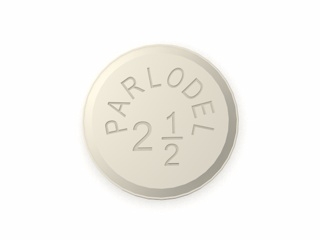


Parlodel® (Bromocriptine) – Patient Information (Australia)
Parlodel® is a brand of bromocriptine, a medicine used for a range of hormone-related conditions and certain neurological problems. This page explains what Parlodel is, how it works, how it is typically used, and important safety information to help you use your medicine more confidently.
Note: Everyone’s needs are different. Always follow the directions provided with your medicine and speak with a qualified health professional if you have questions.
1. Basic product information
- Medicine name: Parlodel®
- Active ingredient: Bromocriptine
- Type: Dopamine receptor agonist (ergot-derived)
- Common strengths: Varies by product presentation
- Medicines category: Hormonal/endocrine and neurological medicines
Parlodel contains bromocriptine, which mimics dopamine activity in the brain and affects hormone release (particularly prolactin).
2. How Parlodel works (Mechanism of action)
Bromocriptine belongs to a class of medicines called dopamine receptor agonists. In simple terms, it “activates” dopamine receptors, leading to multiple effects depending on the condition being treated.
- Reduces prolactin: Dopamine normally inhibits prolactin release from the pituitary gland. Bromocriptine strengthens this effect, which lowers elevated prolactin levels.
- Helps in hormone-related conditions: Lowering prolactin can help restore reproductive and menstrual function and reduce symptoms caused by high prolactin.
- Neurological effects: In Parkinson’s disease, dopamine pathways influence movement and coordination. Bromocriptine can improve motor symptoms by stimulating dopamine receptors.
3. Pharmacokinetics (How the body handles bromocriptine)
Pharmacokinetics describes how the body absorbs, distributes, metabolises, and eliminates a medicine.
- Absorption: Bromocriptine is absorbed after oral dosing. Effects may begin within hours, but full benefit—especially for prolactin-related symptoms—can take longer.
- Distribution: It is distributed throughout the body, including the brain, reflecting its central dopamine activity.
- Metabolism: Bromocriptine is primarily metabolised in the liver.
- Elimination: Metabolites are cleared mainly through bile/faeces pathways.
Practical takeaway: Because bromocriptine is processed by the liver and interacts with neurotransmitter pathways, dose adjustments, monitoring, and attention to drug interactions are important—especially when starting treatment.
4. Typical uses (Indications)
Parlodel is used for several medical conditions, commonly including:
- Hyperprolactinaemia: Elevated prolactin levels caused by disorders such as pituitary adenomas (prolactinomas).
- Prolactin-related reproductive and menstrual problems: Examples include irregular or absent periods, and issues related to fertility due to high prolactin.
- Galactorrhoea: Unwanted milk discharge not related to normal breastfeeding.
- Parkinson’s disease: To manage symptoms by improving dopamine receptor signalling (often as part of combination therapy).
- Other specialist indications: Certain cases may be managed by specialist teams based on diagnosis and treatment plan.
Important: Your prescribing clinician will confirm the specific diagnosis and treatment goal (e.g., lowering prolactin vs. improving Parkinson’s symptoms).
5. Timing and how to take Parlodel
Parlodel is usually taken in doses spread through the day. Timing can influence how well you tolerate the medicine—particularly early in treatment.
- Starting phase: Dose may be increased gradually to reduce side effects.
- With food vs without food: Some people find GI side effects easier to manage when taking with food (details below).
- Consistency: Take at similar times each day to help maintain stable medicine levels.
If you miss a dose: Take it when you remember unless it is close to the time of the next dose. Do not double up. If you are unsure, check the Consumer Medicine Information (CMI) or contact a pharmacist.
6. Food interactions and dietary considerations
Food can affect how your body absorbs some medicines. For bromocriptine:
- General guidance: Many people tolerate bromocriptine better when taken with food or after meals if nausea occurs.
- Meal timing: If you experience nausea, try taking doses with or shortly after food.
Avoid sudden changes: Keep your eating pattern consistent while you start or adjust the dose, especially if you notice changes in side effects.
7. Alcohol interactions
Alcohol may worsen certain side effects of Parlodel, such as:
- Dizziness or light-headedness
- Sleepiness
- Low blood pressure symptoms
Recommendation: Limit alcohol or avoid it, particularly when starting bromocriptine, increasing your dose, or if you notice sedation or dizziness.
8. Interactions with other medicines
Bromocriptine can interact with other medicines, sometimes by changing how bromocriptine is metabolised or by increasing side effects.
Medications and substances that may be relevant
- Medicines that affect dopamine: Other dopamine agonists or dopamine antagonists can alter bromocriptine’s effect.
- Antihypertensives (blood pressure medicines): Bromocriptine may cause low blood pressure in some people; combining therapies can increase that risk.
- Some antidepressants and antipsychotics: Certain drugs may influence dopamine signalling and may reduce bromocriptine effectiveness or increase side effects.
- Strong CYP3A4 inhibitors/inducers: Bromocriptine is metabolised in the liver; medicines that affect liver enzymes may change bromocriptine levels.
- Ergot-related medicines: Because bromocriptine is an ergoline derivative, combining with other ergots should be managed carefully by clinicians.
Practical advice
- Keep a list of all your medicines, including herbal products and over-the-counter items.
- Tell your pharmacist about any recent medication changes.
- Ask if your current medicines increase risks such as dizziness, sleepiness, or unusual behaviour changes.
9. Dosing overview (how bromocriptine is typically prescribed)
Dosing varies by condition, age, and tolerance. Many regimens use a gradual dose increase to improve tolerability.
Important: The information below is a general overview. Your personal dose may differ.
- Hyperprolactinaemia / prolactin-related conditions: Often started at a lower dose and increased until prolactin levels and symptoms are controlled.
- Parkinson’s disease: Dose is adjusted based on symptom response and side effects, and may be used alongside other Parkinson medicines.
Administration tips:
- Take doses at the same time(s) each day.
- If you experience nausea, discuss whether dose timing with food could help.
- Do not change your dose without guidance.
10. Safety profile and important precautions
Most people tolerate Parlodel appropriately when started carefully and monitored. However, it is important to be aware of potential side effects and warning signs.
Common side effects
- Nausea and indigestion
- Dizziness or light-headedness
- Headache
- Fatigue or sleepiness
- Low blood pressure (particularly after starting or dose increases)
Serious or urgent risks (seek medical advice promptly)
If you experience any of the following, contact a health professional urgently:
- Fainting, severe dizziness, or signs of shock
- Chest pain, severe shortness of breath, or symptoms that could suggest a cardiovascular issue
- Severe headache or visual changes
- Uncontrolled movements, hallucinations, or significant confusion
- Allergic reaction (swelling of face/lips, trouble breathing, widespread rash)
Special caution areas
- Blood pressure changes: Stand up slowly, particularly in the first days of treatment or after dose changes.
- Sleepiness and sudden sleep episodes: Some people may become unusually drowsy. Avoid driving or operating machinery if you feel sleepy.
- Impulse control and behavioural changes: Report any new or increasing urges to gamble, shop, binge eat, or engage in risky behaviours to your clinician promptly.
- Psychiatric symptoms: Mood changes, unusual thoughts, or agitation should be discussed.
11. Practical use tips (patient-friendly guidance)
- Start low, go slow: If you are newly starting, the gradual increase strategy is designed to reduce side effects.
- Monitor dizziness: If you feel light-headed, sit or lie down until it passes.
- Take with food if needed: Nausea is a common early issue; taking with meals may help.
- Keep track of symptoms: For prolactin-related conditions, record menstrual changes, milk discharge, headaches, or vision symptoms.
- Follow up regularly: Blood tests (e.g., prolactin levels) and, in some cases, imaging may be used to assess response.
- Do not skip monitoring: If you have pituitary-related disease, symptoms such as persistent headaches or vision changes should be assessed.
12. Alternative options
The best alternative depends on the condition being treated. Examples include:
- Other dopamine agonists: For prolactin-related conditions, other medicines in the same general category may be considered by clinicians.
- Non-dopamine options: In some cases, other treatments may be used depending on diagnosis and severity.
- Parkinson’s disease therapies: Multiple medication classes exist (e.g., levodopa-based regimens, other adjunct therapies). Choice depends on disease stage and symptom profile.
- Surgery or radiotherapy (special cases): For selected pituitary tumours or refractory disease, specialist teams may consider procedural options.
If you are considering switching, discuss benefits, side effects, and monitoring requirements with your pharmacist or clinician.
13. Parlodel in the Australian market and legal context
Parlodel (bromocriptine) is an established medicine used in Australia for appropriate medical conditions. Availability may vary by strength and product supply. In Australia, medicines are supplied according to the Therapeutic Goods Administration (TGA) framework, and distribution is governed by Australian pharmacy regulations.
Supply and authenticity: Buying from a reputable source helps ensure product integrity, correct labelling, and appropriate storage conditions. If you receive a medicine that looks different from usual packaging or tablets/capsules differ in appearance, do not use it—contact the dispensing pharmacy.
Recent guidance: Treatment recommendations can evolve with new safety data and clinical updates. Always rely on the most current Consumer Medicine Information and advice from your healthcare professional.
14. Recent guidance and monitoring considerations (Australia-focused)
While specific guidance can vary by indication and individual risk factors, current practice generally includes:
- Careful initiation: Dose titration aimed at improving tolerability.
- Monitoring response: Prolactin levels for hyperprolactinaemia and symptom tracking for Parkinson’s disease.
- Safety awareness: Increased attention to sleepiness, impulse control behaviour changes, and cardiovascular effects (such as postural hypotension).
- Reviewing medicines: Regular medication reviews to identify interactions, especially with blood pressure agents, psychiatric medicines, and drugs affecting liver metabolism.
When to seek help: Do not wait for routine review if you develop serious symptoms or significant behavioural changes.
15. Delivery and availability (online pharmacy)
Availability of Parlodel may depend on stock levels and tablet strength. When ordering online in Australia, reputable pharmacies typically provide:
- Secure packaging to protect tablets during transit
- Tracking for delivery status where available
- Clear labelling including dosing instructions and expiry information
Delivery considerations: Medicines should be stored at controlled temperatures according to the label. Avoid leaving parcels in extreme heat or cold where possible.
16. FAQ
Is Parlodel the same as bromocriptine?
Yes. Parlodel® is a brand name that contains bromocriptine.
What is Parlodel used for?
Parlodel is used for conditions involving high prolactin (such as hyperprolactinaemia and prolactinomas) and for Parkinson’s disease symptoms, among other specialist uses.
When will I notice improvement?
Some effects may be noticed within days, but for prolactin-related conditions, symptom improvement can take longer. Your clinician may check response using blood tests and symptom review.
Can I take Parlodel with food?
Many people tolerate bromocriptine better when taken with or after meals, especially if they experience nausea. Follow the directions provided with your medicine.
Does alcohol affect Parlodel?
Alcohol may worsen dizziness and sleepiness and could make side effects more difficult to manage. It’s best to limit or avoid alcohol, particularly when starting or adjusting your dose.
What should I avoid while taking Parlodel?
Avoid activities like driving or operating machinery if you feel drowsy or dizzy. Also be cautious with other medicines that may interact—always check with a pharmacist when starting new treatments.
What if I miss a dose?
Take it when you remember unless it is close to the next dose. Do not double doses. If you’re unsure, consult your CMI or a pharmacist.
Are there warning signs I should watch for?
Seek urgent medical advice for severe dizziness/fainting, chest pain, trouble breathing, severe headache, visual changes, confusion/hallucinations, or signs of an allergic reaction.
Are there alternatives if Parlodel doesn’t suit me?
Depending on your condition, alternatives may include other dopamine agonists or different treatment approaches. A clinician can recommend the most suitable option based on your medical history and monitoring needs.
How should Parlodel be stored?
Store according to the label instructions (commonly at room temperature, away from moisture and direct sunlight). Keep out of reach of children.
17. Summary table (quick reference)
| Topic | Key points |
|---|---|
| Active ingredient | Bromocriptine (Parlodel®) |
| How it works | Acts as a dopamine receptor agonist; lowers prolactin and supports dopamine pathways |
| Typical uses | Hyperprolactinaemia/prolactin-related conditions; Parkinson’s disease (symptom management) |
| Timing | Often taken in divided doses; starting doses may be increased gradually |
| Food | Taking with food may reduce nausea for some people |
| Alcohol | May worsen dizziness and sleepiness; consider avoiding or limiting |
| Key safety concerns | Postural dizziness/low blood pressure, sleepiness, psychiatric/impulse control changes |
| Interactions | May interact with drugs affecting dopamine signalling, blood pressure, and liver metabolism |
Always consult your healthcare professional if you have questions about whether Parlodel is appropriate for you, especially if you have a history of low blood pressure, psychiatric illness, or multiple medical conditions requiring several medicines.