Ticlid (Ticlopidine) — Patient Information
Ticlid is a brand of ticlopidine, a medicine used to help prevent blood clots in certain medical conditions. This guide explains how Ticlid works, how it is usually taken, and important safety considerations for people in Australia.
Always follow the instructions provided by your healthcare professional. If you have any questions or experience side effects, seek medical advice promptly.
Basic product information
| Item | Details |
|---|---|
| Active ingredient | Ticlopidine |
| Brand name | Ticlid |
| Medicine type | Antiplatelet (helps reduce the ability of platelets to form clots) |
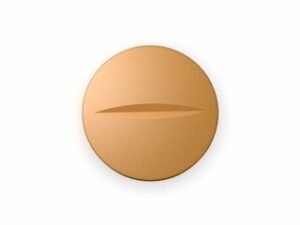
| Common route | Oral tablets |
| Key safety considerations | Blood count monitoring may be required due to rare but serious effects |
How Ticlid works (mechanism of action)
Platelets are blood cells involved in clotting. When they clump together in an abnormal way, a clot can form and block blood flow to the brain or other organs. Ticlid helps prevent this by reducing platelet activity.
Ticlopidine blocks platelet activation by interfering with platelet function at a receptor/activation level, making platelets less likely to aggregate. The result is reduced formation of blood clots.
Because it acts on platelets, Ticlid is considered an antiplatelet medicine.
Pharmacokinetics (how the body handles the medicine)
Understanding pharmacokinetics can help explain dosing timing and why monitoring may be needed.
- Absorption: Ticlopidine is absorbed after oral dosing. Food can influence absorption and tolerability for some people.
- Metabolism: It is processed in the liver to active metabolites.
- Onset of effect: Antiplatelet effects develop after dosing, though the exact timing can vary between individuals.
- Elimination: Metabolites are removed mainly through body elimination pathways after metabolism.
Your healthcare professional may advise regular follow-up and blood tests because rare adverse reactions can occur, particularly involving blood cells.
What Ticlid is used for (typical use and indications)
Ticlid is used in situations where reducing clot formation is important, such as:
- Prevention of stroke in people with certain high-risk features, depending on their overall clinical situation.
- Some forms of recurrent ischaemic events where an antiplatelet strategy is required and alternative medicines may not be suitable.
- Other specialist-directed antiplatelet uses where ticlopidine is considered appropriate.
In practice, antiplatelet therapy choices depend on your condition, risk factors, previous treatment history, and safety profile. Your clinician may consider alternative options such as aspirin or other antiplatelet medicines depending on your case.
Timing: when and how to take Ticlid
Follow your prescribed schedule. Typical dosing regimens often require twice-daily administration, but your dose and timing may differ.
General practical timing advice
- Take your dose at roughly the same times each day.
- If you miss a dose, take it when you remember unless it is close to the time for your next dose. Do not double the dose to make up for a missed tablet.
- If you have stomach upset, ask your pharmacist whether taking with food could help.
Dosing (typical adult dosing)
Usual dosing recommendations for ticlopidine are based on medical guidance and patient factors. In general, adult dosing is commonly:
- Often 250 mg twice daily (morning and evening).
Some patients may require dose adjustments depending on tolerability, age, liver function, and other medications. Children and adolescents should only take ticlopidine if specifically advised by a clinician for their condition.
Do not start, stop, or change your dose without medical advice.
Food interactions
Food can affect how your body absorbs some medicines. For Ticlid, taking it with or after meals may help reduce stomach discomfort in some people.
Food-related tips
- Try to take it consistently the same way each day (either always with meals or always around the same time relative to meals).
- If you experience nausea, indigestion, or abdominal discomfort, discuss strategies with your pharmacist.
- Maintain a healthy diet to support overall cardiovascular health, especially if you are also taking other medicines.
If you have liver disease, digestive disorders, or require frequent medication changes, ask your pharmacist for tailored advice.
Alcohol interactions
There is not always a single universal “no alcohol” rule for antiplatelet medicines, but alcohol can increase bleeding risk and may worsen stomach irritation.
Practical alcohol guidance
- Limit alcohol where possible, especially if you have a history of ulcers, bleeding, or low blood counts.
- Avoid binge drinking, which can increase risk of accidents and bleeding.
- If you notice unusual bruising, bleeding gums, black/tarry stools, or blood in urine, seek medical advice immediately.
Other medicine interactions
Because Ticlid affects platelet function, combining it with other medicines that also affect bleeding or blood cells can raise risk. Always tell your healthcare professional and pharmacist about:
- All prescription medicines
- All over-the-counter medicines
- Herbal products and supplements
Important interaction categories
- Other antiplatelet medicines (e.g., some combinations used in specialist settings): may increase bleeding risk.
- Anticoagulants (blood thinners): the combined effect can increase bleeding risk.
- Non-steroidal anti-inflammatory drugs (NSAIDs) such as ibuprofen, naproxen, and others: may increase gastrointestinal bleeding risk.
- Aspirin: may increase bleeding risk, particularly at higher doses or if multiple antiplatelet agents are used together.
- Medicines that may affect liver function: since ticlopidine is metabolised in the liver, liver-related medicines may require extra caution and monitoring.
- Medicines that affect blood cell counts: combining may complicate monitoring or increase risk of blood-related side effects.
If you need pain relief or a cold-and-flu medicine while taking Ticlid, ask your pharmacist which options are safer for you.
Safety profile: important warnings and side effects
Ticlid can cause side effects. Some are common and mild, while others are rare but serious. People taking ticlopidine may require regular blood tests to detect problems early.
Common side effects
- Gastrointestinal upset (e.g., nausea, diarrhoea, abdominal discomfort)
- Skin reactions (rash in some individuals)
- Headache or dizziness in some people
Serious side effects (seek urgent medical advice)
Contact urgent care or seek prompt medical attention if you experience any of the following:
- Signs of infection such as fever, sore throat, or mouth ulcers (could indicate low white blood cells)
- Unusual bruising or bleeding (e.g., nosebleeds, bleeding gums, blood in urine or stools)
- Severe fatigue or paleness (possible low red blood cells)
- Yellowing of the skin/eyes (jaundice) or dark urine (possible liver problems)
- Severe allergic-type reactions such as swelling of the face/lips or difficulty breathing
Why monitoring matters
Ticlid can rarely affect blood cells. For safety, clinicians may schedule blood tests to check:
- Full blood count (including neutrophils/white cells and platelets)
- Liver function (especially if symptoms suggest liver involvement)
Practical use tips (getting the best results safely)
- Keep scheduled monitoring appointments. If blood tests are recommended, attend even if you feel well.
- Know the warning signs. Familiarise yourself with symptoms of infection, unusual bleeding, and liver problems.
- Be cautious with additional “blood thinning” products. Some supplements (for example, high-dose fish oil, garlic extracts, or other herbal products) may affect bleeding risk. Always check with a pharmacist.
- Use a medication reminder. Set phone alarms to help you take doses at the right times.
- Maintain consistent routine. Take Ticlid the same way each day (relative to meals), and store it as directed on the pack.
- Tell dentists and surgeons. Inform healthcare providers that you take an antiplatelet medicine before procedures.
What to do if you feel unwell
If you develop fever, signs of infection, unexplained bruising, or symptoms such as jaundice, contact your doctor promptly. Do not stop the medicine abruptly without advice unless told to do so for an emergency.
Alternative options
Depending on your specific indication and risk factors, clinicians may consider other antiplatelet medicines. Alternatives may include:
- Aspirin (in appropriate patients)
- Clopidogrel or other P2Y12 inhibitors
- Other antiplatelet strategies based on your diagnosis and history
- Combination strategies in selected circumstances under close supervision
The choice of alternative depends on individual factors such as previous treatment response, risk of bleeding, tolerance, and comorbidities.
Market and legal context in Australia
In Australia, medicines are regulated under the national medicines framework. Availability can vary by:
- Therapeutic guidelines and clinical practice
- Product listing and supply status
- Local pharmacy supply capabilities and manufacturer availability
Antiplatelet therapy decisions are guided by clinical evidence and national practice, and the suitability of ticlopidine depends on the patient’s risk/benefit profile.
Recent guidance and clinical considerations
Over time, clinical practice for antiplatelet prevention of vascular events has evolved, and some antiplatelet options are used more commonly than others. Decisions about ticlopidine may be influenced by:
- Published evidence comparing benefits and risks between antiplatelet medicines
- Safety considerations, including the need for blood monitoring
- Your personal medical history, including risk of bleeding and liver effects
If you are currently using Ticlid, continue as advised and discuss any questions about ongoing suitability with your healthcare professional.
Delivery and availability (online pharmacy information)
Availability of Ticlid in Australia may vary by supply and regional demand. When ordering online, your pharmacy may:
- Hold stock when available
- Arrange sourcing from suppliers where appropriate
- Provide an estimated dispatch timeframe
Delivery expectations
- Delivery times can vary depending on your location and whether the product is in stock.
- Packaging is typically designed to protect tablets from moisture and damage.
- If a supply delay occurs, the pharmacy will usually contact you with updated options.
To ensure you receive the correct strength and pack, confirm details on the product listing and any instructions from your healthcare professional.
Frequently Asked Questions (FAQ)
1. What is Ticlid (ticlopidine) used for?
Ticlid is used as an antiplatelet medicine to help reduce the risk of clot-related events (such as stroke) in selected conditions, based on clinical assessment.
2. How does Ticlid differ from aspirin?
Both are antiplatelet medicines, but they work through different mechanisms and have different safety monitoring needs. Your clinician chooses the option most appropriate for your condition and risk profile.
3. When will Ticlid start working?
Antiplatelet effects develop after dosing, but the exact timeline can vary. The most important factor is taking it regularly at the prescribed times and attending any monitoring appointments.
4. Should I take Ticlid with food?
Many people find it helps to take antiplatelet tablets with or after meals to reduce stomach upset. Follow your specific instructions. If you experience side effects, ask your pharmacist for personalised advice.
5. What should I do if I miss a dose?
Take it when you remember unless it is close to the next scheduled dose. Do not take two doses together to make up for a missed tablet.
6. What are the warning signs that need urgent medical attention?
Seek urgent advice for symptoms such as fever or signs of infection, unusual bruising or bleeding, severe fatigue, jaundice (yellow skin/eyes), swelling of the face/lips, or breathing difficulties.
7. Do I need blood tests while taking Ticlid?
Your healthcare professional may recommend blood monitoring because rare blood-related side effects can occur. Attend all scheduled tests even if you feel well.
8. Can I drink alcohol while taking Ticlid?
It’s best to keep alcohol to a minimum. Alcohol can increase bleeding risk and may worsen stomach irritation. If you choose to drink, do so carefully and avoid binge drinking. Stop and seek advice if you notice abnormal bleeding or black/tarry stools.
9. What medicines should I avoid?
Avoid or check first with your pharmacist if you are taking other antiplatelet medicines, anticoagulants, NSAIDs, or anything that increases bleeding risk. Always disclose all products you use, including supplements and herbal remedies.
10. What alternatives may be used if I cannot tolerate Ticlid?
Alternative antiplatelet medicines may be considered depending on your diagnosis and risk factors, such as aspirin or other antiplatelet options. Your clinician will tailor choices to your needs.
Summary
Ticlid (ticlopidine) is an oral antiplatelet medicine used for selected cardiovascular and clot-prevention indications. It works by reducing platelet activity to lower the risk of clot-related events. Because ticlopidine can rarely affect blood cells and possibly the liver, careful monitoring and awareness of warning signs are important. For safe use, take it consistently at the right times, follow food-related guidance from your healthcare professional, avoid unnecessary medicines that increase bleeding risk, and attend any scheduled blood tests.