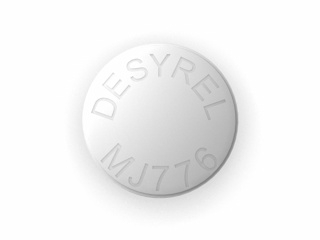


Ticlopidine (Ticlid®) — Patient-Friendly Guide
Ticlopidine is an antiplatelet medicine used to help prevent unwanted blood clots. It works by making platelets less “sticky,” reducing the risk of certain clot-related events in people who meet specific medical criteria. This page explains how ticlopidine works, how it’s taken, key safety information, and practical tips for Australians.
Note: Medicines information can change. Always follow the directions given by your healthcare professional and refer to the product label or the consumer medicines information provided with your pack.
Basic product information
- Medicine name: Ticlopidine
- Common brand example: Ticlid® (availability may vary)
- Medicine type: Antiplatelet (inhibits platelet function)
- How it’s supplied: Oral tablets (strengths vary by product)
- What it’s used for: Preventing clot-related events in specific conditions
In Australia, medicines may be supplied under different brand names and may have varying availability. If you’re unsure whether ticlopidine is currently listed or stocked, speak to a pharmacist.
How ticlopidine works (mechanism of action)
Platelets are blood cells that help your blood clot. They clump together (“aggregate”) when activated. Ticlopidine helps reduce this activation.
Mechanism of action: Ticlopidine blocks platelet aggregation by interfering with platelet signalling—most notably by reducing the ability of platelets to respond through pathways that involve ADP (adenosine diphosphate). This results in fewer platelets forming clots.
Because it works on platelets, ticlopidine can reduce the risk of clotting events in selected patients, but it also increases the chance of bleeding. That balance is why monitoring and careful patient selection are important.
Pharmacokinetics (how the body handles ticlopidine)
Pharmacokinetics describes absorption, distribution, metabolism, and elimination. While exact values vary between products and individuals, the key concepts are:
- Absorption: Ticlopidine is taken by mouth and is absorbed through the gastrointestinal tract.
- Onset of effect: Antiplatelet effect develops after dosing begins and typically takes some time to reach full effect.
- Distribution: The medicine distributes throughout the body, with significant effects on circulating platelets.
- Metabolism: Ticlopidine is metabolised in the liver.
- Elimination: Metabolites are removed from the body primarily via urine and other routes.
Your clinician may monitor blood counts and liver function in some situations due to known safety considerations (see “Safety profile” below).
Typical uses of ticlopidine
Ticlopidine is an antiplatelet medicine used to reduce the risk of clot-related events in people with certain vascular conditions. It is commonly considered when antiplatelet treatment is needed and other therapies are not suitable.
Common indications (conditions where it may be used)
- Prevention of arterial thrombotic events (clotting in arteries) in selected patients
- In some cases of stroke prevention where an antiplatelet strategy is appropriate
- Other clinician-directed antiplatelet indications based on individual risk and medical history
Indications depend on local practice, available alternatives, patient risk factors, and safety monitoring requirements. Your healthcare professional will determine whether ticlopidine is appropriate for you.
How to take ticlopidine (timing and dosing)
Always use the dose prescribed for you. Typical dosing schedules for ticlopidine can vary depending on the indication and the formulation.
Typical dosing (general guidance)
- Common approach: Tablets are usually taken twice daily.
- With or without food: Some people take it with meals to reduce stomach upset; follow your prescribed instructions.
- Consistency: Try to take doses at the same times each day.
If you miss a dose, do not take a double dose to “catch up.” Instead, follow the advice on the pack or contact your pharmacist for guidance based on how close you are to the next dose.
Starting and stopping
- Starting: Antiplatelet effects develop over time; don’t stop early even if you feel well.
- Stopping: Do not stop abruptly without advice. Stopping antiplatelet therapy may increase risk of clotting events in some patients.
Food interactions and dietary considerations
Food can influence how medicines are absorbed. For ticlopidine, taking it with food may help reduce gastrointestinal side effects for some people. However, follow your specific prescription directions.
- General tip: Take ticlopidine the way it’s prescribed (e.g., with meals if advised).
- Maintain routine: Keep your daily routine consistent to avoid fluctuations in absorption.
- Grapefruit/major diet changes: There are no universal “must avoid” foods, but large dietary changes can affect overall health and medication tolerance.
If you have reflux, indigestion, or other stomach concerns, ask a pharmacist about ways to reduce discomfort.
Alcohol and medicine interactions
Alcohol: Because ticlopidine affects platelet function, alcohol may increase the likelihood of bleeding, particularly with heavy or binge drinking. If you drink alcohol, do so cautiously and avoid binge episodes.
Medicines that commonly interact with antiplatelet medicines
Many interactions are about increased bleeding risk. Inform your pharmacist or doctor if you take any of the following:
- Other antiplatelet medicines (e.g., clopidogrel, aspirin) unless specifically directed
- Anticoagulants (e.g., warfarin, apixaban, rivaroxaban, dabigatran)
- NSAIDs (e.g., ibuprofen, naproxen, diclofenac) including some pain and arthritis medicines
- Medications affecting the stomach lining (may affect bleeding risk in some situations)
- Selective serotonin reuptake inhibitors (SSRIs) and similar antidepressants: may increase bleeding tendency in some people
- Herbal products such as ginkgo biloba or others that may affect bleeding risk
If you’re taking multiple medicines, your pharmacist can check for clinically relevant interactions.
Indications and clinical decision-making
Ticlopidine is typically considered for patients who need antiplatelet therapy and meet specific clinical criteria. Clinicians assess:
- Risk of clot-related events (e.g., vascular disease history)
- Bleeding risk (history of bleeding, falls risk, stomach ulcer risk, kidney/liver health)
- Other medicines that may increase bleeding
- Ability to complete monitoring if required
- Availability of alternatives with a more favourable benefit–risk profile for the individual
Because ticlopidine has particular safety considerations (including effects on certain blood cells in some patients), it is generally used when appropriate and when safer options are unsuitable.
Safety profile (important risks and when to seek help)
Like all medicines, ticlopidine can cause side effects. Many are mild, but some can be serious. Pay attention to symptoms that could indicate abnormal blood counts or bleeding.
Common side effects
- Gastrointestinal upset (e.g., nausea, stomach discomfort)
- Diarrhoea
- Skin rash (in some people)
- Dizziness or headache (less commonly)
Serious warnings (seek medical help urgently)
Contact your doctor urgently or seek emergency care if you experience any of the following:
- Signs of unusual bleeding:
- Unusual bruising or bleeding that doesn’t stop
- Blood in urine or stool (black/tarry stools or red blood)
- Vomiting blood or coughing blood
- Severe nosebleeds
- Heavy bleeding from gums
- Symptoms that could suggest low blood cell counts (blood disorders are a known concern with ticlopidine):
- Fever, chills, or sore throat
- Unusual tiredness or weakness
- Frequent infections
- Swollen glands
- Severe skin reactions:
- Blistering, peeling skin, or widespread rash
- Swelling of the face/lips or trouble breathing (possible allergy)
- Signs of liver problems:
- Yellowing of skin/eyes (jaundice)
- Dark urine, pale stools
- Severe fatigue or persistent nausea
- Right upper abdominal pain
Who should use ticlopidine with extra caution?
- People with a history of bleeding disorders
- People with active bleeding (e.g., stomach ulcer bleeding)
- People with liver disease
- People who are older or have higher fall risk
- People taking other medicines that increase bleeding risk
- People with low blood counts or previous abnormal blood test results
Monitoring
Depending on your circumstances, your clinician may request periodic blood tests (for example, full blood counts and liver function tests) to check for rare but serious adverse effects. If monitoring is advised, do not miss appointments.
Practical use tips
- Take at the same times each day: Helps maintain consistent antiplatelet effect.
- Use a pill organiser: Especially if you take multiple medicines.
- Be alert to bleeding: Let your healthcare provider know if you get frequent nosebleeds, bleeding gums, or black/tarry stools.
- Inform healthcare professionals: Tell dentists, surgeons, and emergency services that you take an antiplatelet medicine.
- Consider safety with activities: Use caution with activities that raise the risk of cuts or head injury (e.g., contact sports, ladders).
- Don’t start new pain relief without advice: Prefer discussing pain relief options with a pharmacist—some common products can increase bleeding risk.
Managing missed doses
If you miss a dose:
- Take it as soon as you remember if it’s close to the scheduled time.
- If near the next dose, skip the missed dose and continue your normal schedule.
- Do not double up unless your pharmacist or doctor tells you to.
Alternative options
Antiplatelet therapy includes several medicines that may be used depending on the condition and the individual’s risks. Alternatives may include:
- Aspirin (often used for cardiovascular prevention)
- Clopidogrel (another antiplatelet agent)
- Other clinician-directed antiplatelet strategies depending on diagnosis and risk
Choice of antiplatelet therapy depends on patient factors, local guidelines, and safety monitoring needs. If you’re considering switching, do so only with medical guidance.
Market and legal context in Australia (what to expect)
In Australia, medicines are supplied under regulated frameworks that aim to ensure quality, safe use, and appropriate prescribing practices. The availability of specific brands and presentations can vary over time depending on supply and regulatory status.
For online purchases, reputable pharmacies follow Australian legal and compliance requirements, which may include:
- Verification of the product and patient information as required
- Appropriate labelling, packaging, and counselling material
- Clear instructions for use and safe storage
- Supply only to eligible customers under the applicable regulatory rules
If you can’t find ticlopidine in stock, your pharmacist may suggest alternatives that are currently available.
Recent guidance and clinical considerations
Clinical practice evolves based on evidence and safety data. Antiplatelet medicines are chosen by weighing:
- Benefits in reducing clot-related events
- Bleeding risk and tolerability
- Patient-specific factors (age, comorbidities, other medicines)
- Monitoring requirements and feasibility
Because ticlopidine is associated with particular haematological and other adverse effects in some patients, clinicians may prefer alternative antiplatelet medicines for many people unless ticlopidine is specifically appropriate. Always rely on current recommendations from your healthcare professional and local clinical guidance.
Delivery and availability (Australia)
Availability of ticlopidine can vary depending on supply chains and brand listings. If your chosen brand is temporarily unavailable, your pharmacy may:
- Offer a similar equivalent product where appropriate
- Order the item from suppliers (availability can be time-dependent)
- Recommend an alternative antiplatelet option if ticlopidine cannot be obtained
Delivery options differ by pharmacy and location. Many Australian online pharmacies provide:
- Standard delivery (typically several business days)
- Express delivery where available
- Tracking information once dispatched
For the most accurate delivery timeframe, check the product page and checkout information.
Safe storage
- Store tablets at room temperature unless the label says otherwise.
- Keep in the original packaging to protect from moisture and to identify the product.
- Keep out of reach of children.
- Do not use after the expiry date.
At-a-glance summary
| Feature | What to know |
|---|---|
| Medicine type | Antiplatelet (reduces platelet clumping) |
| Main benefit | Helps prevent certain clot-related arterial events |
| How it works | Interferes with platelet aggregation pathways |
| When it’s taken | Usually twice daily; follow your instructions |
| Food effects | Often taken with meals if recommended to reduce stomach upset |
| Key risks | Bleeding; rare blood disorders; possible liver or severe skin reactions |
| Practical advice | Be alert for bleeding; keep regular monitoring if advised |
FAQ about ticlopidine
1) What is ticlopidine used for?
Ticlopidine is used as an antiplatelet medicine to help reduce the risk of certain clot-related events in people with specific vascular conditions. Your clinician will determine the most appropriate indication for you.
2) How long does it take to start working?
Ticlopidine begins to affect platelet function after dosing starts, but the full antiplatelet effect may take time. Continue taking it consistently as directed.
3) Can I take ticlopidine with food?
Many people take antiplatelet tablets with meals to improve tolerance. Follow your prescribed instructions and the directions on the label for your specific product.
4) What should I avoid while taking ticlopidine?
Avoid activities that increase your risk of injury and be cautious with alcohol. Also avoid starting new medicines (including over-the-counter pain relievers and herbal products) without checking for interaction and bleeding risk.
5) Are there common side effects?
Some people experience stomach upset (such as nausea or diarrhoea) or rash. If side effects are bothersome or worsening, speak to your pharmacist or doctor.
6) What are the warning signs of serious problems?
Seek urgent medical attention for unusual or heavy bleeding, signs of infection such as fever or sore throat, severe rash or blistering skin reactions, or symptoms suggestive of liver problems (for example, yellowing of the skin or eyes).
7) Can I take pain relief like ibuprofen?
NSAIDs such as ibuprofen can increase bleeding risk when combined with antiplatelet medicines. Ask a pharmacist which pain relief options are safer for you based on your health history and other medicines.
8) What if I miss a dose?
Take it when you remember if it’s close to the scheduled time. If it’s near the next dose, skip the missed one and continue your normal schedule. Do not double up unless advised.
9) Is ticlopidine available in Australia?
Availability can vary by brand and supply. If it isn’t currently in stock, an alternative may be suggested depending on your situation and local availability.
10) What are the alternative medications to ticlopidine?
Depending on your indication and risk profile, other antiplatelet therapies may be considered (for example, aspirin or clopidogrel). Your clinician can advise what fits your condition best.
Important: This information is designed to help you understand ticlopidine and prepare for safe use. It does not replace advice from your healthcare professional. If you have questions about your specific therapy, interactions, or monitoring, contact your doctor or pharmacist.