Griseofulvin (Oral Antifungal) – Patient Information (Australia)
Griseofulvin is an oral antifungal medicine used to treat certain fungal infections of the skin, hair, and nails. It has been used for many years and works by stopping fungi from growing. This page provides detailed, patient-friendly information about how Griseofulvin works, how it is taken, key safety considerations, and practical tips for successful treatment in Australia.
At a glance
- What it treats: fungal infections such as tinea (ringworm), fungal infections of the scalp, and some nail infections.
- How it works: interferes with fungal cell division and helps new, non-infected keratin replace infected material.
- How long it takes: treatment commonly lasts weeks for skin infections and longer for scalp and nail infections.
- Best taken with food: especially a fatty meal to improve absorption.
- Important safety notes: pregnancy prevention is essential during treatment and for a period after stopping (details below); avoid alcohol and check drug interactions.
Basic product information
- Active ingredient: Griseofulvin
- Medicine type: Antifungal (systemic)
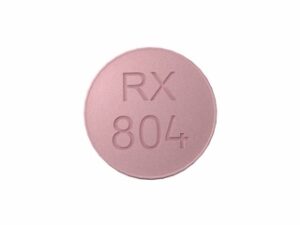
- Common dosage forms: tablets (brands and strengths vary)
- Where it is used: infections affecting skin, scalp/hair follicles, and nails
- Who it may be suitable for: children and adults for specific fungal infections, depending on diagnosis and severity
Different formulations and dosing schedules exist. Your treating clinician will tailor the plan to the infection type, severity, and your age/weight.
Mechanism of action (how Griseofulvin works)
Griseofulvin is a fungistatic antifungal, meaning it stops fungi from multiplying rather than killing them instantly. It targets fungal processes needed for cell division and growth.
A key feature of Griseofulvin is that it helps the body produce new keratin (skin/hair/nail material) that is not infected. As infected keratin sheds or grows out, the infection clears.
Pharmacokinetics (what the body does to the medicine)
Pharmacokinetics describes how the medicine is absorbed, distributed, metabolised, and eliminated. Understanding this helps explain dosing and food timing.
- Absorption: Griseofulvin absorption can be improved when taken with food, particularly a meal that includes some fat. Taking it on an empty stomach may reduce absorption for some people.
- Distribution: It distributes into keratin-forming tissues (skin, hair, nails) which is important for treating dermatophyte infections.
- Metabolism: It is metabolised in the liver (primarily via hepatic enzymes).
- Elimination: Metabolites are excreted mainly via the kidneys and/or bile. Clearance may vary among individuals.
Because the infection can reside in keratin (particularly nails and the scalp), the duration of treatment is often longer than the time it takes for symptoms to improve.
Typical use and where it fits
Griseofulvin is primarily used for dermatophyte infections, including:
- Tinea corporis (ringworm of the body)
- Tinea capitis (ringworm of the scalp)
- Tinea pedis (athlete’s foot) in selected cases
- Tinea cruris (jock itch) in selected cases
- Tinea unguium (nail fungal infections) in selected cases
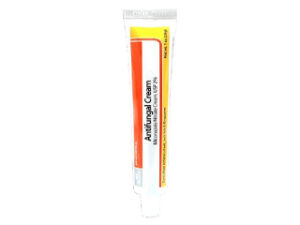
For some mild or localised infections, topical antifungal creams/solutions may be preferred. For scalp or more extensive infections, oral therapy may be needed.
Indications (what it’s used for)
In clinical practice, Griseofulvin is indicated for certain fungal infections where systemic therapy is appropriate, especially:
- Dermatophyte infections involving skin/hair/nails
- Scalp dermatophyte infections (tinea capitis)
- Nail dermatophyte infections (tinea unguium) when topical treatment alone is unlikely to succeed
The exact indication depends on the diagnosed organism and the severity/location of infection.
Dosing (general guidance)
Dosing varies by product strength, patient age/weight, and the site of infection. Follow your health professional’s instructions and the label on the specific product you receive.
Common dosing patterns include:
- Skin infections: often taken daily for several weeks (duration depends on response and extent).
- Scalp infections: commonly taken daily for a longer period (often several weeks), sometimes with ongoing fungal testing and follow-up.
- Nail infections: usually require prolonged treatment because nails grow slowly. Treatment may continue for months, followed by observation as the nail regrows.
If you miss a dose, take it as soon as you remember—unless it is close to the next dose. Do not double up.
Timing: when to take Griseofulvin
- Take with food: For better absorption, take Griseofulvin with a meal or immediately after food, especially one that includes some fat (for example, a normal meal rather than a light snack).
- Choose a consistent time: Taking it at the same time each day helps you remember and maintains steady exposure.
- Continue for the full course: Symptoms may improve before the infection is fully cleared—especially for scalp and nail infections.
If you are unsure about the best timing for your specific product, ask your pharmacist.
Food interactions (and practical eating tips)
Food can affect how well Griseofulvin is absorbed. While you should always follow the product directions, in general:
- Best with a meal: absorption is typically improved when taken with food.
- Avoid taking on an empty stomach: this may reduce effectiveness for some people.
- Consistency matters: keep your routine similar each day (e.g., take it after breakfast or after dinner).
If nausea occurs, taking Griseofulvin after food rather than before food may help.
Alcohol interactions
It is generally recommended to avoid or minimise alcohol while taking Griseofulvin, because both alcohol and Griseofulvin can affect the liver. Keeping alcohol intake low reduces the risk of liver irritation and supports safer treatment.
- Best approach: avoid alcohol during treatment where possible.
- If you drink: discuss safe limits with your pharmacist or doctor.
Medicine interactions (important safety checks)
Griseofulvin can interact with other medicines. Some interactions may reduce antifungal effectiveness or increase the risk of side effects—particularly those involving the liver or drugs metabolised through hepatic pathways.
Tell your pharmacist or doctor if you take:
- Hormonal contraception: Griseofulvin may reduce the effectiveness of some hormonal contraceptives. Barrier methods may be recommended during treatment and for a period after.
- Warfarin (and other anticoagulants): interactions may affect blood clotting and require monitoring.
- Oral diabetes medicines: interactions may alter blood sugar control.
- Medicines that affect liver enzymes: certain antibiotics, anticonvulsants, and other drugs can alter Griseofulvin levels.
- Other antifungals: combined therapy is sometimes used, but depends on the diagnosis and tolerability.
- Herbal products: supplements such as St John’s wort may affect metabolism and antifungal effectiveness.
Bring a list of all medicines you use (including over-the-counter products and supplements) to your pharmacy.
Safety profile (who should be extra careful)
Common side effects
- Nausea or stomach upset
- Headache
- Dizziness or tiredness
- Skin rash
- Diarrhoea (in some people)
Serious side effects – seek urgent medical help
Stop using the medicine and seek urgent medical advice if you experience signs of a serious reaction, such as:
- Severe skin rash, blistering, or peeling skin
- Swelling of the face/lips, breathing difficulty, or widespread hives
- Yellowing of the skin or eyes (jaundice), dark urine, or severe fatigue (possible liver problem)
- Unusual bruising or bleeding
- High fever or severe sore throat with weakness
Liver health considerations
Because Griseofulvin is metabolised by the liver, extra caution is needed if you have liver disease or a history of abnormal liver function. Your clinician may consider blood tests before or during treatment if you are at higher risk or if treatment is prolonged (for example, nail infections).
Pregnancy, breastfeeding, and fertility planning
Fungal infections can often be treated with medicines, but Griseofulvin may affect developing babies and is not generally used in pregnancy unless specifically advised by a clinician.
- Women who can become pregnant: use effective contraception during treatment.
- Contraception: Griseofulvin may reduce the effectiveness of some hormonal contraceptives. Discuss reliable contraception options with your pharmacist or doctor.
- After stopping: allow time after the final dose before trying to conceive, as advised by your clinician.
- Breastfeeding: discuss with a clinician; many antifungals have specific guidance regarding breastfeeding, and the best choice depends on the mother and infant.
Children and elderly
- Children: dosing is weight/age-based; follow the product instructions carefully and monitor for side effects.
- Elderly: caution is advised if liver function is reduced or if multiple medications increase interaction risks.
Practical use tips (making treatment work)
1) Confirm it’s the right infection
“Ringworm” can look similar to other skin conditions. For scalp and nail problems, diagnosis may require laboratory confirmation. This ensures Griseofulvin is the most appropriate therapy.
2) Don’t stop early when you feel better
Symptoms often improve before the fungus is fully cleared. Stopping early can increase the chance of relapse, especially for scalp and nails.
3) Keep taking it with food
A consistent meal can support absorption. If you struggle with appetite, take the medicine after a full meal rather than only after a small snack.
4) Hygiene to reduce spread and reinfection
- Wash towels, hats, pillowcases, and bedding regularly.
- Avoid sharing combs, brushes, or clothing.
- Clean hairbrushes and combs.
- For athletes and sports: keep footwear and socks dry; change socks daily or more often if sweaty.
5) Nail infection patience is key
Nails grow slowly. Even after fungus is controlled, the visible nail may take months to improve fully. Your clinician may suggest a follow-up plan rather than judging by symptoms alone.
Alternative options (depending on the infection)
Alternative antifungal treatments may be considered based on the type of fungus, infection site, severity, and patient factors (including liver health and medication interactions). Options may include:
- Terbinafine: often used for dermatophyte infections; may be taken for shorter courses in some conditions.
- Itraconazole: used for certain fungal infections; dosing schedules can vary.
- Fluconazole: sometimes used depending on the organism and infection location.
- Topical antifungals: creams, gels, sprays, or nail preparations for more limited infections.
Your pharmacist or clinician can help choose the most appropriate option. In scalp infections, oral therapy is commonly needed, and the choice between oral agents depends on local practice and patient safety.
Australia: market and legal context (general)
In Australia, access to medicines is governed by the Australian regulatory and scheduling framework administered by the TGA (Therapeutic Goods Administration). Medicines are classified by scheduling rules that determine whether they are available for certain channels, require clinician involvement, or are restricted for safety.
Availability for Griseofulvin may vary by brand and pack size. Your online pharmacy can provide guidance on ordering and delivery within Australia’s regulations and the medicine’s listed requirements.
If you are unsure about availability in your area, select your delivery postcode during checkout or contact customer support for assistance.
Recent guidance and clinical practice (what to expect)
Antifungal treatment recommendations can evolve based on updated evidence, resistance patterns, and safety information. In general clinical practice, healthcare professionals in Australia may consider:
- Confirming diagnosis for scalp and persistent or widespread infections.
- Monitoring for side effects, especially for long courses (commonly for nails).
- Reviewing drug interactions because griseofulvin can interact with multiple medication types.
- Follow-up to assess response, reduce the chance of recurrence, and ensure the correct antifungal is being used.
If you have treatment that is not improving after a reasonable time, ask your clinician or pharmacist for advice on whether the diagnosis or treatment plan should be reviewed.
Delivery and availability (Australia)
Online pharmacies in Australia may supply Griseofulvin depending on product availability, stock levels, and any scheduling requirements. Delivery typically includes tracking and safe packaging.
- Dispatch times: vary depending on stock and processing capacity.
- Delivery options: standard and express options may be available.
- Cold chain: not usually required for tablets.
- Availability: brands and strengths can vary—if your preferred brand is unavailable, an equivalent alternative may be offered where permitted.
During checkout, you may be asked for delivery details (including your postcode) and payment confirmation. Keep the medicine in its original packaging until use.
How to store Griseofulvin
- Store at room temperature, away from heat and direct sunlight.
- Keep tablets in the original packaging to protect from moisture.
- Keep out of sight and reach of children.
- Check the expiry date on the pack; do not use after expiry.
FAQ: Griseofulvin
1) When will I start to feel better?
Skin symptoms may improve within days to weeks, but complete clearance can take longer—especially for scalp and nail infections. The infection can persist in keratin even after symptoms appear to settle.
2) Can I stop once the rash looks better?
Usually, no. For fungal infections, stopping early increases the risk of relapse. Take Griseofulvin for the full course recommended for your infection type.
3) Why should I take it with food?
Food can improve absorption. Taking Griseofulvin with a meal (ideally one that includes some fat) can help ensure consistent effectiveness.
4) Is alcohol completely forbidden?
Avoiding alcohol is recommended because of liver-related safety considerations. If you are unsure about how much you can drink safely, ask your pharmacist or clinician.
5) What if I miss a dose?
Take it as soon as you remember unless it is nearly time for your next dose. Do not take double doses to make up for missed tablets.
6) What should I do if I develop a rash?
Mild skin changes can occasionally occur, but any rash that is severe, widespread, blistering, or comes with breathing difficulty should be assessed urgently. Stop the medicine and seek medical help.
7) Can Griseofulvin be used for athlete’s foot?
It can be used in selected cases, but many athlete’s foot infections respond to topical treatment. Oral treatment may be considered if infection is extensive, recurrent, or involves nails or scalp.
8) Does Griseofulvin interact with contraception?
Griseofulvin may reduce the effectiveness of some hormonal contraceptives. Discuss contraception options with a pharmacist or clinician before starting.
9) How long will nail infection treatment take?
Nail infections usually require prolonged therapy due to slow nail growth. Even after the fungus is controlled, the nail may take months to improve. Your clinician may suggest follow-up and monitoring.
10) When should I seek medical review for poor response?
If there is little or no improvement after a reasonable period, if the infection worsens, or if side effects occur, seek review. Persistent or severe infections may require confirmation of the diagnosis and adjustment of therapy.
Quick reference table
| Topic | What to know |
|---|---|
| Medicine type | Oral systemic antifungal (fungistatic) |
| Typical infections | Dermatophyte infections of skin, scalp/hair, and some nail infections |
| How it works | Stops fungal growth and supports replacement of infected keratin |
| Best timing | With food (often after a meal) to support absorption |
| Alcohol | Avoid or minimise due to potential liver safety considerations |
| Key interactions | Hormonal contraception, warfarin, diabetes medicines, and other drugs/supplements |
| Duration | Weeks for skin; longer for scalp; months for nails |
| Seek urgent help if | Severe allergic reaction, blistering rash, jaundice, or serious side effects |
Important: This information is general and not a substitute for individual medical advice. If you have questions about whether Griseofulvin is right for your infection, how long to take it, or how to manage interactions with your current medicines, speak with your pharmacist or healthcare professional.