Betamethasone / Clotrimazole Cream – Patient Information (Australia)
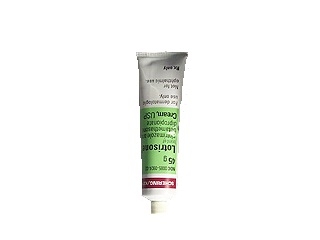
Betamethasone / Clotrimazole is a topical medicine used to treat certain inflammatory skin conditions where a fungal infection (such as Tinea or dermatophyte infection) may also be present. The product combines:
- Betamethasone – a corticosteroid that reduces inflammation, itching and redness.
- Clotrimazole – an antifungal medicine that helps stop fungus from growing.
This page provides general, patient-friendly information for use in Australia. Always follow the instructions provided with your product and by your healthcare professional.
Basic product information
- Common name: Betamethasone / Clotrimazole (combination)
- Medicine type: Topical (skin) corticosteroid + topical antifungal
- Forms: Commonly available as a cream; exact strength and formulation may vary by brand.
- Who it’s for: People with suitable skin conditions where both inflammation and fungal infection are suspected or confirmed.
Important note: Do not use on the eyes. Avoid contact with the mouth and inside the genital or anal areas unless specifically advised by a clinician for your condition and product form.
How it works (mechanism of action)
Betamethasone (corticosteroid):
- Reduces inflammatory chemicals in the skin.
- Helps relieve symptoms such as itching, swelling and redness.
- Suppresses some aspects of local immune response, which can improve appearance and comfort.
Clotrimazole (antifungal):
- Targets fungal cell membranes and interferes with fungal growth.
- Helps eliminate the fungus responsible for the infection.
- Can reduce fungal burden over time when applied consistently.
Why the combination matters: Many fungal rashes cause significant itch and inflammation, while inflammation can make fungus harder to manage. The combined action aims to treat both the fungus and the inflammatory symptoms.
Pharmacokinetics (what the body does with the medicines)
Because this is a topical medicine, absorption into the bloodstream is usually limited when used correctly on intact skin and for the intended duration.
- Skin absorption: Absorption of betamethasone can increase if you apply to large areas, use under occlusion (covered with dressings/bandages that trap heat/moisture), apply to broken/irritated skin, or apply for longer than recommended.
- Systemic exposure: With typical short-term use on limited areas, systemic levels are generally low. However, repeated or extensive use can increase the risk of steroid-related side effects.
- Metabolism and elimination: If absorbed, corticosteroids are metabolised mainly in the liver and excreted through the kidneys and bile. Clotrimazole is metabolised in the liver if absorbed, and excretion occurs via bile and urine.
Practical takeaway: Use the smallest effective amount for the shortest effective time, unless your healthcare professional advises otherwise.
Typical uses
Betamethasone / clotrimazole is generally used for skin conditions where both fungal infection and inflammation are present, for example:
- Infected, itchy or inflamed fungal rashes such as tinea corporis (ringworm of the body) or tinea cruris (jock itch), when inflammation is prominent.
- Dermatophyte infections with redness and irritation.
- Fungal infections with secondary inflammation (for example, when symptoms persist and appear both fungal and inflamed).
Not for all rashes: This combination is not appropriate for every skin problem. If the rash is caused by viruses, eczema without fungal infection, or bacterial infection, this medicine may not be suitable.
Timing and how to apply
Always follow the dosing instructions on your product label or as directed by a healthcare professional.
Typical schedule
- Apply usually 1 to 2 times daily to the affected area (frequency depends on the product strength and your prescriber’s instructions).
- Continue for the full course even if symptoms improve early.
How long should you use it?
Many topical combination treatments are used for a limited period, commonly around 2 to 4 weeks, depending on the condition and response. If there’s no clear improvement within about 1 to 2 weeks, reassess the diagnosis.
Key principle: Using steroid-containing creams longer than necessary can worsen or mask fungal infection and may increase risk of steroid side effects.
Step-by-step practical method
- Wash and dry the area.
- Apply a thin layer to the rash and the surrounding skin (often around 1–2 cm beyond the visible edge).
- Wash your hands after applying (unless your hands are the treated area).
- Avoid tight occlusive dressings unless advised.
Food interactions
Food interactions are unlikely with topical creams because the medicine is applied to the skin and systemic absorption is typically low when used correctly.
However, if you have extensive skin involvement, broken skin, or are using large amounts, absorption may increase. In that case, it’s sensible to discuss with a pharmacist or doctor if you’re taking other medicines or have concerns.
Alcohol and medicine interactions
Alcohol
There are generally no direct alcohol interactions expected with topical betamethasone/clotrimazole. The medicine acts locally on skin, and systemic exposure is usually low.
When to be cautious: If you develop side effects, or if you are using the medicine on very large areas or under occlusion, speak to a healthcare professional promptly.
Medicine interactions
Systemic drug interactions are unlikely for correctly used topical therapy. Still, it’s important to mention to your pharmacist or doctor if you are using:
- Other topical steroids or antifungals on the same area (risk of over-treatment and side effects).
- Medicines that affect the immune system (rarely relevant but can influence skin conditions and healing).
General rule: Avoid combining with other creams on the same site unless advised, because it may alter effectiveness or increase irritation.
Indications (when this medicine may be appropriate)
In Australia, combination betamethasone/clotrimazole creams are typically indicated for:
- Fungal skin infections with significant inflammation, scaling, itching and redness where a fungal cause is likely.
- Conditions commonly categorised under tinea (dermatophyte infections) with inflammatory features.
Diagnosis matters: Many rashes look similar. If you’re unsure whether the rash is fungal, the wrong treatment can delay recovery. If the rash spreads, involves sensitive areas, or worsens quickly, seek medical advice.
Dosing (adult and general guidance)
Dose can vary depending on the exact product concentration and your condition. The following is general guidance only—please rely on your product label or clinician instructions.
Typical application dose
- Adults and adolescents (typical): Apply a thin layer to the affected area once or twice daily.
- How much: Enough to lightly cover the rash and surrounding skin; avoid excessive amounts.
Paediatric use
In children, absorption of topical corticosteroids can be higher relative to body size, increasing risk of systemic effects. Use in children should generally be guided by a clinician and should not be used longer than necessary.
Renal/hepatic impairment
Because absorption is typically limited, no specific dose adjustment is usually expected. Nevertheless, caution is recommended if large surface areas are treated, skin is broken, or treatment is prolonged.
Do not increase the dose or apply more frequently than instructed to “make it work faster.” This increases side effect risk without improving cure.
Safety profile
Common side effects
These are typically mild and local:
- Burning, stinging or irritation at the application site.
- Dryness or redness.
- Itching may persist briefly or worsen if the rash is not fungal.
Serious or urgent side effects
Stop use and seek urgent medical advice if you experience:
- Signs of severe allergic reaction (swelling of face/lips, difficulty breathing, widespread rash).
- Rapid worsening or spreading of rash despite treatment.
- Severe blistering, oozing, or painful skin reactions.
Risks from corticosteroid exposure (betamethasone)
Topical steroid-containing products can cause additional issues when used improperly, such as:
- Skin thinning (atrophy), especially on delicate areas.
- Stretch marks (striae) with prolonged use.
- Perioral dermatitis or worsening of facial rash patterns.
- Rebound symptoms when stopping after long use.
- Glaucoma or cataracts risk is a consideration with inadvertent eye exposure (avoid the eyes).
- Systemic effects such as suppression of the body’s natural steroid production are more likely with extensive use, occlusion, or prolonged treatment.
Risks specific to fungal treatment
- Using steroid creams can mask fungal infections and make them harder to detect (“tinea incognito”).
- If you stop too early, the fungus may not be fully cleared, leading to recurrence.
Practical use tips
- Start with correct identification: If you can, confirm the rash type through a pharmacist or clinician—ringworm/tinea usually has clear edges and may scale.
- Treat the surrounding skin: Apply slightly beyond the visible border to cover fungal extension.
- Don’t share towels: Fungal infections can spread. Wash clothing, towels and bedding regularly.
- Keep the area dry: Moisture promotes fungal growth. Change sweaty clothing promptly.
- Use clean hands: Avoid contaminating the product with dirty fingertips.
- Monitor improvement: There should be noticeable improvement within about 1–2 weeks. If not, reassess the diagnosis and treatment plan.
- Avoid occlusion: Unless advised, don’t cover with airtight dressings (can increase absorption and side effects).
- Avoid long-term continuous use: Steroid-containing medicines generally should not be used longer than instructed.
Alternatives (what else may be used)
Alternative options depend on the underlying skin condition. Some common alternatives include:
- Antifungal monotherapy (without corticosteroid), such as topical azoles or allylamines, for cases where inflammation is mild.
- Different topical antifungals depending on the site (e.g., creams, sprays) and suspected fungus.
- Non-steroid anti-inflammatory treatments for eczema-type conditions (where fungal infection is not present).
- Oral antifungals for widespread, severe, recurrent, or hair/nail involvement (usually requiring medical assessment).
Why alternatives matter: If your rash is fungal but not very inflamed, an antifungal alone may reduce steroid-related risks. If it’s not fungal, using a steroid/antifungal combination may delay proper treatment.
Market and legal context in Australia
In Australia, medicines are regulated by the TGA (Therapeutic Goods Administration). Availability depends on formulation, strength, and approved indications. Some topical combinations may be behind-the-counter (pharmacy-only) or available on prescription depending on product criteria.
When shopping online, reputable Australian pharmacies will provide:
- Clear product identification (active ingredients and strengths)
- Usage directions and safety information
- Suitable disclaimers and screening questions if required
- Options for consultation with a pharmacist where appropriate
Recent guidance (general trends): Australian clinical advice commonly emphasises:
- Using corticosteroids on skin only when appropriate and for the shortest duration.
- Not masking fungal infections; if symptoms persist, seek review and consider antifungal confirmation.
- Extra caution for children, face/groin areas, and large-area treatment due to higher absorption risk.
Delivery and availability
Betamethasone / Clotrimazole creams are typically available from Australian pharmacies and some online pharmacy services. Delivery options often include:
- Standard delivery (commonly 2–5 business days, depending on the provider and your location)
- Express delivery (often available for metro areas)
- Click-and-collect in some locations
What to expect when ordering online:
- Product page will list active ingredients and strength.
- You may be asked to confirm basic health information or intended use, depending on whether the product is pharmacy-only.
- Orders are usually packed securely and include patient information leaflets where required.
Storage: Keep at room temperature (unless label instructions differ). Keep out of reach of children.
FAQ
1) What conditions is Betamethasone / Clotrimazole used for?
It is used for certain inflammatory skin conditions where a fungal infection is present or strongly suspected—commonly types of tinea (dermatophyte infections) with redness, itching and inflammation.
2) How quickly should I see improvement?
Many people notice symptom relief within a few days, but full clearing can take longer. If you don’t see clear improvement within 1–2 weeks, stop and seek advice to confirm the diagnosis.
3) Can I use it on my face?
Use on the face should be approached with caution because facial skin is more sensitive and absorption risks are higher. Unless specifically directed for your condition, avoid facial application and consult a pharmacist or doctor.
4) Can I use it in the groin or underarms?
These areas can be affected by fungal infections, but they also absorb more steroid. Use only as directed and avoid prolonged use.
5) Should I stop when the rash looks better?
No—generally you should finish the full course recommended on the label or by your healthcare professional. Stopping early can lead to recurrence.
6) Is it safe for children?
Caution is needed. Children are at higher risk of steroid-related side effects from topical use, especially with extensive areas or long durations. Use should be guided by a clinician or pharmacist.
7) What if the rash gets worse after starting treatment?
Stop using the cream and seek medical or pharmacy advice. Worsening may indicate the diagnosis is not fungal, the fungus is resistant, or the rash is a different condition.
8) Can I use other creams at the same time?
It’s usually best to avoid overlapping products on the same area unless advised. If you use moisturisers, apply them at a different time and ensure the treated area is not irritated.
9) What happens if I accidentally get it in my eyes?
Rinse immediately with plenty of water and seek advice. Do not apply more cream until you’re confident no medicine remains in the eye.
10) Are there foods or alcohol restrictions?
There are generally no specific food or alcohol restrictions with topical use. However, if you’re treating large areas or have skin breakdown, talk to a pharmacist about any concerns.
Summary
Betamethasone / Clotrimazole is a topical combination medicine used for certain fungal skin infections with significant inflammation. It works by combining:
- Betamethasone to reduce inflammation and itch
- Clotrimazole to treat the fungal cause
For best results, apply a thin layer to the affected area and surrounding skin, follow the recommended duration, avoid unnecessary steroid exposure, and seek advice if symptoms do not improve. In Australia, availability and suitability depend on the specific product and local regulatory status—so use reliable pharmacy guidance and follow the label instructions.
| Topic | Key points |
|---|---|
| Uses | Inflammatory fungal skin conditions (often tinea) where both inflammation and fungus need treatment |
| How it works | Betamethasone reduces inflammation; clotrimazole stops fungal growth |
| How to apply | Thin layer to rash and a little beyond the edge; wash hands after |
| When to reassess | If no clear improvement in 1–2 weeks, seek advice |
| Common side effects | Local irritation, burning/stinging, redness, dryness |
| Extra caution | Children, face, groin, large areas, broken skin, and prolonged use (increased steroid risk) |
| Food/alcohol | No specific restrictions expected with correct topical use |