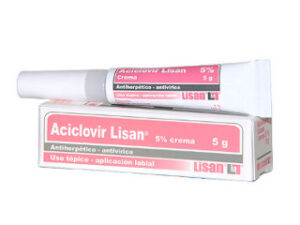
Aciclovir (Acyclovir) – Patient Information for Australia
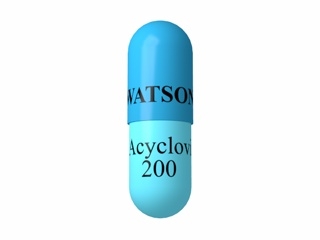
Aciclovir (also spelled acyclovir) is an antiviral medicine used to treat and prevent certain viral infections, particularly infections caused by herpes viruses. In Australia, aciclovir is available in different forms (commonly tablets and creams/ointments, depending on brand and availability). This page provides general, patient-friendly information to help you understand how aciclovir works, how it is commonly used, what to expect, and important safety considerations.
Note: Brand strengths and instructions can vary between products. Always follow the specific directions on your product packaging or label, and consult a healthcare professional if you are unsure.
Basic product information
- Active ingredient: Aciclovir (Acyclovir)
- Medicine type: Antiviral
- Common forms: Tablets/capsules (systemic use), creams/ointments (topical use) depending on product
- Herpes viruses treated: Herpes simplex virus (HSV-1/HSV-2), and in some situations varicella-zoster virus (VZV)
- Availability: Availability depends on form and local supply; some products may be available through community pharmacies and/or under specific prescribing arrangements in Australia.
How aciclovir works (mechanism of action)
Aciclovir targets viral DNA replication. It is a “prodrug-like” antiviral: inside virus-infected cells, it is converted to its active form.
Key steps:
- Infected cells contain viral enzymes that help convert aciclovir into an active triphosphate form.
- The active form interferes with viral DNA synthesis by being incorporated into viral DNA and also by inhibiting viral DNA polymerase.
- This helps slow down or stop viral replication, allowing the immune system to control the infection more effectively.
Important patient note: Aciclovir helps reduce viral activity and can shorten outbreaks. It does not “cure” herpes viruses permanently, because the virus can remain dormant in nerve cells and reactivate later.
Pharmacokinetics: how your body processes aciclovir
Pharmacokinetics describes how the body absorbs, distributes, metabolises, and eliminates a medicine.
Absorption
When taken by mouth, aciclovir is absorbed from the gastrointestinal tract. Absorption can be influenced by factors such as dose and individual variation.
Distribution
Aciclovir distributes into body tissues. It can reach infected areas and is used in treatments where viral activity is in the body (for example, certain HSV or VZV infections).
Metabolism
Aciclovir is not extensively metabolised. It is mainly eliminated unchanged.
Elimination
Aciclovir is primarily cleared by the kidneys. Your kidney function can affect drug levels, which is why dose adjustments may be needed in people with impaired renal function.
- Kidney screening: If you have known kidney disease, are elderly, or are at risk of reduced kidney function, discuss this with a healthcare professional before starting.
Typical uses and indications
Aciclovir is used for infections caused by herpes viruses. Depending on the specific product (tablet vs topical), it may be used for:
- Herpes simplex virus (HSV):
- Genital herpes (treatment of episodes and sometimes prevention of recurrent episodes)
- Cold sores (herpes labialis) in selected situations
- Eye infections in specialised care (where appropriate and under medical supervision)
- Varicella-zoster virus (VZV):
- Chickenpox (varicella) in certain patients
- Shingles (herpes zoster), including reducing duration of symptoms when started early
When it works best: Antiviral medicines work most effectively when started early in the course of an infection (often within 48–72 hours of symptoms, depending on the indication and clinical judgement).
Dosing: general guidance (follow your product label)
Doses depend on the type of infection, severity, age, and kidney function, and may differ between formulations and countries. Because dosing details can be complex, use the information below as general orientation only.
Always: Check the exact strength and directions on your specific Australian product packaging or label.
Common dosing patterns (examples)
These are typical patterns for adult use in many clinical settings; your clinician may tailor them:
- Genital herpes (episodes): Often multiple daily doses for several days
- Recurrent genital herpes (suppression): Often a lower daily dose taken for prevention over time
- Shingles: Often higher-frequency dosing for a defined number of days, starting as early as possible
- Cold sores (topical products): Cream/ointment applied several times daily for a limited period
Kidney considerations
If you have reduced kidney function, your dose or frequency may need adjustment. Drinking adequate fluids can support kidney function, but you should follow medical advice if you have fluid restrictions.
Children and special populations
Dosing in children is usually weight- or age-based and should be confirmed with a healthcare professional or by the product label for the exact formulation.
Timing: when to take aciclovir for best effect
For oral tablets/capsules, consistent timing helps maintain antiviral levels. Strategies include:
- Start early: Begin treatment at the earliest sign of outbreak (for example, tingling, itching, or the first lesions).
- Follow the schedule: Space doses evenly across the day if the regimen is multiple times daily.
- Complete the course: Finish the full treatment duration even if you feel better.
If you miss a dose: Take it when you remember unless it is close to the next dose. Do not take a double dose to make up for a missed one. If you are unsure, ask a pharmacist.
Food interactions: can you take aciclovir with meals?
In general, aciclovir tablets can usually be taken with or without food. However, food may affect absorption and tolerability (for example, reducing stomach upset for some people).
- Practical tip: If tablets cause nausea, consider taking them with food (unless your specific label advises otherwise).
- Hydration matters: Drink adequate water during treatment, particularly if taking oral tablets.
Alcohol and medicine interactions
There are no universally required restrictions on alcohol with aciclovir, but combining alcohol with any medication can:
- Worsen dehydration (important because aciclovir is cleared through the kidneys)
- Increase the risk of dizziness or poor adherence (depending on your overall health and other medications)
- Potentially affect your ability to rest and recover
Advice: If you choose to drink alcohol, do so in moderation and ensure you are well hydrated. If you have liver or kidney disease, or you are taking multiple medicines, discuss alcohol with a pharmacist or doctor.
Important interaction note: Always review your medication list. The most clinically relevant interactions for aciclovir involve drugs that may affect kidney function or renal clearance.
Medicine interactions: what to watch for
Aciclovir can interact with other medicines mainly through kidney-related pathways. Before starting, tell your pharmacist or doctor about all medicines you take, including:
- Other antivirals
- Medicines that can affect kidney function (some pain relievers in high doses/long-term use, certain antibiotics, diuretics, and others)
- Medicines that may alter hydration status or renal blood flow
- Herbal products and supplements
Practical safety step: If you take medicines regularly for blood pressure, diabetes, kidney disease, or immune system conditions, it’s especially important to confirm the safest dosing plan for you.
Safety profile and side effects
Most people tolerate aciclovir well. Side effects can vary by formulation (oral vs topical) and individual factors such as age and kidney function.
Common side effects (often mild)
- Oral aciclovir: nausea, diarrhoea, headache, dizziness
- Topical aciclovir: mild local irritation, dryness, or stinging at the application site
Less common but more serious risks
- Kidney-related effects: in some cases, especially with higher doses, dehydration, older age, or existing kidney impairment
- Allergic reactions: rash, swelling, hives, difficulty breathing (seek urgent help)
- Neurological symptoms: confusion, hallucinations, or unusual agitation (rare; seek medical advice urgently)
Seek urgent medical help if
- You develop signs of an allergic reaction (swelling of face/lips, breathing difficulty)
- You experience severe rash or blistering skin reactions
- You have marked confusion, fainting, or severe weakness
- You have significantly reduced urination or severe dehydration symptoms
When to speak with a pharmacist promptly: if side effects are persistent, worsening, or interfere with daily activities.
Practical use tips (to get the best results)
General outbreak care
- Start early: Use treatment as soon as symptoms begin.
- Don’t share items: Avoid sharing lip products, towels, or razors during active lesions.
- Wash hands: Especially before and after applying topical medicine.
- Protect vulnerable areas: Avoid touching eyes, and keep lesions covered if appropriate.
Tips for topical aciclovir (cream/ointment)
- Apply a thin layer to the affected area as directed.
- Wash hands after application.
- Avoid covering with occlusive dressings unless advised by a clinician.
- Stop and seek advice if lesions worsen rapidly or if you suspect infection by something other than herpes.
Tips for oral aciclovir tablets
- Take doses at the scheduled times.
- Drink plenty of water unless you have fluid restrictions.
- Keep tablets in a cool, dry place away from children.
Managing recurrence
If you experience frequent outbreaks, a clinician may recommend longer-term preventive strategies (which can include antiviral suppression in suitable cases). Lifestyle factors that may trigger herpes reactivation include stress, illness, lack of sleep, and skin trauma.
Alternative options
Depending on the infection and your medical history, other antiviral or supportive options may be considered. Alternatives commonly include:
- Valaciclovir: another oral antiviral used for HSV and VZV in many settings
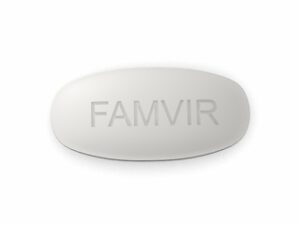
- Famciclovir: an oral antiviral used for HSV and VZV
- Topical therapies: some topical antivirals or supportive treatments may be available for cold sores, depending on local product supply
- Supportive care (for shingles or cold sores): pain relief and skin care strategies to improve comfort while the infection resolves
Choosing an alternative: The best option depends on factors such as symptom onset timing, kidney function, dosing frequency preference, and the specific diagnosis. A pharmacist can help compare products and schedules.
Market and legal context for Australia (overview)
In Australia, medicines are regulated under the national medicines framework. Availability and how you access treatment can depend on:
- Product type and form: oral vs topical medicines
- Strength and indication: some uses may have more restricted access
- Regulatory status: whether the specific brand is available over the counter, behind-the-counter, or requires clinician direction
- Patient safety requirements: screening for kidney impairment, drug interactions, pregnancy, and other risk factors
Why this matters: Herpes infections can sometimes mimic other conditions, and the timing of antiviral treatment can significantly affect outcomes. In Australia, community pharmacies may provide guidance on appropriate self-care and when medical assessment is important.
Recent guidance (general): Current clinical practice generally emphasises prompt antiviral treatment—particularly for shingles and early genital herpes episodes—and careful dosing in people with kidney impairment. If symptoms are severe, involve the eye, or you are immunocompromised, earlier clinician assessment is important.
Delivery and availability
Availability of aciclovir products can vary between brands, strengths, and formulations. Online pharmacies in Australia commonly offer:
- Fast dispatch: many orders are processed within business hours
- Shipping across Australia: delivery times depend on your location and the courier service used
- Product packaging: medicines are usually dispatched in manufacturer packaging with clear labelling
Before you order: check that the product you select matches your intended use (for example, oral tablets vs topical cream) and confirm the correct strength and form.
Storage: store at room temperature unless the label states otherwise, keep away from moisture, and out of reach of children.
FAQ – Frequently asked questions
1) What is aciclovir used for?
Aciclovir is an antiviral medicine used mainly for infections caused by herpes viruses. It is commonly used for herpes simplex (including genital herpes and cold sores in suitable cases) and shingles, and may be used in selected situations for chickenpox.
2) When should I start aciclovir?
For best effect, start as early as possible after symptoms begin (for example, tingling, itching, or early lesion formation). The earlier treatment starts, the more likely it can reduce symptom duration.
3) How long will it take to work?
Many people notice improvement within a few days. The time to healing varies based on the infection, where it is located, immune status, and how early treatment begins.
4) Can I take aciclovir with food?
Usually yes. If you feel nauseated, taking it with food can help. Always follow the specific instructions on your product label.
5) Is it safe to drink alcohol while taking aciclovir?
Moderate alcohol is not automatically contraindicated, but it may increase dehydration and worsen overall recovery. If you drink, do so in moderation and remain well hydrated. If you have kidney problems or take interacting medicines, seek advice from a pharmacist.
6) What if I miss a dose?
Take it when you remember unless it is close to the next dose. Do not take two doses at once. If you’re unsure, check with a pharmacist.
7) Who should be extra careful with aciclovir?
People with kidney disease, older adults, those who are dehydrated, and people taking other medicines that can affect kidney function should be especially careful and may need dose adjustments.
8) Does aciclovir cure herpes?
No. Aciclovir controls viral replication and helps outbreaks resolve faster, but herpes viruses can remain dormant and reactivate later.
9) Can I use topical aciclovir for genital herpes or shingles?
Topical products are designed for specific body sites and indications. Some conditions require oral treatment. Check with a pharmacist or clinician to ensure you use the correct formulation for the correct condition.
10) When should I seek medical advice urgently?
Seek urgent medical help if you suspect a serious allergic reaction (swelling, breathing difficulty), have severe skin reactions, develop confusion or severe drowsiness, or experience significant changes in urination. If symptoms involve the eye, are rapidly worsening, or you are immunocompromised, seek prompt assessment.
Summary
Aciclovir is an antiviral medicine used to treat herpes virus infections such as genital herpes, cold sores, and shingles. It works by interfering with viral DNA replication inside infected cells. For best outcomes, start early and complete the scheduled course. Most people tolerate it well, but kidney function and medication interactions can be important, so discuss relevant health details with a pharmacist—especially if you have kidney disease, are elderly, or take multiple medicines.