

Ceftin (Cefuroxime) – Patient Guide (Australia)
Ceftin is a brand of the antibiotic cefuroxime, used to treat certain bacterial infections. This guide explains how Ceftin works, how it is used in practice, what to expect, and important safety information for people in Australia.
Note: Always follow the specific instructions provided by your healthcare professional and the product label. If you’re unsure about your dose or schedule, ask your pharmacist.
1) Basic product information
- Medicine name: Ceftin
- Active ingredient: Cefuroxime
- Medicine class: Cephalosporin antibiotic (beta-lactam)
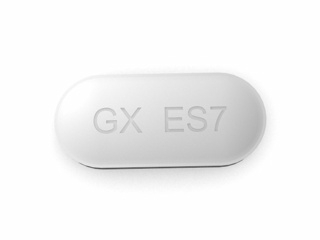
- Common forms: Tablets and other formulations depending on availability (brands may differ by region)
- How it treats: Bacterial infections (not viral illnesses such as cold or flu)
Ceftin may be prescribed for a variety of conditions including respiratory tract, urinary tract, skin/soft tissue, and other infections—depending on the suspected or confirmed bacteria and local resistance patterns.
2) How Ceftin works (mechanism of action)
Cefuroxime belongs to the cephalosporin family of antibiotics. It works by interfering with the way bacteria build and maintain their cell walls.
Specifically, cefuroxime targets penicillin-binding proteins (PBPs), which bacteria use to cross-link cell wall components. When this cross-linking is disrupted, the bacterial cell wall becomes unstable, leading to bacterial death.
Because Ceftin is designed to kill bacteria, it is most effective when taken as directed for the full course, even if you start to feel better before the course ends.
3) Pharmacokinetics (how the body handles it)
Pharmacokinetics describes what happens to a medicine in the body—how it is absorbed, distributed, metabolised, and eliminated.
- Absorption: Absorption depends on the specific formulation. Some cefuroxime tablets are better absorbed when taken with food.
- Distribution: Cefuroxime can distribute into body tissues and fluids, including areas relevant to many bacterial infections.
- Metabolism: Cefuroxime is not extensively metabolised.
- Elimination: The medicine is cleared primarily by the kidneys. Kidney function can affect drug levels, so dose adjustments may be needed in people with reduced kidney function.
Your prescriber may adjust the dose and duration based on infection type, severity, age, kidney function, and other individual factors.
4) What Ceftin is typically used for
Ceftin is used for infections caused by susceptible bacteria. Common categories include:
- Respiratory tract infections: such as acute bacterial sinusitis, bronchitis exacerbations, and some cases of pneumonia
- Ear, nose and throat infections: such as otitis media or other bacterial ENT infections (where appropriate)
- Urinary tract infections: including uncomplicated and complicated UTIs depending on clinical assessment
- Skin and soft tissue infections: including certain infections of the skin
- Other bacterial infections: depending on culture results and susceptibility patterns
Antibiotic choice is ideally guided by the most likely bacteria, local resistance trends, and sometimes laboratory testing (such as culture and sensitivity).
5) Timing and how to take Ceftin
Follow your prescribed schedule
Ceftin is generally taken at set times during the day to keep drug levels steady. Many regimens involve taking doses multiple times daily.
Take with or without food (important)
Food can affect absorption for certain cefuroxime formulations. A common practical approach is:
- If instructed to take with food: take the dose with meals to improve absorption and reduce stomach upset.
- If instructed to take on an empty stomach: follow those directions carefully.
If you are unsure, check your product label or ask your pharmacist. Different formulations may have different food instructions.
What to do if you miss a dose
- Take it as soon as you remember if it’s close to the next dose.
- If it’s nearly time for the next dose, skip the missed dose and continue your regular schedule.
- Do not double up to make up for a missed dose.
6) Food interactions
Food may influence absorption depending on the specific formulation of cefuroxime. For some tablet forms, taking the medicine with food can improve consistency of absorption.
- General advice: Follow the instructions on the label regarding meals.
- Stomach comfort: If cefuroxime upsets your stomach, taking with food (if permitted for your formulation) may help.
There are no specific “forbidden foods” for cefuroxime in typical use, but maintaining hydration and taking doses reliably can improve overall treatment experience.
7) Alcohol and medicine interactions
While cefuroxime itself does not have the same classic reaction as some older antibiotics when combined with alcohol, it’s still best to minimise alcohol during antibiotic treatment.
- Alcohol may worsen side effects: It can increase the likelihood of nausea, dizziness, or stomach discomfort.
- Hydration matters: Illness and antibiotics can both affect hydration—alcohol can contribute to dehydration.
- Follow individual safety advice: If you have liver disease, take multiple medications, or have been told to avoid alcohol, follow your healthcare team’s guidance.
If you are taking other medicines alongside Ceftin, ask your pharmacist to check for interactions specific to your medication list.
8) Interactions with other medicines (common considerations)
Cefuroxime has potential interactions mainly through effects on kidney clearance or through changes to lab tests. Always provide your pharmacist with a full list of medicines, supplements, and herbal products.
- Probenecid: May reduce renal clearance of some cephalosporins, potentially increasing antibiotic levels.
- Oral anticoagulants (e.g., warfarin): Antibiotics can sometimes affect gut flora and may influence bleeding risk in some people. Close monitoring may be required.
- Diabetes testing: Some antibiotics can interfere with certain urine glucose tests. If you use home urine tests, discuss the best method with your pharmacist.
- Vaccines: Cefuroxime does not usually affect vaccine effectiveness, but if you’re scheduled for vaccinations, confirm timing with your healthcare professional.
This is not a complete list. For interaction checks, pharmacists in Australia can help review your personal medication profile.
9) Indications and clinical use in Australia
In Australia, cefuroxime is used according to approved product information and clinical guidelines. Indications may vary by formulation and strength. Common “indications” refer to the types of infections for which cefuroxime is considered appropriate.
Treatment decisions take into account:
- Suspected infection site (e.g., chest, urinary tract, skin)
- Severity and whether hospital-level care is needed
- Local antimicrobial resistance
- Patient factors such as allergies, age, pregnancy/breastfeeding status, and kidney function
- Culture results when available
Antibiotics should be used responsibly. If symptoms are likely viral (for example, uncomplicated colds), antibiotics typically won’t help and may cause harm through side effects and antibiotic resistance.
10) Dosing: what you should know
Dosing of cefuroxime depends on:
- Which infection you’re treating
- Your age (adult vs child dosing may differ)
- Kidney function
- Formulation (immediate-release vs other formulations)
- Severity and clinical response
Your pharmacist can confirm the exact regimen from your prescription and label.
Typical dosing approach (general overview)
Many cefuroxime regimens for adults involve taking doses multiple times daily for a limited period (often several days to around two weeks, depending on the infection and guidelines). The exact frequency and duration should come from your healthcare professional.
Renal (kidney) impairment
Because cefuroxime is largely eliminated by the kidneys, dose adjustments may be necessary for people with reduced kidney function. If you have known kidney disease, ensure your prescriber knows.
Children
Paediatric dosing is usually weight-based and formulation-specific. Use only the dose and measuring instructions provided for your child.
11) Safety profile and when to seek help
Common side effects
Like all medicines, cefuroxime can cause side effects. Many are mild and resolve after treatment ends.
- Gastrointestinal upset: nausea, vomiting, diarrhoea, abdominal discomfort
- Headache
- Vaginal thrush or oral thrush (possible with antibiotic use)
- Rash (may occur)
Serious side effects (seek urgent medical advice)
Contact a doctor urgently or seek emergency help if you develop:
- Signs of an allergic reaction: swelling of the face/lips, difficulty breathing, widespread hives
- Severe or persistent diarrhoea (especially if watery, bloody, or accompanied by fever or severe cramps). This can indicate a more serious intestinal condition.
- Severe skin reactions (blistering, peeling, painful rash)
- Yellowing of the skin/eyes or severe fatigue (possible liver-related issues—uncommon but important)
Allergy precautions
Tell your healthcare provider if you have had:
- Allergy to cephalosporins (such as cefuroxime) or penicillin-related antibiotics
- Any history of severe allergic reactions to antibiotics
If you’ve previously experienced a serious reaction to a beta-lactam antibiotic, it’s particularly important to discuss this before starting cefuroxime.
12) Practical use tips (to get the best results)
- Complete the course: Even if symptoms improve quickly, continue until the planned course is finished.
- Take at consistent times: A regular schedule improves effectiveness.
- Stay hydrated: Helps overall recovery and may reduce constipation or dehydration from illness.
- Manage diarrhoea early: Mild loose stools can occur. If diarrhoea is severe or persists, seek medical advice promptly.
- Track your symptoms: Note temperature, pain, breathing difficulty, urinary symptoms, or rash progression to discuss with a clinician if needed.
- Avoid sharing antibiotics: Only take antibiotics prescribed for you for your condition.
- Don’t use leftovers: Storage and suitability may be unreliable, and the bacteria may be resistant.
13) Alternative options for bacterial infections
“Alternatives” depend on the infection type, likely bacteria, and your medical history (including allergies and kidney function). In Australia, clinicians may consider other antibiotic classes or formulations such as:
- Penicillins (if appropriate and safe)
- Macrolides (e.g., for certain respiratory infections)
- Other cephalosporins (depending on susceptibility)
- Second-line or culture-guided antibiotics where resistance is a concern
For some conditions, supportive care (rest, fluids, pain relief) may be appropriate either alone or in combination with targeted antibiotic treatment. Your clinician will choose the most suitable option.
14) Market and legal context in Australia
In Australia, medicines containing antibiotics are regulated and supplied according to the Australian regulatory framework and the Poison Schedule. Antibiotics are generally classified to ensure safe use, with pharmacists and prescribers supporting appropriate selection and counselling.
Australia places strong emphasis on antimicrobial stewardship—using antibiotics only when needed, choosing the right antibiotic, and using the correct duration to reduce resistance.
If you’re purchasing antibiotics through online pharmacy services in Australia, you should expect appropriate checks for:
- Compatibility with your medical history
- Possible interactions with your current medicines
- Allergy history
- Dose and formulation accuracy
15) Recent guidance and antimicrobial stewardship
Australian antibiotic guidance commonly highlights:
- Antibiotics should not be used for viral illnesses such as most sore throats, colds, and influenza.
- Shorter, appropriate courses can be as effective as longer courses for many uncomplicated infections, depending on clinical context.
- Local resistance patterns influence recommended antibiotic choices.
- Review after improvement: if symptoms don’t improve, worsen, or new symptoms develop, reassessment may be required.
If you’re concerned about whether an antibiotic is necessary for your symptoms, talk to a healthcare professional—appropriate care can avoid unnecessary side effects and resistance.
16) Delivery and availability (online pharmacy)
Availability of Ceftin may vary depending on the product presentation (strength, tablet type, and whether it is part of current stock). Online pharmacies in Australia typically:
- Confirm product availability before dispatch
- Package medicines securely to protect from damage
- Provide tracking information where available
- Follow relevant regulatory requirements for supply
Delivery times can vary by location and supplier. During busy periods (e.g., seasonal respiratory infections), dispatch may take longer. If your supply is time-sensitive, check the estimated dispatch and delivery window on the store page.
17) FAQ
Is Ceftin the same as cefuroxime?
Yes. Ceftin is a brand name that contains cefuroxime as the active ingredient.
What infections does Ceftin treat?
It treats infections caused by susceptible bacteria. Common examples include some respiratory infections, urinary tract infections, skin/soft tissue infections, and certain ENT infections—depending on clinical assessment and local resistance patterns.
How quickly should I start to feel better?
Many people notice improvement within 24–72 hours, but this varies by infection type and severity. If you don’t improve or you worsen after a couple of days, contact a healthcare professional for advice.
Can I stop Ceftin early if I feel better?
It’s usually important to complete the full course unless your healthcare professional advises otherwise, even if symptoms improve early. Stopping early can increase the chance of relapse or treatment failure.
Can I take Ceftin with food?
Food instructions depend on the exact formulation on the label. Many cefuroxime tablet regimens are better absorbed when taken with food. Follow your product instructions or ask your pharmacist.
Is it safe to drink alcohol while taking Ceftin?
Moderate alcohol may not cause a direct interaction for cefuroxime in the way some other antibiotics do, but it can worsen side effects and slow recovery. For best results, minimise alcohol and follow individual health advice.
What should I do if I miss a dose?
Take it when you remember if it’s close to the next dose. If it’s almost time for the next dose, skip the missed dose. Do not double the dose.
What if I get diarrhoea?
Mild diarrhoea can occur with antibiotics. If diarrhoea becomes severe, persistent, or contains blood or mucus, or if you develop fever and significant abdominal pain, seek medical advice promptly.
Who should be extra careful when taking Ceftin?
People with a history of severe allergic reactions to cephalosporins or penicillins, those with kidney impairment, pregnant or breastfeeding individuals, and those taking blood thinners or multiple medicines should discuss safety with a healthcare professional or pharmacist.
Are there alternatives if I can’t take Ceftin?
Yes. Alternatives depend on the infection and your allergy and medical history. Your clinician may choose a different antibiotic class or a culture-guided option when needed.
Summary
Ceftin (cefuroxime) is a cephalosporin antibiotic used to treat certain bacterial infections. It works by disrupting bacterial cell wall formation. Its dosing schedule and absorption may be influenced by the specific formulation and whether it’s taken with food. Like all antibiotics, it can cause side effects—most commonly stomach upset—and it should be used responsibly to support antimicrobial stewardship. If symptoms don’t improve or you experience severe reactions (such as allergic symptoms or severe diarrhoea), seek medical advice promptly.
| Topic | Key points for patients |
|---|---|
| Medicine type | Antibiotic (cephalosporin) |
| Active ingredient | Cefuroxime |
| What it treats | Susceptible bacterial infections |
| How it works | Blocks bacterial cell wall cross-linking (PBPs) |
| Taking schedule | Follow set daily times; complete the course |
| Food | Follow label instructions; some formulations absorb better with food |
| Alcohol | Generally best to limit alcohol during treatment to reduce side effects |
| Kidneys | Renal function can affect dosing; dose may need adjustment |
| Seek urgent help | Allergic reactions, severe diarrhoea, serious skin reactions |
If you’d like, tell me the exact Ceftin product you’re viewing (e.g., tablet strength and whether it’s “with food” on the label) and I can tailor the dosing/timing section to match the label language more closely.