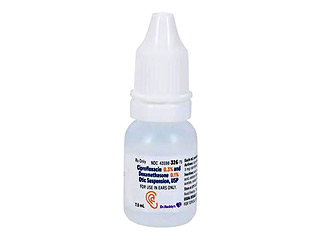

Ciprodex (Ciprofloxacin / Dexamethasone) Ear Drops — Patient Information (Australia)
Ciprodex is a combination medicine used to treat certain ear conditions where both infection and inflammation are present. It contains:
- Ciprofloxacin (an antibiotic)
- Dexamethasone (a corticosteroid that reduces inflammation)
This page provides patient-friendly information about how Ciprodex works, when it’s used, how to use it safely, and what to expect. Always follow the directions on your product label or the instructions given by your clinician.
Basic product information
| Feature | What it means for patients |
|---|---|
| Medicine | Ciprodex (ciprofloxacin / dexamethasone) |
| Form | Eardrops |
| Common use | Ear infections with inflammation (e.g., otitis externa) |
| Key components | Antibiotic + anti-inflammatory steroid |
| Who may use it | Adults and selected children, depending on indication and age |
How Ciprodex works (mechanism of action)
Ciprodex combines two medicines with complementary effects:
-
Ciprofloxacin (antibiotic)
Works by interfering with bacterial DNA replication, helping stop the growth of susceptible bacteria. This reduces the infectious cause of ear inflammation. -
Dexamethasone (corticosteroid)
Reduces inflammation by affecting inflammatory pathways in local tissues. This can help relieve swelling, pain, redness, and itching caused by infection-related inflammation.
Why combination therapy matters: Antibiotics treat the bacteria, while dexamethasone helps calm the inflammatory response—often improving comfort more quickly.
Pharmacokinetics (what the body does with the medicine)
When used as ear drops, the medicine is designed for local action in the ear canal and middle ear when the eardrum is not intact or there is a communicating pathway.
- Local effect: Ciprofloxacin and dexamethasone act where they’re needed to treat infection and inflammation.
- Absorption: Systemic absorption is generally limited when used correctly. However, absorption may increase if the ear has inflammation or if there is a perforated eardrum or grommets (tubes).
- Metabolism & elimination: Like other medicines, absorbed components are processed by the body and eliminated mainly through normal body pathways (including kidneys). The extent depends on how much reaches the bloodstream.
Practical takeaway: For most people, the treatment is targeted to the ear, with a lower risk of widespread whole-body steroid effects compared with oral steroids—though side effects can still occur.
Typical uses (indications) in plain language
Ciprodex is commonly used for ear conditions where infection and inflammation occur together. Typical indications include:
- Otitis externa (infection/inflammation of the outer ear canal), including more painful or severe cases
- Otitis media with ear discharge where there is a tube or perforation and local infection is suspected (as directed by clinical guidelines)
- Post-procedure ear infections when prescribed for local control of infection and inflammation
Important: Ciprodex is intended for ear use. It does not treat all ear problems (for example, some viral causes or eczema of the ear canal may need different treatment).
When to use it: timing & duration
Follow your clinician’s directions or the dosing schedule on the product pack. Common dosing patterns for ear drops include using the medicine twice daily for a short course (often several days), but your specific duration may vary depending on the condition.
Typical timing (example)
- Morning: Dose as instructed
- Evening: Dose as instructed
Set-and-forget tip: Pair the dose with daily routines (e.g., after breakfast and after dinner) so you don’t miss doses.
How long until you feel better?
- Some people notice pain or swelling improving within 24–48 hours.
- Complete improvement may take the full course.
If symptoms worsen or do not improve: Stop using and seek medical advice promptly if symptoms do not improve within a few days, or if you develop new severe pain, fever, or worsening discharge.
Dosing (general guidance for patients)
Dosing may differ for adults and children and depends on the diagnosis and severity. The dose is usually measured in drops and applied into the affected ear(s) at set intervals.
- Do not change the dose or duration without advice.
- Use only the recommended number of drops for your ear condition.
- If both ears are affected, dose each affected ear as directed.
Technique matters: Correct drop placement increases effectiveness and reduces wastage.
How to use Ciprodex correctly (practical tips)
These tips help improve comfort and ensure the drops reach the intended area.
- Wash your hands before and after using the drops.
- Warm the bottle in your hands for a minute if the drops are cold—this can reduce discomfort.
- Position yourself: Lie down or tilt your head so the affected ear faces upward.
-
Administer the drops:
- Adults: gently pull the outer ear up and back.
- Children: gently pull the outer ear down and back.
- Keep your head tilted for about 1–2 minutes to help the drops stay in the ear canal.
- Wipe excess from the outer ear with a clean tissue.
- Don’t insert cotton buds or objects into the ear canal.
Contact lenses/water exposure: For ear infections, swimming may worsen symptoms. Ask a clinician whether you should avoid water in the ear during treatment.
Food interactions (and alcohol): what to know
Food interactions
Because Ciprodex is used as ear drops, it is not usually taken with food. Food is not expected to have meaningful interactions with Ciprodex.
General advice: If you are taking other medicines by mouth, consider their food-related interactions separately.
Alcohol interactions
There are no specific, expected direct interactions between alcohol and Ciprodex ear drops based on its local route of administration. However:
- If you are unwell, alcohol may worsen dehydration or impair recovery.
- Some people may also be taking other medicines (e.g., pain relievers). Alcohol can interact with those.
Safety first: If you plan to drink alcohol while you’re being treated, keep it moderate and avoid if you feel unwell.
Medicine interactions (important considerations)
Ear drops have fewer systemic interactions than tablets, but interactions can still occur in certain cases, particularly if there is increased absorption or if you are using other treatments in the same ear.
- Other ear drops: Avoid using multiple ear preparations at the same time unless instructed. If you are prescribed more than one, ask about spacing the doses.
- Ototoxic medicines: If you are taking other medicines that may affect hearing in rare cases, discuss with a clinician—especially if you have significant ear disease.
- Skin/ear allergies or eczema treatments: If the ear canal is also affected by eczema or dermatitis, treatment may differ; inform your clinician what other creams/ear preparations you use.
Always tell your pharmacist/clinician about all medicines you use, including prescription, over-the-counter products, and herbal remedies.
Safety profile: side effects to watch for
Most people use Ciprodex without serious problems. However, side effects can occur. Report any concerning symptoms to a clinician promptly.
Common side effects
- Local irritation (burning, stinging, or discomfort after application)
- Itching in the ear
- Dryness or mild redness around the ear
- Temporary change in ear symptoms (e.g., brief discomfort as the medicine settles)
Less common but important
- Allergic reactions such as rash, swelling, or difficulty breathing (seek urgent help)
- Worsening ear pain or increasing discharge after starting treatment
- Persistent symptoms despite completing the course
When to seek urgent medical help
- Swelling of the face/lips, hives, or breathing difficulty
- Severe headache, dizziness, or significant hearing loss
- Fever, rapidly worsening symptoms, or severe pain not relieved by treatment
Safety notes for longer-term or repeated use
Ciprodex is typically used for short courses. Prolonged or repeated use may increase the risk of local irritation or promote resistant organisms. Use only as directed for your condition.
Conditions and situations where extra caution is needed
- Perforated eardrum or grommets: Tell your clinician if you have tubes or a known eardrum perforation.
- Allergy to quinolone antibiotics or steroid medicines: Inform your clinician/pharmacist if you have had reactions before.
- Active fungal infection: Some ear symptoms can be fungal or inflammatory rather than bacterial—misuse of antibiotics may delay correct treatment.
- Children: Dosing and duration should be guided carefully by age and diagnosis.
Alternative options for ear infections (discussion only)
Alternative treatments depend on the cause (bacterial vs fungal), whether there’s a perforated eardrum, and the severity of inflammation. Options your clinician may consider include:
- Other antibiotic ear drops (with different antibiotic ingredients)
- Acidifying or antiseptic ear drops in selected cases
- Fungal-specific ear drops if a fungal cause is suspected
- Pain relief such as analgesics (e.g., paracetamol or ibuprofen, if suitable)
- Ear toileting/cleaning by a clinician if thick debris blocks medication delivery
Why alternatives exist: The “best” choice depends on the suspected organism, eardrum status, and whether inflammation is a major component. Ciprodex may be chosen because it treats both infection and inflammation together.
Market & legal context for Australia
In Australia, the availability of medicines depends on their regulatory classification and product approvals through relevant authorities. For ear medicines containing antibiotics and corticosteroids, usage is typically guided by clinical assessment to ensure the diagnosis is correct and to limit unnecessary antibiotic exposure.
Pharmacist support: If you’re purchasing online, reputable services should provide access to pharmacist advice and clear instructions on use. You may also be asked screening questions related to age, symptoms, allergies, and ear history.
Quality & safety: Choose suppliers that comply with Australian regulatory and pharmacy requirements, including appropriate packaging, tamper evidence, and storage conditions.
Recent guidance & stewardship principles (Australia-focused)
Across Australia, antibiotic stewardship emphasises:
- Using antibiotics only when needed (e.g., when bacterial infection is likely)
- Using the correct dose and duration to reduce resistance risk
- Reviewing treatment if symptoms don’t improve rather than extending automatically
For ear infections, clinicians may also consider:
- Confirming diagnosis (otitis externa vs otitis media vs dermatitis)
- Assessing hearing and eardrum status
- Checking for complications in severe cases (especially in people with diabetes or immune compromise)
If you have recurrent ear infections, ask your clinician about prevention strategies (e.g., ear canal care and avoiding irritants).
Delivery, availability & storage (online pharmacy guidance)
Availability
Ciprodex ear drops may be available through pharmacies online depending on stock levels and supply chain schedules. Product names and strengths should match the ear-drop format containing ciprofloxacin/dexamethasone.
Delivery
- Packaging: Delivered in secure protective packaging.
- Timing: Delivery time varies by location and courier services.
- Keeping track: Check tracking details and ensure someone is available if required.
Storage
Store Ciprodex according to the label. In general, keep medicines:
- At room temperature unless the label states otherwise
- In a dry place away from direct sunlight
- Out of reach of children
Do not use after expiry: Check the expiry date on the pack.
Practical “best results” tips
- Finish the course, even if you feel better—unless your clinician tells you to stop.
- Keep the ear dry if advised; avoid swimming and water entering the ear canal.
- Avoid ear cleaning tools (cotton buds, picks) inside the ear canal.
- Don’t stop early due to mild improvement unless you have side effects or your symptoms resolve fully—follow clinician guidance.
- Let the drops sit by keeping your head tilted after dosing.
If you miss a dose: Take it when you remember, unless it’s close to the next dose. Do not double up. If you’re unsure, contact your pharmacist.
FAQ — Ciprodex (ciprofloxacin/dexamethasone)
1) What is Ciprodex used for?
Ciprodex is used to treat certain ear infections where both bacteria and inflammation are involved—commonly otitis externa (infected and inflamed outer ear canal). It may also be used in other ear infection situations as directed by a clinician, particularly where local treatment is appropriate.
2) How soon will I feel relief?
Many people feel some improvement within 24–48 hours. Full resolution typically follows completion of the prescribed course. If you’re not improving after a few days or symptoms worsen, seek advice.
3) Can I use Ciprodex if my eardrum is perforated or I have grommets?
Often, ear drops like Ciprodex are chosen specifically for particular ear conditions involving tubes or perforations. However, your specific situation matters—inform your clinician/pharmacist about your ear history.
4) Should I stop using it once the pain goes away?
Usually you should complete the course unless you experience significant side effects or your clinician advises stopping. Stopping early can lead to incomplete treatment.
5) Are there food or alcohol interactions?
Food is not expected to affect ear drops. Alcohol is not known to have a direct interaction with Ciprodex; however, moderation is sensible, and avoid alcohol if you feel unwell or are taking other medicines that interact with alcohol.
6) What side effects are normal?
Some people experience mild temporary burning or itching in the ear after applying the drops. If side effects are severe, persistent, or you develop signs of allergy, seek medical advice promptly.
7) Can I use Ciprodex with other ear drops?
Only use other ear drops if instructed. If two medicines are prescribed, ask whether you should space them out and for how long.
8) What if my symptoms don’t improve?
If there is no improvement after several days, or if you worsen (more pain, fever, increased discharge, new hearing changes), contact a clinician. The diagnosis may need reassessment.
9) Is Ciprodex safe for children?
It can be used in children in appropriate circumstances, but correct dosing and suitability depend on age, diagnosis, and eardrum status. Use only under clinician guidance.
10) How should I apply the drops to get the best effect?
Wash hands, tilt your head, instil the correct number of drops, then keep your head tilted for about 1–2 minutes. Avoid inserting anything into the ear canal after dosing.
Summary
Ciprodex (ciprofloxacin/dexamethasone) is a combined antibiotic and anti-inflammatory ear drop used for selected ear infections where inflammation contributes to symptoms. When used correctly, it delivers targeted treatment to help control bacteria and reduce swelling and pain.
If you have concerns about your symptoms, ear history (such as grommets or perforation), allergies, or other medicines you’re taking, talk to your pharmacist or clinician for advice tailored to you.