

Cephalexin (Cephalexin Capsules/Tablets) — Patient Information (Australia)
Cephalexin is a commonly used antibiotic medicine in the cephalosporin group. It is used to treat certain bacterial infections. This guide explains how cephalexin works, typical uses, how to take it safely, likely side effects, and practical tips to help you get the best outcome while minimising risks.
Important: Antibiotics are for infections caused by bacteria. They do not treat viral infections such as colds or flu.
Basic product information
| Category | Details |
|---|---|
| Medicine name | Cephalexin |
| Drug class | First-generation cephalosporin antibiotic |
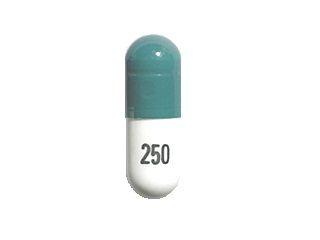
| Common forms | Capsules and tablets (brand/formulation may vary by manufacturer) |
| Who it may suit | People with susceptible bacterial infections, as determined by a clinician |
| Typical duration | Often 5–14 days depending on the infection and response |
| Key safety consideration | Allergy to cephalosporins or severe penicillin allergy history |
Branding and strengths: Cephalexin products may be supplied under different brand names and strengths depending on availability in Australia.
How cephalexin works (mechanism of action)
Cephalexin belongs to the beta-lactam class of antibiotics (cephalosporins). It works by interfering with bacterial cell-wall formation.
- It binds to penicillin-binding proteins (PBPs).
- This blocks the final steps of peptidoglycan cross-linking.
- Without a properly formed cell wall, susceptible bacteria can’t grow and multiply effectively, leading to bacterial death or inhibition.
Why this matters: Cephalexin is most effective when used against bacteria known to be susceptible and when taken for long enough to clear the infection.
Pharmacokinetics (how the body handles it)
Pharmacokinetics describes what the body does to a medicine—absorption, distribution, metabolism, and elimination.
- Absorption: Cephalexin is absorbed from the gastrointestinal tract. Absorption can be influenced by food, but this is usually not clinically significant.
- Distribution: It distributes into various body tissues and fluids, including areas relevant to skin, soft tissue, and urinary tract infections.
- Metabolism: Cephalexin is not extensively metabolised.
- Elimination: It is primarily cleared via the kidneys (mainly through urine).
- Half-life: The dosing interval is designed to maintain effective drug levels between doses.
Kidney function: Because cephalexin is mainly excreted by the kidneys, people with reduced kidney function may require dose adjustments by their clinician.
Typical uses and indications
Cephalexin is used for susceptible bacterial infections. Common indications include:
- Skin and soft tissue infections (e.g., cellulitis, infected wounds)
- Bone infections (e.g., osteomyelitis) — depending on local guidance and bacterial susceptibility
- Urinary tract infections (UTIs) caused by susceptible bacteria
- Respiratory tract infections in selected cases where bacteria are susceptible
- Ear infections (otitis media) in appropriate circumstances
- Dental-related infections in select cases (often alongside dental assessment/drainage if needed)
Selection of antibiotics depends on the infection site, severity, patient factors (such as allergy history and kidney function), and local resistance patterns.
Not for: Viral infections (e.g., most coughs/colds, influenza), and infections where the likely causative bacteria are not susceptible.
When to start and timing
Cephalexin should generally be started as soon as practical after a clinician has identified a bacterial infection or started an antibiotic plan. If you are unsure whether your symptoms suggest a bacterial infection, seek medical advice.
Timing between doses: Many cephalexin regimens are designed to be taken at regular intervals (for example, multiple times daily). Keeping doses evenly spaced helps maintain effective antibiotic levels.
- Take doses at the times prescribed for your specific regimen.
- Try to keep a consistent schedule each day.
- If you miss a dose, follow the guidance below (see FAQs).
How to take cephalexin (dosing guidance)
Your exact dose depends on: the infection being treated, age, body weight (for children), kidney function, and the specific formulation.
Common adult dosing patterns: Cephalexin is often taken multiple times daily. Dosing may be adjusted based on clinical judgement and local recommendations.
Children: Pediatric dosing is typically based on weight and the prescribed regimen.
Duration: Courses can range from about 5 to 14 days, depending on the infection type and response. Completing the full prescribed course is important, even if you feel better earlier.
Practical note: If you have been given a plan with a specific schedule, use that schedule exactly. If you have questions about your dose or timing, contact your pharmacist or clinician.
Food interactions: can you take it with meals?
Cephalexin can usually be taken with or without food. Taking it with food may reduce the chance of stomach upset for some people.
- If your stomach feels sensitive: taking cephalexin with meals can help.
- Maintain consistency: choose a routine that you can follow comfortably (with food or without), unless your clinician advises otherwise.
Absorption considerations: In most cases, food does not significantly impair effectiveness, but individual tolerability varies.
Alcohol interactions and safety
For many people, moderate alcohol intake may not cause a direct interaction with cephalexin. However:
- Alcohol can worsen dehydration and may aggravate nausea or diarrhoea.
- During an infection, your body is already under stress—alcohol may slow recovery.
- If you experience stomach upset while taking cephalexin, avoid alcohol until you feel better.
Recommendation: If you are unwell, it’s generally best to avoid alcohol or keep it minimal. Ask your pharmacist if you have concerns about your situation.
Medicine interactions (important considerations)
Many people can take cephalexin safely with other medicines, but it’s important to review possible interactions.
Commonly discussed interactions
- Probenecid: This can affect kidney clearance of certain antibiotics. Your clinician may adjust advice if you are taking it.
- Warfarin (and other anticoagulants): Antibiotics can sometimes alter gut bacteria and potentially affect clotting control in some people. Monitoring (e.g., INR checks) may be recommended depending on your situation.
- Other antibiotics: Combining antibiotics can be appropriate in some infections, but should be guided by a clinician.
- Oral vaccines (typhoid, etc.): Antibiotics may reduce effectiveness of certain live oral vaccines. If you are planning vaccination, discuss timing with a pharmacist or doctor.
How to reduce interaction risk
- Tell your pharmacist about all medicines you take, including vitamins, herbal products, and over-the-counter remedies.
- Keep a list and show it at the pharmacy.
- Do not start, stop, or change doses without advice.
Safety profile and side effects
Cephalexin is generally well tolerated. Side effects are most often mild to moderate and improve after the course ends.
Common side effects
- Nausea
- Diarrhoea (mild)
- Vomiting
- Stomach pain or indigestion
- Headache
- Skin rash (uncommon to mild cases)
Serious side effects — get urgent help
- Signs of an allergic reaction:
- swelling of the face, lips, tongue, or throat
- difficulty breathing or wheezing
- severe rash or blistering
- Severe or persistent diarrhoea, especially if watery or with blood, fever, or significant abdominal cramps (could indicate antibiotic-associated colitis)
- Severe blistering skin reactions or widespread rash with fever
- Yellowing of the skin/eyes or dark urine (possible liver-related problems—uncommon)
Allergy and cross-reactivity
People with a history of serious allergic reactions to beta-lactam antibiotics may be at higher risk. If you’ve ever had anaphylaxis or severe reactions to penicillin or cephalosporins, consult a clinician before use.
Pregnancy and breastfeeding
Cephalexin is commonly used in pregnancy and breastfeeding when clinically indicated. Discuss your individual risk and benefits with your clinician and pharmacist.
Practical use tips for best results
- Complete the course: even if symptoms improve, bacteria may still be present.
- Don’t double up: if you miss a dose, do not take an extra dose to compensate unless advised.
- Stay hydrated: helps reduce discomfort during infection and supports recovery.
- Monitor symptoms: improvement is often seen within 48–72 hours for many bacterial infections, but this varies by condition.
- Seek advice if worsening: if fever increases, pain becomes severe, or you feel worse after starting treatment, contact a clinician.
- Consider probiotics carefully: Some people find probiotics help with antibiotic-associated diarrhoea, but discuss with a pharmacist—especially if you’re immunocompromised or have severe illness.
- Storage: follow storage instructions on the pack (typically keep in a cool, dry place; protect from moisture; keep out of reach of children).
What to do if you miss a dose
If you forget a dose:
- Take it as soon as you remember if it’s close to the scheduled time.
- If it’s near the time of the next dose, skip the missed dose.
- Do not take two doses at once to make up for the missed dose.
If you are unsure, ask a pharmacist for advice based on your dosing schedule.
Alternative options (when cephalexin isn’t suitable)
Alternative antibiotics may be considered depending on the infection, suspected bacteria, allergy status, and local resistance patterns.
Possible alternatives may include:
- Other cephalosporins or beta-lactam antibiotics
- Macrolides (for certain respiratory infections or penicillin allergy contexts)
- Clindamycin (for selected skin/soft tissue infections)
- Treatment strategies that focus on source control (e.g., incision and drainage for abscesses) plus appropriate antibiotic choice
Note: The “best” alternative depends on what bacteria are likely and your personal allergy history. Do not self-switch antibiotics.
Market and legal context for Australia (what to expect)
Cephalexin is an antibiotic medicine supplied in Australia under the national medicines framework. Availability may be limited based on current regulations and product scheduling. Pharmacy supply arrangements are designed to support appropriate antimicrobial use and patient safety.
General expectations in Australia:
- Antibiotics are typically provided through appropriate clinical pathways.
- Pharmacists play an important role in checking suitability, allergy risk, dosing, and interactions.
- Antimicrobial stewardship is emphasised to reduce resistance and unnecessary antibiotic exposure.
For the most accurate, current requirements for purchasing or supply, refer to the product listing on your Australian pharmacy website and any guidance provided at checkout.
Recent guidance and antimicrobial stewardship (Australia)
In Australia, antibiotic use is guided by antimicrobial stewardship principles and evidence-based recommendations. Key themes include:
- Use antibiotics only when needed (bacterial infection likely/confirmed)
- Choose the narrowest effective option when possible
- Prescribe an appropriate duration to avoid under- or over-treatment
- Review response if symptoms don’t improve within expected timeframes
If your symptoms do not improve after starting treatment, it does not always mean the medicine “failed”—it may reflect the diagnosis, resistance patterns, or that an alternative cause (or additional source control) is involved. A clinician may reassess and adjust the plan.
Delivery and availability (online pharmacy)
Online pharmacies in Australia often provide convenient home delivery options for eligible medicines, including cephalexin where supply rules allow. Availability can vary by formulation and strength.
Common delivery features you may see:
- Estimated dispatch times shown at checkout
- Tracked delivery to eligible postcodes
- Secure packaging to protect tablets/capsules during transport
Before ordering:
- Check the strength and form on the product listing.
- Confirm your dosing schedule to ensure you order sufficient quantity for your course.
- If you have allergies or kidney issues, review any suitability information and consider speaking with a pharmacist.
If cephalexin is temporarily out of stock, some pharmacies may offer alternative formulations or notify you of restocking dates.
FAQ: Cephalexin
1) What is cephalexin used for?
Cephalexin is used to treat certain bacterial infections, commonly including skin/soft tissue infections and urinary tract infections, among other susceptible bacterial conditions. The right use depends on your diagnosis and likely bacteria.
2) How quickly should I feel better?
Many people start to feel improvement within 48–72 hours. If you don’t improve, symptoms worsen, or you develop new concerning signs, contact your clinician for reassessment.
3) Can I stop taking cephalexin early once I feel well?
It’s generally important to finish the full course to help ensure the infection is cleared and to reduce the risk of relapse or resistance.
4) Can I take cephalexin with food?
Yes. Cephalexin can usually be taken with or without food. If it upsets your stomach, taking it with food may help.
5) What should I avoid while taking cephalexin?
Avoid alcohol if it worsens nausea, diarrhoea, or dehydration. Also avoid taking new medicines (including herbal supplements) without checking for interactions—especially if you take anticoagulants or have known kidney problems.
6) Is there an interaction with warfarin?
Antibiotics can sometimes affect clotting control. If you take warfarin, you may need closer monitoring of INR during antibiotic treatment. Discuss with your pharmacist or clinician.
7) What if I’m allergic to penicillin?
Some individuals with penicillin allergy may tolerate cephalexin, but others may not—particularly if the penicillin allergy was severe. Seek advice from a healthcare professional before taking cephalexin.
8) What side effects are most common?
Common side effects include nausea, stomach upset, and diarrhoea. Mild stomach symptoms can happen, but seek urgent advice if you develop severe rash, trouble breathing, or severe diarrhoea.
9) What should I do if I miss a dose?
Take it when you remember unless it’s close to the next scheduled dose. Then skip the missed dose. Do not take two doses at once.
10) Can cephalexin be taken in pregnancy or breastfeeding?
It is commonly used when clinically indicated. If you are pregnant, trying to conceive, or breastfeeding, discuss risks and benefits with your clinician and pharmacist.
When to seek medical help urgently
Get urgent medical attention if you experience:
- Swelling of face/lips/tongue, breathing difficulty, or signs of anaphylaxis
- Severe widespread rash, blistering, or skin peeling
- Severe or persistent diarrhoea (especially with blood or fever)
- Severe worsening of infection symptoms after starting treatment
Further support: If you have questions about whether cephalexin is appropriate for your symptoms, or how to take it safely alongside other medicines, speak with your pharmacist. They can help you confirm dosing, allergy risk, food timing, and delivery/availability details for your area in Australia.